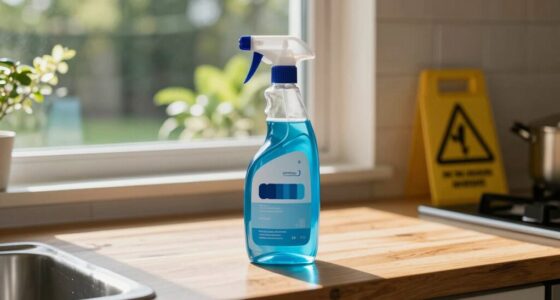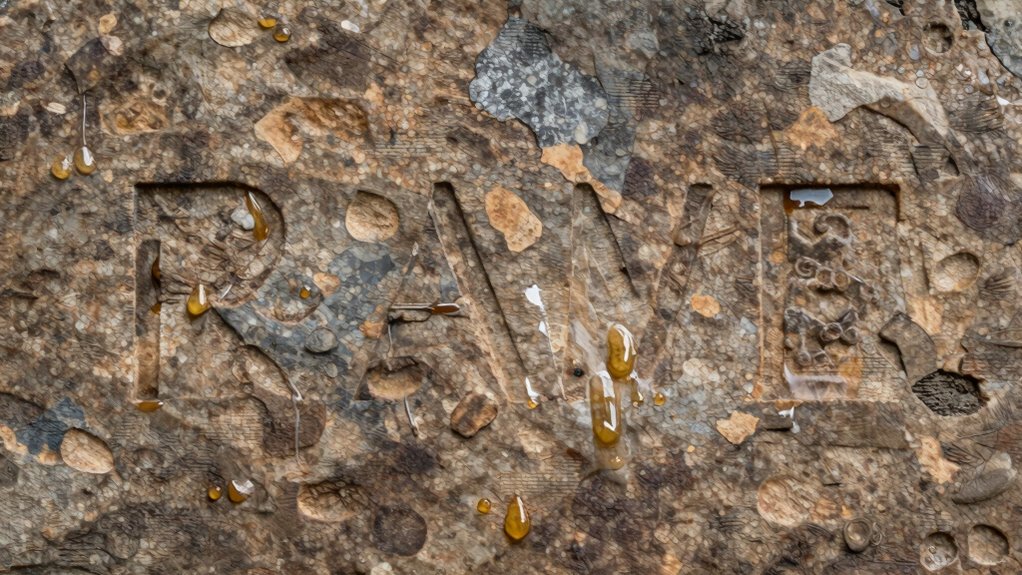

Using vinegar on stone surfaces can lead to significant acid damage, often without you realizing it until it’s too late. The acetic acid in vinegar reacts with calcium carbonate in stones like marble and limestone, causing surface etching and dull patches. Over time, this weakens the stone and can lead to persistent stains. It’s essential to opt for pH-neutral cleaners instead. Want to discover more about protecting your stone surfaces? Keep exploring!

Get cleaning gear delivered free — and shop member deals
- Fast, free delivery on millions of items
- Access to Prime Big Deal Days deals on October 6–7
- Prime Video, Amazon Music and more included
Key Takeaways
- Vinegar’s acetic acid reacts with stone, causing etching and surface damage, especially on marble and limestone.
- Damage manifests as dull patches, stains, and compromised protective sealants on stone surfaces.
- Repeated vinegar use increases stone porosity, making stains harder to remove and shortening the surface’s lifespan.
- Even resistant stones like granite can experience discoloration and integrity loss from vinegar exposure.
- Opt for pH-neutral cleaners and immediate spill management to prevent acid damage to stone surfaces.

Have you ever wondered why your beautiful stone surfaces look dull and worn after using vinegar for cleaning? Many people turn to vinegar because it’s an inexpensive, effective cleaner. However, what you might not realize is that this common household item contains acetic acid, with a pH around 2.4-3.4, which can wreak havoc on your stone surfaces. When vinegar comes into contact with calcium carbonate found in stones like marble, limestone, and travertine, a chemical reaction begins. This reaction leads to surface dissolution, producing visible etching and dull patches.
Vinegar’s acetic acid can damage stone surfaces, causing etching and dullness—choose safer cleaning alternatives to protect your investment.
You may notice rings, spots, or faded areas on your stone after using vinegar. These aren’t just cosmetic issues; they indicate that the protective sealant has been compromised. Over time, repeated use of vinegar can lead to significant structural damage as microscopic layers of stone are eroded. The once glossy finish diminishes, leaving your surfaces looking tired and worn. If you’ve used vinegar frequently, you might find that stains become more persistent and harder to remove, as the protective layers are stripped away, increasing the stone’s porosity. Additionally, vinegar is acid-based, which causes etching and dulling of marble surfaces. Using improper cleaning methods can significantly shorten the lifespan of your stone surfaces.
Granite, while generally more resistant, isn’t immune to vinegar’s effects. It can suffer discoloration and sealant breakdown. Concrete and other cementitious materials, too, are susceptible to acid damage, leading to erosion and a rough texture. Many people unknowingly contribute to this problem by using vinegar for everyday cleaning, thinking it’s safe because it works well on other surfaces like glass and tile.
To avoid these issues, consider switching to pH-neutral cleaners specially formulated for natural stone. These won’t react with the stone and can provide a gentle clean without damaging the surface. For spills, always blot acidic liquids immediately and rinse with water to minimize damage. Testing any cleaner on a hidden area first can save you from costly mistakes.
If your stone surfaces have already suffered damage, don’t despair. Light etching might be fixed with professional honing and repolishing, while severe damage will likely require more extensive restoration efforts. Regular maintenance, including resealing, can help protect your investment in beautiful stone surfaces. By choosing the right cleaning methods and being aware of the risks, you can keep your stone looking its best for years to come.
Frequently Asked Questions
Can Vinegar Damage Granite Countertops Over Time?
Yes, vinegar can damage granite countertops over time. While granite is more resistant to acids than softer stones, repeated exposure to vinegar can still weaken its polished finish and affect adhesives or sealants. You might notice dull spots or a loss of shine if vinegar’s used frequently. To protect your countertops, it’s best to avoid acidic cleaners and stick to pH-neutral options specifically designed for stone surfaces. Regular maintenance can also help preserve their beauty.
How Can I Remove Etch Marks From Marble?
You can remove etch marks from marble using a honing powder specifically designed for stone. Surprisingly, about 20% of residential floor restoration cases come from improper cleaners, so it’s vital to act carefully. Start by wetting the area, then sprinkle the honing powder and use a damp cloth to buff it gently. Rinse thoroughly and dry the surface afterward. If the etching persists, consider hiring a professional for restoration to restore your marble’s shine.
Is There a Safe Way to Clean Stone With Vinegar?
No, there isn’t a safe way to clean stone with vinegar. Even diluted, vinegar’s acidity can damage sensitive surfaces like marble and limestone, causing etching and dullness. Instead, use pH-neutral stone cleaners specifically designed for natural stone. For spills, blot them immediately and rinse with water. Always test any cleaner in an inconspicuous area first to ensure it won’t harm your stone. Protect your surfaces by opting for safer cleaning alternatives.
How Long Does It Take for Vinegar to Cause Damage?
Vinegar can start causing damage to stone surfaces almost immediately, especially with prolonged exposure. Even diluted vinegar can etch and dull the surface if left sitting for even a short time. If you’re mopping or cleaning regularly with vinegar, you might not notice the effects right away, but over weeks or months, the cumulative damage can become significant. It’s essential to use pH-neutral cleaners specifically designed for stone to avoid this issue.
What Are the Signs of Vinegar Damage on Stone Surfaces?
You’ll notice signs of vinegar damage on stone surfaces as dull, cloudy patches or etch marks where the polish has faded. Look for mottled gloss, lightening or discoloration of grout, and increased staining susceptibility. If your stone feels rough or has lost its sheen, it’s likely been affected. Regular exposure can lead to more serious damage, so keeping an eye on these signs can help you address issues before they worsen.
Conclusion
So, next time you think about using vinegar to clean that beautiful stone surface, remember: it’s not just a kitchen staple, it’s a potential stone destroyer. You might be aiming for a gleaming countertop, but instead, you could end up with an unsightly etch. Isn’t it ironic how a simple bottle of vinegar, meant to enhance your cooking, could turn into a recipe for disaster? Sometimes, the things we trust most can lead to the most unexpected damage.
Fall Picks
fall essentials
As an affiliate, we earn on qualifying purchases.