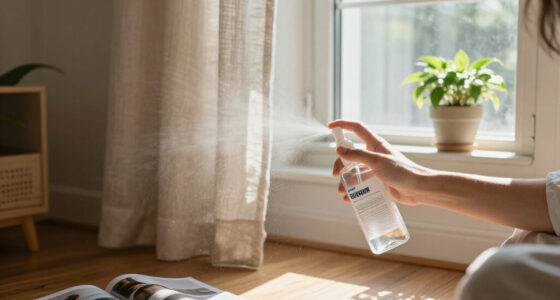
Quaternary ammonium compounds, or quats, are effective antibacterial agents found in many disinfectants and personal care products. They work by disrupting microbial cell membranes, leading to cell death and helping you fight germs effectively. Common quats include benzalkonium chloride and cetylpyridinium chloride, each designed for specific uses like sanitizers and disinfecting wipes. However, concerns about environmental impact and resistance development are rising. To fully understand their benefits and limitations, you’ll want to explore further.

Get cleaning gear delivered free with Prime
- Fast, free delivery on millions of items
- Prime Video, Amazon Music and more included
- Member-only deals all year
Key Takeaways
- Quats, or quaternary ammonium compounds, are positively charged molecules effective against a variety of microbes, including bacteria and viruses.
- Common variants of quats include benzalkonium chloride (BAC), cetylpyridinium chloride (CPC), and dodecyldimethylammonium chloride (DDAC).
- They disrupt microbial cell membranes, leading to loss of integrity and cell death, making them potent antimicrobials.
- Quats are widely used in disinfectants, hand sanitizers, and cleaning products due to their effective germicidal properties.
- There are environmental concerns regarding quat persistence and potential toxicity, prompting research into biodegradable alternatives.
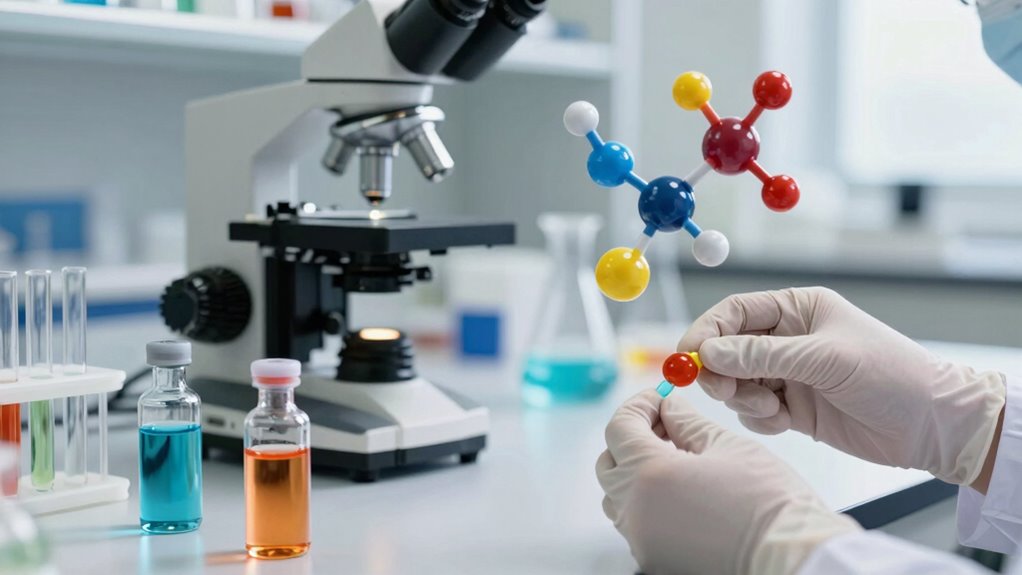
When you reach for disinfectants or personal care products, you may not realize that many of them contain quaternary ammonium compounds, commonly known as quats. These positively charged ions play a vital role in various everyday products, such as disinfectants, hand sanitizers, and even shampoos. Quats have a unique structure, featuring a nitrogen atom bonded to four organic groups, which can vary in size and complexity. This gives quats their effectiveness against bacteria, viruses, and fungi. Additionally, quats are often included in deep-sky imaging equipment cleaning solutions to maintain optimal performance.
Quaternary ammonium compounds, or quats, are essential in disinfectants and personal care products for their powerful antimicrobial properties.
One of the most common quats is benzalkonium chloride (BAC), frequently used in disinfecting wipes and hand sanitizers. You might also encounter other variants like cetylpyridinium chloride (CPC) in mouthwashes or dodecyldimethylammonium chloride (DDAC) in surface disinfectants. Each type of quat is designed to work efficiently in different applications, thanks to their ability to disrupt microbial cell membranes. By inserting themselves into these membranes, quats cause loss of integrity, leading to cell death. Quaternary ammonium cations are often part of salts known as quaternary ammonium salts or compounds, also called quats.
In practical terms, quats are effective because they can tackle a range of pathogens, including salmonella and staphylococcus aureus, making them essential in healthcare settings. However, it’s important to note that the concentrations of quats in commercial products are much higher than those needed to inhibit bacterial growth in laboratory conditions. This guarantees that even under real-world conditions, quats can effectively kill germs.
Despite their benefits, the use of quats raises concerns regarding resistance and environmental impact. Over time, some bacteria can develop resistance, often linked to exposure to low concentrations of quats. This resistance can manifest through changes in bacterial cell membranes or the development of efflux pumps that expel the quats from the cells. Additionally, quats can persist in the environment, potentially harming aquatic ecosystems and contributing to the toxicity of some organisms.
To address these concerns, researchers are developing “soft” quats, designed to biodegrade more easily and pose less risk to the environment. These newer formulations aim to retain the antimicrobial efficacy while reducing long-term toxicity.
Products Worth Considering

Dyson Ball Animal Total Clean Upright Vacuum

Bose TV Speaker (2nd Gen) Compact Soundbar with Bluetooth and HDMI Connectivity

Levoit Core 600S-P Smart Air Purifier for Large Rooms
As an affiliate, we earn on qualifying purchases.
Frequently Asked Questions
Are QACS Safe for Use on Food Surfaces?
QACs can be safe for use on food surfaces if used correctly, but you should always check for specific product guidelines. Confirm the QAC is approved for food contact and follow recommended dilutions and contact times. Rinse surfaces thoroughly after use to minimize any residue. It’s also wise to stay informed about potential health risks and consider alternatives if you’re concerned about chemical exposure. Always prioritize safety in your food preparation practices.
How Do I Choose the Right QAC Product?
To choose the right QAC product, consider concentration, compatibility, and contact time. Carefully calculate the concentration to ensure it exceeds effective MICs. Confirm compatibility with surfaces and pre-clean to boost effectiveness. Check the product’s contact time for maximum microbial mayhem. Finally, consider potential environmental impacts and health risks. Selecting safe, suitable, and specific QACs safeguards surfaces while supporting your sanitation success. Prioritize performance and protect both people and the planet!
Can QACS Be Harmful to Pets?
Yes, QACs can be harmful to pets. If ingested or if they come into contact with your pet’s skin, they can cause irritation or more serious health issues. Symptoms might include vomiting, drooling, or difficulty breathing. To keep your furry friends safe, always store products containing QACs out of reach and use them in well-ventilated areas. It’s vital to read labels and follow safety guidelines to minimize risks for your pets.
What Are the Signs of QAC Allergy?
If you’re allergic to quaternary ammonium compounds (QACs), you might notice signs like skin irritation, rashes, or redness where the product was applied. Itching or burning sensations can also occur, along with respiratory issues like coughing or wheezing if inhaled. In severe cases, you might experience swelling or hives. If you suspect an allergy, it’s best to stop using the product and consult a healthcare professional for advice and potential alternatives.
How Do QACS Compare to Natural Disinfectants?
Did you know that some QACs can be used at concentrations up to 16,000 µg/mL? Compared to natural disinfectants, QACs often work faster and more aggressively against bacteria. However, natural disinfectants, like vinegar or essential oils, are generally safer for the environment and less irritating to the skin. While QACs excel in effectiveness, natural alternatives can offer a gentler approach, making them suitable for sensitive applications or households.
Conclusion
In a world where germs are lurking around every corner, quats are like the superheroes of the cleaning universe! They swoop in, banishing bacteria with a mere spray, leaving surfaces gleaming and germ-free. You can practically hear those nasty microbes screaming as they disappear! While they’re not the only option, their power in the fight against germs is unmatched. So, the next time you reach for that cleaner, remember: you’re wielding a mighty weapon in your battle against bacteria!