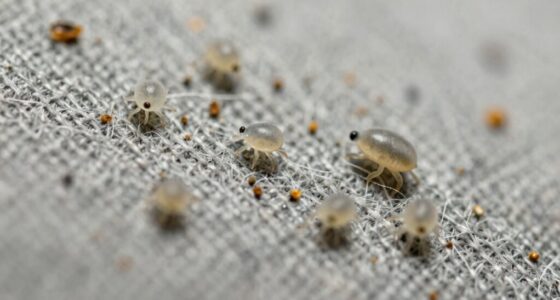
Dust and pet allergies can cause similar symptoms like sneezing, runny noses, and itchy eyes, making it tough to tell them apart indoors. Dust mites thrive in warm, humid areas, while pet dander lingers in the air longer. You might notice symptoms worsen at night or after being around pets, hinting at the source. Understanding these differences can help you manage your symptoms better. Discover more about identifying and addressing these allergies effectively.
Key Takeaways
- Both dust and pet allergies share symptoms like sneezing, runny noses, and nasal congestion, making identification challenging indoors.
- Dust mites thrive in warm, humid environments, while pet allergens are dispersed through dander and saliva, complicating indoor allergy management.
- Pet dander remains airborne longer than dust mite particles, contributing to extended exposure in pet-occupied spaces.
- Skin reactions, such as hives or eczema, typically indicate pet allergies, while dust mites usually worsen existing skin conditions without direct skin symptoms.
- Understanding allergen sources and their behavior helps differentiate between dust and pet allergies for effective management strategies.
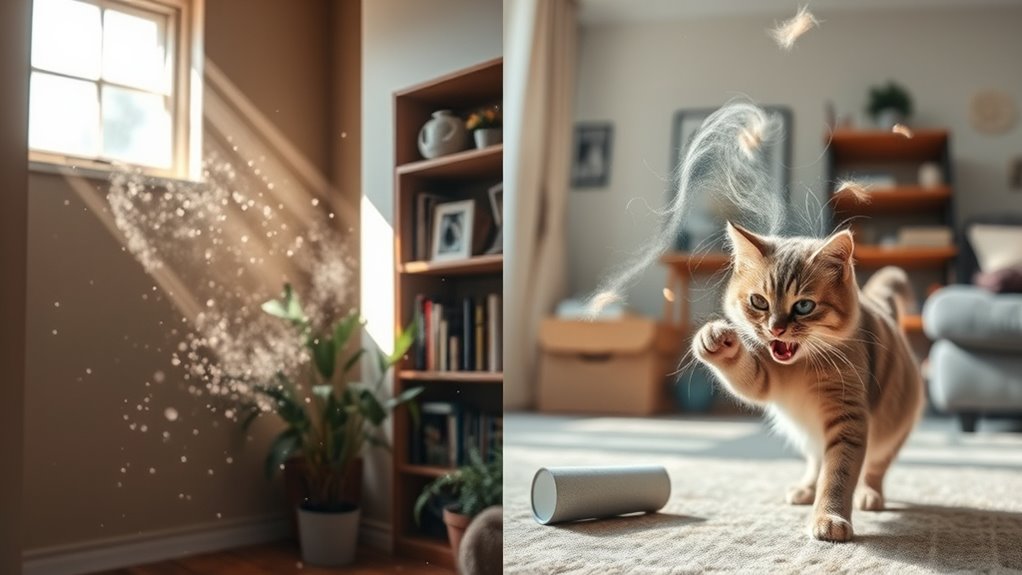
When it comes to indoor allergies, you might find yourself sneezing or experiencing a runny nose due to either dust mites or pet dander. Both allergens can trigger similar symptoms, making it tricky to identify which one’s causing your distress. You may notice nasal congestion, itchy or watery eyes, and even coughing or wheezing, particularly if you have asthma. This symptom overlap can feel like you’ve caught a prolonged cold, especially if you’re exposed to these allergens continuously.
Indoor allergies can cause sneezing and runny noses, often blurring the lines between dust mites and pet dander.
Dust mites thrive in bedding, mattresses, and upholstery, releasing tiny particles from their feces and body fragments into the air. Air purifiers can significantly reduce these allergens, helping to create a healthier indoor environment. Pet allergens, on the other hand, come from dander, saliva, and urine, clinging to surfaces like furniture and clothing. The key difference lies in how these allergens behave. Mite particles tend to be heavier, settling quickly, while pet dander can remain airborne for longer periods, especially since it attaches to very small particles. This means that if you’re having issues in environments where pets were present, that’s a strong indicator of pet allergies. Additionally, house dust mites prefer warm, humid indoor environments, which can exacerbate their presence in your home.
You might also experience skin reactions with pet allergies, such as hives or eczema, especially after direct contact. Dust-mite allergies typically don’t show these skin symptoms but can worsen existing skin conditions like atopic dermatitis. The location of skin irritations can also provide clues; pet-related rashes often appear on arms or faces after handling, while dust-mite reactions may be more generalized.
Temporal patterns of symptoms can help distinguish these allergies. If your symptoms worsen after petting an animal or entering a home with pets, it’s likely pet-related. In contrast, if your symptoms spike at night or in the morning when you’re in bed, dust mites are probably to blame. You may find that traveling to pet-free or low-mite environments brings relief, further indicating indoor allergens affect you.
Diagnostic methods, like skin prick testing, can confirm your sensitivities to dust mites or pet proteins. Understanding your triggers is vital, as it informs effective management strategies. Reducing indoor humidity, using HEPA filters, and keeping pets out of bedrooms can help mitigate symptoms. Ultimately, recognizing the nuances between dust allergy and pet allergy empowers you to take action and improve your quality of life.

USANOOKS Microfiber Cleaning Cloth Grey - 12 Pcs (12.5"x12.5") - High Performance - 1200 Washes, Ultra Absorbent Microfiber Towel Weave Grime & Liquid for Streak-Free Mirror Shine - Car Washing Cloth
- High Absorbency Microfiber: Locks in 8-10x its weight in liquids
- Durable 2.5mm Thick Design: Resists lint, scratches, and shedding
- Swirl-Free Mirror Shine: Rapid dry layers prevent damage
As an affiliate, we earn on qualifying purchases.
Frequently Asked Questions
Can Dust and Pet Allergies Occur Simultaneously?
Yes, dust and pet allergies can occur simultaneously. If you’re sensitized to both, you’ll likely experience overlapping symptoms like sneezing, nasal congestion, and itchy eyes when exposed to either allergen. This co-sensitization can worsen your overall allergic response, making it harder to pinpoint the exact trigger. Managing both allergies may require combined strategies, such as improving indoor air quality and minimizing exposure to both dust mites and pet dander in your home.
How Can I Tell if It’s a Cold or Allergy?
To tell if it’s a cold or an allergy, pay attention to symptom duration and triggers. If your symptoms last longer than 10 days and are consistent year-round, it’s likely allergies. Colds usually last shorter and often come with body aches or fever. Also, consider whether symptoms worsen after exposure to pets or dust; this points to allergies. If symptoms fluctuate with seasons, it’s more likely a cold or a seasonal allergy.
What Are the Long-Term Effects of Untreated Allergies?
Untreated allergies can lead to significant long-term effects, including chronic sinusitis, asthma development, and persistent respiratory issues. You might experience reduced quality of life due to disrupted sleep and ongoing discomfort. Over time, your immune system may react more severely to allergens, increasing the risk of complications. Additionally, untreated allergies can affect your daily activities, work productivity, and overall well-being, making it essential to seek proper diagnosis and management.
Are There Any Home Remedies for Allergy Relief?
Imagine your home as a garden, thriving with vibrant flowers. To keep it flourishing, you can try home remedies for allergy relief. Use a saline nasal rinse to wash away irritants, drink warm herbal teas to soothe your throat, and keep your space clean with regular dusting. Local honey might help, too, as it can build immunity. Stay hydrated, and consider essential oils like eucalyptus for a revitalizing aroma to ease your symptoms.
How Often Should I Clean to Reduce Allergens?
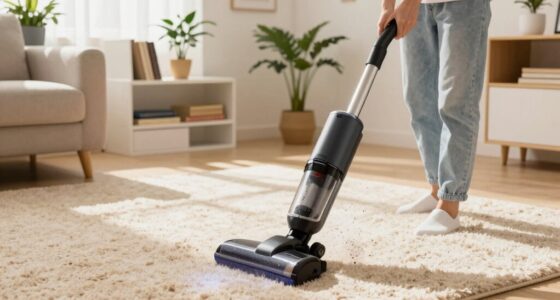
You should clean your home at least once a week to effectively reduce allergens. Vacuum carpets and upholstery using a HEPA filter, and wash bedding in hot water weekly. Dust surfaces frequently, ideally with a damp cloth to avoid resettling particles. Additionally, consider deep cleaning every few months, including air ducts and carpets. If you have pets, grooming them regularly and keeping them out of bedrooms can also help minimize allergen levels.

Amazon Basics Microfiber Cleaning Cloths, Ultra Absorbent, Lint Free, Streak Free, Non-Abrasive, Reusable and Washable, 16" x 12", Blue/White/Yellow, Pack of 24
- Size: 16 x 12 inches
- Pack Size: 24 cloths
- Material: Microfiber
As an affiliate, we earn on qualifying purchases.
Conclusion
In the grand tapestry of indoor allergens, dust and pets often weave overlapping threads, making it tricky to pinpoint your discomfort. While both can send your immune system into a tailspin, understanding their nuances can help you breathe a little easier. By identifying your specific triggers, you can create a more harmonious living space. So, whether it’s a sneezy dance with dust or a furry foe, you’ve got the tools to reclaim your comfort at home.

10 Pack Microfiber Cleaning Cloths, Large 30" x 16" Absorbent Streak Free Lint Free Washable Reusable Towels for Floor Mop, Kitchen, Car, Windows, Glass, Stainless Steel, Multi-Purpose Rags, Blue
- EXTRA LARGE SIZE: Each microfiber cleaning cloth measures...
- STREAK FREE & LINT FREE: These microfiber cloths leave surfaces...
- PREMIUM MATERIAL & HIGHLY ABSORBENT: Made from high quality microfiber...
As an affiliate, we earn on qualifying purchases.
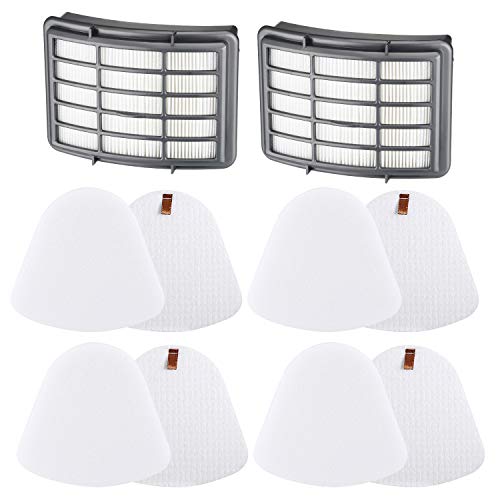
4+2 Pack Filters for Shark Vacuum Navigator Lift Away Filter Replacement Models NV350 NV351 NV352 NV355 NV356E NV360 UV440 UV540 CU500 XFF350 XHF350
- Compatible with Shark Navigator Models: Fits various NV and UV series models
- Valuable Pack Includes: 4 foam, 4 felt, 2 HEPA filters
- High-Efficiency HEPA Filters: Blocks secondary air pollution effectively
As an affiliate, we earn on qualifying purchases.