Washing microfiber pads improperly can really hurt their absorbency. Using too much detergent or fabric softeners leaves harmful residues that clog fibers. Washing with cotton towels transfers lint, while high heat drying melts the fibers. Always air dry or use low heat to maintain their integrity. Storing them with lint-producing items can also affect performance. To keep your microfiber pads effective, you’ll want to know the best practices for care and maintenance.
Key Takeaways
- Using too much detergent leads to residue buildup, impairing microfiber’s absorbency.
- Washing with cotton towels transfers lint, reducing microfiber’s effectiveness.
- High heat drying melts fibers, causing permanent damage and decreased absorbency.
- Fabric softeners and dryer sheets leave waxy residues that clog microfiber fibers.
- Improper storage can lead to mildew and residue buildup, diminishing cleaning performance.
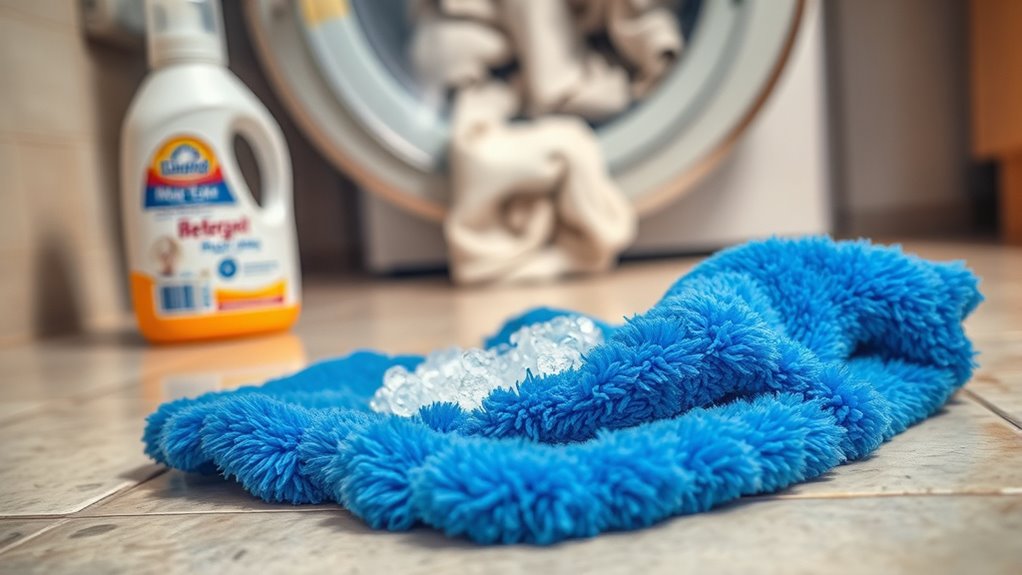
When it comes to washing microfiber pads, many people unknowingly make mistakes that can markedly diminish their effectiveness. One common error is using too much detergent. Excess liquid builds up residue on the fibers, limiting their absorption capabilities. To maintain peak performance, stick to just 1-2 ounces of detergent per load. Powder detergents can clump and further contribute to residue, so it’s best to avoid them altogether. Light therapy can enhance the cleaning process by activating the fibers and improving their overall performance.
Another common mistake is the use of fabric softeners and dryer sheets. These products leave behind a waxy residue that clogs the tiny fibers, preventing them from absorbing water effectively. If you’ve used fabric softener, permanent damage may occur if heat is applied afterward. To restore your microfiber pads, try a wash with 300ml of white vinegar on a cool cycle without detergent.
Using fabric softeners and dryer sheets can permanently damage microfiber pads by leaving a waxy residue that clogs their fibers.
Washing microfiber pads with cotton towels is another pitfall. Cotton sheds lint that adheres to microfiber, creating a linty mess. Microfiber is designed to grab debris, so washing them separately prevents reduced absorbency from lint transfer. Shake off any dust before loading them into the washer for a cleaner wash. Sorting microfiber properly helps maintain their effectiveness by preventing cross-contamination with lint-producing fabrics.
High heat drying is a major no-no. If temperatures exceed 140°F, the fibers can melt, leading to permanent damage and loss of absorbency. Instead, use low heat or air dry your pads. While hang drying might stiffen them, a low tumble dry can remedy that. Always avoid boiling pads that contain foam or velcro, as it can compromise their integrity.
Using bleach is another mistake to steer clear of. Bleach breaks down the fibers, causing fraying and loss of absorbency. It can also negatively impact the static electricity function that helps grab dirt. Instead of bleach, a vinegar soak can effectively dissolve residues without causing damage.
Lastly, improper storage of your microfiber pads can lead to issues. Storing them in a ventilated hamper prevents mildew and ensures no residues cling to the fibers. Microfiber holds dirt like velcro, and tidy storage will extend their longevity beyond 300 washes. Always avoid mixing them with lint-shedding items after washing, as this can affect their performance.

USANOOKS Microfiber Cleaning Cloth Grey - 12 Pcs (12.5"x12.5") - High Performance - 1200 Washes, Ultra Absorbent Microfiber Towel Weave Grime & Liquid for Streak-Free Mirror Shine - Car Washing Cloth
10x GRIP-ROOT WEAVE - TRAP MORE, WORK LESS: Ultra-absorbent microfiber towels for car Grip Root weave works like...
As an affiliate, we earn on qualifying purchases.
Frequently Asked Questions
How Often Should I Wash My Microfiber Pads?
You should wash your microfiber pads after every use or at least every few uses, depending on how dirty they get. If you notice they’re not picking up dirt or leaving streaks, it’s time for a wash. Regular cleaning helps maintain their absorbency and effectiveness. Avoid letting dirt and residues build up, as that can make future cleaning less effective. Keeping them fresh will extend their lifespan and performance.
Can I Use Bleach on Microfiber Pads?
Using bleach on microfiber pads is like tossing a match into a fireworks factory—it’ll only lead to disaster. You can’t use bleach; it breaks down the delicate fibers, weakening their structure and ruining their absorbency. Instead, stick to gentle detergents specifically designed for microfiber. Treat your pads with care, and they’ll continue to serve you well, keeping your surfaces sparkling clean and fresh!
What Temperature Should I Wash Microfiber Pads?
You should wash microfiber pads in cold or warm water, ideally around 30°C to 40°C (86°F to 104°F). This temperature helps maintain the integrity of the fibers and prevents shrinkage or damage. Avoid hot water, as it can weaken the materials and reduce absorbency. Always check the care label for specific instructions, and steer clear of fabric softeners to keep your microfiber pads performing at their best.
How Do I Properly Store Microfiber Pads?
You might think storing microfiber pads is simple, but it’s vital to do it right. First, make sure they’re completely dry to prevent mold. Store them in a clean, dry place, away from linty fabrics or dust. Avoid folding them tightly; instead, lay them flat or hang them to maintain their shape. Regularly check for any contamination or odors, and keep them in a dedicated bin for easy access when you need them.
Can I Air Dry Microfiber Pads Instead of Using a Dryer?
Yes, you can air dry microfiber pads instead of using a dryer. In fact, air drying helps maintain their absorbency and prolongs their life. Just make sure to hang them in a well-ventilated area, away from direct sunlight to prevent any fiber damage. Avoid folding or compressing them during drying, as that can affect their shape and functionality. Proper air drying guarantees your microfiber pads stay effective for longer.

Amazon Basics Microfiber Cleaning Cloths, Ultra Absorbent, Lint Free, Streak Free, Non-Abrasive, Reusable and Washable, 16" x 12", Blue/White/Yellow, Pack of 24
Microfiber 16 x 12-inch cleaning cloth (24-pack); ideal for cleaning cars, trucks, boats, and more
As an affiliate, we earn on qualifying purchases.
Conclusion
Avoiding common microfiber pad washing mistakes is vital to maintaining their absorbency and effectiveness. Treat your pads like cherished tools, and they’ll serve you well for years to come. By steering clear of fabric softeners, excessive heat, and harsh detergents, you’ll guarantee your pads stay in top shape. Remember, just like a well-tended garden flourishes, so too will your cleaning results when you care for your microfiber pads properly. Happy cleaning!

10 Pack Microfiber Cleaning Cloths, Large 30" x 16" Absorbent Streak Free Lint Free Washable Reusable Towels for Floor Mop, Kitchen, Car, Windows, Glass, Stainless Steel, Multi-Purpose Rags, Blue
EXTRA LARGE SIZE: Each microfiber cleaning cloth measures a generous 30" x 16", providing more coverage for faster,...
As an affiliate, we earn on qualifying purchases.
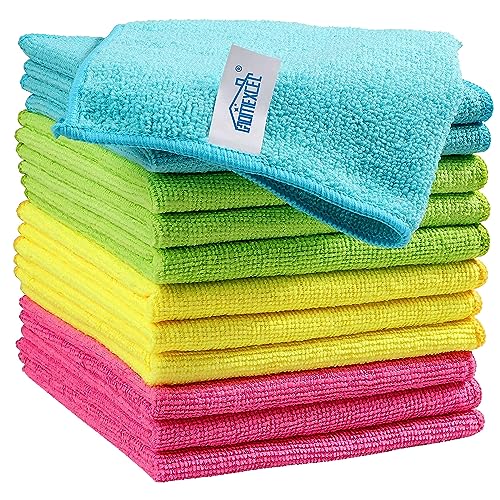
HOMEXCEL Microfiber Cleaning Cloth 210GSM, Pack of 12, Size:11.5" x 11.5", Ultra-Soft, High-Density Non-Abrasive Cleaning Towels for Cars, Glass, Kitchen, Reusable Rags, Blue/Green/Yellow/Pink
Effective Streak-Free Cleaning: Clean kitchen countertops, windows, mirrors, bathroom surfaces, stainless steel, car interiors, glass, and other delicate...
As an affiliate, we earn on qualifying purchases.