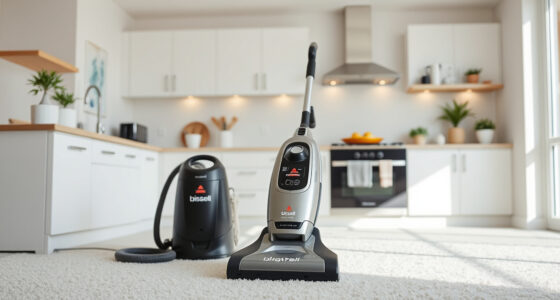
Using the wrong cleaners on cork floors can permanently dull their surface. Ammonia-based products, acidic or alkaline cleaners, and abrasive substances break down sealants and scratch finishes. Oily cleaners can penetrate the surface, leading to dullness over time. To protect your cork floors, stick with neutral pH cleaners and proper maintenance practices. Not only will this keep your floors looking great, but you’ll also extend their lifespan. Discover more tips to keep your cork floors pristine.

Get cleaning gear delivered free — and shop member deals
- Fast, free delivery on millions of items
- Access to Prime Big Deal Days deals on October 6–7
- Prime Video, Amazon Music and more included
Key Takeaways
- Ammonia-based cleaners can permanently damage cork surfaces by breaking down protective sealants and causing discoloration.
- Acidic and alkaline cleaners weaken cork’s protective layers, leading to dullness and increased vulnerability to damage.
- Oily substances can penetrate the cork, resulting in a lackluster appearance over time.
- Abrasive cleaners scratch the surface, causing permanent dullness and compromising the finish.
- Consistent use of improper cleaning products undermines the longevity and aesthetic integrity of cork flooring.

Cork floors are an eco-friendly and versatile choice for your home, offering warmth and comfort underfoot. However, if you want to keep them looking their best, it’s essential to understand how certain cleaners can permanently dull their surface. Routine cleaning is vital, but using the wrong products can lead to irreversible damage. You should sweep or vacuum cork floors at least once per week to remove abrasive particles that can scratch the finish. For damp mopping, always wring out the mop thoroughly and use a neutral pH cleaner diluted in water. High-quality information is key to maintaining these surfaces effectively.
You need to be cautious with the cleaners you choose. Ammonia-based products, such as Windex, can cause permanent damage to the cork finish. Similarly, avoid any cleaners containing turpentine, paint thinner, or vinegar, as these can strip away protective sealants. Harsh acidic or alkaline cleaners break down the finish, while oily substances can penetrate and dull the surface over time. Even abrasive products can create scratches that lead to permanent dulling.
When spills happen, prompt action is vital. Blot spills immediately with a damp cloth to prevent sealant penetration. Use breathable mats in sink areas to avoid trapped moisture, and remember to air dry or towel off excess moisture after cleaning. Maintaining your cork floors also involves controlling humidity. Aim for a constant level between 30-60% to avoid cracking or buckling. Dry conditions can cause surface cracks, while excess dampness leads to curling. Regular cleaning helps extend the lifespan of cork flooring.
To repair minor damage, light scratches can often be fixed with products like the Tibet Almond Stick. For deeper gouges, you might need wood patching compounds. Moving furniture periodically helps prevent permanent indentations, and serious damage might require plank replacement. After installation, seal your cork floors with a water-based polyurethane to protect them effectively. Following manufacturer guidelines for refinishing is vital; you should clean the surface thoroughly before applying new coats.
Ultimately, the longevity and appearance of your cork floors depend on your maintenance practices. By understanding which cleaners to avoid and how to manage spills and humidity, you can preserve the beauty of your cork floors for years to come. Remember, a little knowledge goes a long way in keeping your cork floors looking sharp and inviting.
Frequently Asked Questions
How Often Should I Clean My Cork Floors?
You should clean your cork floors every two to four weeks, depending on foot traffic and dirt accumulation. If you have pets or children, more frequent cleanings may be necessary. Always sweep or vacuum before mopping to remove abrasive debris. Use a damp mop with a gentle cleaner suitable for cork, and avoid excessive moisture to preserve the finish. Regular maintenance helps keep your floors looking their best without causing damage.
Can I Use Vinegar to Clean Cork Floors?
No, you shouldn’t use vinegar to clean cork floors. It’s acidic and can break down the protective finish, leading to dull patches and an uneven surface. Instead, opt for a pH-neutral cleaner specifically designed for cork. Regularly sweeping or vacuuming will help prevent grit buildup, and damp mopping with the right solution will keep your floors looking fresh. Protect your investment by using appropriate cleaning methods that maintain their beauty and durability.
What Is the Best Mop for Cork Flooring?
The best mop for cork flooring is a microfiber mop. It’s gentle on the surface while effectively picking up dirt and debris. Avoid using steam mops or excessive water, as they can damage the finish. When mopping, lightly dampen the microfiber pad with a suitable cleaner specifically designed for cork. This will help maintain the shine and prevent dulling. Regular maintenance with the right mop will keep your cork floors looking beautiful.
Are There Specific Brands of Cleaners Recommended for Cork?
Yes, there are specific brands recommended for cork flooring. Look for pH-neutral cleaners designed for cork, like Bona Hardwood Floor Cleaner or Murphy Oil Soap. These products effectively clean without damaging the finish. Avoid harsh chemicals and abrasive cleaners, as they can dull your floor’s surface. Always check the manufacturer’s guidelines for any additional recommendations to guarantee your cork flooring remains beautiful and protected over time.
How Can I Restore Shine to Dull Cork Floors?
To restore the shine to your dull cork floors, think of polishing a faded jewel. Start by sweeping away debris, then mix a gentle cleaner with warm water. Mop the floor lightly, ensuring no excess water lingers. After it dries, apply a cork-specific polish to revive its luster. Finally, buff the surface with a soft cloth, letting the natural beauty of the cork gleam like sunlight dancing on water.
Conclusion
In summary, maintaining the beauty of your cork floors is essential, especially since studies show that 70% of homeowners unknowingly use harsh cleaners that can dull their surfaces. By opting for gentle, natural cleaning solutions, you not only preserve the shine but also extend the life of your flooring. Remember, a little care goes a long way, so invest in the right products to keep your cork floors looking vibrant and welcoming for years to come.
Fall Picks
fall essentials
As an affiliate, we earn on qualifying purchases.