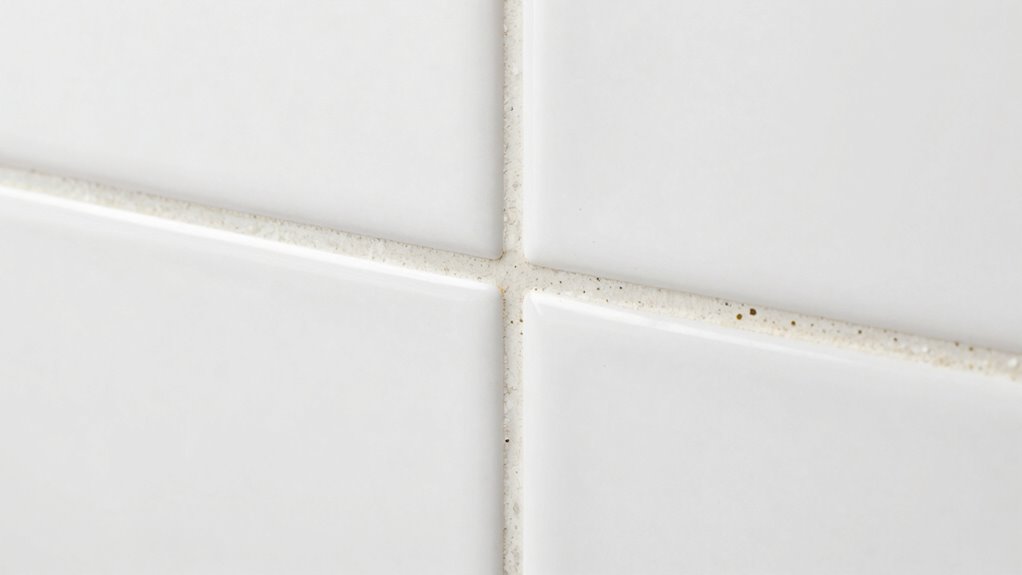

To clean grout without damaging it, use gentle, pH-balanced cleaners like baking soda, diluted vinegar, or enzyme solutions, along with soft brushes or microfiber cloths. Avoid harsh chemicals, abrasive scrubbers, or aggressive scrubbing, as these can erode the grout’s surface and weaken its structure. Regular sealing and proper maintenance help protect it over time. Keep in mind that choosing the right tools and techniques is key—learn more to keep your grout pristine and intact.

Get cleaning gear delivered free — and shop member deals
- Fast, free delivery on millions of items
- Access to Prime Big Deal Days deals on October 6–7
- Prime Video, Amazon Music and more included
Key Takeaways
- Use pH-neutral, mild cleaners like baking soda or diluted vinegar to clean grout safely without erosion.
- Opt for soft brushes or microfiber cloths instead of abrasive scrubbers to prevent surface damage.
- Avoid harsh chemicals such as bleach and strong acids that weaken grout’s structure over time.
- Seal grout regularly to create a protective barrier, reducing stain absorption and chemical penetration.
- Follow manufacturer instructions for sealants and cleaning products to ensure effective, damage-free maintenance.
Understanding Your Grout: Material Types and Vulnerabilities

Knowing the type of grout in your tiles is essential because different materials have unique vulnerabilities. For example, cement-based grout may absorb stains easily, requiring careful sealant application to protect it. Epoxy grout, on the other hand, resists stains better but can be more challenging to clean without damaging. To enhance durability and appearance, you might consider using grout colorants, which can refresh or change the color without removing existing grout. Understanding whether your grout is sealed or unsealed helps determine the best cleaning approach and prevents damage. Properly identifying your grout type allows you to choose the right cleaning techniques and products, preserving its integrity and appearance over time. Always check the manufacturer’s recommendations before applying sealant or grout colorants. Being aware of grout material vulnerabilities can help you select appropriate cleaning methods and prevent unintentional damage. Additionally, understanding the effects of improper cleaning techniques can further protect your grout from erosion or deterioration. Being informed about grout composition can also guide you in selecting suitable cleaning tools and solutions, as cleaning techniques vary depending on the grout type and material.
Gentle Cleaning Agents That Safely Remove Dirt and Stains
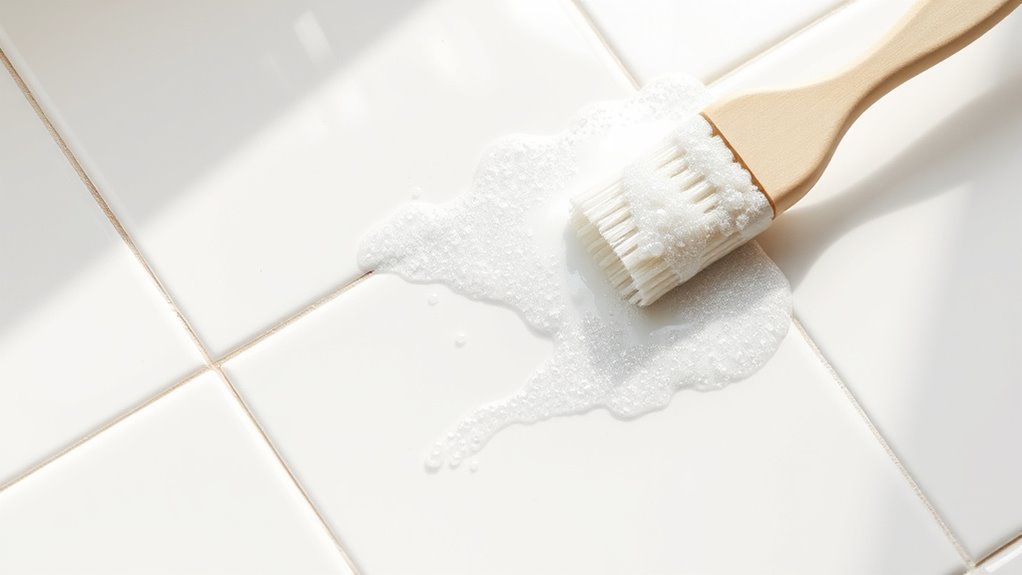
Using gentle cleaning agents is key to protecting your grout while effectively removing dirt and stains. Natural cleaners with mild ingredients and pH-balanced solutions work well without causing damage. Incorporating proper cleaning techniques can further ensure your grout remains durable and resilient over time. Additionally, selecting appropriate cleaning agents that are specifically formulated for tile surfaces helps prevent erosion and keeps your grout intact. Choosing cleaning products with a low abrasiveness level can also help prevent scratching or wearing down the grout surface.
Mild Natural Cleaners
Mild natural cleaners offer a safe and effective way to tackle dirt and stains on grout without harsh chemicals. Natural enzymes break down organic matter, making stains easier to remove, while baking soda acts as a gentle abrasive and deodorizer. These cleaners are perfect for sensitive environments or if you’re looking to avoid chemical residues. To use, mix a natural enzyme solution or sprinkle baking soda onto the grout, then scrub lightly with a brush. Using color accuracy principles can further enhance the appearance of cleaned grout by ensuring true and vibrant color restoration.
Ph-Balanced Solutions
Ph-balanced solutions provide a gentle yet effective way to clean grout without risking damage or discoloration. These pH balanced solutions maintain the natural acidity or alkalinity of your grout, ensuring safe cleaning while removing dirt and stains. They are designed for gentle cleaning, avoiding harsh chemicals that can erode grout’s surface or cause discoloration. Using pH balanced solutions helps preserve the integrity of the grout over time, preventing erosion and maintaining its appearance. They work by loosening dirt without stripping away protective sealants or damaging the material beneath. When selecting a cleaner, look for products explicitly labeled as pH balanced or suitable for delicate surfaces. This approach guarantees a thorough, safe clean that keeps your grout looking fresh without risking long-term damage.
Gentle Scrubbing Techniques
Gentle scrubbing techniques are essential for effectively removing dirt and stains from grout without causing damage. Use soft-bristled brushes or cloths to avoid scratching the surface. Apply a mild cleaning solution that promotes color enhancement, helping your grout look fresh and vibrant. Be careful not to use harsh chemicals that can erode the grout’s integrity. When scrubbing, focus on gentle, circular motions to lift dirt without abrasion. After cleaning, consider applying a sealant to protect the grout from future stains and maintain its appearance. Proper sealing also enhances the color, making it look brighter and cleaner longer. This careful approach assures your grout stays durable, clean, and visually appealing, all while preserving its integrity over time. Additionally, understanding the material composition of your grout can help you choose the safest cleaning methods to prevent erosion. Knowing the net worth of individuals involved in home improvement shows can also provide insight into their expertise and credibility in DIY projects.
Harsh Chemicals and Their Impact on Grout Integrity

Although harsh chemicals may seem effective for removing stubborn stains, they can markedly weaken grout over time. These chemicals cause unwanted chemical reactions within the grout’s structure, compromising its strength. They can also penetrate grout porosity, leading to increased vulnerability and deterioration. Overuse or prolonged exposure intensifies this damage, making grout more prone to cracking and crumbling. To protect your grout, avoid:
- Using bleach or strong acids frequently
- Relying on high-concentration cleaning agents
- Scrubbing with harsh abrasive pads after chemical application
- Ignoring manufacturer guidelines for chemical use
Understanding how these chemicals interact with your grout helps you preserve its structural integrity and longevity. Regular maintenance practices can also help prevent the buildup of stains and reduce the need for harsh chemicals. Additionally, choosing appropriate cleaning solutions that are safe for grout can prevent unnecessary damage and extend its lifespan. Being aware of chemical interactions is essential for maintaining your grout’s durability and avoiding costly repairs in the future.
The Do’s and Don’ts of Using Abrasive Tools on Grout

When cleaning grout, it’s best to stick with gentle alternatives instead of aggressive tools. Harsh scrubbing can damage the tiles and weaken the grout’s structure. Always avoid using abrasive tools that might cause more harm than good.
Gentle Alternatives Preferable
Using abrasive tools on grout might seem efficient, but it often causes more harm than good. Harsh scrubbing can erode the grout surface, leading to cracks and exposing it to chemical discoloration. Instead, opt for gentle cleaning methods to preserve your grout’s integrity and appearance.
Consider these alternatives:
- Use soft-bristled brushes or microfiber cloths for routine cleaning.
- Apply mild, pH-balanced cleaners designed for grout.
- Regularly reseal grout to prevent stains and chemical damage.
- Avoid scrubbing too aggressively, which damages the grout and reduces sealing effectiveness.
- Employ natural cleaning methods such as baking soda and vinegar for a chemical-free clean.
These gentle techniques help maintain your grout’s durability and appearance without risking erosion or discoloration. They’re safer and more effective for long-term grout health.
Avoid Harsh Scrubbing
Harsh scrubbing with abrasive tools can seem like an effective way to remove stubborn stains, but it often does more harm than good. Using abrasive scrubbing can erode grout’s surface, leading to permanent damage. Instead, avoid harsh chemicals that can weaken grout over time. Opt for gentle cleaning methods with soft brushes or non-abrasive pads. Employing proper navigation and mapping techniques ensures thorough cleaning without damaging delicate surfaces.
Effective Natural Solutions for Safe Grout Maintenance
Are you looking for safe, eco-friendly ways to keep your grout spotless? Natural solutions can be highly effective for stain removal and color matching without damaging your grout. You can try simple household ingredients that work gently yet effectively. For example:
Discover eco-friendly, natural methods to keep your grout clean and stain-free safely at home.
- Baking soda paste for stubborn stains and to restore color matching
- White vinegar diluted with water for disinfecting and deodorizing
- Lemon juice for natural bleaching and stain removal
- Tea tree oil mixed with water for antimicrobial cleaning
These solutions avoid harsh chemicals, making them safer for your family and the environment. Regular use helps maintain grout’s appearance, preventing deep stains from setting. Additionally, Gentle cleaning methods are crucial for preventing erosion and preserving the integrity of your grout over time. Proper cleaning techniques also help minimize wear and tear, extending the lifespan of your grout. Incorporating proper maintenance routines can improve the longevity and appearance of your grout and prevent erosion. Plus, implementing regular maintenance routines can help keep your grout looking fresh and clean longer. They’re budget-friendly and easy to prepare, giving you a safe way to keep your grout looking fresh and clean.
Techniques for Preventing Grout Damage During Cleaning
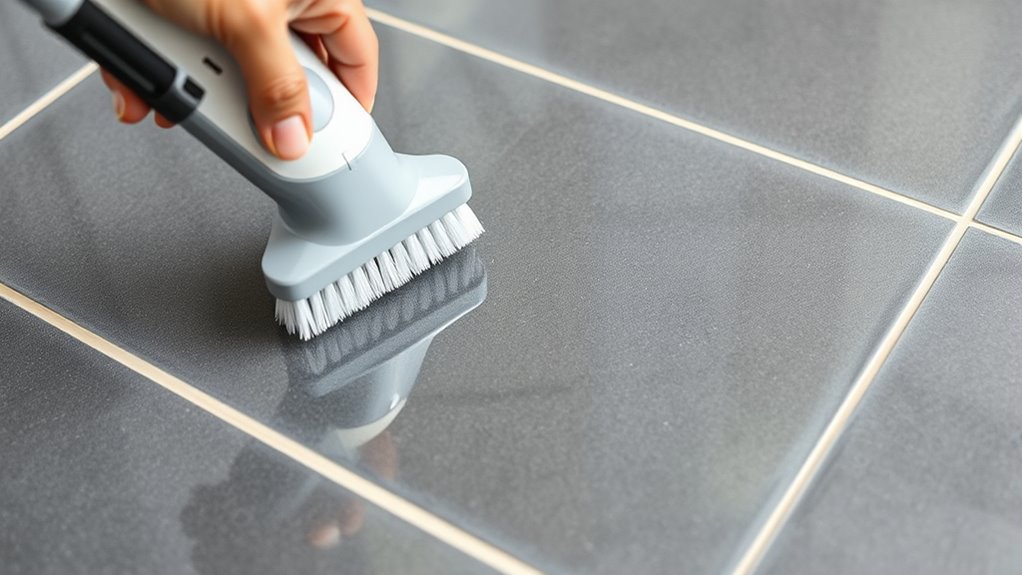
To prevent grout damage during cleaning, it’s essential to choose the right tools and techniques that protect the grout’s integrity. Use gentle brushes or soft cloths instead of abrasive scrubbers, and avoid harsh chemicals that can weaken the grout. Applying a sealant before cleaning can also create a protective barrier against moisture and stains, reducing the risk of erosion. Proper grout sealing techniques ensure the sealant penetrates deeply, providing long-lasting protection. When cleaning, stick to pH-neutral cleaners and avoid excessive scrubbing, which can loosen or chip the grout. Regularly reseal your grout as needed, especially after deep cleaning, to maintain its strength and prevent damage over time. Additionally, consulting ventilation considerations can help prevent moisture buildup that may compromise grout durability. These precautions help keep your grout intact and looking new.
Common Mistakes That Erode Grout Over Time
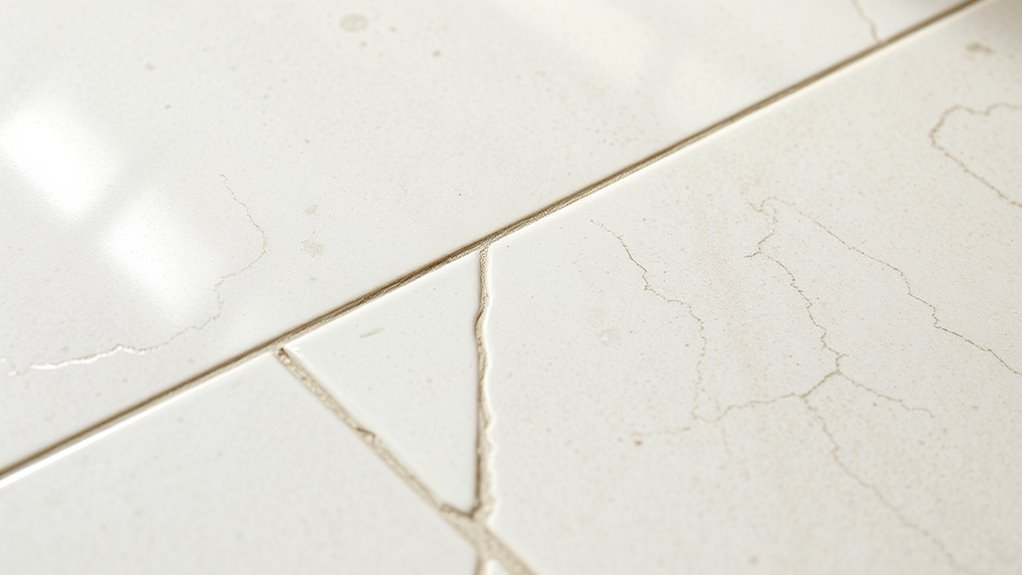
Over time, certain common mistakes can considerably erode the integrity of your grout, leading to cracks, discoloration, and looseness. One mistake is neglecting grout sealing, which leaves grout vulnerable to moisture and stains, accelerating deterioration. Using harsh cleaning agents can strip away protective layers, making stain prevention efforts ineffective. Overly aggressive scrubbing can damage grout surface, causing chips or gaps. Additionally, ignoring regular maintenance allows dirt and grime to embed deep, weakening grout’s structure. Incorporating smart cleaning tools, such as automated scrubbers or gentle steam cleaners, can help maintain grout integrity without causing damage. Regularly inspecting your grout and properly maintaining your cleaning equipment can also prevent unnecessary wear. To protect your grout, avoid these pitfalls:
- Skipping or improperly applying grout sealing
- Using acidic or abrasive cleaners
- Over-scrubbing or using harsh brushes
- Neglecting routine cleaning and inspections
Proper air purifier maintenance can help prevent the buildup of dirt and grime that can weaken grout over time.
Tips for Regular Maintenance to Extend Grout Lifespan

Regular maintenance is key to preserving your grout’s durability and appearance. One effective tip is to implement sealing strategies, which help prevent stains and damage caused by spills or moisture. Resealing your grout every couple of years keeps it protected and easier to clean. Additionally, consider grout color options when applying sealers; lighter shades may show less dirt, reducing the need for frequent cleaning. Regularly sweep or vacuum your surfaces to remove debris that can scratch or erode grout over time. Use gentle, pH-balanced cleaners instead of harsh chemicals to avoid damaging the grout’s surface. Consistent upkeep guarantees your grout stays vibrant and intact longer, saving you time and money on repairs. Proper sealing and choosing the right grout color are simple yet powerful ways to extend its lifespan.
Professional Cleaning Methods That Protect Your Grout

Professional cleaning methods offer an effective way to preserve your grout’s integrity without risking damage from harsh chemicals or abrasive tools. Skilled professionals use techniques like color matching to seamlessly blend new grout with existing lines, maintaining a uniform appearance. They also employ sealing techniques that protect grout from stains and moisture, extending its lifespan. These methods ensure thorough cleaning without eroding the grout’s surface.
Consider these key practices:
- Using gentle, pH-balanced cleaners suited for grout
- Applying professional-grade sealants carefully after cleaning
- Utilizing specialized tools that avoid scratching or etching
- Matching grout color to conceal stains or repairs seamlessly
Frequently Asked Questions
How Often Should I Professionally Clean My Grout to Prevent Damage?
You should schedule professional grout cleaning every 12 to 18 months to prevent damage. Incorporate seasonal maintenance and DIY cleaning routines to keep your grout in top shape. Regularly cleaning with gentle, grout-safe products helps avoid erosion. By staying consistent, you prevent dirt buildup and damage, ensuring your grout remains durable and attractive. Don’t wait too long—timely professional cleanings and routine DIY efforts protect your grout effectively.
Can Homemade Cleaning Solutions Cause Long-Term Grout Deterioration?
While DIY stains are tempting to tackle, homemade cleaning solutions can sometimes spark unintended chemical reactions that may gradually weaken grout over time. Using harsh or overly acidic mixtures may erode grout’s delicate structure, leading to long-term deterioration. To preserve your grout’s integrity, opt for gentle, pH-balanced cleaners and avoid overly aggressive ingredients, ensuring your efforts don’t inadvertently cause damage that’s difficult to repair later.
Are There Specific Cleaning Tools Best Suited for Delicate Grout?
To clean delicate grout effectively without damaging it, you should use suitable cleaning tools like soft-bristled brushes or non-abrasive sponges. Avoid using steel wool or harsh scrub brushes, as they can erode the grout. Gently scrub with these softer tools and a mild cleaning solution to remove dirt without risking long-term damage. Always test a small area first to verify your chosen tools won’t harm your delicate grout.
How Do Environmental Factors Influence Grout Erosion During Cleaning?
You might not realize it, but humidity effects can silently weaken grout during cleaning. High moisture levels accelerate chemical reactions, making grout more susceptible to erosion. Conversely, low humidity can cause cracking due to drying too quickly. Temperature fluctuations also play a role, creating stress on the grout. To protect your grout, control environmental factors and use gentle cleaning methods, preventing those unseen forces from causing lasting damage.
What Signs Indicate My Grout Is Being Damaged by Cleaning Methods?
If your grout shows signs of color fading or begins crumbling, it’s likely being damaged by your cleaning methods. You might notice the grout looks dull or weakens easily when touched or scrubbed too hard. These signs indicate that aggressive cleaning agents or excessive scrubbing are eroding the grout’s surface. To prevent further damage, switch to gentle cleaning techniques and avoid harsh chemicals that can accelerate deterioration.
Conclusion
By choosing gentle cleaning methods and avoiding harsh chemicals or abrasive tools, you can keep your grout looking fresh and intact longer. Regular maintenance and prompt stain removal prevent damage and extend its lifespan. Remember, isn’t it worth taking the extra step to protect your investment? With the right approach, you’ll enjoy a cleaner, more durable grout that enhances your space without risking erosion. So, why settle for shortcuts when proper care makes all the difference?
Fall Picks
fall essentials
As an affiliate, we earn on qualifying purchases.