Mixing household cleaners like bleach with ammonia or vinegar releases toxic fumes that can harm your respiratory system, cause eye irritation, or even lead to serious poisoning. Combining drain cleaners or different disinfectants can cause dangerous chemical reactions, producing hazardous gases or splattering corrosive liquids. Even simple mixes like vinegar and baking soda can create pressure or spills. To stay safe, avoid these dangerous combos and learn how to use cleaning products properly.
Key Takeaways
- Mixing bleach with ammonia or acids produces toxic chloramine and chlorine gases that can cause respiratory and eye irritation.
- Combining drain cleaners with other chemicals can release hazardous fumes, burns, or cause violent reactions.
- Avoid mixing disinfectants like bleach with vinegar, hydrogen peroxide, or quaternary ammonium products to prevent toxic gas formation.
- Always read labels, store chemicals separately, and ensure proper ventilation to reduce harmful fumes during cleaning.
- Use protective gear and open windows or use exhaust fans to minimize inhalation of dangerous fumes when cleaning.
The Dangers of Mixing Bleach and Ammonia
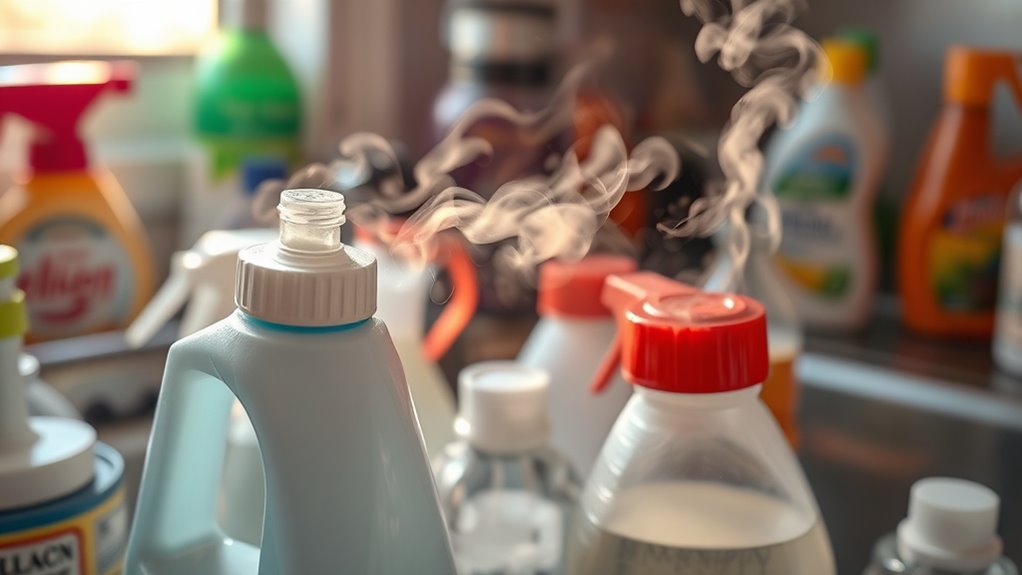
Mixing bleach and ammonia is extremely dangerous because it produces toxic chloramine vapors that can harm your respiratory system. These chemical reactions release hazardous gases that can cause coughing, shortness of breath, and chest pain. Inhaling chloramines can lead to serious health hazards, including lung damage and irritation of your eyes, nose, and throat. The fumes are colorless and can build up quickly, making it easy to underestimate the danger. When these chemicals combine, they create a volatile environment that puts your health at risk. Always avoid mixing bleach with ammonia or any other cleaning products containing ammonia. Understanding the chemical reactions involved helps you recognize why this mixture is so unsafe and why you should handle cleaning agents carefully. Additionally, the contrast ratio of the chemicals involved influences the severity of the fumes produced, emphasizing the importance of proper chemical handling and awareness. Improper mixing can also result in unexpected reactions, further increasing the risk of exposure to harmful substances. Being aware of the chemical properties of cleaning agents can aid in safer use and prevent accidental hazardous exposures. Furthermore, understanding the exothermic reactions that occur during chemical mixing can help prevent dangerous situations. Recognizing these chemical hazards is crucial for maintaining a safe environment during cleaning tasks.
Why Combining Drain Cleaners Can Be Risky
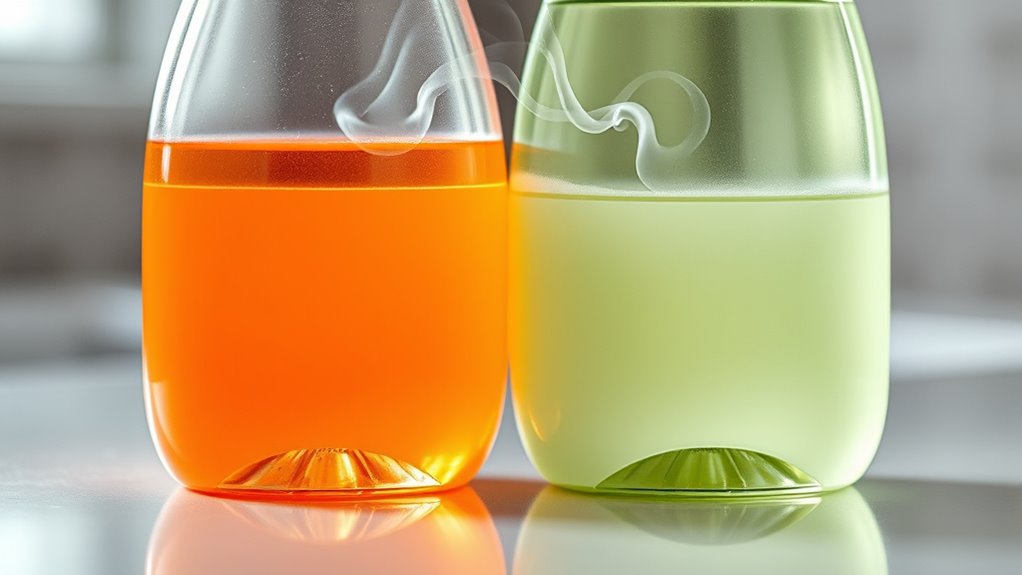
Combining different drain cleaners can create dangerous chemical reactions that pose serious health and safety risks. When these products mix, unexpected reactions release toxic fumes that can irritate your respiratory system or cause burns. To understand the danger, consider these points:
- Chemical reactions can produce heat, leading to pipe damage or spills.
- Toxic fumes like chlorine gas or sulfur compounds are released, risking inhalation.
- Mixing acids and bases can cause violent reactions, splattering corrosive liquids.
- Incompatibility between ingredients increases the chance of hazardous byproducts.
Always read labels carefully and avoid combining drain cleaners. The chemical reactions and toxic fumes resulting from improper mixing can have severe health consequences, making it *essential* to handle these substances with care.
The Risks of Using Multiple Disinfectants Simultaneously
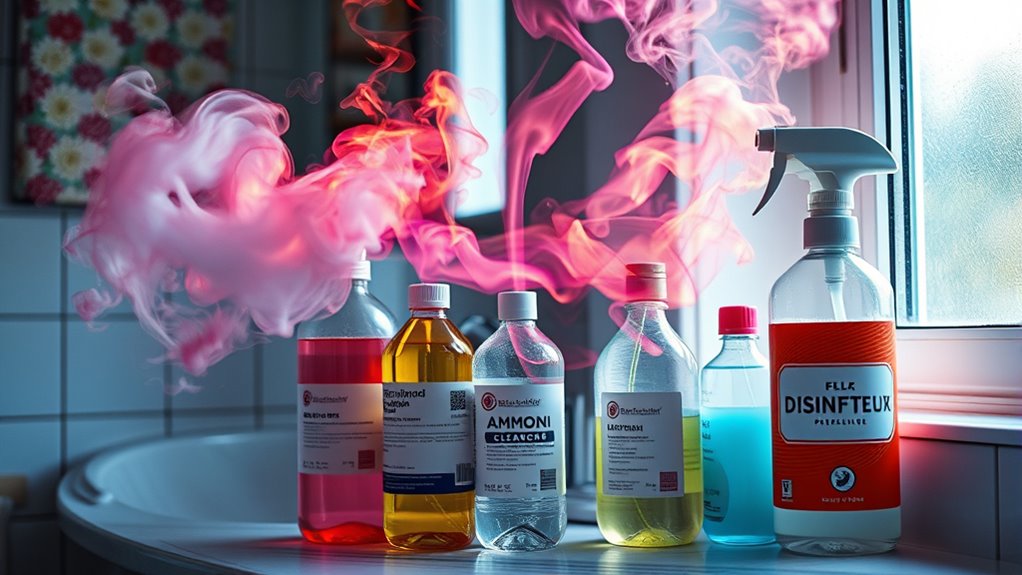
Using multiple disinfectants at the same time can substantially increase health risks if you’re not careful. Mixing cleaners may trigger dangerous chemical reactions that produce toxic fumes or skin irritants. These fumes pose serious fume hazards, especially in enclosed spaces. To understand potential dangers, consider this table:
| Disinfectant 1 | Disinfectant 2 | Possible Chemical Reaction |
|---|---|---|
| Bleach (sodium hypochlorite) | Ammonia | Chloramine gases, respiratory issues |
| Quaternary ammonium | Bleach | Toxic chlorinated compounds |
| Hydrogen peroxide | Vinegar | Peracetic acid formation |
| Alcohol-based | Bleach | Potential release of harmful vapors |
| Disinfectant A | Disinfectant B | Unpredictable reactions |
Always read labels and avoid combining disinfectants to prevent harmful chemical reactions and fume hazards. Proper chemical safety practices are essential when handling disinfectants to minimize health risks. Additionally, understanding chemical reactions can help prevent accidental hazardous exposures. Being aware of water chemistry principles can further aid in recognizing safe cleaning practices and avoiding dangerous mixtures. Remember, proper ventilation is crucial when disinfecting to disperse any fumes that might form.
Hazardous Reactions From Mixing Vinegar and Baking Soda
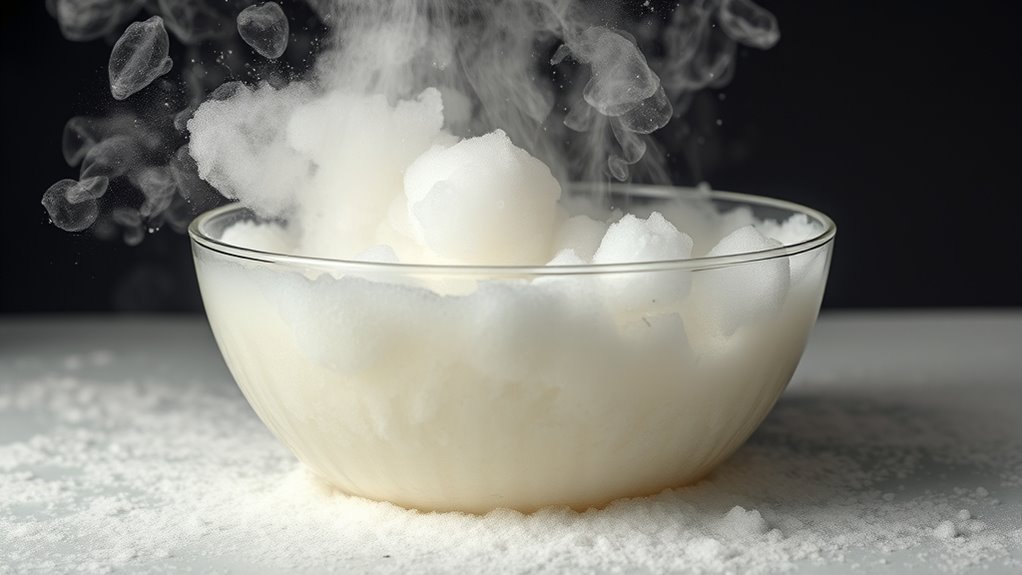
Although vinegar and baking soda are often considered a safe cleaning duo, their reaction can pose hazards if not handled properly. When mixed, they produce carbon dioxide gas that can cause pressure buildup and potential spills. To avoid accidents, always ensure safe storage by keeping these substances separately and clearly labeled. Chemical reaction safety is crucial when handling reactive substances to prevent unintended consequences. Astrological compatibility may also influence how people perceive the effectiveness of cleaning with these substances, but safety should always come first. Here are four key points to consider:
- Never combine vinegar and baking soda in a sealed container; pressure can cause explosions.
- Use open containers and work in well-ventilated spaces to prevent gas buildup.
- Store vinegar and baking soda apart, respecting their label importance to avoid accidental mixing.
- Keep children and pets away from mixtures or containers that could react unexpectedly.
Understanding Toxic Fumes From Acid and Chlorine Bleach Mixtures
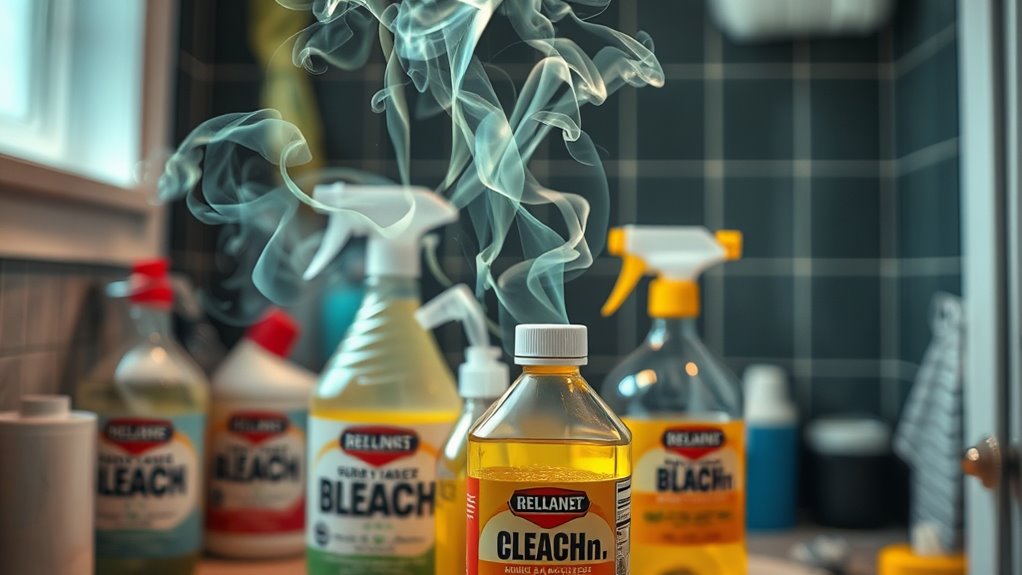
When you mix acid and chlorine bleach, toxic fumes can form quickly, putting your health at risk. These reactions produce chloramine vapors that irritate your respiratory system, and you might not even realize it at first. Understanding these dangers helps you avoid creating harmful gases that can seriously harm you. Proper safety precautions are essential when handling cleaning chemicals to prevent accidental dangerous reactions. Additionally, being aware of the chemical interactions involved can help you recognize potential hazards before mixing substances. Being informed about cleaning chemical safety can further help you prevent hazardous situations. Knowing the potential risks associated with chemical mixing underscores the importance of proper handling and awareness. For example, understanding the reaction processes involved can aid in preventing unintended chemical reactions during cleaning.
Produces Chloramine Vapors
Mixing acid-based cleaners with chlorine bleach can produce chloramine vapors, which pose serious health risks. These vapors are toxic gases that can cause respiratory issues, eye irritation, and other health problems. To understand this danger, consider these points:
- Chloramine vapors form when ammonia compounds in cleaners react with bleach’s chlorine.
- The fumes are colorless but have a strong, pungent odor that signals danger.
- Inhalation can lead to symptoms like coughing, shortness of breath, and chest pain.
- Always follow safety precautions, such as ventilating the area and avoiding mixing different cleaning products, to prevent exposure to these harmful vapors. Recognizing the risks helps you avoid health hazards caused by chloramine vapors. Proper ventilation is essential when handling cleaning agents to minimize the buildup of toxic fumes. Additionally, understanding chemical reactions involved in cleaning processes can help prevent accidental hazardous mixtures.
Causes Respiratory Irritation
Breathing in fumes from acid and chlorine bleach mixtures can cause immediate respiratory irritation. These fumes can inflame your airway, leading to discomfort and difficulty breathing. You might notice symptoms like a sore throat, chest tightness, or wheezing soon after exposure. The fumes can also act as cough triggers, making you cough repeatedly and disrupting your daily activities. Airway inflammation from these toxic gases can worsen existing respiratory conditions, such as asthma or bronchitis. Inhaling these fumes puts your respiratory system under stress, and repeated exposure increases the risk of long-term damage. It is crucial to recognize these dangers and avoid mixing cleaning agents that produce harmful fumes. Protect your airway and respiratory health by sticking to safe cleaning practices. Proper ventilation can help reduce the concentration of fumes and minimize health risks. Additionally, understanding chemical reactions involved in mixing cleaners can help prevent accidental hazardous exposures. Being aware of toxic gas formation is essential for maintaining a safe environment during cleaning tasks. Regularly reading labels on cleaning products is vital to identify potential hazards and avoid dangerous combinations. Moreover, staying informed about indoor air quality can help you identify other sources of pollutants and protect your respiratory health.
Generates Toxic Gas
Combining acid cleaners with chlorine bleach triggers a chemical reaction that produces highly toxic fumes. These fumes can cause severe respiratory issues, eye irritation, and even poisoning if inhaled. To prevent dangerous reactions, always practice safe storage and keep acids and bleach separated, clearly labeling containers for easy identification. Be aware of product labels to understand which chemicals shouldn’t mix. If you see an acid cleaner and bleach together, don’t open or use them. Instead, dispose of them properly and clean the area thoroughly. Maintaining label awareness helps you avoid accidental mixing that could generate toxic gases. Remember, even small amounts of these chemicals can produce hazardous fumes, so handling and storing them with caution is essential for your safety and health. Additionally, understanding proper chemical safety practices can significantly reduce the risk of accidental exposure and ensure a safer environment.
Common Cleaning Combinations That Should Be Avoided
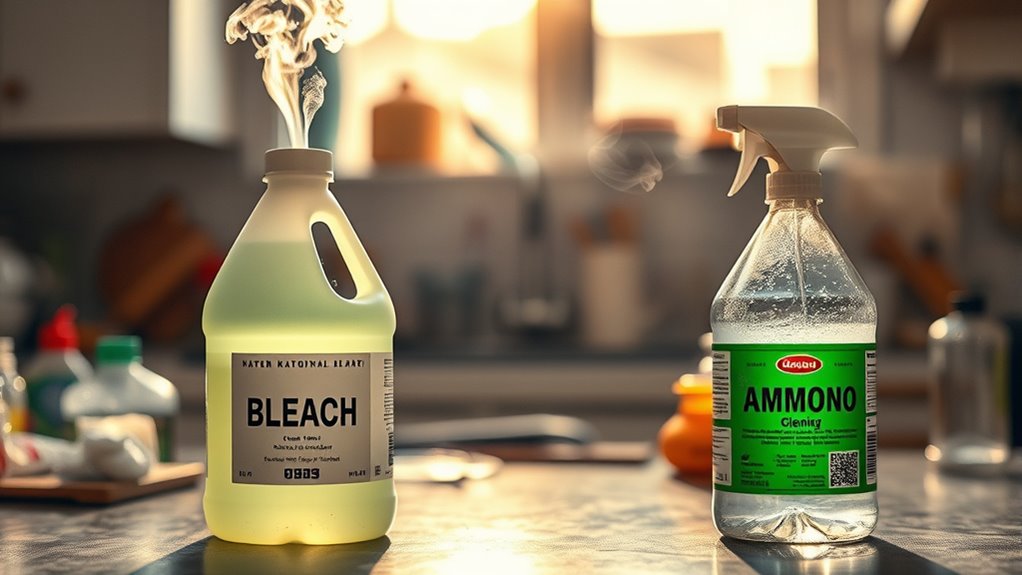
Many common cleaning combinations can be dangerous, so it’s important to know which ones to avoid. Mixing bleach with ammonia or vinegar creates toxic fumes that can harm your respiratory system. Combining different types of natural disinfectants, like tea tree oil and citrus-based cleaners, might seem eco-friendly but can produce unintended chemical reactions. Avoid mixing bleach with other cleaning agents, including eco friendly cleaners, as this can release dangerous gases. Never combine bleach with products containing acids or ammonia. Similarly, mixing different drain cleaners or mixing different types of disinfectants can lead to hazardous fumes. Even though natural disinfectants are generally safe, combining them with harsher chemicals can still be risky. Always read labels carefully and stick to one product at a time to keep your cleaning safe.
How to Safely Use Cleaning Products Without Creating Harmful Fumes

Always read labels carefully to understand how to use cleaning products safely. Make sure to ventilate the area well to disperse fumes and keep the air fresh. Wearing proper protective gear, like gloves and masks, adds an extra layer of safety during cleaning.
Read Labels Carefully
To use cleaning products safely and avoid harmful fumes, you need to read labels carefully. Proper label interpretation helps you understand the ingredients and warnings, preventing dangerous combinations. Always check for instructions on product compatibility to make sure you’re using cleaners correctly. Here are four key tips:
- Read ingredient lists to identify harmful chemicals.
- Follow usage instructions precisely.
- Look for warnings about mixing with other products.
- Check for ventilation or safety precautions.
Ventilate the Area
Reading labels carefully helps you identify potential hazards, but proper ventilation is key to ensuring a safe cleaning process. When using cleaning products, open windows and doors to allow fresh air to circulate, reducing the buildup of fumes. Turn on exhaust fans or use fans strategically to improve airflow and promote odor control. This helps to disperse harmful vapors quickly, preventing them from lingering and causing health issues. If you’re working in a small or enclosed space, consider using a portable air purifier with a carbon filter to further improve air quality. Adequate ventilation minimizes the risk of respiratory irritation and keeps the environment safer. Always prioritize fresh air flow to maintain a healthy, fumes-free cleaning experience.
Use Proper Protective Gear
Wearing the right protective gear is essential for staying safe while using cleaning products, especially to prevent harmful fumes from causing irritation or health issues. Proper safety precautions include donning equipment that shields you from airborne chemicals. Here are four key items to consider:
- Gloves to protect your skin from corrosive substances.
- Goggles to prevent fumes or splashes from reaching your eyes.
- Respirators or masks to filter out dangerous vapors and fumes.
- Long-sleeved clothing to minimize skin contact with chemicals.
Using protective gear reduces exposure and helps avoid respiratory or skin problems. Always check product labels for specific safety instructions, and ensure your gear fits properly for maximum effectiveness. Prioritizing safety precautions keeps your cleaning routine safe and effective.
Frequently Asked Questions
Can Mixing Cleaning Products Cause Long-Term Health Issues?
Mixing cleaning products can cause long-term health issues because chemical reactions release fumes that harm your respiratory health. Breathing in these toxic fumes repeatedly can lead to chronic respiratory problems, allergies, or even lung damage over time. You should always avoid combining cleaners, especially those with bleach or ammonia, to protect your lungs and overall health. Staying safe means understanding the risks and using cleaning products correctly.
Are Store-Bought “All-In-One” Cleaners Safer to Use Together?
You might think store-bought “all-in-one” cleaners are safe to use together, but don’t count your chickens before they hatch. Even with product labeling, chemical reactions can still occur if you mix them, potentially releasing dangerous fumes. Always read labels carefully, follow instructions, and avoid combining different cleaners. It’s better to play it safe than end up in a hazardous situation—better safe than sorry!
What Should I Do if I Accidentally Mix Dangerous Cleaners?
If you accidentally mix dangerous cleaners, immediately prioritize safety by ventilating the area and leaving if fumes are strong. Call emergency services for chemical exposure symptoms like difficulty breathing or dizziness. Do not attempt to neutralize or clean up the spill yourself unless trained. Follow emergency steps carefully, and keep the affected person away from fumes until professionals arrive. Your quick response can prevent serious health issues.
How Can I Tell if Fumes Are Toxic Before Entering a Room?
You can tell if fumes are toxic by doing a quick ventilation assessment first. Open windows and doors to air out the space, then check for strong odors—if you notice a harsh or unusual smell, it’s a sign of potentially toxic fumes. Use your sense of odor detection carefully, and if fumes persist or smell strange, avoid entering until the area is well-ventilated and safe.
Are There Natural Cleaning Alternatives That Avoid Harmful Fumes?
Imagine a gust of fresh air—natural cleaning alternatives do exist. You can opt for plant-based solutions like vinegar, baking soda, and lemon, which clean effectively without harmful fumes. Essential oils such as tea tree or eucalyptus add antimicrobial benefits and a pleasant scent. These options are safer for your indoor air quality, helping you avoid toxic fumes while keeping your home spotless with eco-friendly, natural ingredients.
Conclusion
Mixing cleaning products is like playing with fire—you might get burned by toxic fumes without even realizing it. Always keep your cleaning routine simple and stick to one product at a time. Think of each cleaner as a delicate instrument; when played together, they can create chaos instead of harmony. Stay safe, read labels carefully, and remember: a cautious hand keeps your home both clean and safe from hidden dangers.