
You might wonder why some cleaners seem to work well but still damage surfaces. It’s because their pH levels, whether acidic or alkaline, can break down stains but also harm materials over time. For example, acids dissolve mineral deposits but can corrode metals, while alkalis remove grease but may discolor surfaces. Knowing how pH affects cleaning effectiveness and surface safety can help you choose the right products—discover more tips to protect your surfaces.

Get cleaning gear delivered free — and shop member deals
- Fast, free delivery on millions of items
- Access to Prime Big Deal Days deals on October 6–7
- Prime Video, Amazon Music and more included
Key Takeaways
- Cleaners with inappropriate pH levels can effectively remove stains but may corrode or weaken surfaces over time.
- Highly alkaline or acidic cleaners often cause surface damage despite their cleaning power.
- Proper pH balancing ensures cleaning effectiveness without compromising material integrity.
- Surface compatibility depends on matching cleaner pH to the material’s resistance and chemistry.
- Prolonged exposure to extreme pH solutions can lead to long-term deterioration, even if initial cleaning appears successful.
Understanding the Ph Scale and Its Range

Have you ever wondered how scientists measure the acidity or alkalinity of a substance? It all comes down to the pH scale, which ranges from 0 to 14. A pH of 7 is neutral, like pure water, while values below 7 indicate acidity and above 7 indicate alkalinity. Proper pH calibration is vital to ensure accurate measurements, especially when testing cleaning formulations. Knowing where a cleaner falls on this scale helps you choose the right product for a specific surface or stain. The pH scale is a simple yet powerful tool that guides you in understanding how different substances will interact with surfaces. By mastering this range, you can better select cleaners that effectively work without causing damage. Environmental factors and Free Floating environments can influence the pH levels, impacting cleaning effectiveness and surface safety. Additionally, precise measurement techniques are essential for maintaining consistent and safe cleaning practices across various settings. Recognizing the importance of surface compatibility ensures you select cleaning agents that are both effective and surface-safe.
How Acidic and Alkaline Cleaners Interact With Surfaces

Understanding how acidic and alkaline cleaners interact with surfaces is essential for effective cleaning and surface preservation. Acidic cleaners, with a low pH, can dissolve mineral deposits and stains, but they may also etch or damage sensitive materials if used improperly. Alkaline cleaners, with a high pH, break down oils and organic grime effectively, yet they can also cause discoloration or deterioration if too strong. Using a pH indicator helps you determine whether a cleaner is acidic, neutral, or alkaline, guiding proper application. Neutral cleaning products, with a pH close to 7, are often gentler and safer for delicate surfaces. Choosing carrier oils can influence the overall safety and effectiveness of topical applications, especially when working with sensitive surfaces. Knowing how these cleaners interact ensures you choose the right product for each surface, preventing damage while achieving ideal cleanliness. Additionally, understanding surface compatibility helps prevent unintended corrosion or deterioration. Proper knowledge of water chemistry can further enhance your ability to select appropriate cleaning agents and protect your surfaces effectively.
The Impact of Ph on Cleaning Effectiveness

Your cleaning results depend on choosing the right pH level for the surface you’re working with. If the pH isn’t compatible, it could damage the material or reduce effectiveness. Knowing how pH balance affects cleaning helps you avoid costly mistakes and achieve better results. Additionally, understanding the types of air purifiers can help you select the most suitable device for your needs. Considering the wave and wind effects on outdoor cleaning tasks can also influence how cleaning agents perform in different environmental conditions. Recognizing the importance of scientific principles like pH stability ensures you select the right cleaning products for each surface. Being aware of cleaning product science can further enhance your ability to choose effective and safe cleaners.
Ph and Surface Compatibility
How does pH influence the compatibility between cleaning agents and different surfaces? Many pH misconceptions lead people to believe that any cleaner with the right pH will be safe for all surfaces, but that’s a cleaning myth. The effectiveness of a cleaner depends on matching its pH level to the surface you’re treating. Acidic cleaners work well on mineral deposits, while alkaline solutions are better for grease. Using the wrong pH can cause surface damage or leave residues. It’s not just about cleaning power; it’s about chemistry compatibility. Understanding pH’s role helps you choose the right cleaner for each surface, avoiding damage and ensuring thorough cleaning. Knowing the different environments where cleaning occurs can also influence the choice of pH level, as outdoor or natural settings may require more environmentally friendly options. Don’t fall for cleaning myths—know your pH and surface needs.
Ph Balance and Damage
The pH level of a cleaning solution directly impacts its effectiveness and the potential for surface damage. Improper pH calibration can cause cleaners to be too harsh or too weak, leading to ineffective dirt removal or surface harm. For example, high pH (alkaline) cleaners may strip finishes but leave behind stubborn cleaning residue that attracts more dirt. Conversely, low pH (acidic) solutions can etch or discolor certain surfaces if not properly balanced. Understanding pH balance helps you choose the right cleaner and prevent damage. Using the wrong pH level can also result in residual buildup, which compromises surface integrity over time. Always check the pH calibration of your cleaner to make certain it’s appropriate for the material you’re cleaning, minimizing damage and maximizing effectiveness. Proper ventilation considerations are also essential when using chemical cleaners to avoid harmful fumes and ensure safety. Additionally, selecting cleaners with appropriate pH levels can optimize cleaning efficiency while protecting delicate surfaces.
Risks of Using Highly Acidic or Alkaline Solutions

Using highly acidic or alkaline solutions can damage your surfaces if they aren’t compatible, leading to unexpected deterioration. These strong solutions also pose risks of corrosion and erosion, which can weaken materials over time. Without proper care, you might cause long-term damage that’s costly and difficult to repair. Proper understanding of pool chemistry can help prevent such issues. Being aware of surface compatibility is essential to choosing the right cleaning agents and avoiding unintended harm. Understanding material properties can further inform your cleaning choices and help maintain surface integrity over time.
Surface Material Compatibility
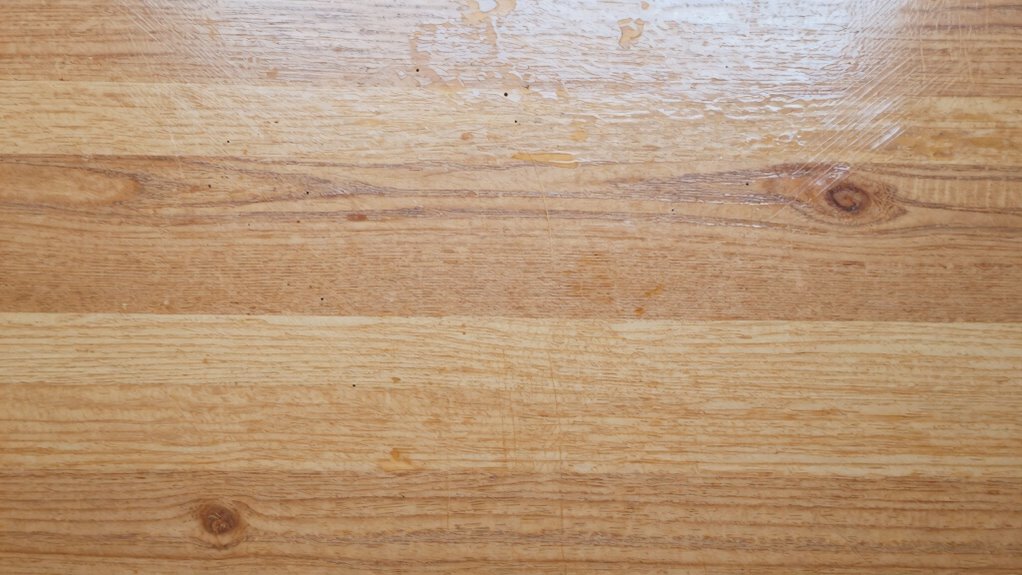
When highly acidic or alkaline solutions come into contact with certain surface materials, they can cause significant damage. Many people have pH misconceptions, believing that a cleaner’s pH level guarantees safety for all surfaces. In reality, cleaning misconceptions often lead to using harsh solutions on incompatible materials, risking etching, discoloration, or structural weakening. For example, acidic cleaners can damage marble or limestone, while alkaline solutions may harm wood finishes or delicate plastics. Always check the material compatibility before applying any cleaner, regardless of its pH. Just because a solution works to remove dirt doesn’t mean it’s safe for every surface. Understanding the specific needs of your surfaces helps prevent unintended damage caused by improper cleaning agents. Material sensitivity is a crucial factor that many overlook when selecting cleaning solutions. Additionally, understanding surface chemistry can help in choosing the right cleaning agents to maintain the integrity of different materials, especially as technological advances provide more specialized cleaning options. Being aware of pH effects on materials can further guide you in selecting appropriate cleaners to avoid surface deterioration. Recognizing the chemical interactions between cleaners and surfaces is essential for effective and safe cleaning practices.
Corrosion and Erosion Risks
Highly acidic or alkaline cleaning solutions can cause rapid corrosion and erosion of vulnerable surfaces, leading to structural weakening or failure. Many people hold pH misconceptions, believing that a strong pH guarantees better cleaning without harm. This cleaning myth can tempt you to use harsh solutions, but high or low pH levels often accelerate material degradation instead. For example, strong acids can corrode metals or etch glass, while strong alkalines may damage plastics or coatings. Using these solutions improperly increases the risk of surface erosion, compromising integrity over time. It’s essential to understand that pH alone doesn’t determine safety or effectiveness. Always consider the material’s resistance and follow manufacturer guidelines to avoid unintended damage caused by overly aggressive cleaning agents. Additionally, understanding the performance ratings of vacuum cleaners can help you choose models that clean effectively without causing surface damage.
Long-term Surface Damage
Prolonged exposure to highly acidic or alkaline cleaning solutions can cause significant long-term damage to surfaces, even if they appear unaffected initially. pH fluctuation over time weakens the material’s structure, making surfaces more vulnerable to cracks or deterioration. These solutions can leave behind cleaning residue that continues to react with the surface, gradually degrading its finish or integrity. Even if surfaces seem clean right after cleaning, the unseen chemical effects can accumulate, leading to discoloration, pitting, or loss of gloss. Over time, this damage becomes more severe, compromising surface durability and appearance. To prevent long-term harm, it’s vital to use pH-balanced cleaners and thoroughly rinse to remove residue, minimizing the risk of surface deterioration caused by pH fluctuation.
Identifying Safe and Effective Cleaning Products

Choosing safe and effective cleaning products starts with reading labels carefully. Look for products with clear ingredient lists and appropriate pH levels to prevent surface damage. Use pH testing kits when in doubt to verify if cleaning agents are too acidic or alkaline. This helps ensure you’re selecting products that are gentle yet effective. Remember, not all cleaners are created equal; some may contain harsh chemicals that harm surfaces over time. To identify safe options, consider these tips:
- Prioritize products labeled as pH-balanced
- Avoid cleaners with strong acids or alkalis
- Choose those with natural or plant-based ingredients
- Check for certifications from safety organizations
- Test new products on small, hidden areas first
Being diligent with these steps protects your surfaces while maintaining their cleanliness.
Tips for Protecting Surfaces While Achieving a Deep Clean

To safeguard your surfaces while deep cleaning, it’s essential to use techniques and tools that minimize damage. Start by selecting cleaning agents with a proper pH balance; cleaners that are too acidic or alkaline can harm delicate surfaces. Always read labels to ensure the product is suitable for your specific material. Use soft cloths or non-abrasive scrub brushes instead of harsh scrubbing tools. Test cleaners on small, hidden areas first to prevent unexpected damage. When applying cleaning agents, avoid leaving them on surfaces for too long, as prolonged exposure can weaken finishes. Rinsing thoroughly with clean water helps remove residue that could cause deterioration. By choosing appropriate cleaning agents and employing gentle methods, you can achieve a deep clean without compromising your surfaces’ integrity.
Frequently Asked Questions
Can Ph Levels Indicate the Long-Term Durability of a Surface?
Your pH level can hint at a surface’s long-term durability by showing its reaction to alkaline or acidic cleaners. Acidic indicators suggest a surface is vulnerable to damage from alkaline reactions, while neutral or slightly alkaline pH levels often mean better resistance. Regularly checking pH helps you choose suitable cleaners, minimizing long-term harm. So, understanding pH levels is key to maintaining surface integrity over time.
Do Natural Cleaners Have Ph Levels That Are Safer for Surfaces?
Natural cleaners usually have a gentle pH that’s closer to your surfaces’ own skin, making them safer and less likely to cause damage. Think of natural pH as a caring hand, guiding dirt away without scratching or corroding. This surface safety means your belongings stay pristine longer, preserving their beauty. So, if you want effective cleaning without the risk, natural pH cleaners are your friendly, surface-loving allies.
How Does Ph Affect the Removal of Stubborn Stains?
You’ll find that pH affects stubborn stain removal through alkaline reactions, which break down grease and grime effectively. However, if the cleaner is too alkaline or acidic, it can cause acid erosion or damage delicate surfaces. This means while it may remove stains well, it might also harm the surface over time. Always check the pH level to verify the cleaner is suited for your particular surface to prevent lasting damage.
Are There Specific Surface Types That Are More Vulnerable to Ph Damage?
Certain surfaces, like soft stone, satin-finish surfaces, and sensitive surfaces, are more vulnerable to pH damage. These types show pH sensitivity, meaning they react adversely to highly acidic or alkaline cleaners. You should choose cleaning products carefully, considering surface resilience. By avoiding extreme pH cleaners, you protect delicate finishes and extend surface lifespan, ensuring your cleaning efforts don’t cause more harm than good.
Can Ph-Neutral Cleaners Still Cause Surface Damage?
Yes, pH-neutral cleaners can still cause surface damage if their pH balance isn’t properly maintained or if used improperly. They might not be as corrosive as acidic or alkaline cleaners, but overuse or prolonged contact can lead to surface corrosion or degradation. Always check the manufacturer’s instructions and test on a small area first. Proper application guarantees you clean effectively without risking surface damage.
Conclusion
Now that you know the delicate dance of pH and surfaces, you can confidently choose cleaners that conquer grime without causing corrosion. By balancing brightness and safety, you prevent potential pitfalls while perfecting your cleaning prowess. Remember, a thoughtful, thorough approach transforms tedious tasks into a triumph of tidy, protected surfaces. So, stay savvy, select safely, and shine confidently—because proper pH puts you in control of a pristine, protected space.
Fall Picks
fall essentials
As an affiliate, we earn on qualifying purchases.