When you see haze and streaks after cleaning your tile floor, it’s often because residues from leftover soap, cleaning products, or mineral deposits from hard water aren’t fully rinsed away. Using worn-out tools, improper rinsing techniques, or poor drying methods can trap moisture and dirt, making your floor look dull and dirty. Ensuring proper rinsing, using clean tools, and controlling humidity can make a big difference—continue to explore how to achieve a streak-free shine.

Get cleaning gear delivered free with Prime
- Fast, free delivery on millions of items
- Prime Video, Amazon Music and more included
- Member-only deals all year
Key Takeaways
- Residual soap or cleaning solutions left on tiles can cause streaks and a cloudy haze.
- Using dirty mops or sponges spreads dirt and residues, leading to a dull appearance.
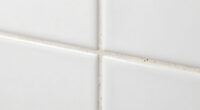
- Hard water mineral deposits trap in grout lines, creating haze and dullness after cleaning.
- Inadequate rinsing or infrequent water changes leave residues that cause streaks and haze.
- Poor drying techniques or high humidity trap moisture, resulting in water spots and hazy film.
The Impact of Hard Water on Tile Cleaning

Hard water can substantially hinder your tile cleaning efforts because it contains high levels of minerals like calcium and magnesium. When you clean with hard water, these minerals don’t dissolve completely; instead, they leave behind mineral deposits on your tiles. Over time, this buildup can create a cloudy haze, making your floors look dull and dirty even after scrubbing. The mineral deposits tend to stick to the surface and fill in grout lines, making it harder to achieve a streak-free shine. Using hard water regularly without proper treatment can worsen the haze and streaks, requiring stronger cleaning methods later. To maintain a clean, shiny surface, it’s essential to address hard water issues upfront and use appropriate water softening techniques or cleaning solutions. Additionally, choosing the right cleaning products designed to combat mineral buildup can significantly improve your results. Employing water softening methods can prevent mineral deposits from forming in the first place, and investing in a water filtration system can further enhance your cleaning routine, ensuring your floors stay clearer longer. Incorporating a water testing kit can help you monitor mineral levels and adjust your treatment methods accordingly. Regular maintenance and monitoring can also help prevent stubborn mineral deposits from accumulating over time.
Common Mistakes in Tile Mopping and Wiping

One common mistake in tile mopping and wiping is using a dirty or worn-out mop that spreads dirt and grime rather than removing it. This can cause streaks and haze, making your floor look dirtier after cleaning. Also, neglecting grout sealing allows dirt and moisture to seep in, increasing the risk of discoloration and mold growth. Instead, verify your mop is clean and in good condition, and change the water frequently. After cleaning, consider tile polishing to restore shine and smoothness, preventing dullness. Proper grout sealing also helps maintain a clean appearance longer. Avoid using harsh chemicals that leave residue, which can contribute to haze. Regularly inspecting your cleaning tools and techniques can help prevent cleaning mistakes and ensure your floors stay spotless. Additionally, maintaining good air quality in your home can prevent dust and allergens from settling on your tiles, making cleaning more effective. Improving ventilation systems can help reduce airborne dust, further supporting your cleaning efforts. Proper ventilation also reduces humidity that can lead to mold and mildew development on tiles.
Residue From Cleaning Products and How It Forms Haze

Residue from cleaning products can leave a cloudy film on your tiles, causing haze and streaks. This buildup often results from chemical residues that aren’t fully rinsed away or incompatible products used together. To keep your tiles clear, you need to understand proper rinsing techniques and choose compatible cleaning solutions. Additionally, selecting appropriate cleaning products and following manufacturer instructions can prevent residue buildup and maintain a streak-free finish. Using proper rinsing techniques ensures all residues are thoroughly removed, reducing the likelihood of haze formation. Being aware of cleaning product compatibility can also help prevent adverse reactions that contribute to residue buildup. Paying attention to residue removal methods is essential for long-term tile clarity and cleanliness. Incorporating filtering techniques can further protect your surfaces from unwanted deposits and ensure a spotless appearance.
Chemical Residue Build-up
Cleaning products often leave behind chemical residues that can build up over time on tiles. These residues from cleaning agents can create a hazy film that dulls your floor’s shine. To understand how this happens, consider these factors:
- Using harsh or incompatible cleaning agents that don’t fully rinse away.
- Relying on excessive amounts of cleaning solutions, which leave more residue.
- Skipping proper rinsing, allowing chemical residues to settle and accumulate.
- Not understanding the thermal behavior of tiles, which influences how residues adhere and are removed.
This buildup forms a haze that’s tough to remove and often mistaken for dirt. Over time, these chemical residues can become stubborn, making your tiles look dull and streaked. To prevent this, always opt for gentle cleaning agents, avoid overusing products, and ensure thorough rinsing after each cleaning session.
Improper Rinsing Techniques
When you skip thorough rinsing after using cleaning products, chemical residues can remain on your tiles and start to build up. Your rinsing techniques are essential; failing to rinse properly leaves behind soap scum and leftover cleaners that cause haze and streaks. Using water that’s too hot can set residues into the tile surface, making them harder to remove later. Conversely, water that’s too cold might not effectively wash away residues, leaving a film behind. For best results, use lukewarm water and rinse thoroughly, ensuring all cleaning agents are washed away. Pay attention to your rinsing technique by changing the water frequently and using a clean mop or cloth. Proper rinsing breaks down residues and prevents haze from forming, keeping your tiles looking spotless. Additionally, employing the correct safe operating procedures ensures you handle cleaning equipment properly, reducing the risk of streaks and haze formation.
Product Compatibility Issues
Product compatibility issues can lead to unwanted buildup on your tiles, resulting in haze and streaks. When your cleaning solution isn’t suitable for your tile type, residues can form that are difficult to remove. To avoid this, you need to carefully consider your cleaning solution selection based on your tile’s material. Here are key points to keep in mind:
- Using harsh chemicals on sensitive tiles like natural stone can cause film buildup.
- Mixing incompatible products, such as bleach and ammonia, creates residues that leave streaks.
- Not checking labels for recommended surfaces can result in product residue that haze the floor.
- Understanding material compatibility is essential to prevent damage and ensure effective cleaning. Being aware of cleaning product interactions can help you avoid accidental chemical reactions that leave residues.
Choosing the right cleaning solution ensures compatibility, preventing haze and streaks, and keeping your tiles looking pristine.
The Role of Improper Rinsing in Streak Formation

Improper rinsing is a common culprit behind tile streaks and haze, as leftover residue from cleaning solutions can settle on the surface. Your rinsing techniques directly impact how much residue remains after cleaning. If you don’t rinse thoroughly, residual soap or cleaning agents can dry unevenly, causing streaks. Water quality also plays a role; hard water minerals can leave deposits that look like streaks or haze. To avoid this, use clean, softened water for rinsing and ensure you remove all cleaning solution completely. Rinse in smaller sections, changing water frequently if needed. Proper rinsing breaks down soap and removes dirt, leaving your tiles shiny and streak-free. Additionally, adopting smart cleaning techniques can help optimize your rinsing process and maintain a spotless appearance. Using a cleaning tool that reaches into grout lines and corners ensures no residue is left behind. Skimping on rinsing or using poor water quality almost guarantees a hazy, streaky finish. Incorporating proper rinsing methods that emphasize thoroughness can significantly reduce streak formation and improve your cleaning results. Implementing water management techniques such as using filtered or softened water can further enhance rinsing effectiveness and prevent mineral deposits from causing haze.
How Temperature and Humidity Affect Drying and Finish

When the humidity is high, your tile takes longer to dry, increasing the risk of haze. Warm temperatures can help the finish cure faster but may also cause uneven results if not monitored. Excess moisture from poor ventilation can leave streaks and compromise the overall look of your tile.
Humidity Slows Drying
High humidity levels can considerably slow down the drying process of tiles, making it more difficult for finishes to set properly. When moisture lingers, you might notice streaks or haze lingering longer than expected. To avoid this, consider these tips:
- Adjust your cleaning schedule to allow more time for tiles to dry thoroughly before applying finishes or walking on them.
- Maintain your mop properly, ensuring it’s not overly wet, which can add excess moisture and prolong drying.
- Control indoor humidity with dehumidifiers or ventilation, especially in humid climates, to speed up drying and prevent streaks.
Temperature Impacts Finish
Temperature plays a crucial role in how quickly and smoothly tile finishes dry. When the environment is too hot or cold, it can affect the pH balance of your cleaning products, leading to uneven drying and potential haze. Cooler temperatures slow down evaporation, causing streaks and streaky surface texture. Conversely, high temperatures can cause finishes to dry too fast, trapping moisture and creating a dull or hazy appearance. Maintaining a consistent, moderate temperature helps guarantee the finish cures evenly, reducing streaks and haze. Proper temperature control also supports a balanced pH level, preventing damage to the tile surface and ensuring a smooth, professional-looking finish. Pay attention to ambient conditions to achieve the best drying results and a pristine, streak-free surface.
Excess Moisture Causes Haze
Excess moisture during tile finishing can lead to haze and streaks, especially if humidity levels are high or drying conditions are uneven. When moisture lingers, soap residue and water spots become trapped under the finish, creating a cloudy appearance. High humidity slows down evaporation, increasing the risk of haze. Uneven drying can cause streaks and cloudy patches that look dirty. To prevent this, consider these factors:
- Inadequate ventilation prolongs moisture presence, leading to haze.
- Using too much water during cleaning leaves soap residue, which can cause streaks.
- Rapid drying in low humidity environments might trap moisture, resulting in water spots.
Controlling temperature and humidity helps guarantee even drying, reducing haze and streaks on your tile floor.
Using the Wrong Cleaning Solutions for Your Tile Type

Using the wrong cleaning solutions can do more harm than good to your tile surfaces. Certain chemicals, like acidic or abrasive cleaners, may damage delicate tiles or grout, leading to dullness or discoloration. Instead, consider alternative cleaning methods, such as gentle scrubbing or steam cleaning, to preserve your tile’s integrity. Natural cleaning solutions, like a mix of vinegar and water or baking soda paste, suit many tile types and reduce chemical buildup. Always identify your tile material first to choose the correct solution, preventing streaks, haze, or surface damage. Using inappropriate cleaners can leave residues that attract dirt or cause streaks after cleaning. When in doubt, stick to natural cleaning solutions or consult manufacturer recommendations to ensure your tiles stay spotless and undamaged.
Effects of Dirty or Worn-Out Mops and Sponges

- A dirty mop releases trapped dirt, leading to streaks.
- Worn-out sponges lose their ability to lift grime effectively.
- Neglecting maintenance accelerates the deterioration of cleaning tools.
Keeping your tools clean and in good condition guarantees your tile floors stay spotless, not streaky.
The Importance of Proper Drying Techniques

Proper drying techniques are essential to prevent tile haze and streaks after cleaning. You want to guarantee water and cleaning residue are thoroughly evaporated, which minimizes streak formation. Using effective drying techniques involves promoting good air circulation in the room. Open windows, turn on fans, or use a squeegee to speed up the drying process. These methods help remove excess moisture quickly, reducing the chance of haze settling on your tiles. Avoid leaving puddles or water spots, as they can lead to streaks once dried. Keep in mind that proper air circulation not only speeds up drying but also helps disperse any residual cleaning solutions. By paying attention to drying techniques, you’ll achieve a cleaner, streak-free finish and maintain the natural shine of your tiles.
Tips for Achieving a Streak-Free, Sparkling Finish

Achieving a streak-free, sparkling finish on your tiles requires attention to detail and the right techniques. Start by using a clean, microfiber cloth for wiping to prevent streaks. Incorporate these tips for best results:
- Apply grout sealing regularly to prevent dirt buildup that can cause haze and streaks.
- Use tile polishing products designed for your surface to enhance shine without residue.
- Dry tiles thoroughly with a squeegee or dry cloth to avoid water spots and streaks.
Avoid harsh chemicals and excessive moisture, which can leave residue. Always rinse your mop or cloth frequently during cleaning. With consistent care, your tiles will look gleaming and streak-free, showcasing their natural beauty.
Frequently Asked Questions
Can Hard Water Stains Be Completely Removed From Tile Surfaces?
Yes, hard water stains can be completely removed from tile surfaces. You should target mineral deposits with effective cleaning solutions like vinegar or specialized tile cleaners. Apply the solution, let it sit for a few minutes, then scrub gently. For stubborn stains, repeat the process or use a soft brush. Regular cleaning prevents mineral buildup, keeping your tiles looking clean and shiny without residual stains.
How Often Should I Replace My Cleaning Tools for Optimal Results?
You should ideally replace your cleaning tools every three to six months, depending on usage and wear. Adopting a consistent tool replacement schedule guarantees peak cleaning results and prevents the buildup of dirt and bacteria. While some may argue that cost is a concern, maintaining fresh tools enhances cleaning frequency and keeps your floors looking their best. Regularly updating your tools is a small investment with significant long-term benefits.
Are There Natural Alternatives to Chemical Cleaning Products for Tiles?
Yes, you can use plant-based cleaners and homemade solutions as natural alternatives for cleaning tiles. Mixing white vinegar with water creates an effective, chemical-free cleaner that cuts through grime without residue. Baking soda paste also works wonders for stubborn stains. These options are eco-friendly, safe for your family, and cost-effective, providing a healthy way to keep your tiles spotless without relying on harsh chemicals.
Does the Type of Tile Affect the Cleaning Method and Outcome?
Hold on, this isn’t the time for a medieval scroll! Your tile type definitely impacts your cleaning method and results. Porcelain tends to be more durable and easier to clean, while ceramic may require gentler techniques. Textured tiles hide dirt better but need more scrubbing, whereas smooth tiles are easier to wipe clean. You should choose cleaning products based on whether your tiles are porcelain or ceramic, textured or smooth, for the best outcome.
What Are the Best Practices for Maintaining a Streak-Free Tile Floor?
To keep your tile floor streak-free, use a proper mop technique by avoiding excess water and rinsing your mop often. Clean your floor regularly to prevent buildup, ideally at least once a week, depending on foot traffic. Always dry the tiles thoroughly after mopping to prevent haze and streaks. Using a microfiber cloth or squeegee can also help achieve a spotless, shiny finish every time you clean.
Conclusion
Sometimes, despite your best efforts, your tile floor still looks dull and hazy. It’s funny how a simple mistake or overlooked detail—like using the wrong cleaner or rushing the rinse—can leave streaks behind. But with a little attention to water quality, proper rinsing, and drying techniques, you can achieve that sparkling, streak-free finish you’re after. Turns out, paying close attention to these small details makes all the difference—who would’ve thought?
Halloween Picks
halloween
As an affiliate, we earn on qualifying purchases.