
To keep your terrazzo floors looking stunning, gentle cleaning is key to avoiding etching. Start with a soft dust mop or vacuum to remove dirt, then damp mop using a neutral pH cleaner diluted in warm water. Steer clear of ammonia or acidic cleaners that can damage the surface. Remember to address spills quickly and seal your floors every couple of years for added protection. Continue exploring to uncover even more tips for maintaining your terrazzo’s beauty.
Key Takeaways
- Use a neutral pH cleaner diluted in warm water to avoid etching on terrazzo surfaces.
- Regularly dust mop or vacuum to remove dirt and grit, preventing scratches.
- Employ soft cleaning tools like microfiber mops and gentle brushes for maintenance.
- Address spills immediately and let stubborn stains sit with cleaner before wiping.
- Seal terrazzo floors every 1-2 years to enhance protection and durability.

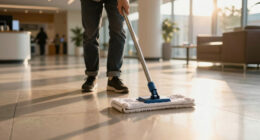
Terrazzo floors are not just a stylish choice; they’re also durable and low-maintenance, making them perfect for both homes and commercial spaces. To keep your terrazzo looking its best, you’ll want to adopt a gentle cleaning approach to avoid damaging the surface. Daily maintenance is key. Dust mop or vacuum the floors every day to remove dirt, sand, and grit that can scratch the surface. Using a microfiber dust mop is especially effective because it traps more soil compared to traditional dust mops. Just remember not to lift or shake the mop off the floor, as this can release airborne dust.
Terrazzo floors blend style and durability, requiring gentle daily maintenance to preserve their beauty and prevent scratches.
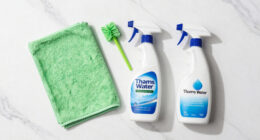
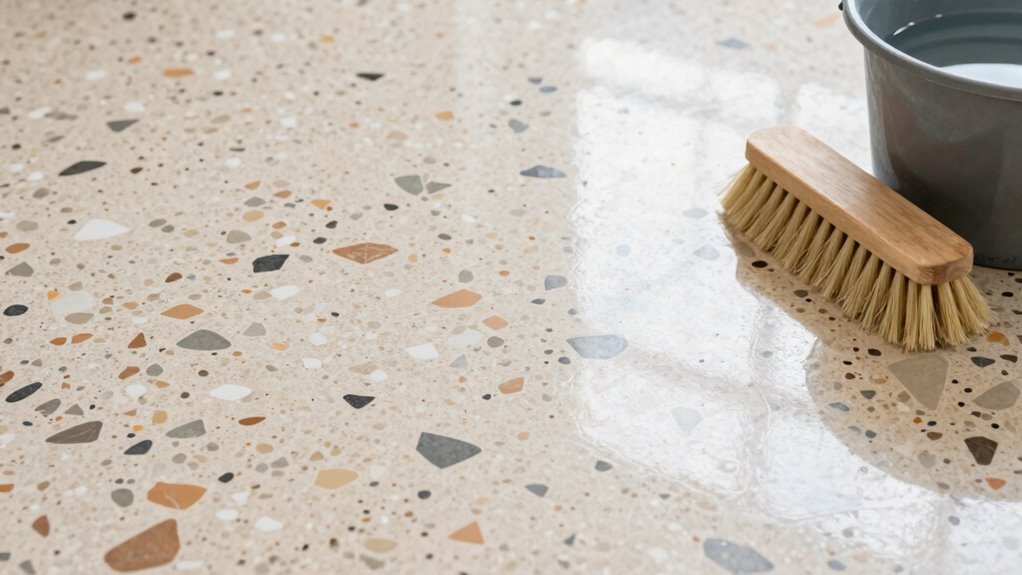
When it comes to cleaning, start with a gentle sweep, then damp mop using a neutral pH cleaner diluted in warm water. Avoid any ammonia-based or acidic cleaners; these can etch the terrazzo and dull its shine. A gentle touch is important, so use soft brushes or pads instead of abrasive scouring tools. If you encounter stubborn stains, apply your neutral pH cleaner and let it sit for a brief period to loosen the grime before wiping it away. Proper training for staff on safe cleaning product selection is essential to maintain the integrity of your terrazzo floors, as cleaning appliances can play a significant role in achieving the best results.
For weekly maintenance, aim to damp mop your terrazzo floors, using a diluted cleaning solution designed specifically for hard surfaces. An auto scrubber can help ensure thorough cleaning, but always rinse and dry the floor afterward to prevent any residue from forming. If you notice scuff marks, a floor machine with a white or bubblegum buffing pad can help restore the surface’s appearance. Just remember to train anyone involved in the cleaning process to use neutral pH products to prevent damage.
Regularly check for spills and clean them promptly, as terrazzo can stain if liquids are allowed to sit. Sealing your floors every 1-2 years will also help protect against stains and extend their life. Use a penetrating sealer for better results, and avoid over-waxing, as this can trap dirt and create a slippery surface.
Finally, if your floors need more than just routine care, consider professional restoration. Techniques like grinding, honing, and polishing can breathe new life into even the oldest terrazzo. By following these gentle cleaning steps, you’ll ensure your terrazzo floors maintain their beauty and durability for years to come. With proper care, your terrazzo will not only last a lifetime but also keep its aesthetic value intact.

USANOOKS Microfiber Cleaning Cloth Grey - 12 Pcs (12.5"x12.5") - High Performance - 1200 Washes, Ultra Absorbent Microfiber Towel Weave Grime & Liquid for Streak-Free Mirror Shine - Car Washing Cloth
10x GRIP-ROOT WEAVE - TRAP MORE, WORK LESS: Ultra-absorbent microfiber towels for car Grip Root weave works like...
As an affiliate, we earn on qualifying purchases.
Frequently Asked Questions
Can I Use Essential Oils for Cleaning Terrazzo Floors?
You shouldn’t use essential oils for cleaning terrazzo floors. While they might smell nice, they can leave residues that attract dirt and dull the surface over time. Instead, opt for pH-neutral, biodegradable cleaners specifically designed for natural stone. Stick to gentle cleaning methods like sweeping and mopping with a microfiber mop to maintain your floor’s shine and integrity. Keeping your terrazzo clean will help prevent wear and keep it looking great for years.
How Often Should I Deep Clean My Terrazzo Floors?
You should deep clean your terrazzo floors every 6 to 12 months, depending on foot traffic and exposure to dirt. Start by vacuuming or sweeping to remove debris, then mop with a pH-neutral cleaner. Pay extra attention to sticky spots. Always rinse thoroughly to avoid residue. If your floors start looking dull or stained, consider deep cleaning sooner. Regular maintenance will keep them looking great and protect their integrity.
Is It Safe to Use a Steam Mop on Terrazzo?
Would you risk your floor’s beauty for a quick fix? It’s not safe to use a steam mop on terrazzo. The heat and moisture can weaken the surface and may lead to etching. Instead, stick to gentle cleaning methods with pH-neutral solutions and microfiber mops. By doing so, you’ll preserve your terrazzo’s integrity and shine, ensuring it remains stunning for years to come. Remember, a little care goes a long way!
Can I Mix Different Cleaning Products for Terrazzo?
You shouldn’t mix different cleaning products for terrazzo. Combining them can lead to unexpected reactions that may damage the surface or leave behind harmful residues. Stick to a single, pH-neutral cleaner specifically designed for terrazzo. Always test any new product in a small area first. Regular gentle cleaning with the right solutions keeps your floor looking great without risking etching or dullness. Consistency is key for maintaining its beauty and integrity.
What Should I Do if My Terrazzo Floor Develops Scratches?
If your terrazzo floor develops scratches, start by cleaning the area with a pH-neutral cleaner and a microfiber mop to remove dirt. Next, buff the scratched area gently with a polishing powder and a soft pad. If scratches persist, consider using a terrazzo-specific repair kit or consult a professional for deeper restoration. Regular maintenance will also help prevent further scratches, so keep up with your cleaning routine to maintain that beautiful finish.

Amazon Basics Microfiber Cleaning Cloths, Ultra Absorbent, Lint Free, Streak Free, Non-Abrasive, Reusable and Washable, 16" x 12", Blue/White/Yellow, Pack of 24
Microfiber 16 x 12-inch cleaning cloth (24-pack); ideal for cleaning cars, trucks, boats, and more
As an affiliate, we earn on qualifying purchases.
Conclusion
Just like tending to a delicate garden, caring for your terrazzo floors requires a gentle touch. By choosing the right cleaning methods, you nurture their beauty and longevity without causing harm. Imagine each cleaning routine as a soft rain, revitalizing the surface while avoiding the harshness of a storm. With patience and care, your floors will continue to shine like the vibrant blooms in spring, reflecting the love you’ve put into maintaining their grace.

10 Pack Microfiber Cleaning Cloths, Large 30" x 16" Absorbent Streak Free Lint Free Washable Reusable Towels for Floor Mop, Kitchen, Car, Windows, Glass, Stainless Steel, Multi-Purpose Rags, Blue
EXTRA LARGE SIZE: Each microfiber cleaning cloth measures a generous 30" x 16", providing more coverage for faster,...
As an affiliate, we earn on qualifying purchases.
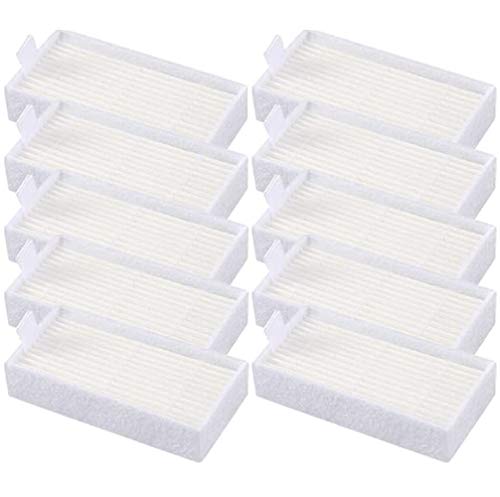
10pcs HEPA Filters Replacement for ILIFE V3s V3s pro V5 V5s V5s Pro V5s Pro 2 V5s Plus Noisz S5 Robotic Vacuum Cleaner ILIFE V3s pro Filters ILIFE Robot Vacuum Filter
Hepa filters for Ilife Vacuum model V3, V3s V3s pro V5 V5s V5s Pro Vacuum Cleaning Robot. Ilife...
As an affiliate, we earn on qualifying purchases.