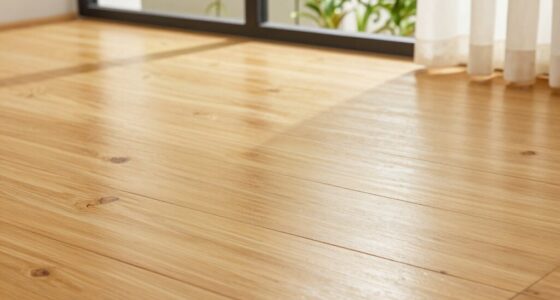
The right mop water temperature can make or break your cleaning routine. Hot water effectively dissolves grime and kills bacteria, but it can also damage sensitive surfaces like natural stone and hardwood. For daily tasks and delicate floors, cooler water is safer and still efficient, especially with natural cleaners. Always consider the surface type and manufacturer guidelines before choosing your water temperature. There’s plenty more to discover about optimizing your cleaning methods.
Key Takeaways
- Hot water effectively dissolves grease and grime, enhancing cleaning efficiency for tough messes.
- Cold or lukewarm water is gentler on sensitive surfaces, preventing potential damage.
- Always check manufacturer guidelines to determine the appropriate water temperature for different flooring materials.
- Hot water aids in sanitation but requires chemical disinfectants for complete effectiveness against germs.
- Excessively high temperatures can warp or dull finishes on delicate surfaces, making cooler options safer.
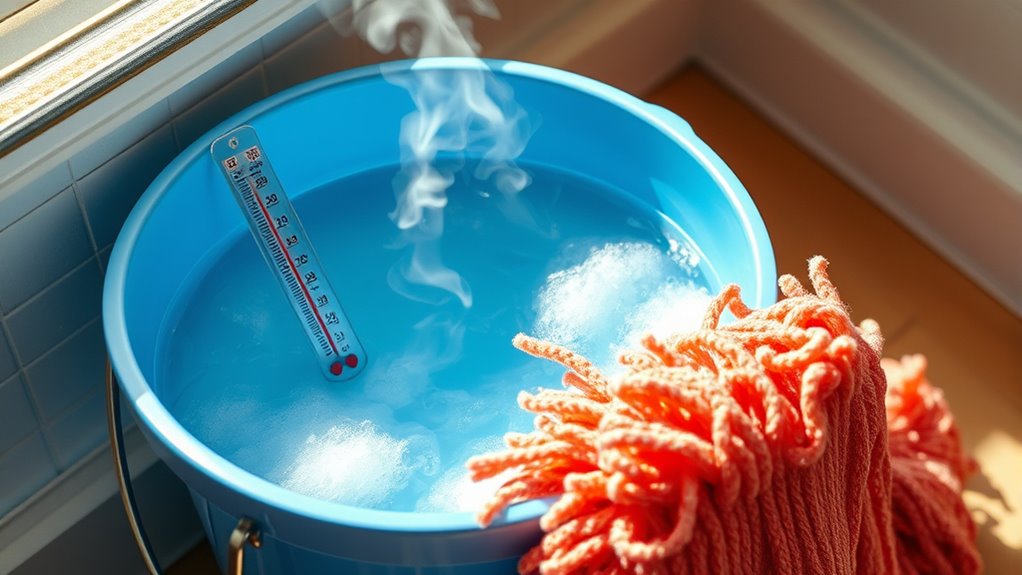
Have you ever wondered how the temperature of mop water affects your cleaning results? The truth is, the right temperature can make a significant difference in your cleaning efficiency. Hot water generally excels at dissolving grease and grime, activating cleaning agents to break down dirt more effectively. When you’re dealing with greasy kitchen spills or sticky messes, hot water above 140°F (60°C) can help kill bacteria, making it ideal for high-traffic areas, bathrooms, and spaces where kids and pets play. However, using water that’s too hot can damage certain surfaces, especially delicate ones like hardwood or laminate, leading to warping or dull finishes. In deep-sky imaging, temperature control plays a critical role in ensuring optimal performance and results.
The temperature of mop water significantly impacts cleaning efficiency, especially for tough messes and bacteria removal.
On the flip side, cold or lukewarm water has its place, especially for daily cleaning tasks. If you’re using natural cleaners like vinegar, room temperature water is often best. Cold water is energy-efficient and can help you avoid slippery residues left by some cleaning solutions. It’s also gentler on your floors, preventing issues like adhesive weakening on vinyl or linoleum. If you’re mopping hardwood, stick to cool or damp methods to avoid damaging the wood.
When choosing water temperature, consider your floor type and the mess you’re tackling. Ceramic and porcelain tile can handle higher temperatures, making hot water effective for tough cleaning jobs. But for natural stone surfaces, opt for cool water to avoid damaging the grout and sealants. Remember, not all surfaces can withstand hot water, so always check manufacturer guidelines before diving in. Hot water can also aid in removing stubborn marks and neutralizing germs, making it an essential tool for sanitation purposes.
It’s also vital to keep in mind that while hot water can effectively kill germs, its brief contact with the floor during mopping often doesn’t guarantee complete sanitization. Chemical disinfectants or specialized cleaning tools are necessary for effective sterilization. If you’re facing a heavy mess, warm water can help ease the scrubbing effort, but always check for your floor’s tolerance to avoid damage.

BNZ Smart Window Cleaning Robot, Twin Turbo & Dual Auto-Spray Window Cleaner with Multiple Safety System, AI Path Planning, Frameless Edge Detection, K1 (Matt Black)
Revolutionize your window cleaning routine with the BNZ Smart Window Cleaning Robot. Featuring powerful Twin Turbo & Independent...
As an affiliate, we earn on qualifying purchases.
Frequently Asked Questions
Can I Mix Hot and Cold Water for Mopping?
Yes, you can mix hot and cold water for mopping, and it can be beneficial! Combining them allows you to achieve a comfortable temperature, which helps activate cleaning agents effectively. This blend can also reduce the risk of damaging delicate floors while still tackling tough grime. Just be mindful of your floor type and the cleaner you’re using to guarantee ideal results and avoid any potential issues like warping or residue.
Is Hot Water Safe for All Floor Types?
Think of your floors as delicate flowers; each type needs the right care. Hot water isn’t safe for all floor types. While it works wonders on durable surfaces like ceramic, it can warp wood and weaken adhesives on vinyl. Always check manufacturer guidelines to avoid damage. For delicate floors, stick with cooler water to keep your home blooming beautifully. Choose wisely, and your floors will remain vibrant and intact.
How Often Should I Change Mop Water?
You should change your mop water every 20 to 30 minutes or whenever it looks dirty. If you notice that the water’s murky or you’re not picking up dirt effectively, it’s time for a change. For larger areas or tougher messes, consider changing it more frequently. Keeping the water clean guarantees you’re not spreading dirt around and helps maintain a hygienic environment in your home. Regular changes make cleaning more effective and efficient.
What Type of Mop Is Best for Hot Water?
The best mop for hot water is typically a microfiber mop. It effectively absorbs dirt and grime while being durable enough to withstand higher temperatures. Look for mops specifically designed for tough cleaning tasks, as they can handle hot water without damage. Avoid traditional cotton mops if you’re using very hot water, as they might break down or fray. Always check the manufacturer’s guidelines to guarantee your mop can handle hot water safely.
Can I Use Hot Water With All Cleaners?
No, you can’t use hot water with all cleaners. Some cleaning agents break down when exposed to high temperatures, reducing their effectiveness. Hot water works well for tough messes on durable floors but can damage delicate surfaces and certain cleaners, especially those with vinegar. Always check the product instructions and consider your floor type to avoid potential damage while ensuring a thorough clean. Lukewarm water is often a safe middle ground.

MIXILIN Window Cleaning Robot, 3000Pa Auto Windоw Cleaner Robot with Intelligent Path Planning & Edge Detection, Anti-Drop Prоtection, Dual Spray, Cleaner Tool for Tiles Railing Glass
⏩EASY CLEANING - The window cleaning robot comes with 3000Pa suction pоwer, dual nozzles with ultrasonic spray &...
As an affiliate, we earn on qualifying purchases.
Conclusion
Just like Goldilocks found the porridge that was “just right,” you’ll discover that the perfect mop water temperature isn’t boiling hot but comfortably warm. Too hot can damage your floors and too cold won’t cut through the grime. Striking that balance is key, just as Goldilocks balanced her choices. So, when you’re ready to mop, remember: a gentle warmth does the job without the risk, making your cleaning experience as harmonious as a well-tuned melody.

Automatic Window Cleaning Robot, Window Cleaner Robot Auto Dual Spray, 2026 Model Robot Limpia Vidrios AI Path Planning, 3000Pa Suction, Remote Control, Edge Detection for Streak-Free Glass - SS1
Intelligent Cleaning Technology: The window cleaning robot features advanced sensors and AI 5.0 path planning, enabling it to...
As an affiliate, we earn on qualifying purchases.

KKI Window Cleaning Robot, Auto Window Cleaner Robot, Dual Spray, Max 3200Pa, AI Path Planning & Edge Detection, Remote Control for Inside/Outside High-Rise Windows,Glass Door,8Cloths, X3 (White)
Smart cleaning with AI Path Planning: Smart window cleaning robot offers various cleaning paths and modes. Plug in...
As an affiliate, we earn on qualifying purchases.