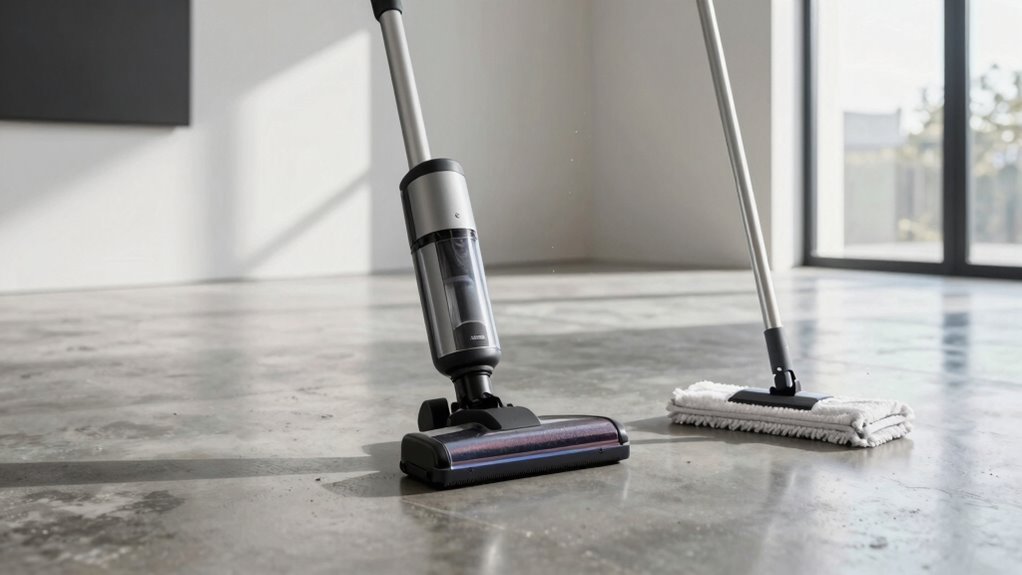

To clean indoor concrete floors without making dust worse, use a HEPA vacuum or damp microfiber mop to remove debris effectively. Avoid sweeping with traditional brooms, as they can release dust. For stains, apply a mild degreaser, allow it to dry, then vacuum the area. Regularly maintain entry mats to trap dirt before it reaches the floor. With these techniques in mind, you’ll keep your concrete clean and dust-free, and there’s more to discover on maintaining your surfaces.
Key Takeaways
- Use HEPA vacuuming or damp dust-mopping with microfiber mops to effectively remove debris without generating dust.
- Avoid dry sweeping and non-HEPA tools to minimize dust re-entrainment during cleaning.
- Apply pH-neutral cleaners for wet mopping to protect concrete surfaces and reduce dust buildup.
- Utilize penetrating densifiers or topical sealers to enhance dust resistance and reduce porosity in concrete floors.
- Implement a consistent cleaning schedule with dust-minimizing techniques to maintain clean and visually appealing floors.

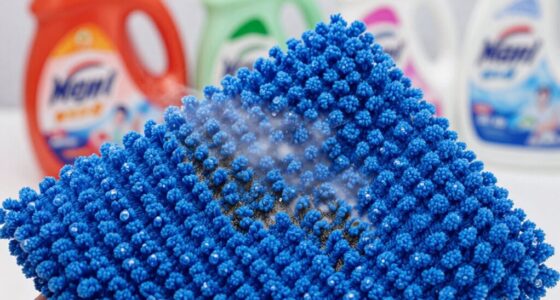
Daily cleaning should involve dry debris removal through HEPA vacuuming or damp dust-mopping using a microfiber mop. This limits dust accumulation and re-entrainment. For wet mopping, stick to pH-neutral or manufacturer-recommended cleaners to avoid damaging the surface. If you encounter oil or grease, apply a mild degreaser formulated for interior concrete, letting it dry before vacuuming to eliminate any remaining particulates. It’s also wise to maintain mats at entry points to capture grit before it hits the concrete surface, and make sure to clean or replace those mats regularly. Additionally, using a star tracker setup can help you maintain a consistent cleaning schedule, ensuring that your floors stay in great condition.
For deeper cleaning and stain removal, prioritize methods that don’t increase dust. When facing heavy contamination, use surface grinding or shot-blasting equipped with on-tool dust collection and HEPA filtration. This captures dust right at the source. If you’re tackling organic stains, alkaline cleaners are effective; just remember to rinse thoroughly and capture any wash water to prevent residue that can hold dust. For paint or sealant removal, opt for chemical strippers that are compatible with indoor use, paired with wet scrubbing and HEPA vacuuming to minimize airborne dust. Additionally, consider the importance of removing paint and residues to ensure even stain absorption before acid staining the concrete.
Finally, think long-term. Applying a penetrating densifier or hardener to uncoated concrete can chemically reduce porosity and dusting. Topical sealers like acrylic, epoxy, or polyurethane can also help. By following these practices, you’ll maintain cleaner concrete floors that minimize dust issues while enhancing the overall indoor environment. Staying organized and adhering to these cleaning protocols will not only keep your floors in top shape but also support better air quality in your space.
Frequently Asked Questions
How Often Should I Deep Clean My Concrete Floors?
You should deep clean your concrete floors at least every three to six months, depending on foot traffic and usage. If you notice heavy staining or built-up grime, it’s time for a thorough clean. Regular maintenance, like weekly wet scrubbing, will prolong the life of your floors and keep them looking fresh. Always keep an eye on any wear and tear, and adjust your cleaning schedule accordingly to maintain their condition.
Can I Use Bleach for Cleaning Concrete Surfaces?
You can use bleach for cleaning concrete surfaces, but it’s not always the best choice. Bleach can effectively kill mold and mildew, but it may not remove heavy stains or dirt. Always dilute bleach with water to avoid damage and test it on a small, inconspicuous area first. Additionally, guarantee proper ventilation and wear protective gear like gloves and masks to keep yourself safe. Consider using pH-neutral cleaners for routine maintenance instead.
What Type of Mop Is Best for Concrete Floors?
For cleaning concrete floors, a microfiber mop’s a marvelous choice. It effectively captures dirt and dust, keeping your space spotless. Use a dry microfiber mop for light debris, and switch to a damp version for sticky spots. Make sure to wring it out well to avoid excess water, which can damage the concrete. Regularly cleaning with the right mop not only enhances appearance but also helps maintain your floor’s durability and longevity.
Are There Eco-Friendly Cleaners for Concrete Floors?
Yes, there are eco-friendly cleaners for concrete floors! You can use a mixture of vinegar and water for a natural solution that effectively cleans without harsh chemicals. Baking soda also works well for tough stains—just create a paste and scrub gently. Look for commercial cleaners with biodegradable ingredients or pH-neutral formulas. Always check labels to guarantee they’re safe for concrete and the environment, and remember to rinse thoroughly after cleaning!
How Can I Prevent Future Stains on Concrete?
To prevent future stains on concrete, you’ll want to seal the surface effectively while also maintaining a regular cleaning routine. Sealing creates a protective barrier against spills, yet it’s vital to clean promptly when accidents happen. Use area rugs in high-traffic zones for added protection, but don’t forget to reapply sealants periodically. Tracking your cleaning schedule ensures you stay proactive, balancing protection with maintenance to keep your concrete looking pristine.
Conclusion
Cleaning indoor concrete floors doesn’t have to turn your home into a dust storm! With the right techniques, you can banish dirt and grime without releasing clouds of dust that could rival a desert. Imagine gliding across a sparkling floor that shines like a superhero’s cape, free from the chaos of dust particles swirling in the air. So grab your mop, follow the steps, and watch your floors transform into a pristine paradise!