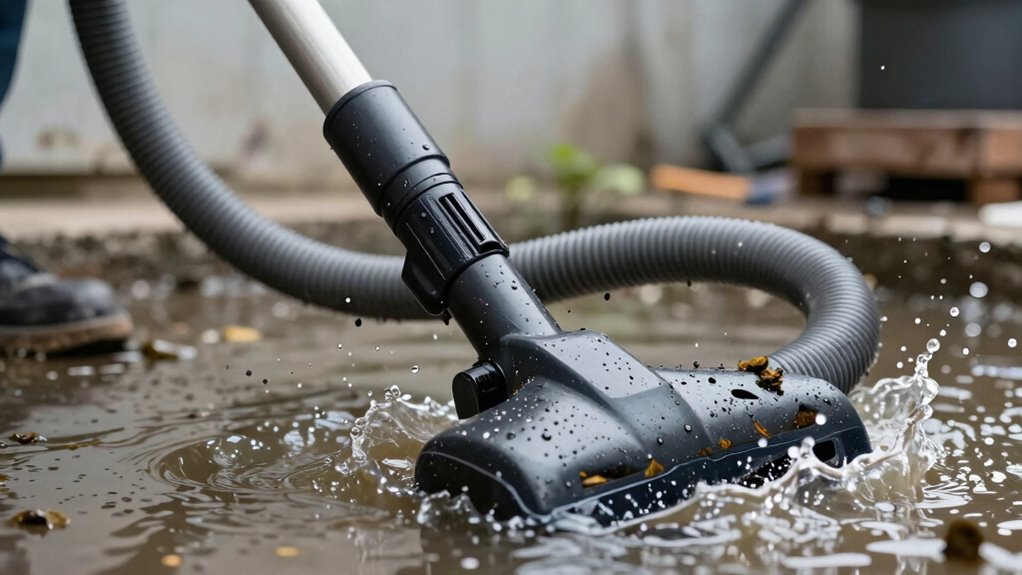

Using your wet/dry vacuum improperly can really hurt its suction power. If you don’t switch between wet and dry modes, you risk ejecting water from the exhaust or damaging the motor. Overfilled tanks can cause spills and strain your equipment, while clogged filters reduce suction efficiency. Even sharp debris can lead to leaks and reduced performance. Understanding these common mistakes will help keep your vacuum running strong and safe, with more tips to follow.
Open a free Amazon Business account
Business pricing, bulk buying and tax-exempt orders.
As an affiliate, we earn on qualifying purchases.
Key Takeaways
- Using the wrong mode can lead to poor suction and motor contamination, resulting in a significant loss of vacuum efficiency.
- Overfilled tanks increase the risk of spills and can flood the motor housing, negatively impacting suction power.
- Clogged or dirty filters restrict airflow, reducing suction strength and potentially causing overheating of the motor.
- Neglecting the inspection of hoses and accessories can lead to leaks and decreased suction efficiency, affecting overall performance.
- Improper handling of materials, like large debris or viscous substances, can cause clogs and damage, leading to diminished suction capabilities.

Have you ever wondered why your vacuum struggles during water cleanup? It might be due to some common mistakes that can quickly spoil its performance. One of the most frequent issues is not switching between wet and dry modes. If you leave your vacuum in dry mode while trying to pick up liquids, you risk ejecting water from the exhaust, which can damage the motor. Conversely, using the wet mode for dry debris can overload the filters and shorten their life. This mode mismatch not only leads to poor suction but also risks motor contamination from fine particles, which can void warranties.
Another common oversight is overfilling or neglecting to empty the tank promptly. Allowing the tank to reach capacity can cause spills and even flood the motor housing, which is disastrous for its longevity. An overfilled tank increases the weight and strain on seals, accelerating wear and tear. Regularly emptying the tank helps prevent residue buildup, which can lead to unpleasant odors and mold growth. Proactive emptying is often recommended by manufacturers to avoid rework and safety hazards. Additionally, it’s important to consider charging habits that can affect overall equipment performance.
Neglecting to empty your vacuum’s tank can lead to spills, odors, and accelerated wear, jeopardizing its lifespan. Regular maintenance is key.
Neglecting filter selection, cleaning, and replacement is another major factor. Clogged or dirty filters drastically reduce suction and airflow. Wetting a dry-only filter can ruin it and promote mold growth, leading to foul odors. If you’re dealing with fine particles, a HEPA filter is essential; using the wrong type can cause dust recirculation that contaminates the motor. Ignoring filter maintenance can shorten service intervals and increase the risk of overheating.
You should also be cautious about vacuuming inappropriate materials or surfaces. Large, bulky debris can clog hoses and damage mechanisms, while sharp objects like glass or nails can puncture hoses and create leaks. Viscous substances like paint and adhesives can coat internals and filters, causing permanent damage. Additionally, vacuuming flammable liquids or hazardous chemicals poses serious safety risks.
Lastly, hose, nozzle, and accessory issues can lead to leaks or blockages. Loose hose connections can reduce suction efficiency, and cracks in hoses produce a measurable drop in vacuum pressure. Regularly inspecting and replacing worn hoses and accessories can prevent unexpected performance declines. By addressing these mistakes, you can ensure your wet/dry vacuum performs at its best during water cleanup, saving both time and hassle.
Frequently Asked Questions
How Often Should I Clean or Replace My Vacuum Filter?
You should clean or replace your vacuum filter every 1 to 3 months, depending on usage. If you notice a drop in suction or see visible dirt buildup, it’s time for a clean. For heavily used or dusty environments, check filters more frequently. Always refer to your vacuum’s manual for specific guidelines, as different models may have unique maintenance needs. Keeping up with this will guarantee ideal performance and longevity for your vacuum.
Can Using the Wrong Attachment Affect Suction Power?
Yes, using the wrong attachment can definitely affect suction power. If you choose a narrow or incompatible tool, it might restrict airflow and create blockages, leading to reduced performance. Additionally, attachments not designed for your vacuum can introduce gaps, allowing air to bypass the cleaning path. To maintain peak suction, always select the right accessory for the job and ensure it fits securely to prevent any loss of efficiency during your cleaning tasks.
What Are Signs of a Clogged Hose or Wand?
Ever wondered why your vacuum’s not picking up as well? Signs of a clogged hose or wand include reduced suction, strange noises, or visible blockages. You might notice that debris isn’t being pulled in effectively, or the vacuum feels heavier than usual. Check for kinks, twists, or any solid material stuck inside. If you’ve got a blockage, clearing it can restore your vacuum’s performance and make your cleaning tasks much easier!
How Do I Check for Air Leaks in My Vacuum?
To check for air leaks in your vacuum, inspect the hose, wand, and connections for cracks or splits. Run your hand along the hose while the vacuum’s on; if you feel air escaping, you’ve found a leak. Also, make sure all seals and gaskets are intact and properly seated. Listen for any whistling sounds during operation, which could indicate a leak. Address these issues to restore suction efficiency.
What Is the Best Way to Maintain My Wet/Dry Vacuum?
Your wet/dry vacuum’s like a superhero for messes, but it needs your care to keep saving the day! To maintain it, regularly inspect and clean filters, ensuring they’re free of debris. Empty the collection container frequently and check for clogs in hoses and attachments. Keep seals tight and watch for air leaks. finally, perform routine maintenance, like replacing worn parts, so your vacuum stays powerful and ready for action!
Conclusion
In the world of water cleanup, it’s easy to overlook a few key details that can cost you suction power. Remember, “a stitch in time saves nine.” By keeping your wet/dry vac clean and ensuring proper maintenance, you’ll avoid common pitfalls that lead to frustration. Regularly check filters, empty tanks, and inspect hoses to keep your vac running smoothly. With these simple steps, you’ll tackle any mess efficiently and avoid losing suction when you need it most.
NFL season / tailgating Picks
team gear
As an affiliate, we earn on qualifying purchases.