When you’ve spilled paint, cleanup techniques vary by paint type. For water-based paints, act quickly by blotting excess and wiping with a damp cloth. If it’s oil-based, use absorbent materials and paint thinner for removal. After curing, you may need to scrape gently and apply heat for easier cleanup. It’s key to know the right methods to prevent further mess. To discover more tips for effective paint spill cleanup, just look a bit further!
Play games included with Prime
Start a Prime free trial and play with Amazon Luna on your devices.
As an affiliate, we earn on qualifying purchases.
Key Takeaways
- Identify the paint type as water-based or oil-based to choose the correct cleanup method.
- For water-based spills, quickly blot with a cloth and wipe with a damp cloth to remove paint.
- Oil-based paint spills require absorbents like sawdust, followed by cleaning with paint thinner or mineral spirits.
- After curing, scrape water-based paint gently with a plastic knife and use rubbing alcohol for residue.
- For cured oil-based paint, soften with heat before scraping, then clean remaining paint with paint thinner.

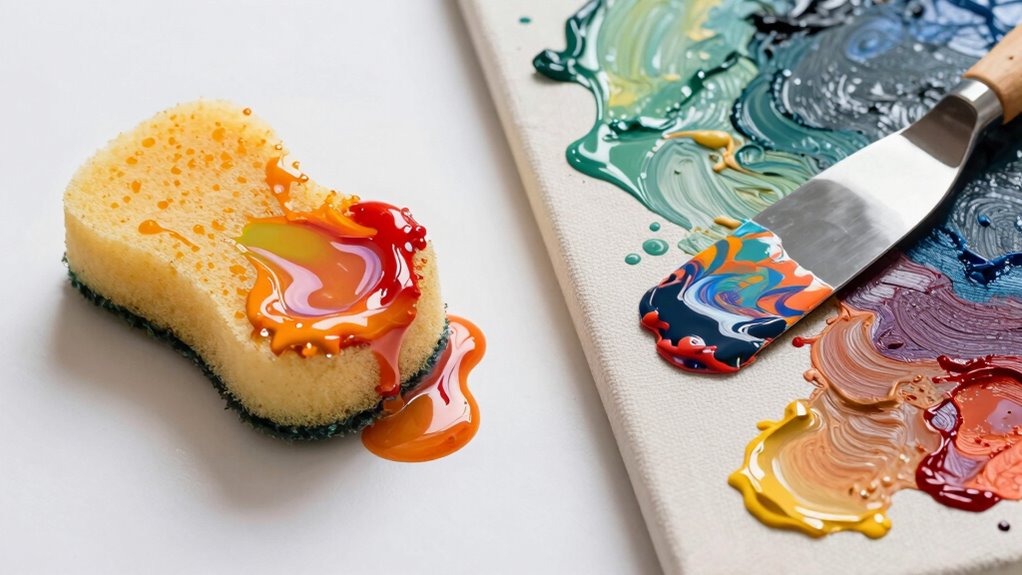
Spilled paint can turn a simple project into a messy nightmare, but quick action can save the day. When you notice a spill, your first step is to assess the type of paint involved. For water-based paints, like latex or acrylic, act fast. Blot the excess paint with a clean cloth or paper towel, always working from the edges inward to prevent spreading. After soaking up the bulk, dampen a cloth and wipe the area, rinsing frequently to avoid transferring paint. Repeat this process until you see visible improvement. For carpet spills, a mix of warm water and dish soap can work wonders, followed by a wet/dry vac to ensure no residue remains. Just remember to let the area dry completely before walking on it again. Proper cleaning techniques are essential to avoid any staining or lasting damage.
If you’re dealing with oil-based paints, you’ll need a different approach. Start by blotting the excess paint with absorbents like sawdust or kitty litter. Once you’ve soaked up as much as possible, apply paint thinner or mineral spirits to a rag in a well-ventilated area. Gently rub the area, reapplying the thinner as needed until the residue is gone. For larger spills, professional help with specialized equipment is often the best route. Make sure to dispose of any contaminated materials in designated hazardous waste containers to comply with regulations.
Once the paint has cured, both water-based and oil-based types become trickier to remove. For water-based paints, gently scrape the area with a plastic putty knife to avoid damage. Then, apply rubbing alcohol, let it sit for about 30 seconds, and wipe with a paper towel. You might need an old toothbrush for those hard-to-reach crevices. With oil-based paints, consider using a heat gun or hair dryer to soften the paint, followed by scraping. If there’s residue left, paint thinner can help clean it up.
Regardless of the paint type, using absorbent materials to contain spills is critical. Create a dam with absorbent socks or even kitty litter to prevent the spill from spreading. Always wear appropriate PPE, including gloves and safety glasses, when handling solvents. After cleaning, be sure to seal and label waste materials properly. Quick action and the right methods can minimize damage and keep your space looking fresh.
Frequently Asked Questions
Can I Use Vinegar to Clean Spilled Paint?
You can’t effectively use vinegar to clean up spilled paint, especially if it’s oil-based or cured. For water-based paints, warm water and mild soap work better. If you’ve got a larger spill or a tougher type of paint, you’ll need specific solvents or professional help. Always act quickly to avoid hardening, and remember to wear gloves and protect your workspace to make the cleanup easier and safer.
How Do I Prevent Paint Spills in the Future?
Imagine your workspace as a canvas, unspoiled and ready for creativity. To prevent paint spills in the future, always lay down drop cloths and use painter’s tape to protect edges. Keep paint containers secure and use proper brushes or rollers to minimize drips. When working, slow down and stay mindful of your movements. Regularly check your tools and containers, ensuring everything’s tightly sealed when not in use. Your masterpiece deserves a clean backdrop!
What Should I Do if Paint Dries on My Clothes?
If paint dries on your clothes, start by scraping off any excess carefully without damaging the fabric. Then, test a small area with a solvent like rubbing alcohol or paint thinner, depending on the paint type. Blot the stain gently, and wash the garment in warm water with detergent. If the stain persists, consider repeating the process or taking it to a professional cleaner, especially for delicate fabrics.
Are There Eco-Friendly Paint Cleanup Options Available?
Yes, there are eco-friendly paint cleanup options available! You can use natural solvents like vinegar or citrus-based cleaners for water-based paints, and for oil-based paints, plant-based solvents work well. Always opt for biodegradable absorbents, such as sawdust or cotton rags, to minimize waste. Additionally, you can repurpose leftover paint for future projects or community art initiatives, reducing environmental impact while ensuring safe disposal. Always check local regulations for proper disposal methods!
How Can I Safely Dispose of Paint Waste?
When it comes to paint waste disposal, you’ll want to take the bull by the horns. First, check local guidelines for hazardous waste collection. Seal leftover paint in its container and store it safely until your area’s next disposal event. If it’s water-based, you can dry it out and toss it in regular trash. For oil-based paints, drop them off at a designated waste facility. Always wear gloves and protective gear when handling!
Conclusion
Cleaning up spilled paint can feel intimidating, but knowing whether to tackle it wet or dry makes all the difference. Did you know that nearly 70% of paint spills occur during DIY projects? Envision this: a vibrant splash of color on your floor, just waiting to be tamed. Whether you grab a cloth or a scraper, acting quickly is key. With the right method, you can turn that artistic mishap into a clean, fresh canvas in no time!
Fall yard work Picks
leaf blowers
As an affiliate, we earn on qualifying purchases.