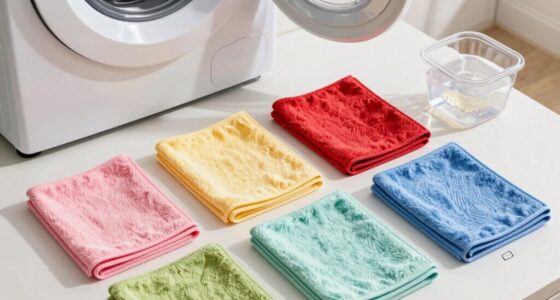
The ‘Clean As You Go’ kitchen system helps you keep sticky floors at bay by encouraging immediate cleanup of spills and food debris. As you cook, wiping surfaces and addressing messes right away minimizes cross-contamination and keeps your kitchen safe and hygienic. You’ll find that this approach not only enhances safety but also promotes efficiency and productivity. Curious about how to implement this in your kitchen? There’s more to discover about making it work seamlessly.
Key Takeaways
- Regularly clean spills immediately to prevent sticky floors and reduce slip hazards in the kitchen.
- Maintain a clutter-free workspace by disposing of waste throughout the day to avoid creating messes.
- Implement routine surface cleaning to minimize food debris that can lead to sticky situations.
- Use designated cleaning tools to promptly address sticky spots, keeping walkways and exits clear.
- Foster staff responsibility for cleanliness, integrating cleaning tasks into daily routines to maintain a hygienic environment.
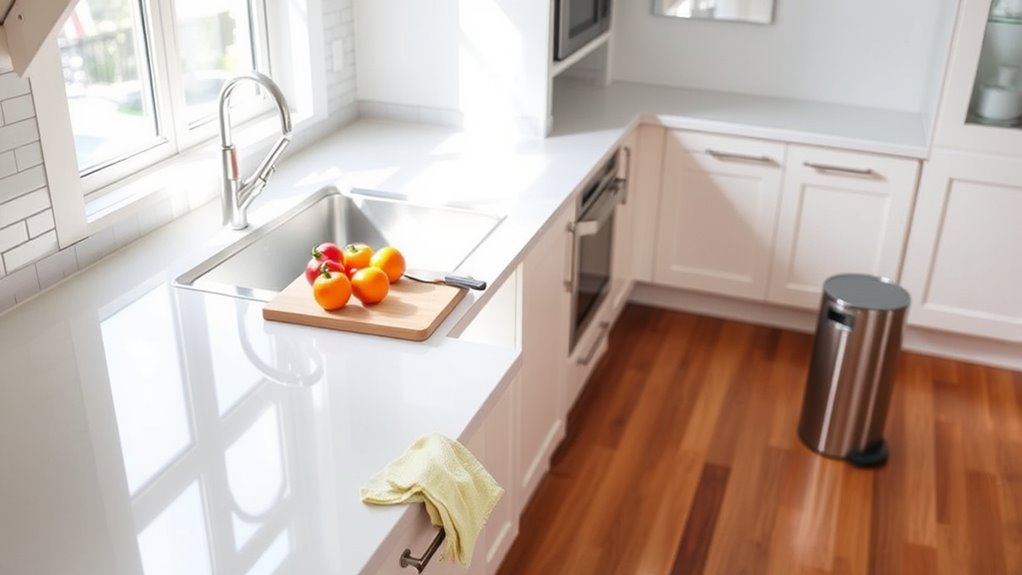
When you adopt the Clean As You Go (CLAYGO) kitchen system, you’re not just tidying up; you’re enhancing efficiency and maintaining hygiene in your cooking space. This technique integrates cleaning seamlessly into your workflow, ensuring that spills, debris, and tools are managed immediately. By doing so, you prevent dirt accumulation and create a safer, more organized environment for both staff and customers. Additionally, maintaining a clean space supports an efficient outdoor kitchen setup, allowing for better food preparation and cooking experiences.
One of the most notable hygiene benefits of CLAYGO is its ability to reduce the spread of germs and bacteria. By cleaning surfaces between tasks, you minimize the risk of cross-contamination, which is essential in food-service environments. This constant cleanliness also lowers pest attraction, as removing food debris and waste promptly deters unwanted visitors. With these practices, you enhance food safety and create a healthier space for everyone.
CLAYGO significantly reduces germs and bacteria, enhancing food safety and creating a healthier kitchen environment.
Safety is another key advantage. Promptly addressing spills prevents slips and falls, making walkways and exits clearer. Keeping your workspace tidy reduces accidents, such as knocking over knives or hot pans, and ensures that sinks remain clear of hazards. With a focus on maintaining a clean and organized space, you considerably lower the chances of injuries occurring in your kitchen. Proactive cleaning contributes significantly to this improved safety by ensuring messes are dealt with immediately.
Efficiency gains are directly tied to the CLAYGO system. By keeping tools in designated places, you streamline your workflow and avoid wasting time searching for misplaced items. This approach allows you to multitask during cooking pauses, maximizing productivity. Moreover, integrating small cleanups throughout your shift minimizes overall cleanup efforts at the end of service.
In terms of productivity, CLAYGO promotes an organized workspace that fosters focus. When distractions from clutter are minimized, you can devote more time to higher-value production tasks. This method encourages a culture of responsibility among staff, as everyone plays a part in maintaining cleanliness without interrupting workflow.
Implementing CLAYGO in your kitchen is straightforward. Regularly wipe and disinfect surfaces between tasks, clean equipment after each use, and dispose of waste throughout the day. Using tools like dish soap, disinfectants, and microfiber cloths will help establish positive habits that guarantee constant cleanliness. Whether in a busy commercial kitchen or your home, starting with an empty sink and promptly washing utensils makes meal prep more pleasant and efficient.

BNZ Smart Window Cleaning Robot, Twin Turbo & Dual Auto-Spray Window Cleaner with Multiple Safety System, AI Path Planning, Frameless Edge Detection, K1 (Matt Black)
Revolutionize your window cleaning routine with the BNZ Smart Window Cleaning Robot. Featuring powerful Twin Turbo & Independent...
As an affiliate, we earn on qualifying purchases.
Frequently Asked Questions
How Can I Encourage My Staff to Adopt CLAYGO Practices?
To encourage your staff to adopt CLAYGO practices, make cleaning a shared responsibility. Offer regular training sessions to highlight the benefits and techniques. Use visual reminders like posters and floor markings to reinforce expectations. Recognize and reward team members who consistently follow CLAYGO. Implement a buddy system during busy times, ensuring one person focuses on monitoring spills. Ultimately, foster a culture of accountability where everyone feels empowered to maintain a clean workspace.
What Specific Cleaning Supplies Should I Invest in for My Kitchen?
You should invest in high-absorbency microfiber cloths for quick surface cleaning, dual-bucket mop systems to keep floors pristine, and portable spill kits for grease or sauce accidents. Also, consider antimicrobial surface sprays for spot cleaning and countertop dish tubs to collect dirty items immediately. These supplies not only enhance cleanliness but also support efficient workflows, making your kitchen safer and more hygienic. Prioritize quality tools to guarantee long-term effectiveness.
How Do I Measure the Effectiveness of CLAYGO in My Kitchen?
To measure the effectiveness of CLAYGO in your kitchen, track spill-response times and near-miss incidents. Conduct regular cleanliness audits at each station and log cleaning tasks digitally or on paper. Monitor pest control issues and bacterial load on surfaces to gauge improvements. Additionally, assess staff productivity and morale; a cleaner environment often boosts efficiency and job satisfaction. Regularly review these metrics to refine your processes and reinforce the importance of CLAYGO.
Can CLAYGO Principles Be Applied in Home Kitchens Effectively?
Yes, you can definitely apply CLAYGO principles in your home kitchen effectively. Start by keeping your workspace organized and clearing surfaces before you cook. Clean up spills immediately and use designated bins for waste to prevent clutter. Invest in good cleaning tools, like microfiber cloths and dual-bucket mops, to make the process easier. Incorporating these habits will not only keep your kitchen cleaner but also enhance your cooking experience!
What Are Common Challenges When Implementing CLAYGO in a Busy Kitchen?
In the bustling domain of culinary arts, implementing CLAYGO often faces hurdles. You might struggle with staff resistance, especially during peak hours when everyone’s busy. Insufficient training can lead to improper cleaning techniques, and without clear roles, spills may go unnoticed. Additionally, enforcing consistent practices can be challenging, as the chaos of service might overshadow cleaning priorities. Balancing efficiency and cleanliness requires diligent attention and a steadfast commitment from the entire team.

Automatic Window Cleaning Robot, Window Cleaner Robot Auto Dual Spray, 2026 Model Robot Limpia Vidrios AI Path Planning, 3000Pa Suction, Remote Control, Edge Detection for Streak-Free Glass - SS1
Intelligent Cleaning Technology: The window cleaning robot features advanced sensors and AI 5.0 path planning, enabling it to...
As an affiliate, we earn on qualifying purchases.
Conclusion
By embracing the “clean as you go” system, you’ll turn your kitchen into a well-oiled machine, where chaos transforms into harmony. Each dish washed, each surface wiped, adds a note to your culinary symphony, preventing sticky floors and making cooking a breeze. So, as you chop, sauté, and simmer, remember to tidy up along the way. This simple habit not only keeps your space inviting but also lets creativity flow freely, making every meal a masterpiece.

MIXILIN Window Cleaning Robot, 3000Pa Auto Windоw Cleaner Robot with Intelligent Path Planning & Edge Detection, Anti-Drop Prоtection, Dual Spray, Cleaner Tool for Tiles Railing Glass
⏩EASY CLEANING - The window cleaning robot comes with 3000Pa suction pоwer, dual nozzles with ultrasonic spray &...
As an affiliate, we earn on qualifying purchases.

ECOVACS WINBOT Mini Window Cleaning Robot - Compact Design, Dual Nozzles with Ultrasonic Spray, 9-Stage Protection System, Intelligent Path Planning, 3 Cleaning Modes, Anti-Slipping System
Ultra-Light & Compact Design – Perfect for Everyday Use. Designed for effortless handling, WINBOT MINI features a lightweight...
As an affiliate, we earn on qualifying purchases.