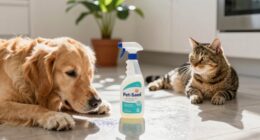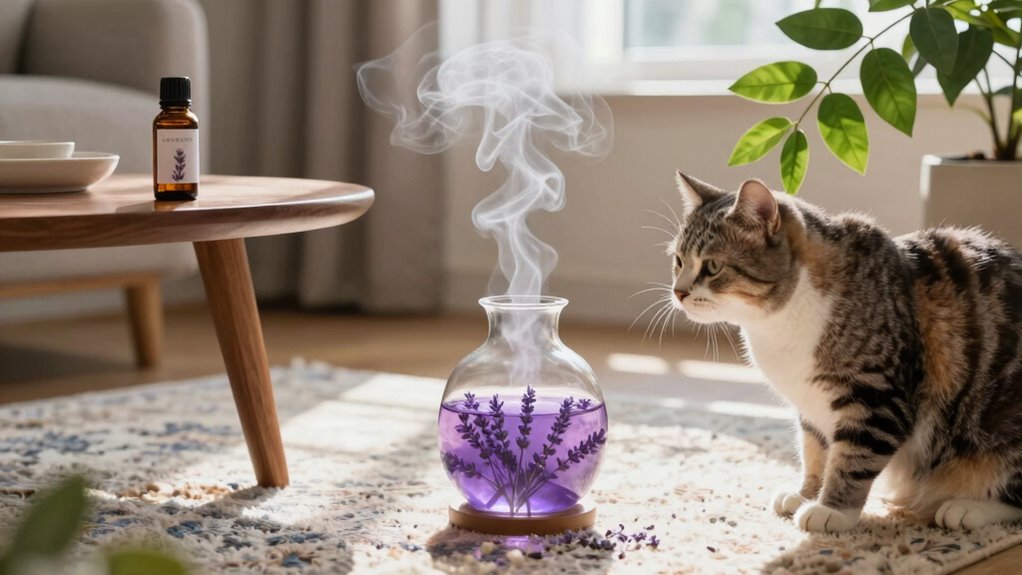

Essential oils can seriously threaten your pet’s health, even if they seem natural and safe. Cats and dogs can experience severe reactions, from liver failure to respiratory distress, due to their heightened sensitivity. Oils like tea tree and wintergreen are particularly dangerous. Inhalation, skin contact, or ingestion through grooming can lead to poisoning. Always store essential oils out of reach and consider pet-safe alternatives for scenting. Discover more about keeping your furry friends safe from these hidden risks.
Key Takeaways
- Essential oils can be toxic to pets, with even small amounts leading to severe health issues like liver failure and seizures.
- Cats are particularly vulnerable due to their inability to metabolize certain compounds found in essential oils.
- Dogs can experience respiratory distress and gastrointestinal problems from undiluted oils, especially if ingested or inhaled.
- Contact with essential oils can lead to burns or irritation, and pets may ingest harmful substances through grooming.
- Always consult a veterinarian before using essential oils in your home to ensure the safety of your pets.

When considering the use of essential oils in your home, it’s imperative to recognize that not all natural products are safe for your pets. While you might enjoy the calming scents and potential benefits of essential oils, your furry friends could be at serious risk. Certain compounds found in these oils, like phenols and terpenes, can lead to toxicity in pets, particularly in cats and dogs. For instance, tea tree oil can cause severe poisoning in dogs, with just seven drops of 100% oil being enough to trigger a health crisis.
Cats are especially vulnerable because they lack the enzymes necessary to metabolize many phenolic compounds. This deficiency can lead to liver failure, respiratory issues, or even seizures from oils like tea tree and cinnamon. If your feline self-grooms after coming into contact with these oils, they risk ingesting harmful substances, making this an important concern for cat owners. Severe drooling, staggering, and muscle tremors can also indicate toxicity in pets, which highlights the urgent need for vigilance.
Dogs, while generally more resilient than cats, aren’t immune to the dangers of essential oils. Their keen sense of smell, which is 10,000 to 100,000 times more sensitive than yours, can lead to significant distress from strong aromas. Undiluted oils can cause respiratory problems, and ingestion—even from licking contaminated surfaces—can lead to gastrointestinal distress. Notably, oils like wintergreen and pine are infamous for causing liver failure and nerve damage in dogs.
The routes of exposure to essential oils are varied. Inhalation can lead to respiratory distress, while skin contact can cause burns or irritation. Even walking over oils left on the floor can lead to contamination of their fur and subsequent ingestion during grooming. Consequently, it’s essential to keep oils stored securely out of reach and avoid using diffusers around pets, particularly those with respiratory issues like birds or asthmatic dogs.
If you suspect your pet has been exposed to essential oils, act quickly. Wash their skin and fur with mild soap and water immediately, and contact your veterinarian for guidance. It’s best to consult with a vet before introducing any essential oil products into your home, as many common oils pose a risk of serious health issues. Remember, just because a product is labeled “natural” doesn’t mean it’s safe for your beloved pets. Prioritize their well-being and seek pet-safe alternatives for home fragrance and cleaning.
Frequently Asked Questions
Are There Pet-Safe Essential Oils I Can Use for Cleaning?
Yes, there are pet-safe essential oils you can use for cleaning, but you need to be cautious. Oils like lavender and chamomile are generally safer for pets when properly diluted. Always use them in low concentrations and ventilate the area well. Avoid direct contact with your pets and monitor them for any adverse reactions. It’s a good idea to consult your veterinarian before introducing any new cleaning products with essential oils into your home.
How Can I Identify Symptoms of Essential Oil Poisoning in Pets?
To identify symptoms of essential oil poisoning in pets, watch for respiratory issues like coughing or wheezing, gastrointestinal upset including drooling or vomiting, and neurologic signs such as weakness or tremors. If you notice any of these symptoms, act quickly. It’s vital to consult your veterinarian right away, especially if your pet’s been exposed to concentrated oils. Remember, early intervention can make a significant difference in your pet’s recovery.
What Should I Do if My Pet Ingests Essential Oils?
If your pet ingests essential oils, act quickly. Remove any remaining oil and monitor your pet for symptoms like drooling, vomiting, or lethargy. Rinse their mouth with water, but don’t induce vomiting unless directed by a vet. Contact your veterinarian or an emergency animal poison control hotline immediately for guidance. Provide them with details about the oil consumed and your pet’s size and health history to guarantee proper care.
Can Essential Oils Affect Pets Differently Based on Their Breed?
When it comes to pets, one size doesn’t fit all. Yes, essential oils can affect pets differently based on their breed. For example, dogs may react to oils like tea tree or peppermint, but sensitivity varies widely. Cats, on the other hand, are particularly vulnerable due to their unique metabolism. Always be cautious and consult your vet before using any oils around your furry friends to guarantee their safety and well-being.
Is It Safe to Use Essential Oils in a Home With Birds?
No, it’s not safe to use essential oils in a home with birds. Their sensitive respiratory systems make them particularly vulnerable to inhaling oil vapors or microdroplets. Even small amounts can lead to serious health issues. If you want to create a pleasant environment, consider using bird-safe alternatives. Always prioritize your feathered friend’s safety and well-being, and avoid any products that might harm them. It’s better to be cautious than to risk their health.
Conclusion
So, while you’re sprucing up your home with those delightful essential oils, don’t forget that your furry friends might not share your enthusiasm for the “aromatic” atmosphere. After all, who wouldn’t want a pet that’s a little more like an essential oil diffuser and a little less like a panicked cartoon character? Keep those scents at bay, and let your pets enjoy their own natural bouquet—perhaps the scent of, say, last week’s leftover dinner? Now that’s a classic!