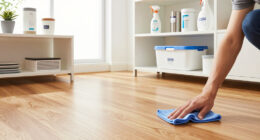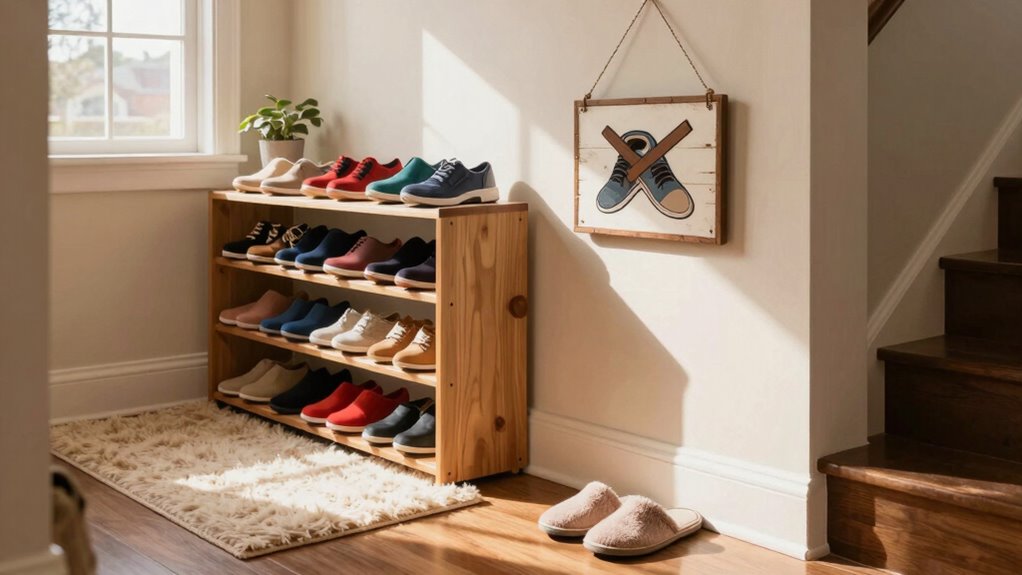
To create a no-shoes-upstairs habit, start by setting up a designated shoe zone at your main entrance with a rack and a comfortable bench. Politely ask guests to remove their shoes, explaining the health benefits. Use visual reminders like signs to encourage the habit. Consistently model this behavior for others and attach it to your routine, like taking off shoes as soon as you enter. With these steps, you’ll keep your home cleaner and healthier. There’s more to making this habit stick!
Key Takeaways
- Establish a designated shoe zone at the entrance with a shoe basket or rack for easy organization and removal.
- Politely communicate the no-shoes policy to guests, framing it as a health and cleanliness benefit.
- Use visual reminders like signs or floor stickers to encourage adherence to the no-shoes rule.
- Model the behavior consistently and encourage family members to follow your example for reinforcement.
- Track progress and maintain accountability through checklists or family agreements that promote the habit.
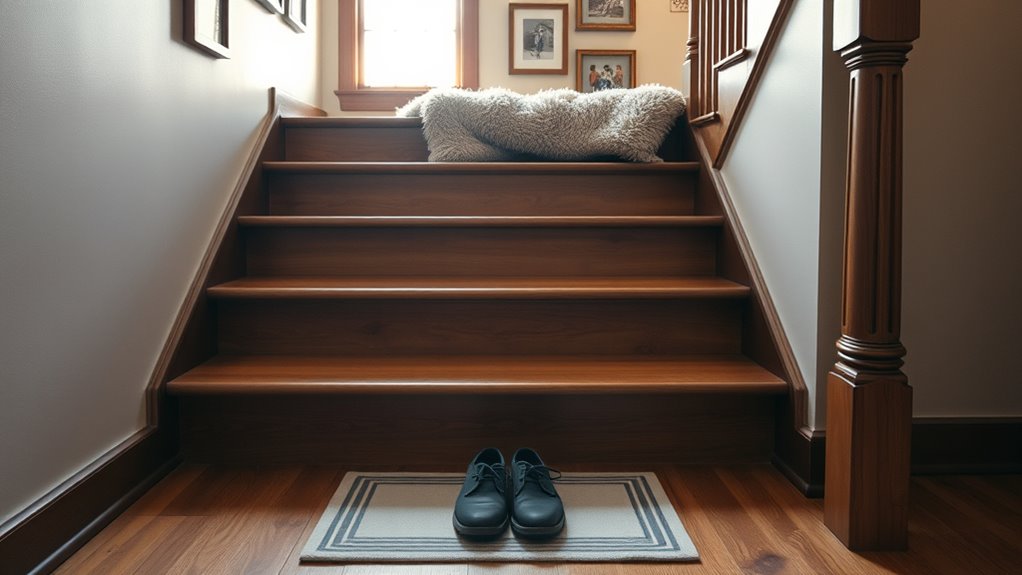
Creating a no-shoes-upstairs habit not only keeps your living space cleaner but also enhances your family’s health by minimizing allergens and germs. When you remove your shoes before heading upstairs, you reduce the risk of tracking in bacteria, pollen, pesticides, and other contaminants that cling to your soles. Studies show that shoes can carry hundreds of thousands of bacteria, including harmful organisms like E. coli, increasing the risk of contamination in your home. By adopting this simple habit, you can improve your indoor air quality and reduce respiratory issues for everyone in your family. Additionally, removing shoes helps prevent the introduction of harmful chemicals that can be collected on your footwear. Incorporating a dedicated cleaning routine for your footwear can further enhance the cleanliness of your home environment.
Adopting a no-shoes-upstairs habit enhances cleanliness and health by minimizing allergens and harmful bacteria in your home.
To make this habit stick, start by setting up a designated shoe zone at your main entrance. Place a clearly labeled shoe basket or rack to encourage easy removal. A well-structured environment serves as a cue. You might even consider adding a comfortable bench nearby to make the transition seamless. If you have children or elderly family members, offer indoor-only slippers to ensure safety and comfort. Keeping a small basket of these slippers near the stairs can motivate everyone to switch footwear before heading upstairs.
Communication is key, especially with guests. Frame your no-shoes policy as a way to keep everyone healthy and your home clean. It’s reasonable to ask guests to remove their shoes, and most will understand when you explain the benefits. A polite request or a cute sign by the door can serve as a gentle reminder. Discussing the reasons openly can also help everyone feel included in the process.
Consistency is vital for habit formation. Model the behavior you want to see, and don’t let fatigue deter you. When your family sees you consistently removing your shoes, they’re more likely to follow suit. You can also use visual reminders, like floor stickers or signs near the stairs, during the initial weeks to reinforce this new routine. Consider habit stacking by attaching the no-shoes rule to an existing routine, like removing shoes right after entering your home.
Lastly, track your progress. There’s strength in accountability, whether through a checklist or a simple agreement with your family. Over time, this habit will become second nature, leading to a cleaner, healthier home, free from the allergens and germs that outdoor shoes can bring inside. Embrace the no-shoes-upstairs habit, and enjoy the benefits of a cleaner living space for you and your family.

Tikom Robot Vacuum and Mop Combo, 5000Pa Robotic Vacuum Cleaner, 150 Min Max, App & Remote Control, Ideal for Hard Floor, Carpet, Pet Hair, Self-Charge(G8000 Max)
- Strong Suction Power: 5000Pa for deep cleaning
- Vacuum & Mop Combo: Simultaneous cleaning in one pass
- Large Capacity Tanks: 450ml dustbin and 300ml water tank
As an affiliate, we earn on qualifying purchases.
Frequently Asked Questions
How Can I Encourage Children to Remove Their Shoes Upstairs?
You can encourage children to remove their shoes upstairs by making it fun and easy. Set up a shoe basket at the bottom of the stairs and create a game out of it. Explain how taking off their shoes keeps the upstairs clean and healthy. Model the behavior consistently, and perhaps offer fun indoor slippers as an alternative. Positive reinforcement, like praise or small rewards, can also go a long way in establishing this habit.
What if My Guests Refuse to Take off Their Shoes?
If your guests refuse to remove their shoes, politely present your preference as a practice for pristine premises. Frame it as a health-conscious habit, emphasizing how it improves air quality and reduces allergens. Use signs or a shoe basket to gently guide them. If they still resist, respect their choice, but remain consistent with your own practice. Demonstrating your commitment can inspire them to reconsider their footwear in your home.
How Can I Maintain Indoor-Only Shoes for My Family?
To maintain indoor-only shoes for your family, designate specific shoes for indoor use only and store them in a labeled basket by the door. Encourage everyone to change into these shoes immediately upon entering. Consistently model this behavior yourself, reinforcing the habit. Explain the benefits, like improved air quality and cleanliness, to motivate your family. Finally, make it fun by letting everyone choose their favorite indoor shoes.
Are There Benefits to Removing Shoes in Shared Living Spaces?
Yes, there are several benefits to removing shoes in shared living spaces. You reduce exposure to germs, allergens, and harmful chemicals that shoes can carry indoors. This practice improves indoor air quality, promoting better respiratory health for everyone. Plus, it helps keep your floors cleaner and reduces the amount of dust and allergens present, creating a more comfortable environment. It’s a simple step that can lead to a healthier home for all.
What Cultural Considerations Should I Keep in Mind Regarding Shoes-Off Policies?
Imagine a warm welcome mat, inviting everyone to step into your clean sanctuary. When considering a shoes-off policy, think about cultural norms. In many cultures, leaving shoes at the door signifies respect and cleanliness. Be sensitive to guests’ backgrounds; some might find it odd or uncomfortable. Communicate your reasons clearly and kindly, making sure everyone feels at home. A thoughtful approach bridges differences and creates a shared understanding of comfort and hygiene.

ROPVACNIC Robot Vacuum and Mop Combo 5200Pa Suction Robotic Cleaner
- 2-in-1 Vacuum and Mop: Advanced electronic mopping technology
- Personalized Water Adjustment: Four-stage water control system
- Smart Control Options: Multiple cleaning modes and app control
As an affiliate, we earn on qualifying purchases.
Conclusion
By consistently reinforcing your no-shoes-upstairs rule, you’ll soon find it becomes second nature. It’s funny how a simple habit can transform your space, just like that time you decided to bring plants into your home and ended up creating a cozy oasis. Embrace the little victories and celebrate each time you catch yourself following through. Before you know it, a clean, shoe-free upstairs will feel like a revitalizing coincidence in your daily routine.

MONSGA Robot Vacuum and Mop, 90 Days Self-Emptying with 8000Pa Suction
- High Suction Power: 8000Pa maximum suction for deep cleaning
- Anti-Tangle Brush System: Dual design reduces hair wrap and knots
- Automatic Carpet Boost: Increases suction on carpets for embedded debris
As an affiliate, we earn on qualifying purchases.
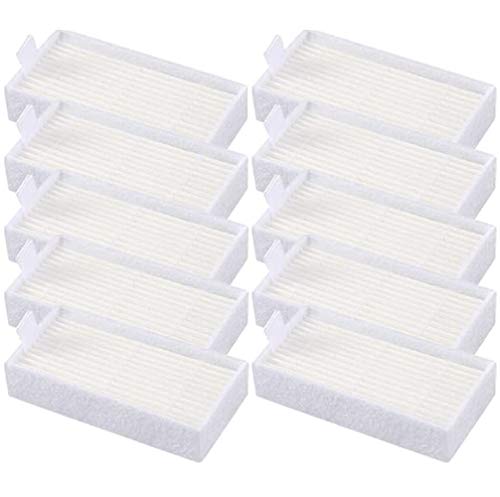
10pcs HEPA Filters Replacement for ILIFE V3s V3s pro V5 V5s V5s Pro V5s Pro 2 V5s Plus Noisz S5 Robotic Vacuum Cleaner ILIFE V3s pro Filters ILIFE Robot Vacuum Filter
- Compatible with various ILIFE models: Fits V3, V3s, V5, V5s, Pro versions
- High-quality filter material: Efficient and durable HEPA filters
- 100% compatible with original filters: Ensures perfect fit and performance
As an affiliate, we earn on qualifying purchases.