To keep pet dander out of the air, start vacuuming from the least-used rooms, moving to the most frequented spaces. Begin with ceilings, corners, and moldings before tackling furniture and floors. Use extension tools for dander in hard-to-reach spots, and don’t overlook upholstery and curtains. Finally, finish with carpets and hard floors, making slow, deliberate passes. This method helps capture settled particles and minimizes airborne dander. There’s more to discover about effective techniques!
Key Takeaways
- Begin vacuuming in least-used rooms to minimize the disturbance of settled dander and progress to higher-traffic areas.
- Vacuum ceilings, crown moldings, and corners first to capture dust and dander before it settles back down.
- Use extension tools for hard-to-reach areas and upholstery to effectively remove allergens without recontaminating cleaned surfaces.
- Make slow, deliberate passes over carpets, focusing on high-traffic areas to extract embedded dander effectively.
- Finish with hard floors, using a damp microfiber mop afterwards to eliminate any residual dust and particles.

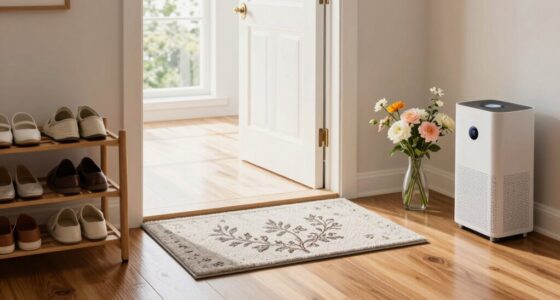
When you’re battling pet dander in your home, knowing the right vacuuming order can make all the difference. Start by preparing your space. Remove loose pet bedding, toys, and clutter from the floors and furniture. This step helps prevent resuspension of trapped dander during vacuuming. Close windows and doors to limit incoming particulates, and turn off ceiling fans and HVAC systems. If you suffer from severe allergies, don an N95 respirator for extra protection. Running a portable air purifier with HEPA filtration in the room before you begin can also lower airborne particles. Additionally, maintaining good indoor air quality is essential for a healthier living environment.
Choose your vacuum wisely. Opt for one with sealed multi-stage filtration and a certified HEPA filter to capture particles down to 0.3 microns, which is the size range for most dander. Models with strong, adjustable suction will effectively lift embedded dander from carpets, while motorized mini-tools designed for pet hair removal can help dislodge hair that carries allergens. For continuous maintenance, consider robot vacuums with HEPA filtration for regular surface cleaning.
Choose a vacuum with HEPA filtration and strong suction for effective pet dander removal and ongoing maintenance.
When it comes to the order of vacuuming, begin in the least-used or cleanest rooms, working your way toward the most-used spaces. This approach prevents recontaminating areas you’ve already cleaned. Start by vacuuming ceilings, crown moldings, and corners. Use extension tools to capture settled dander that will fall down as you clean. Move on to light fixtures, shelves, and wall tops before tackling furniture to gather dander that migrates downward.
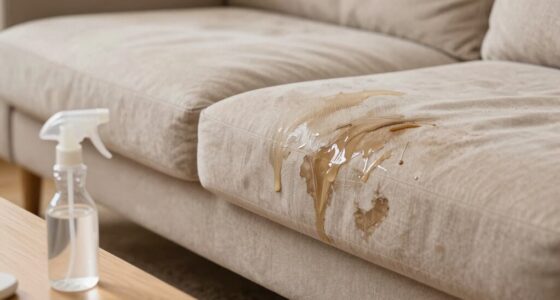
Vacuum upholstery, curtains, and soft furnishings next, ensuring to use a motorized mini-tool. This method lets you lift embedded hair and dander without aerosolizing particles. For carpets, make slow, deliberate passes with repeated strokes in different directions to extract dander trapped deep in the pile. Finally, finish with floors, both carpets and hard surfaces, to collect all dander that has settled during your cleaning session. For hard floors, use soft roller heads or brush rolls to pick up fine particles, followed by a damp microfiber mop for any residual dust. Additionally, remember that pet dander is microscopic and can remain in the environment for years, so consistent cleaning is crucial.
To keep dander levels low, vacuum high-traffic and pet-frequented areas at least 3 to 4 times a week. Regularly maintain your vacuum and stay consistent with your cleaning schedule. With the right order and technique, you’ll considerably reduce pet dander in your home, making it a healthier environment for everyone.
Frequently Asked Questions
How Often Should I Replace My HEPA Vacuum Filter?
You should replace your HEPA vacuum filter every 6 to 12 months, depending on usage. If you vacuum frequently—especially in homes with pets or allergies—you might need to substitute it more often. Always check the manufacturer’s guidelines for specific recommendations. Regularly changing the filter ensures your vacuum maintains its efficiency, effectively trapping allergens and keeping your air cleaner. Don’t forget to inspect it regularly for any signs of wear or damage!
Can Vacuuming Alone Eliminate Pet Dander Completely?
No, vacuuming alone can’t eliminate pet dander completely. While it effectively reduces dander, it won’t remove all particles, especially if you don’t vacuum frequently or use a HEPA filter. You’ll need to combine vacuuming with regular washing of pet bedding and furniture, along with using air purifiers for the best results. Maintaining a consistent cleaning routine will help keep dander levels manageable and improve your indoor air quality.
What Type of Vacuum Is Best for Hardwood Floors?
If you think your hardwood floors can survive just any vacuum, think again! For those beautiful surfaces, you need a vacuum with a soft brush roll or a bare floor setting. A HEPA filter is a bonus, catching dust and dander like a pro. Lightweight models make it easier to glide around, too. So, grab that sleek vacuum, and let your floors shine while you enjoy a dander-free environment—you’ve got this!
Are There Hypoallergenic Vacuum Brands Available?
Yes, there are vacuum brands marketed as hypoallergenic. These often feature HEPA filters designed to trap allergens, including pet dander, ensuring minimal recirculation of particles. Brands like Dyson, Shark, and Miele offer models specifically labeled as asthma and allergy-friendly. When shopping, look for vacuums certified to capture 99.97% of particles 0.3 microns or larger. Remember, regular maintenance and proper vacuuming techniques are essential to maximize their hypoallergenic benefits.
How Can I Minimize Noise While Vacuuming?
To minimize noise while vacuuming, you can try using a vacuum with a quiet motor or a model specifically designed for low noise. Vacuum during times when it’s less disruptive, like when others are out of the house. Use a slow, steady pace to reduce noise, and consider using rugs or mats to dampen sound. Finally, keep windows closed to avoid amplifying the noise outside. Your efforts will make a noticeable difference!
Conclusion
By following this vacuuming order, you’re not just cleaning; you’re creating a pet dander-free haven that feels like a gust of fresh air. With each pass of your vacuum, you’re banishing those pesky allergens and enjoying a cleaner, healthier home. Remember, consistency is key. Make this routine part of your weekly schedule, and you’ll be amazed at how much better your space—and your air—can feel. Say goodbye to pet dander like it never existed!