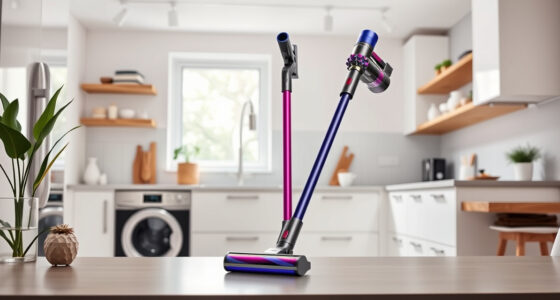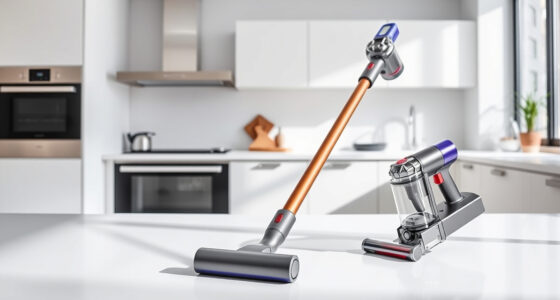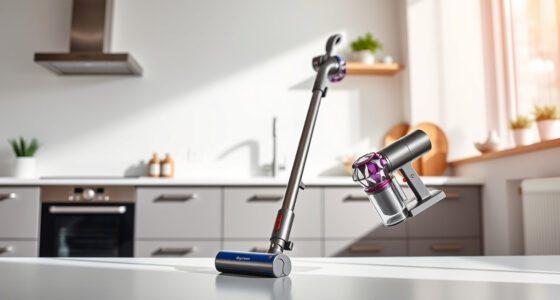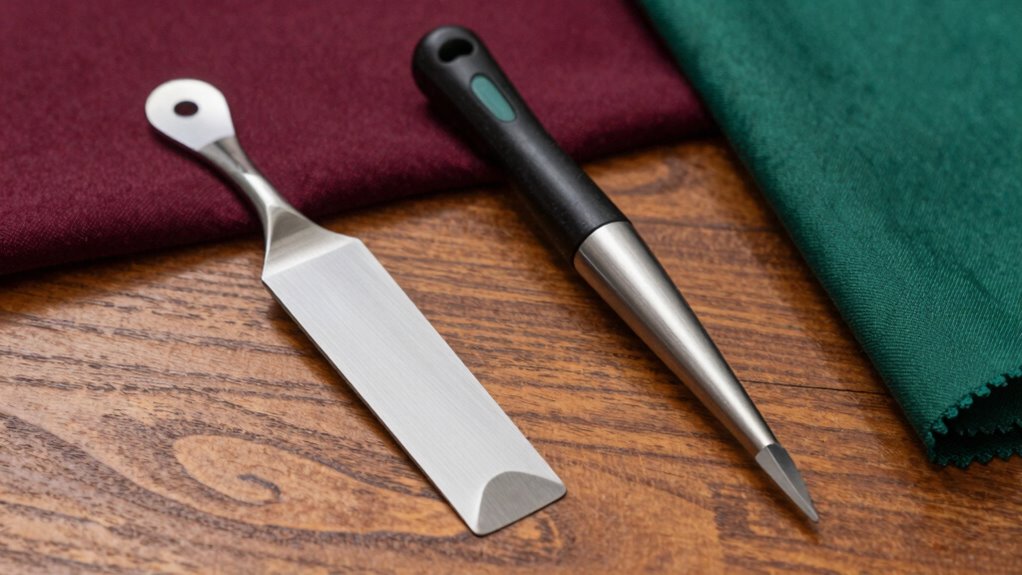

When cleaning upholstery, knowing when to use a wide tool versus a turbo tool can make all the difference. Wide tools are perfect for large areas and delicate fabrics, as they provide efficient coverage without over-wetting. On the other hand, turbo tools excel at deep-cleaning textured fabrics with their spinning brush action, making them ideal for tackling tough stains in tight spaces. Discover how to choose the right tool for your specific needs for the best results.
Key Takeaways
- Use wide tools for large areas and delicate fabrics to ensure even coverage and minimize over-wetting.
- Opt for turbo tools when deep cleaning textured fabrics or automotive interiors, as they effectively lift embedded dirt.
- Wide tools are efficient for routine maintenance, reducing the number of passes needed across broad surfaces.
- Turbo tools provide targeted stain removal through mechanical agitation, making them ideal for intricate spaces and detail work.
- Select the appropriate tool based on the cleaning task to enhance effectiveness and preserve fabric integrity.
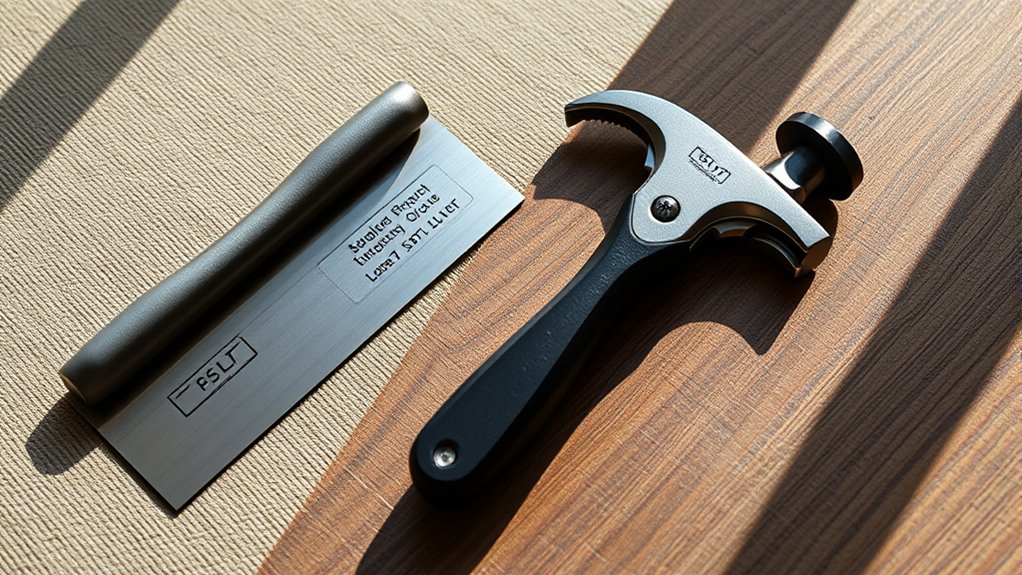
When it comes to upholstery, having the right tools at your disposal is essential for achieving professional results. Understanding when to use a wide tool versus a turbo tool can considerably enhance your efficiency and effectiveness in various upholstery projects. Wide tools, with a cleaning path of 4 to 8 inches, are designed for large-area efficiency. They allow you to cover broad seat cushions, sofas, and carpets quickly, reducing the number of passes needed. This can be especially beneficial during routine maintenance or large cleaning jobs where time matters. Quality tools influence project durability and appearance, ensuring that your efforts lead to lasting improvements. Additionally, using energy-efficient solutions not only enhances your cleaning process but also aligns with sustainable practices.
Having the right upholstery tools, like wide and turbo options, is key for achieving efficient and professional cleaning results.
Wide tools also reduce the risk of over-wetting. By distributing the cleaning solution across a wider area, they work well with lower-flow extractors, minimizing the chance of saturating the padding beneath the fabric. Their construction is simpler, which means they require less maintenance and have fewer moving parts compared to turbo or electric tools. If you’re working with delicate upholstery or woven fabrics, a wide tool provides the gentle extraction necessary without the risk of damaging the fibers.
On the other hand, turbo tools are your go-to for deep-cleaning tasks. These air- or turbine-driven nozzles feature a spinning brush that lifts dirt from textured fabrics and automotive interiors. If you’re tackling small areas like seams and bolsters, the compact head of a turbo tool easily fits into tight contours, making it ideal for detail work. The agitation from the spinning brush also means you can effectively remove embedded soil, improving your overall cleaning results.
You might find that turbo tools excel in targeted stain removal. The spinning action allows for effective agitation before extraction, reducing the need for repeated chemical applications. While wide tools focus on flow and coverage, turbo tools prioritize mechanical agitation, which can sometimes lead to a balance issue with suction flow. Be mindful of the fabric type you’re working with; heavier piles and textured fabrics often respond better to the agitation a turbo tool provides.
Ultimately, the choice between a wide tool and a turbo tool comes down to your specific cleaning needs. If you’re dealing with large areas or delicate materials, go for the wide tool. For deep cleaning in intricate spaces, turbo tools will serve you well. By matching the right tool to your task, you’ll achieve cleaner results and maintain the integrity of the fabrics you work with, ensuring that your upholstery projects shine.

BISSELL ProHeat 2X Revolution Pet Pro Plus Carpet Cleaner, 3588F
- Deep Cleaning for Pet Messes: Removes tough pet stains and odors
- Effective Spot & Stain Removal: CleanShot Pretreater with OXY for stains
- Odor Prevention Technology: StainProtect technology prevents future stains
As an affiliate, we earn on qualifying purchases.
Frequently Asked Questions
Can I Use a Wide Tool on All Upholstery Types?
No, you can’t use a wide tool on all upholstery types. While it’s great for large, flat surfaces like sofas and carpets, it may not be appropriate for delicate fabrics or areas with deep textures. Using a wide tool on sensitive materials can risk fiber disruption or shrinkage. For intricate designs or heavy pile fabrics, a turbo or detail tool would be a better choice to ensure effective cleaning without damage.
How Do I Clean and Maintain My Upholstery Tools?
Did you know that regular maintenance can extend the life of your upholstery tools by up to 50%? To clean and maintain your tools, start by rinsing them with clean water after each use to prevent residue buildup. Inspect moving parts regularly and replace worn-out components. Additionally, verify your tools’ connections are secure and clean to maintain ideal airflow. Finally, store them in a dry place to avoid rust and damage.
What Is the Average Lifespan of Upholstery Tools?
The average lifespan of upholstery tools typically ranges between 5 to 10 years, depending on usage and maintenance. If you regularly clean and inspect your tools, they can last longer. You’ll want to watch for wear on moving parts and replace them as needed. Proper care, like avoiding overuse and storing tools correctly, can also extend their lifespan. Investing in quality tools can further enhance durability and performance over time.
Are There Safety Precautions When Using Upholstery Tools?
Using upholstery tools is like steering a dance floor; you need to be aware of your surroundings. Prioritize safety by wearing gloves and goggles to protect against chemicals and debris. Always check your equipment for wear and tear, ensuring hoses and cords are intact to prevent accidents. Keep your workspace clear to avoid tripping hazards. By taking these precautions, you’ll not only enhance your safety but also improve your overall cleaning efficiency.
Can Upholstery Tools Be Used on Carpets as Well?
Yes, you can use upholstery tools on carpets! Wide tools are great for large, flat areas, cleaning efficiently without over-wetting. Turbo tools excel in reaching deep into carpet fibers, effectively removing embedded dirt and stains. Just make certain you adjust the suction flow and pressure to match your carpet type, avoiding any damage. With the right tool and technique, you’ll achieve fantastic results on both upholstery and carpet surfaces.
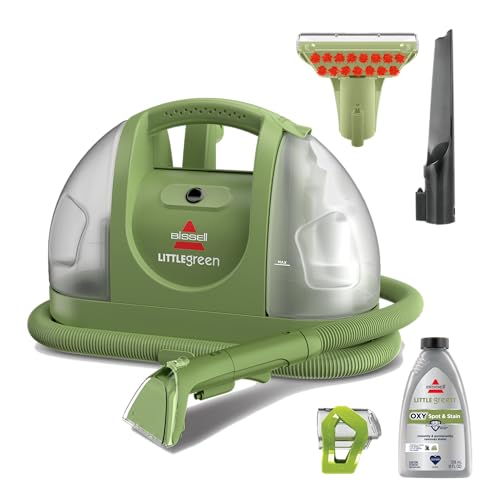
BISSELL Little Green Multi-Purpose Portable Carpet Cleaner, 1400B
- Trusted Brand: America's #1 portable cleaning brand
- Mess Removal: Removes 100+ common stains and messes
- Powerful Cleaning: Triple action formula for stains and odors
As an affiliate, we earn on qualifying purchases.
Conclusion
In conclusion, choosing the right upholstery tool can make all the difference in your project’s outcome. For instance, if you’re tackling a large sofa, a wide tool will cover more surface area quickly, while a turbo tool is perfect for those intricate corners and tight spaces. By understanding when to use each, you’ll achieve a professional finish and save time. So, next time you explore upholstery, remember: the right tool is your best friend!

BISSELL TurboClean Upright Carpet Cleaner, OXY Formula, 3952
- Pet Support Initiative: Supports BISSELL Pet Foundation with every purchase
- Lightweight Cleaning Power: Outcleans competitive lightweight carpet cleaners
- DeepReach Powerbrush: 4-row brush removes ground-in dirt and stains
As an affiliate, we earn on qualifying purchases.

BISSELL Little Green Mini Portable Carpet Cleaner, 4075
- Supports Pet Foundation: Every purchase helps save pets
- Removes Pet Stains: Tackles spills and pet stains
- Allergen Removal: Removes dander, dust, pollen
As an affiliate, we earn on qualifying purchases.