When your vacuum’s dust bin fills, it disrupts the airflow and weakens the cyclone’s centrifugal force, causing dust and debris to escape rather than be separated. This reduces suction and power. Blockages in filters, hoses, or the cyclone itself also contribute to the problem by impeding airflow. To keep your vacuum running strong, it’s important to maintain the cyclone components and empty the bin regularly. More tips on maintaining peak performance lie ahead.
Key Takeaways
- As the bin fills, increased dust load reduces airflow and weakens cyclone separation efficiency.
- Dust accumulation along chamber walls creates blockages, restricting airflow and diminishing suction power.
- A full or clogged bin causes pressure buildup, impairing the cyclone’s ability to effectively separate dirt from air.
- Reduced airflow from bin fill or blockages leads to less centrifugal force, allowing dust to escape back into the airflow.
- Regular emptying and maintenance of filters and cyclone components help preserve consistent power and separation efficiency.

USANOOKS Microfiber Cleaning Cloth Grey - 12 Pcs (12.5"x12.5") - High Performance - 1200 Washes, Ultra Absorbent Microfiber Towel Weave Grime & Liquid for Streak-Free Mirror Shine - Car Washing Cloth
- High Absorbency Microfiber: Locks in 8-10x its weight in liquids
- Durable 2.5mm Thick Design: Resists lint, scratches, and shedding
- Swirl-Free Mirror Shine: Rapid dry layers prevent damage
As an affiliate, we earn on qualifying purchases.
Understanding Cyclonic Separation and Its Role in Vacuum Performance

Have you ever wondered how some vacuums manage to keep dust and debris from clogging filters? It all comes down to airflow optimization and how the vacuum handles dust particle size. Cyclonic separation uses a spinning motion to create centrifugal force, which pushes larger dust particles outward, away from the airflow path. This process prevents debris from reaching the filter, maintaining suction power longer. The design ensures that airflow remains steady and efficient, allowing the vacuum to pick up dirt effectively without losing power as the bin fills. By managing dust particle size through centrifugal force, cyclonic vacuums reduce filter clogging, improve performance, and extend the lifespan of the vacuum. The system’s effectiveness is also supported by airflow optimization, which is crucial for consistent cleaning efficiency. Additionally, the dust separation process effectively directs larger particles away from the airflow, contributing to the system’s overall efficiency. Proper dust management is essential to ensure the vacuum maintains its suction and performance over time, making it a key feature of cyclonic systems that keeps your cleaning consistent and effective. Moreover, incorporating advanced airflow techniques can further enhance the separation process by improving airflow dynamics within the cyclone. Furthermore, venturi effects play a significant role in enhancing the separation process by improving airflow dynamics within the cyclone.

Amazon Basics Microfiber Cleaning Cloths, Ultra Absorbent, Lint Free, Streak Free, Non-Abrasive, Reusable and Washable, 16" x 12", Blue/White/Yellow, Pack of 24
- Size: 16 x 12 inches
- Pack Size: 24 cloths
- Material: Microfiber
As an affiliate, we earn on qualifying purchases.
How a Cyclone Chamber Uses Centrifugal Force to Separate Dirt and Air

When air spins inside a cyclone chamber, centrifugal force pushes dirt particles outward toward the walls. This force causes dirt to separate from the airflow and fall into the collection bin. Understanding how centrifugal force works helps you see how dirt is efficiently removed from the air stream. Additionally, the use of cyclone chamber technology enhances the vacuum’s ability to maintain consistent suction power as the bin fills. This process is similar to how aerodynamics in nature influence the efficiency of various natural systems, as well as engineered devices like vacuums. Recognizing the role of centrifugal force in this process allows for better appreciation of the vacuum’s design and performance. In fact, vacuum engineering continually explores ways to optimize this force to improve cleaning efficiency.
Centrifugal Force Mechanics
How does a cyclone chamber effectively separate dirt from air? It all comes down to centrifugal force, which relies on rotational inertia. As air and dirt enter the chamber, they’re forced into a spiral pattern, spinning rapidly. This rotational movement increases air pressure at the outer edge of the cyclone. Because dirt particles are heavier, they can’t keep up with the swirling air and are pushed outward toward the chamber’s wall. Meanwhile, cleaner air, with less rotational inertia, moves inward toward the center of the cyclone. The centrifugal force acts on the dirt, throwing it outward, away from the airflow. This separation process depends on the balance of air pressure and rotational inertia, enabling the cyclone to effectively filter dirt without losing suction. Additionally, the design of the cyclone chamber optimizes these forces to maintain consistent suction power as the dust bin fills.
Dirt Separation Process
A cyclone chamber uses centrifugal force to separate dirt from the airflow efficiently. As air spins inside the chamber, dirt and dust particles are pushed outward by centrifugal force, causing them to gather along the chamber walls. This process prevents dust accumulation in the motor or filters, maintaining suction power. Without effective separation, dirt can build up, leading to airflow obstruction and decreased vacuum performance. The cyclone’s design ensures that cleaner air exits the chamber, while dirt remains separated and falls into the collection bin. This continuous process minimizes clogging and keeps your vacuum operating at peak strength. Additionally, airflow dynamics play a crucial role in how effectively the cyclone chamber separates dirt, ensuring consistent performance regardless of bin fullness. By understanding how dirt separation works, you can better appreciate how cyclonic vacuums maintain consistent power even as the bin fills.

10 Pack Microfiber Cleaning Cloths, Large 30" x 16" Absorbent Streak Free Lint Free Washable Reusable Towels for Floor Mop, Kitchen, Car, Windows, Glass, Stainless Steel, Multi-Purpose Rags, Blue
- EXTRA LARGE SIZE: Each microfiber cleaning cloth measures...
- STREAK FREE & LINT FREE: These microfiber cloths leave surfaces...
- PREMIUM MATERIAL & HIGHLY ABSORBENT: Made from high quality microfiber...
As an affiliate, we earn on qualifying purchases.
The Relationship Between Bin Capacity and Separation Efficiency

When you choose a larger bin, you’ll notice airflow slows down, which can reduce separation efficiency. This means dirt and debris might not be separated as thoroughly as with smaller bins. Understanding this balance helps you optimize your cyclone’s performance effectively. Additionally, selecting the right filtering systems can help maintain airflow and separation quality even as the bin fills. Properly designed cyclone geometries can also mitigate some of the airflow reduction caused by larger bins. Being aware of airflow dynamics can further enhance your vacuum’s overall performance as the bin capacity increases. Moreover, incorporating advanced engineering principles into the cyclone design can improve efficiency despite the challenges posed by larger bins. Recognizing the importance of craftsmanship in designing these systems ensures that performance and durability are maintained as specifications change.
Larger Bins Reduce Airflow
Larger collection bins in cyclonic separators often lead to reduced airflow, which can hinder the device’s separation efficiency. As the bin size increases, airflow obstruction becomes more common, making it harder for the vacuum to maintain a strong, consistent suction. Bin design plays a critical role here; poorly designed or overly large bins can disrupt the airflow path, causing turbulence and diminishing separation performance. When airflow slows or becomes turbulent, dust and debris are less effectively separated from the air stream. This means your vacuum might seem less powerful as the bin fills, not because of the motor but because of compromised airflow. To optimize performance, choose a bin size that balances capacity with an effective airflow design to prevent airflow obstruction.
2. Capacity Limits Separation Effectiveness
As bin capacity increases, the potential for reduced separation efficiency becomes more pronounced. When dust capacity is high, the vacuum struggles to maintain ideal airflow. This airflow restriction leads to several effects:
- Dust accumulates faster, filling the bin’s dust capacity quickly.
- Reduced airflow decreases cyclonic separation effectiveness.
- Larger dust loads cause the separator to become overwhelmed.
- As a result, fine particles escape and settle in the bin, diminishing overall power.
You’ll notice that as the bin fills, separation efficiency drops because airflow can’t sustain the vigorous cyclonic action needed. Managing dust capacity and ensuring airflow remains unobstructed are key to maintaining strong separation performance, even as the bin reaches its limits.
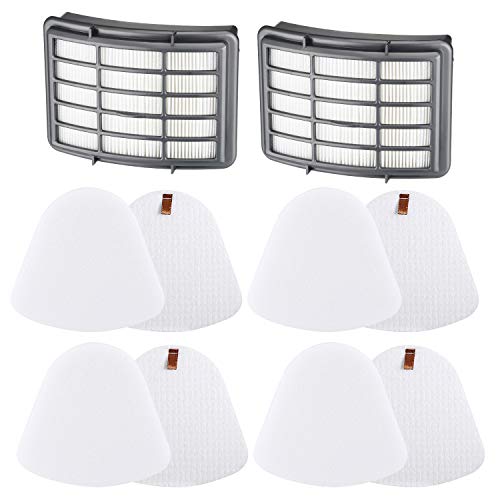
4+2 Pack Filters for Shark Vacuum Navigator Lift Away Filter Replacement Models NV350 NV351 NV352 NV355 NV356E NV360 UV440 UV540 CU500 XFF350 XHF350
- Compatible with Shark Navigator Models: Fits various NV and UV series models
- Valuable Pack Includes: 4 foam, 4 felt, 2 HEPA filters
- High-Efficiency HEPA Filters: Blocks secondary air pollution effectively
As an affiliate, we earn on qualifying purchases.
Common Signs That Cyclonic Separation Is Becoming Less Effective

Ever notice a drop in your cyclonic separator’s performance? You might observe inconsistent airflow dynamics, causing your vacuum to lose suction. When dust accumulation begins to build up in the cyclone or collection bin, airflow becomes restricted, reducing overall efficiency. You may also hear a change in the sound of the motor, indicating less effective separation. Another sign is dust escaping back into the air or around the bin, meaning the cyclone isn’t trapping debris properly. If you notice these signs, it’s likely that the cyclone’s ability to separate dust from the airflow is diminishing, often due to buildup or minor blockages. Regular maintenance and proper cleaning techniques can help prevent these issues and maintain optimal performance. Being aware of airflow patterns can help you identify early signs of decline. Recognizing these symptoms early helps you maintain ideal vacuum performance and prevents more serious issues down the line. Additionally, understanding the design features of your cyclone system can aid in troubleshooting and extending its lifespan. Monitoring dust collection efficiency can provide further insight into when your cyclone system needs attention. Paying attention to airflow dynamics can also guide you in making timely adjustments or repairs to sustain efficiency.
The Impact of Clogged Filters on Cyclonic Vacuum Systems

When filters get clogged, your vacuum’s suction drops considerably, making cleaning less effective. Regularly maintaining and cleaning your filters helps prevent these blockages. Keeping filters clear ensures your cyclonic system works at peak performance. Additionally, understanding the importance of filter maintenance can help prolong the life of your vacuum and maintain optimal efficiency. Proper filter cleaning not only restores suction but also prevents microbial growth that can cause odors or damage.
Filter Blockages Reduce Suction
Have you noticed your vacuum losing suction over time? It’s likely caused by filter blockages that lead to airflow restrictions. When filters clog, air can’t flow freely through the system, reducing suction power. Here’s what happens:
- Dirt and debris clog the filter, blocking airflow.
- Reduced airflow causes the cyclonic separation to become less effective.
- The vacuum works harder to maintain suction, straining the motor.
- Ultimately, suction weakens, and cleaning becomes less efficient.
Regularly checking and replacing filters prevents these blockages, ensuring consistent airflow. When filters are clear, your vacuum maintains strong suction, making cleaning easier. Keeping filters clean is a simple way to prevent power loss and prolong your vacuum’s lifespan.
Easy Maintenance Prevents Clogs
Regular maintenance is key to preventing clogs in your cyclonic vacuum system. By routinely checking and cleaning HEPA filters, you ensure airflow stays unobstructed and allergens are effectively captured. Clogged filters force your motor to work harder, reducing its lifespan over time. Replacing filters when necessary keeps suction strong and maintains superior performance. Additionally, cleaning out the filter housing prevents debris buildup that can cause blockages. Avoid neglecting these simple steps, as they directly impact your vacuum’s efficiency and durability. Keeping filters clean and replacing them as recommended helps prevent clogs, ensuring the cyclonic separation system functions smoothly. Easy maintenance not only preserves suction power but also extends your vacuum’s overall lifespan. Staying proactive saves you time and money on repairs or replacements.
Why Suction Power Declines as the Dust Bin Fills Up

As the dust bin fills up, the suction power of your cyclonic separator decreases because the airflow becomes restricted. When the dust compartment gets crowded, it blocks the smooth flow of air, affecting air filtration and reducing power. To understand why, consider these factors:
- The dust compartment’s capacity limits airflow, causing pressure buildup.
- Debris accumulation hampers air filtration efficiency.
- Restricted airflow lessens the cyclone’s ability to separate dust from air.
- Reduced airflow means less suction at the nozzle, making cleaning harder.
As a result, your vacuum struggles to pick up debris effectively, especially as the bin approaches full capacity. To maintain consistent power, it’s essential to empty the dust compartment regularly and ensure unobstructed airflow.
Maintenance Tips to Keep Your Cyclonic System Operating at Peak Performance

To keep your cyclonic system running at its best, routine maintenance is essential. First, regularly empty the dust bin before it becomes full, ensuring airflow remains ideal. Check for blockages in the hose and wand, as obstructions reduce airflow and power. Clean the cyclonic separator and filters according to the manufacturer’s instructions—this boosts airflow efficiency and prevents dust buildup. Replace filters when they show signs of wear to enhance filter longevity. Keep the motor filter clean, and inspect seals for tightness to maintain suction. Additionally, avoid using harsh chemicals that could damage components. Consistent maintenance not only preserves suction strength but also prolongs the life of your vacuum, keeping it performing at peak efficiency whenever you need it.
Comparing Cyclonic and Traditional Bagged Vacuum Systems

Have you ever wondered how cyclonic and traditional bagged vacuum systems compare in performance and convenience? Here’s a quick breakdown:
- Cyclonic vacuums use dust bag alternatives, reducing the need for frequent bag replacements.
- They maintain consistent suction power longer, unlike traditional systems that lose strength as the bag fills.
- Cyclonic models often feature HEPA filtration, trapping fine allergens and improving air quality.
- Traditional bagged vacuums are usually simpler and less expensive upfront but require ongoing bag purchases and regular maintenance.
While cyclonic systems excel in dust containment and filtration, traditional vacuums offer straightforward operation. Your choice depends on your priorities—convenience, allergy control, or budget.
Innovations in Cyclonic Technology to Prevent Power Loss

Innovations in cyclonic technology focus on maintaining consistent power and suction throughout cleaning sessions. These advancements enhance airflow optimization and dust separation, preventing power loss as the bin fills. Modern designs incorporate better airflow pathways, ensuring debris doesn’t clog or slow down suction. Improved dust separation methods keep fine dust from reaching the motor, preserving performance. Here’s a glimpse of how these innovations make a difference:
| Innovation | Benefit |
|---|---|
| Enhanced airflow pathways | Consistent suction power |
| Sealed cyclone chambers | Better dust separation |
| Adjustable cyclones | Customizable airflow |
| Lightweight components | Easier handling |
| Smart sensors | Real-time performance feedback |
With these innovations, your vacuum stays powerful longer, making cleaning easier and more efficient.
Troubleshooting Tips for Restoring Suction in a Partially Filled Dust Bin

When your vacuum’s suction weakens despite a partially filled dust bin, it’s often due to airflow restriction or clogs caused by debris buildup. To restore power, try these troubleshooting steps:
- Check the dust bin capacity and empty it if it’s nearly full, ensuring peak airflow.
- Inspect the hose and wand for blockages or debris that may cause airflow restriction.
- Clean or replace the filters, as dirty filters can impede airflow and reduce suction.
- Examine the cyclone or separator for clogs or debris buildup that might restrict airflow.
Frequently Asked Questions
Can I Repair My Cyclonic Separator Myself?
Yes, you can attempt DIY repairs on your cyclonic separator, but proceed with caution. Start with troubleshooting tips like checking for clogs or blockages, inspecting seals, and cleaning the cyclone chamber. If you’re comfortable with basic tools, you might replace worn parts or tighten connections. However, if issues persist or you’re unsure, it’s better to consult a professional to avoid causing further damage.
How Do Environmental Factors Affect Cyclonic Separation?
Did you know that dust accumulation can reduce airflow efficiency by up to 30%? Environmental factors like humidity, temperature, and airborne pollutants notably impact cyclonic separation. High humidity causes dust particles to clump, hindering airflow and decreasing separation efficiency. Pollutants can clog filters or disrupt airflow patterns. To maintain the best performance, keep the environment dry and clean, and regularly check for dust buildup that can impair your vacuum’s cyclonic separation process.
Are There Brands Known for More Durable Cyclonic Systems?
You’ll find that brands like Dyson, Shark, and Miele are known for more durable cyclonic systems due to their strong brand reliability and focus on durability factors. These brands use high-quality materials and innovative engineering to guarantee longevity and consistent performance. When choosing a vacuum, prioritize models from these brands, as they typically offer better durability, reducing the chances of power loss as the bin fills and extending your vacuum’s lifespan.
What Is the Average Lifespan of a Cyclonic Vacuum?
A cyclonic vacuum typically lasts 5 to 8 years, depending on usage and maintenance. You should regularly clean the vacuum filters and monitor the dust capacity to guarantee peak performance. Proper upkeep prevents clogging and maintains suction power, extending its lifespan. Investing in quality models and following cleaning routines can help your vacuum serve you longer, making it a worthwhile choice for durability and consistent cleaning.
Do All Cyclonic Vacuums Have the Same Maintenance Needs?
Your cyclonic vacuum’s maintenance needs can vary wildly—some are as demanding as a full-time job, others much easier. You should regularly clean the filter and inspect the seals to guarantee peak performance. Not all vacuums are the same, so check your manufacturer’s instructions for specific maintenance routines. Staying on top of these tasks keeps your vacuum running smoothly and prolongs its lifespan, saving you from unexpected power loss.
Conclusion
To keep your vacuum running like new, remember that a well-maintained cyclonic system is the heartbeat of powerful cleaning. Think of it as a finely tuned orchestra—when one part falters, the whole performance suffers. Regularly empty your bin, check filters, and stay attentive to signs of wear. With a little care, you’ll keep your vacuum’s power shining bright, turning chores into a breeze instead of a battle.