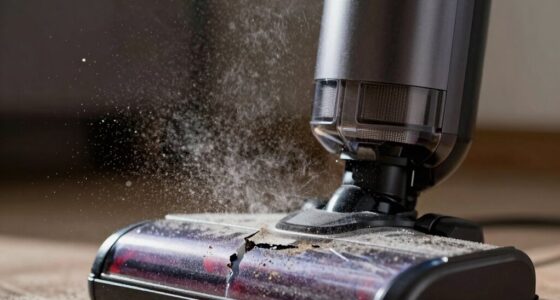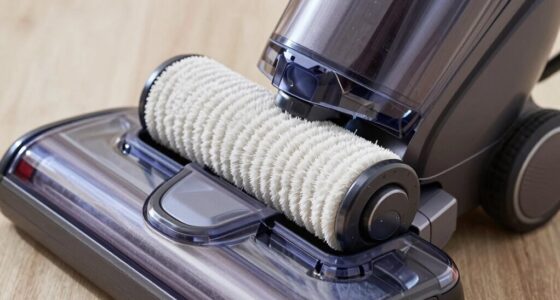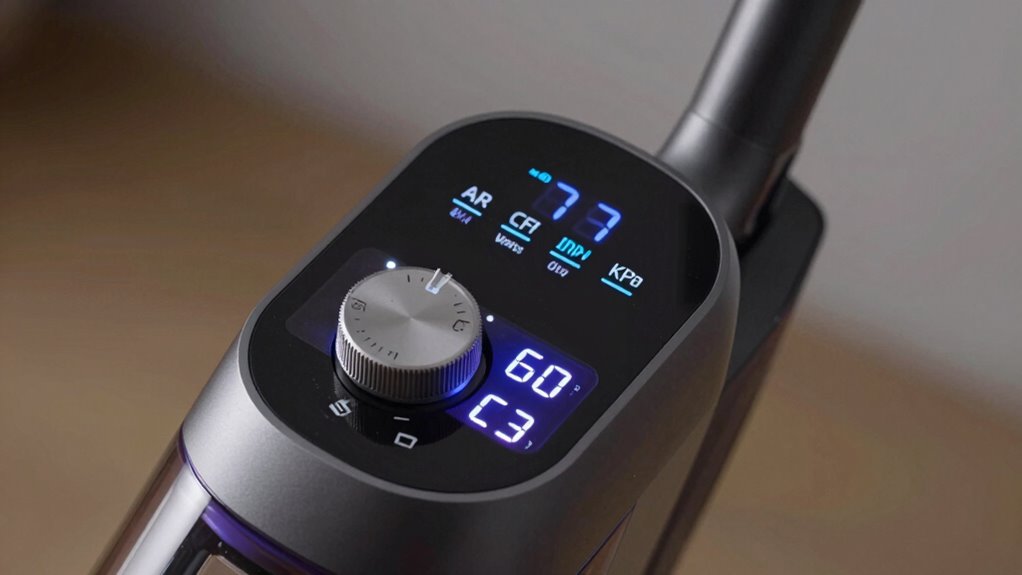

When choosing a vacuum, focus on air watts for overall power, as it combines airflow and suction for true performance. CFM shows how much air the cleaner moves, helping with debris removal, while KPa measures suction strength—important for picking up dirt from deep surfaces. Not all numbers are equally meaningful; for example, high suction doesn’t always mean effective cleaning if airflow is weak. To truly optimize your pick, understanding how these metrics work together is key—more details are ahead.
Key Takeaways
- Air watts provide a comprehensive measure of vacuum power, integrating airflow and suction, and are more indicative of cleaning performance than CFM or KPa alone.
- CFM indicates airflow volume; higher values help dislodge debris but must be balanced to prevent excessive noise.
- KPa reflects suction force; stronger suction improves dirt pickup but can increase noise and user discomfort if not balanced.
- Actual cleaning effectiveness depends on real-world factors like surface type, design, and filter quality, not just raw numbers.
- Focus on a combination of air watts, CFM, and KPa, alongside user reviews and brand reputation, for a meaningful assessment of vacuum performance.
Understanding Air Watts: What It Means for Vacuum Power
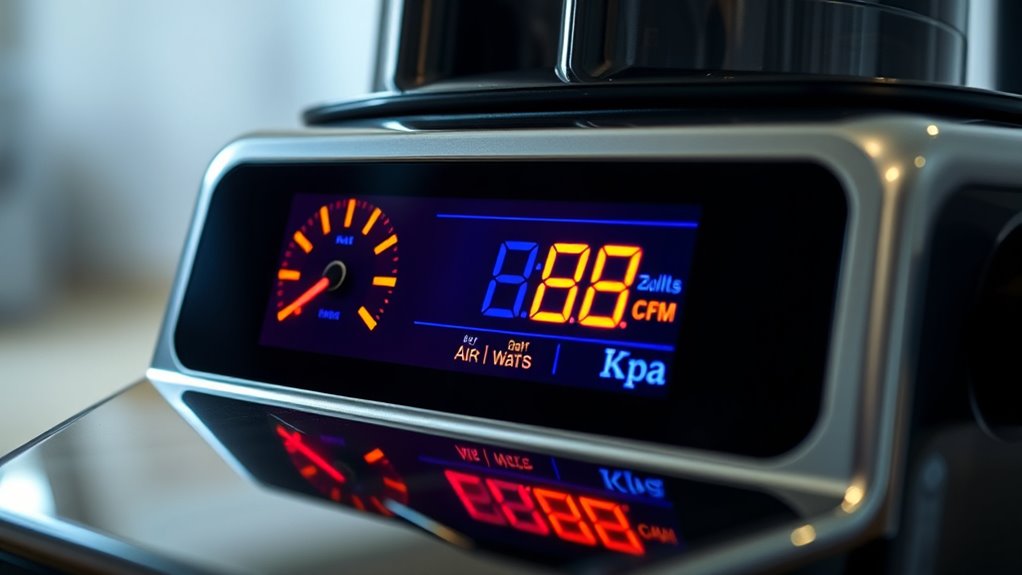
Understanding air watts is essential to grasping a vacuum’s true power. This measurement combines suction and airflow, giving you a clear idea of how well your vacuum cleans. Higher air watts typically mean better cleaning performance, especially when it comes to filter efficiency, as a powerful vacuum can trap more dirt without losing suction. Additionally, air watts influence noise levels; a more efficient motor can operate quietly while maintaining strong suction. When evaluating vacuums, look beyond simple numbers and consider how air watts reflect overall effectiveness. A vacuum with good air watts can handle stubborn dirt and pet hair more efficiently. Remember, a high air watt rating often correlates with better filter efficiency and a more pleasant, quieter cleaning experience. Natural filtration systems in some vacuums enhance performance by reducing the need for chemical filters, further improving efficiency. Moreover, understanding airflow dynamics helps you choose a vacuum that balances power with energy efficiency for sustainable use.
The Role of CFM in Effective Cleaning

Have you ever wondered why some vacuums pick up dirt more effectively than others? The answer often lies in CFM—cubic feet per minute—which measures airflow. Higher CFM means more air moves through the vacuum, helping dislodge and lift debris from surfaces. This increased airflow improves cleaning efficiency, especially on carpets and uneven surfaces. Plus, consistent airflow can extend your filter’s lifespan by preventing clogging and buildup. Additionally, understanding airflow dynamics can help you select a vacuum with optimal performance tailored to your cleaning needs. Proper airflow management also influences the overall vacuum efficiency, ensuring that your device performs at its best over time. Recognizing the importance of airflow rate can guide you to choose a model that balances power and noise levels effectively. However, be mindful that higher CFM units sometimes produce more noise, affecting noise levels during use. A balance is key: enough airflow for deep cleaning without excessive noise or wear on parts. Moreover, effective airflow can also prevent overheating and mechanical failures in the vacuum. Being aware of how airflow management impacts the longevity of your vacuum can help you maintain its performance and avoid costly repairs. Understanding how CFM impacts cleaning performance helps you choose a vacuum that’s both effective and gentle on its components.
KPa and Suction: How It Influences Performance

KPa, or kilopascals, measures the amount of force a vacuum’s motor applies to lift dirt and debris, directly impacting its suction power. Higher KPa typically means stronger suction, which can improve dust filtration by pulling in smaller particles more effectively. However, increased suction often leads to higher noise levels, so you might notice your vacuum gets louder as KPa rises. It’s essential to find a balance; too much force can make your vacuum noisy and less comfortable to use. While strong suction helps with deep cleaning, it doesn’t guarantee better dust filtration if the filters aren’t efficient. Understanding how KPa influences both suction and noise levels helps you choose a vacuum that performs well without sacrificing comfort or air quality.
Why Not All Numbers Are Equally Important

While higher KPa numbers indicate stronger suction, they don’t tell the whole story about a vacuum’s performance. Factors like battery life and noise levels often matter more in real-world use. A vacuum with excellent suction but poor battery life may leave you frustrated, forcing frequent recharges. Similarly, high noise levels can make cleaning uncomfortable, especially in quiet spaces or shared homes. These numbers influence your overall experience more than raw suction power alone. You want a vacuum that balances strong cleaning ability with manageable noise and long-lasting battery life. Otherwise, you risk sacrificing comfort for performance, which isn’t practical for daily cleaning routines. Focus on the full package rather than just the numbers that look impressive but don’t reflect everyday usability. Additionally, pay attention to performance features that impact your actual cleaning experience beyond specs. For example, user-centered design elements like ergonomic handling can significantly enhance your cleaning sessions. Considering market research can also help identify models with the best balance of these factors. Evaluating performance metrics beyond raw numbers ensures you select a vacuum suited for your specific needs and environment. Understanding how testing standards are applied can further help you interpret these specifications more accurately.
The Relationship Between Air Watts, CFM, and Suction
Understanding how air watts, CFM, and suction relate is key to evaluating a vacuum’s cleaning power. Air watts measure overall efficiency, CFM indicates airflow volume, and suction reflects the force pulling debris. These metrics interact as follows:
- Higher CFM boosts airflow, helping loosen and lift dirt.
- Increased air watts signify better overall performance, balancing airflow and suction.
- Consistent filter maintenance ensures these numbers stay maximum, preventing blockages that reduce suction and noise levels.
If filters clog, both suction and noise levels worsen, making your vacuum less effective. A good balance among these metrics ensures thorough cleaning without excessive noise or strain on the motor. Focusing on their relationship helps you select a vacuum that performs well and maintains efficiency over time.
Common Misconceptions About Vacuum Metrics
Many people assume that higher numbers in vacuum metrics automatically mean better cleaning performance, but this isn’t always true. For example, a vacuum with high air watts or CFM might seem more powerful, but if it lacks good dust filtration, it won’t effectively trap dirt and allergens. Similarly, a machine that boasts high suction but produces loud noise levels can be disruptive and uncomfortable to use. Noise levels matter because they impact comfort and usability, especially in shared spaces or quiet environments. Focusing solely on raw numbers can mislead you into choosing a vacuum that doesn’t meet your needs for dust filtration or noise control. Remember, the most important metrics are those that align with your specific cleaning priorities, not just the highest figures on a spec sheet. Additionally, understanding Rhythm Failure can shed light on how performance metrics may sometimes be misleading or misinterpreted. Recognizing the balance between power and filtration can help you select a vacuum that offers both effective cleaning and comfortable operation. Moreover, considering performance consistency helps ensure the vacuum maintains efficiency over time rather than just in initial tests. Being aware of performance variability can help you choose a model that reliably performs under different conditions and usage patterns.
How to Compare Vacuums Using Their Specs
How can you effectively compare vacuum specs to find the right model for your needs? Focus on three key factors:
- Battery longevity – Longer battery life means less frequent charging, ideal for cordless models. Additionally, understanding power ratings can help you assess the vacuum’s ability to handle different cleaning tasks effectively. Recognizing battery technology advancements can also inform your choice for longer-lasting performance. Industry standards and performance benchmarks can further guide your evaluation. Staying informed about battery safety standards is also essential to ensure safe operation over time.
- Cord length – A longer cord allows for more cleaning area without switching outlets.
- Power ratings – While important, don’t rely solely on air watts or CFM; consider how specs translate to real-world use. Additionally, understanding vetted safety standards can help ensure the vacuum is both effective and safe for your home.
When to Focus on Power Ratings and When to Look Elsewhere
Power ratings like air watts and CFM can be useful indicators of a vacuum’s suction strength, but they shouldn’t be the sole focus when choosing a model. If you rely only on these numbers, you might overlook factors like battery lifespan or noise levels, which are essential for your daily use. For cordless vacuums, a longer battery lifespan ensures you can clean without frequent recharges. Noise levels also matter, especially if you live with others or have pets sensitive to sound. When shopping, pay attention to these practical aspects alongside power ratings. If you need quick, powerful cleans, focus on suction specs. But for convenience and comfort during regular use, consider battery longevity and noise output as well. Additionally, maintaining your vacuum with proper filter maintenance can significantly impact its overall performance and longevity. Being aware of navigation and mapping features can also help you choose models that efficiently clean your space without missing spots or wasting energy. Moreover, understanding how performance metrics correlate with real-world use can help you make a more informed decision tailored to your cleaning needs.
Real-World Cleaning vs. Technical Specifications
While technical specifications like CFM and air watts offer a snapshot of a vacuum’s capabilities, they don’t always tell the full story of how well it cleans in real-world conditions. Your experience depends on factors beyond numbers, such as vacuum aesthetics, which can influence ease of use and motivation to clean regularly. Additionally, a vacuum’s brand reputation often reflects build quality and customer support, impacting long-term satisfaction. Consider these points:
- The actual cleaning effectiveness depends on how well the vacuum handles different surfaces.
- User-friendly design and aesthetic appeal can enhance your cleaning routine.
- Trustworthy brands tend to deliver consistent performance and durability over time.
Ultimately, real-world cleaning involves more than specs; it’s about how the vacuum performs for your specific needs.
Tips for Choosing a Vacuum Based on Your Needs
To pick the right vacuum, you need to match its power to the cleaning tasks you face. Think about the types of surfaces and spaces you’ll be cleaning most often. This way, you’ll find a model that handles your needs efficiently without wasting energy.
Match Power to Tasks
Choosing the right vacuum depends on matching its suction and motor strength to the tasks you need to accomplish. For light cleaning like dust containment on furniture, a lower-powered model with quieter noise levels suffices. For heavier tasks, such as deep carpet cleaning or handling larger debris, opt for higher airflow (CFM) and more robust motor power. Consider these factors:
- Match suction power to surface type and dirt load—higher for carpets, lower for delicate surfaces.
- Balance motor strength with noise levels, especially if you’re sensitive to sound or share living spaces.
- Assess dust containment capabilities to prevent allergens from escaping, especially in homes with allergy sufferers.
Consider Space and Surfaces
When selecting a vacuum, considering the size and type of your space guarantees you get the right tool for the job. Surface textures and space considerations are vital. For textured surfaces like shag carpets or plush rugs, look for models with strong agitation and appropriate filtration to handle debris embedded deep. Hard surfaces such as hardwood or tile require vacuums with adjustable height settings and gentle brushes to prevent scratches. If your space is large, choose a model with longer cords or higher airflow (CFM) to cover more area efficiently. Small, cluttered areas benefit from lightweight vacuums that maneuver easily. By evaluating your surfaces and space layout, you ensure your vacuum provides ideal cleaning performance without unnecessary features or power.
Frequently Asked Questions
How Do Vacuum Specifications Relate to Different Cleaning Tasks?
You should match vacuum specifications to your cleaning tasks and user preferences. For light chores like dusting, a vacuum with basic suction and maneuverability works well. For deep cleaning carpets or heavy debris, look for a vacuum with strong design features that provide higher airflow and suction power. Your choice depends on whether you prioritize ease of use or maximum cleaning performance, ensuring the vacuum suits your specific needs.
Can a Higher Number in One Metric Compensate for Lower in Another?
Think of vacuum metrics as a balancing act on a tightrope; a higher number in one area can’t fully compensate for a lower in another. For example, a powerful motor may boost cleaning but could drain your battery faster, reducing lifespan. Similarly, a vacuum with high suction might be noisy, impacting noise levels. You need harmony across specs to match your cleaning needs without sacrificing battery health or comfort.
Are There Industry Standards for Measuring Vacuum Performance?
Yes, industry standards do exist for measuring vacuum performance. These benchmarks help you compare vacuums and guarantee performance consistency across models. While specific metrics like Air Watts or CFM are important, standards focus on overall efficiency and durability. By understanding these industry benchmarks, you can better evaluate which vacuum delivers reliable power and long-term performance, making your choice more informed and ensuring your cleaning needs are met effectively.
How Does Filter Type Affect the Significance of These Numbers?
Filter type greatly influences how much these vacuum numbers matter. If you choose filter compatibility that’s suited to your vacuum, you’ll enjoy better performance consistency and effective cleaning. Some filters may reduce airflow or restrict performance, making raw numbers less meaningful. So, focus on selecting the right filter for your vacuum to guarantee the performance figures reflect real-world efficiency, rather than just raw measurements.
What Are the Most Reliable Indicators of Real-World Vacuum Effectiveness?
Think of vacuum effectiveness as a dance where suction stability and noise levels lead. You should focus on how consistently the vacuum maintains power during use and how quietly it operates—these are your best indicators of real-world performance. While technical numbers can be helpful, your experience with smooth, stable suction and quieter operation truly reveals how well a vacuum cleans in everyday situations.
Conclusion
When choosing a vacuum, focus on what truly matters for your cleaning needs. For instance, if you’re battling pet hair on carpets, a model with high CFM and air watts can make a real difference. Don’t get caught up in numbers that don’t impact performance, like KPa alone. Instead, compare specs thoughtfully and pick a vacuum that matches your home’s messes. After all, the right tool makes cleaning easier and more effective.