
To make your lithium batteries last longer, follow proper charging habits like avoiding frequent shallow cycles and keeping the charge between 20% and 80%. Store batteries in a cool, dry place at around 50% charge, and monitor for signs of degradation such as swelling or reduced runtime. Using manufacturer-recommended chargers and avoiding overcharging also helps. If you want to discover more tips, there’s a lot more to learn about maintaining their health and performance.
Key Takeaways
- Keep batteries between 20% and 80% charge to minimize stress and prolong lifespan.
- Use manufacturer-recommended chargers to prevent overcharging and damage.
- Store batteries at around 50% charge in a cool, dry environment for optimal longevity.
- Avoid deep discharges and frequent shallow cycles to reduce capacity loss over time.
- Regularly monitor batteries for signs of swelling or damage and replace when necessary.

USANOOKS Microfiber Cleaning Cloth Grey - 12 Pcs (12.5"x12.5") - High Performance - 1200 Washes, Ultra Absorbent Microfiber Towel Weave Grime & Liquid for Streak-Free Mirror Shine - Car Washing Cloth
10x GRIP-ROOT WEAVE - TRAP MORE, WORK LESS: Ultra-absorbent microfiber towels for car Grip Root weave works like...
As an affiliate, we earn on qualifying purchases.
Understanding Lithium Battery Chemistry and Performance
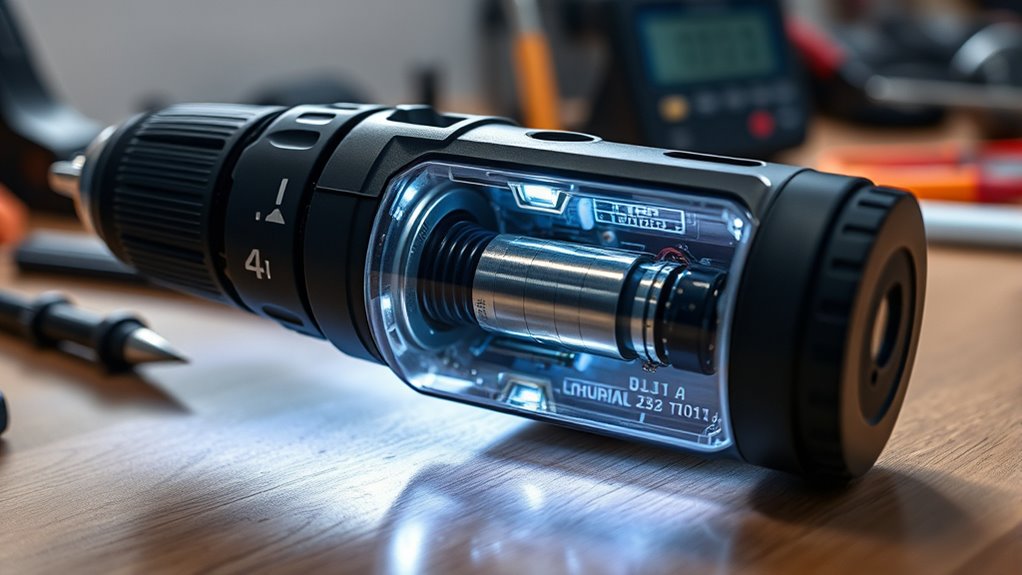
Lithium batteries have become the standard for cordless tools because of their high energy density and long-lasting performance. Their efficiency relies on electrochemical reactions that occur within the cell, involving the movement of lithium ions between electrode materials. The anode typically consists of carbon-based materials, while the cathode is made from metal oxides like lithium cobalt oxide. During discharge, lithium ions travel from the anode to the cathode, releasing electrons that power your tool. When charging, the process reverses, restoring the battery’s energy. The choice of electrode materials directly impacts capacity, voltage, and lifespan. Additionally, proper maintenance and understanding of battery chemistry can help extend the lifespan of lithium batteries. Recognizing the chemical processes involved allows for better management and optimization of battery performance. Understanding these fundamental chemistry principles helps you grasp why lithium batteries are reliable and how their performance can be optimized for longer use. For instance, avoiding deep discharges and high temperatures can significantly improve battery longevity, as well as preventing damage caused by thermal runaway. Proper storage practices also play a role in maintaining battery health and ensuring consistent performance over time.

Amazon Basics Microfiber Cleaning Cloths, Ultra Absorbent, Lint Free, Streak Free, Non-Abrasive, Reusable and Washable, 16" x 12", Blue/White/Yellow, Pack of 24
Microfiber 16 x 12-inch cleaning cloth (24-pack); ideal for cleaning cars, trucks, boats, and more
As an affiliate, we earn on qualifying purchases.
Proper Charging Practices to Extend Battery Life

To maximize your cordless tool’s battery life, it’s essential to follow proper charging practices. Avoid frequent shallow discharges; instead, aim for full charging cycles when possible, as this helps maintain battery health. Don’t leave your battery at 0% for long periods—keeping it between 20% and 80% can reduce stress and prolong its lifespan. Regular battery calibration, which involves fully charging and then fully discharging the battery occasionally, ensures your device accurately reports remaining capacity. Use the charger recommended by the manufacturer to prevent overcharging or undercharging. Avoid quick charges frequently, as they can degrade the battery faster. Additionally, understanding the importance of temperature management during charging can significantly impact battery longevity. Proper temperature control helps prevent overheating or excessive cooling, both of which can harm lithium batteries. Maintaining optimal charge cycles and performing calibration helps preserve battery capacity and extend its overall lifespan. Incorporating battery health monitoring can also help you identify issues early and adjust your charging habits accordingly. Being aware of lithium-ion chemistry specifics allows you to optimize your charging routine further for longevity.

10 Pack Microfiber Cleaning Cloths, Large 30" x 16" Absorbent Streak Free Lint Free Washable Reusable Towels for Floor Mop, Kitchen, Car, Windows, Glass, Stainless Steel, Multi-Purpose Rags, Blue
EXTRA LARGE SIZE: Each microfiber cleaning cloth measures a generous 30" x 16", providing more coverage for faster,...
As an affiliate, we earn on qualifying purchases.
Optimal Storage Conditions for Lithium Batteries
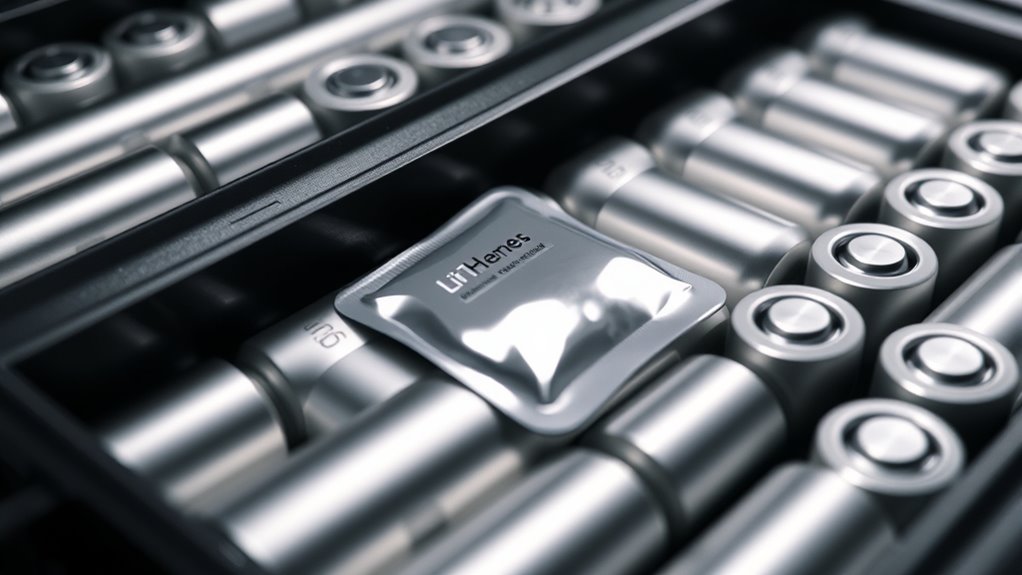
To keep your lithium batteries in top shape, store them at a temperature around 20°C (68°F). You should also keep them at about 50% charge to prevent capacity loss over time. Proper storage conditions help prolong your battery’s lifespan and ensure reliable performance. Additionally, avoiding exposure to extreme temperatures during storage can further safeguard your batteries from damage. Maintaining a consistent temperature further minimizes the risk of capacity degradation over time. Keeping batteries in a cool, dry place can also help preserve their overall health and longevity. Ensuring appropriate storage conditions can significantly extend your batteries’ life and maintain optimal performance. Regularly monitoring battery health can help detect potential issues early and optimize lifespan.
Ideal Storage Temperature
Maintaining the right storage temperature is crucial for preserving the longevity and performance of your lithium batteries. Ideal storage conditions help guarantee thermal management and voltage stability, preventing capacity loss. Store your batteries in a cool, dry place away from direct sunlight. The perfect temperature range is between 32°F and 77°F (0°C to 25°C). Temperatures above this can accelerate degradation, while colder temps may cause internal damage. Use the table below to guide your storage decisions:
| Temperature Range | Effect on Battery | Recommended Action |
|---|---|---|
| Below 32°F | Risk of damage | Warm to room temperature |
| 32°F – 77°F | Perfect | Store in a cool, dry place |
| Above 77°F | Accelerated aging | Avoid high temperatures |
| Extreme Heat | Severe damage | Never store in hot environments |
Proper thermal management ensures voltage stability and extends your battery’s life. Additionally, maintaining a consistent temperature helps prevent voltage fluctuations that can reduce battery capacity over time. To maximize battery lifespan, it’s also important to avoid frequent deep discharges which can strain the battery’s internal chemistry.
Proper State of Charge
Ensuring your lithium batteries are stored at the proper state of charge helps prevent capacity loss and extends their lifespan. Ideally, keep them between 30% and 50% charge for long-term storage. This range helps maintain optimal water quality by reducing stress on the battery’s voltage management system. It also minimizes the risk of capacity fade, which can occur when batteries are stored improperly. It prevents excessive charging cycles and reduces stress on the battery’s voltage management system. Avoid storing batteries fully charged or completely drained, as high voltage levels accelerate capacity fade, while low voltage can cause irreversible damage. Regularly check and recharge batteries if their charge drops below the recommended range. Proper voltage management during storage minimizes corrosion and degradation. Maintaining the state of charge during storage is essential for preserving battery health, reducing the number of charging cycles needed, and guaranteeing your lithium batteries perform effectively when you need them. Additionally, understanding battery chemistry can help optimize storage practices and prolong overall battery life. Being aware of storage conditions like temperature and humidity further helps in maintaining optimal battery performance over time.
4+2 Pack Filters for Shark Vacuum Navigator Lift Away Filter Replacement Models NV350 NV351 NV352 NV355 NV356E NV360 UV440 UV540 CU500 XFF350 XHF350
Perfect Compatible with Shark Navigator Lift Away Deluxe Models: CU510, NV350_26, NV350A_26, NV350E, NV350Q, NV350T, NV350W, NV350W_N, NV350WC,...
As an affiliate, we earn on qualifying purchases.
Recognizing Signs of Battery Degradation and When to Replace
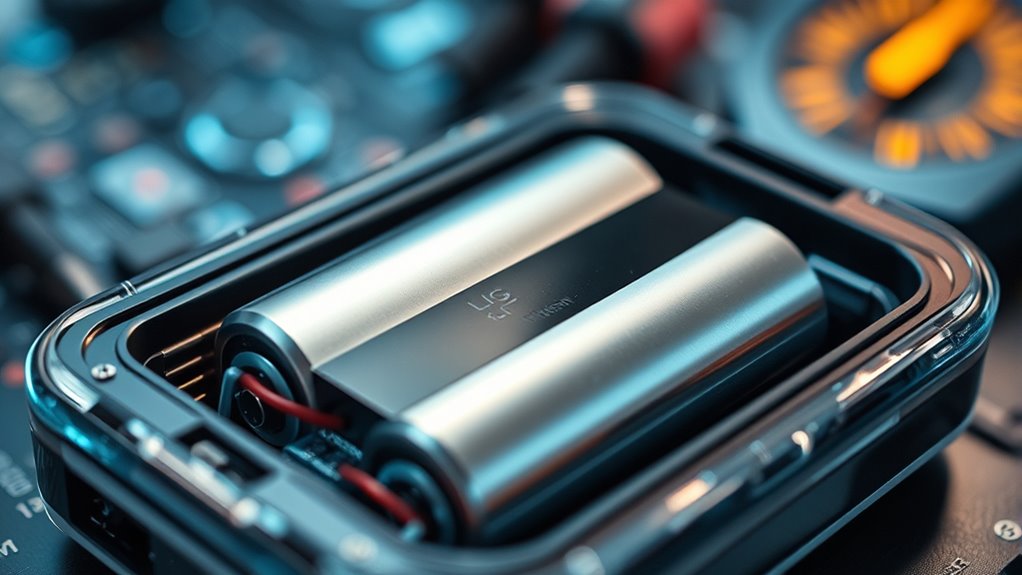
Battery degradation often becomes noticeable through a decrease in runtime or inconsistent performance. Over time, your battery’s lifespan diminishes, and degradation symptoms become clearer. You should watch for:
- Substantially shorter usage periods between charges
- The battery feeling unusually hot during use
- Difficulty reaching full charge or rapid voltage drops
- Sudden power loss or device shutdowns unexpectedly
- Ignoring these signs can lead to irreversible damage, emphasizing the importance of preventive maintenance to extend battery life. Regularly monitoring the battery’s health can help identify early signs of wear and prevent unexpected failures.
If you notice these signs, it’s a clear indicator that the battery may need replacing. Ignoring degradation symptoms can lead to reduced efficiency and potential damage to your device. Recognizing these signs early helps you determine when it’s time to replace the battery, ensuring ideal performance and prolonging your device’s overall lifespan. Proper care and routine checks keep your cordless tools working smoothly.
Tips for Maintaining Battery Health During Regular Use
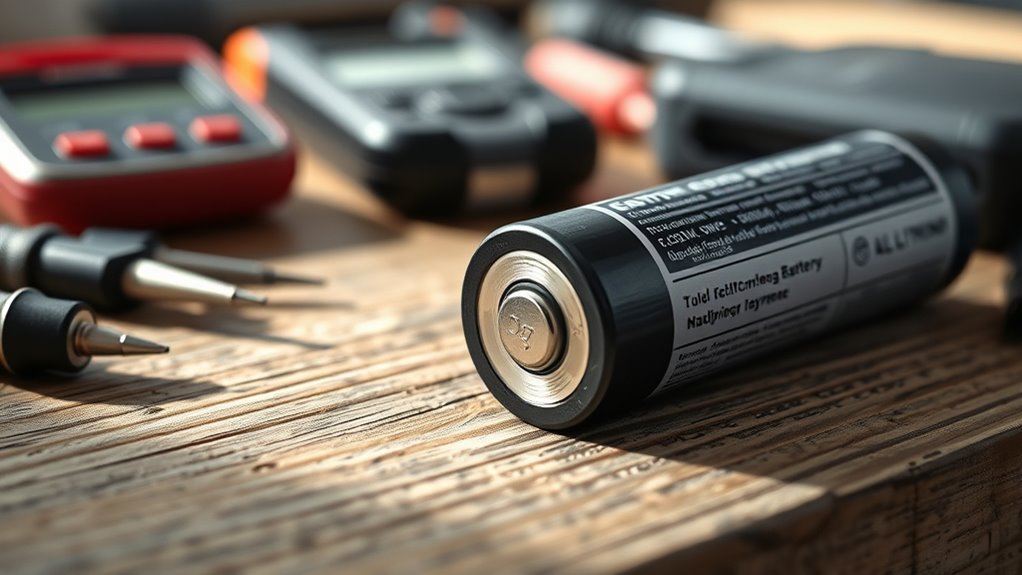
To keep your cordless battery in good shape, make sure you follow proper charging habits and avoid letting it fully drain regularly. Store your batteries in a cool, dry place when not in use, and don’t forget to recharge them periodically if they’ll be idle for a while. These simple steps help extend your battery’s lifespan and guarantee reliable performance.
Regular Charging Practices
Maintaining your cordless battery’s health during regular use depends largely on how you handle its charging routine. To optimize longevity, follow these practices:
- Charge before the battery drops below 20% to prevent deep discharges.
- Use charging station locations that provide stable power and avoid frequent interruptions.
- Avoid leaving batteries at 100% charge for extended periods; unplug once full.
- Regularly recycle old batteries at designated centers to prevent environmental harm and ensure proper disposal.
Proper Storage Methods
Proper storage practices are essential for preserving your cordless battery’s health during regular use. When not in use, store your battery in a cool, dry place, ideally within a designated storage container designed for batteries. Avoid extreme temperatures, as heat can accelerate degradation, while cold can reduce capacity. If your battery is no longer usable, consider proper battery recycling options to prevent environmental harm. Using appropriate storage container options helps protect against physical damage and moisture exposure. Keep batteries at around 40-60% charge if storing long-term, as full or empty states can harm the cells. Regularly check stored batteries for swelling or corrosion, and dispose of damaged cells responsibly. Proper storage ensures your battery remains safe and functional for as long as possible.
Innovations and Advances in Lithium Battery Technology
Recent innovations in lithium battery technology have markedly enhanced energy density, charging speed, and durability, making cordless tools more powerful and reliable. Advances like wireless charging and fast charging enable you to recharge batteries quickly and conveniently. These improvements include:
- Higher energy densities, allowing longer usage between charges
- Faster charging speeds, reducing downtime considerably
- Enhanced cycle life, extending battery lifespan
- Integration of wireless charging technology for effortless recharging
These innovations help you stay productive with less interruption. As battery technology progresses, expect even more efficient, longer-lasting, and smarter batteries for your cordless tools and devices. Staying informed about these advances ensures you maximize your battery’s lifespan and performance.
Frequently Asked Questions
How Do Temperature Fluctuations Affect Lithium Battery Lifespan?
Temperature fluctuations can considerably affect your lithium battery’s lifespan. When temperatures are unstable, it stresses the battery, causing faster degradation. To protect your battery, maintain temperature stability by avoiding extreme heat or cold. Good heat management, like storing batteries in a cool, dry place and not exposing them to high temperatures during use, helps extend their life. Consistent temperature conditions ensure peak performance and longevity for your lithium batteries.
Can Using Third-Party Chargers Damage Lithium Batteries?
Using third-party chargers can damage your lithium batteries if they aren’t compatible, just like a knight would be ill-equipped without his armor. Always check charger compatibility to prevent overcharging or undercharging, which can shorten battery life. Using an incompatible charger may also void your battery warranty. Stick to the original or recommended chargers to guarantee safe, efficient charging and preserve your battery’s health and longevity.
What Are the Environmental Impacts of Lithium Battery Disposal?
When you dispose of lithium batteries improperly, you contribute to environmental pollution and hazardous waste issues. These batteries can leak harmful chemicals that contaminate soil and water, posing risks to ecosystems and human health. To minimize this impact, always recycle lithium batteries through certified programs. Proper disposal helps prevent hazardous waste from ending up in landfills, reducing environmental pollution and protecting the planet for future generations.
How Can I Recycle or Dispose of Old Lithium Batteries Safely?
To recycle or dispose of old lithium batteries safely, you should take them to a certified battery recycling center or drop-off location. Avoid throwing them in regular trash, as they can leak or cause fires. Always handle batteries carefully, keep terminals covered, and follow local regulations for safe disposal. Battery recycling helps prevent environmental harm and recovers valuable materials, ensuring a safer, eco-friendly way to manage your old lithium batteries.
Are There Specific Brands Known for Longer-Lasting Lithium Batteries?
Some brands are renowned for longer-lasting lithium batteries due to their strong brand reputation and focus on battery longevity. You should look into brands like Samsung, LG, and Bosch, which consistently produce reliable, durable batteries. These brands invest in quality materials and advanced technology, helping you get more life out of each charge. Choosing reputable brands guarantees you get batteries that last longer and perform better, saving you money over time.
Conclusion
By following these simple tips, you can make your lithium batteries last forever—well, almost! With proper care, they’ll outlive your wildest expectations, powering your tools and devices like a champ for years. Don’t let neglect shorten their incredible lifespan; treat them right, and they’ll reward you with unstoppable performance. Remember, a little effort now means never running out of juice when you need it most. Your batteries will thank you with endless, unstoppable energy!