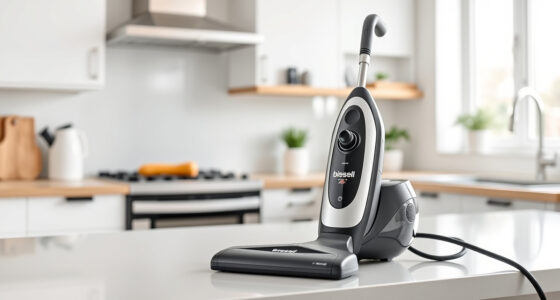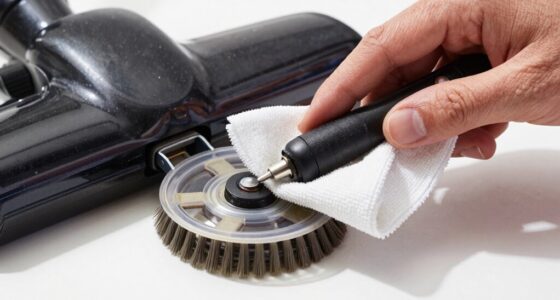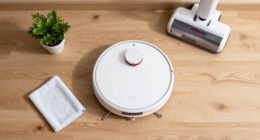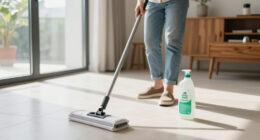
To keep your vacuum running efficiently, replace filters based on your household type. If you have pets or a busy household, change filters every 3 months. For robot vacuums, aim for every 2 to 3 months, and replace HEPA filters in allergy-prone homes every 6 to 12 months. For less active households, check every 6 to 12 months. Regular maintenance prevents clogging and guarantees better air quality. Keep going to discover more tailored tips for your vacuum needs!
Key Takeaways
- Change filters every 3 to 6 months in general households, or every 3 months in homes with pets or heavy usage.
- Robot vacuum filters should be replaced every 2 to 3 months, especially in multi-pet homes.
- HEPA filters in allergy-prone households require replacement every 6 to 12 months; avoid extending use beyond 2 years.
- For commercial settings, check HEPA filters every 6 months and replace at least annually based on usage.
- Maintain bagless and cordless vacuums by cleaning pre-filters every 1 to 3 months and replacing HEPA filters every 6 to 12 months.
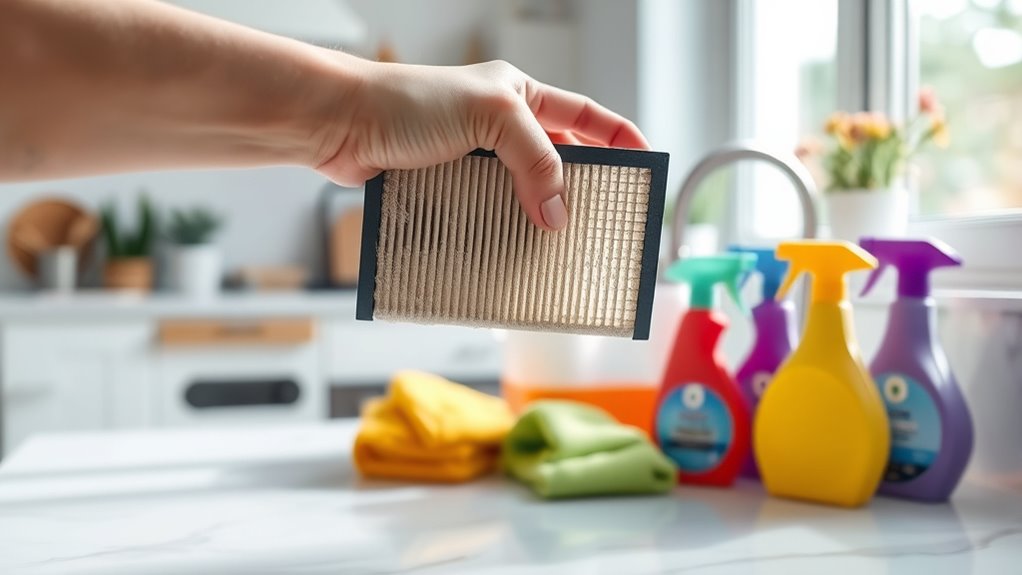
When it comes to maintaining your vacuum cleaner, knowing how often to replace the filters is essential for peak performance. For standard residential households, you should aim to change foam, felt, or paper filters every 3 to 6 months. If you live in a busy home with kids or pets, you’ll want to lean toward that 3-month mark to keep your vacuum operating efficiently. Always consult your manufacturer’s manual since different models may have specific timelines for filter replacement.
Knowing when to replace your vacuum filters is vital for maintaining optimal performance, especially in busy households.
If you have pets, the maintenance routine becomes even more critical. Pet dander and hair clog filters quickly, so you should replace them every 3 months. For robot vacuums like the iRobot Roomba, replacement intervals shorten to every 2 to 3 months, especially if you have multiple furry friends. It’s wise to clean the filters weekly, doubling that to twice a week in homes with heavy shedding. This proactive approach will ensure you maintain peak suction power and track your filter needs effectively.
For allergy-prone households, HEPA filters are your best bet. They should be replaced every 6 to 12 months, but even in low-use settings, you shouldn’t stretch that to more than 2 years. Manufacturers like Miele recommend changing specific HEPA models every 6 to 12 months to capture the maximum amount of allergens. Regular checks help you maintain good air quality, especially if someone in your home has sensitivities.
In heavy-use or busy homes, you should inspect your filters after 6 months. If you vacuum daily or deal with a lot of dust and debris, you may need to replace them even more frequently. A 3-month interval often works best in these situations, as clogged filters can compromise your vacuum’s effectiveness.
For commercial or workplace settings, the rules change again. You should check HEPA filters every 6 months and replace them at least annually, especially if you’re using the vacuum daily. More frequent changes may be necessary depending on your usage patterns.
Lastly, for bagless and cordless vacuums, clean pre-filters every 1 to 3 months and replace HEPA filters every 6 to 12 months. Always keep an eye on visual indicators that signal when it’s time for a change. Ignoring these signals can lead to overheating or diminished performance, so stay vigilant to ensure your vacuum remains an effective cleaning tool.
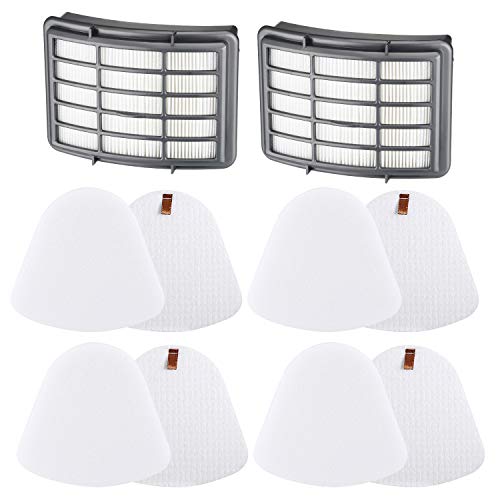
4+2 Pack Filters for Shark Vacuum Navigator Lift Away Filter Replacement Models NV350 NV351 NV352 NV355 NV356E NV360 UV440 UV540 CU500 XFF350 XHF350
- Compatible with Shark Navigator Models: Fits various NV and UV series models
- Valuable Pack Includes: 4 foam, 4 felt, 2 HEPA filters
- High-Efficiency HEPA Filters: Blocks secondary air pollution effectively
As an affiliate, we earn on qualifying purchases.
Frequently Asked Questions
Can I Clean and Reuse Vacuum Filters Instead of Replacing Them?
Yes, you can clean and reuse some vacuum filters, but it depends on the type. Foam and felt filters are typically washable, while HEPA filters often aren’t meant to be cleaned. Regularly cleaning filters can extend their lifespan, but make sure they’re fully dry before reinserting them. Always check your manufacturer’s guidelines to guarantee you’re maintaining your vacuum correctly and getting the best performance from it. Regular replacements are still essential for peak cleaning.
What Are the Signs That a Vacuum Filter Needs Replacement?
You’ll notice a few signs that your vacuum filter needs replacing. If suction power decreases considerably or you see visible dirt and debris buildup, it’s time for a change. Additionally, if you experience increased allergy symptoms while vacuuming or notice unpleasant odors, those are clear indicators. Regularly check your filter for discoloration or damage, and don’t ignore any warning lights on your vacuum; they’re there to help you maintain peak performance.
Do Different Vacuum Brands Have Varying Filter Replacement Guidelines?
Yes, different vacuum brands often have varying filter replacement guidelines. Each manufacturer typically provides specific recommendations in their manuals based on the model and intended use. For instance, some brands may suggest changing filters every 3-6 months, while others might recommend longer intervals. To guarantee maximum performance, you should always check your vacuum’s manual for the best practices tailored to your specific model. Regular maintenance keeps your vacuum running efficiently.
How Can I Improve My Vacuum’s Efficiency After Replacing Filters?
To improve your vacuum’s efficiency after replacing filters, start by making sure you’ve installed the right type correctly. Clean the vacuum’s dustbin or bag regularly to avoid clogs. Check for any blockages in hoses and attachments, as these can hinder performance. Maintain a consistent cleaning schedule, and consider adjusting your technique based on your flooring type. Finally, keep an eye on your vacuum’s overall condition to make sure it runs smoothly and effectively.
Are There Eco-Friendly Filter Options Available for Vacuums?
Yes, you’ll find eco-friendly filter options for vacuums! Brands now offer filters made from recyclable materials or biodegradable components, which can help reduce waste. Imagine replacing your filter and knowing it won’t harm the environment. Look for HEPA filters that meet eco-standards; they’ll still capture dust and allergens effectively. By choosing these options, you’re not just cleaning your home—you’re also making a positive impact on the planet. It’s a win-win!

ROPVACNIC Robot Vacuum and Mop Combo 5200Pa Suction Robotic Cleaner
- 2-in-1 Vacuum and Mop: Advanced electronic mopping technology
- Personalized Water Adjustment: Four-stage water control system
- Smart Control Options: Multiple cleaning modes and app control
As an affiliate, we earn on qualifying purchases.
Conclusion
So, you thought vacuum filters could last forever, huh? Surprise! Just like your favorite pair of jeans, they need a little TLC to stay in top shape. Whether you’ve got pets, allergies, or just a penchant for dust bunnies, remember to check and replace those filters regularly. After all, nobody wants a vacuum that’s more of a dust distributor than a dirt destroyer. Keep it fresh, and your home will thank you!
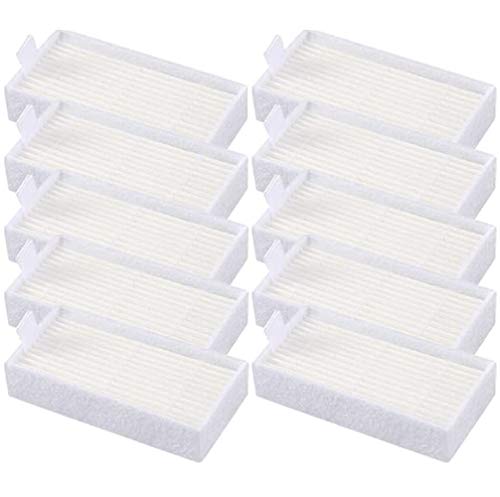
10pcs HEPA Filters Replacement for ILIFE V3s V3s pro V5 V5s V5s Pro V5s Pro 2 V5s Plus Noisz S5 Robotic Vacuum Cleaner ILIFE V3s pro Filters ILIFE Robot Vacuum Filter
- Compatible with various ILIFE models: Fits V3, V3s, V5, V5s, Pro versions
- High-quality filter material: Efficient and durable HEPA filters
- 100% compatible with original filters: Ensures perfect fit and performance
As an affiliate, we earn on qualifying purchases.

Filter Replacement for iRobot Roomba e, i and j Series i7 i7+/plus i3 i3+ E5 E6 E7 i4 i6 i6+ i8 i8+ Robot Vacuum Cleaners parts, 9 Pack High Efficiency 4639161 Filters
- Compatible Models: Fits iRobot Roomba E, I, J series
- High Efficiency Filtration: Filters 99.9% of dust and particles
- Effective Particle Capture: Catches particles as small as 0.3 microns
As an affiliate, we earn on qualifying purchases.