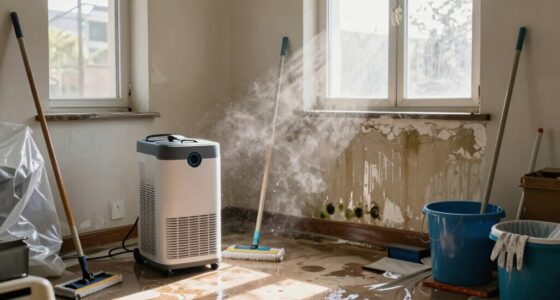
When selecting filters for your wet/dry vacuum, use foam filters for wet pickups and liquid spills, as they excel in capturing moisture and debris without damaging the motor. On the other hand, cartridge filters are ideal for dry tasks, effectively trapping dust and allergens. Always verify filter compatibility to prevent damage and guarantee peak suction. Explore more about filter maintenance and specific applications to maximize your vacuum’s performance.
Prime for Young Adults — start your free trial
Fast free delivery, streaming and member deals for eligible 18–24 year olds.
As an affiliate, we earn on qualifying purchases.
Key Takeaways
- Foam filters are ideal for wet pickups, effectively capturing large volumes of water and damp debris without damaging the motor.
- Cartridge filters are suited for dry applications, efficiently trapping dust and debris, making them perfect for construction cleanup and fine particulates.
- Use HEPA cartridge filters in allergen-sensitive environments to capture up to 99.97% of particles as small as 0.3 microns.
- Avoid using foam filters during dry cleanup to prevent fine dust escape and potential motor clogging.
- Ensure filter compatibility with manufacturer recommendations to maintain vacuum efficiency and prevent motor damage.

When you tackle messy jobs, do you know which filter type to use in your wet/dry vacuum? Understanding the difference between foam and cartridge filters can save you time, hassle, and potential damage to your vacuum. Foam filters excel in wet pickups, capturing large volumes of water and damp debris without allowing it to reach the motor. They maintain suction power during these tasks, making them a cost-effective and sustainable choice. Plus, you can wash and reuse foam filters once they’re dry, which adds to their appeal for repeated wet jobs.
On the other hand, cartridge filters are designed for both wet and dry applications, with a pleated design that captures general dirt, dust, and debris efficiently. If you’re dealing with fine particles or allergens, high-efficiency and HEPA cartridge options are your best bet. These filters can trap up to 99.97% of particles as small as 0.3 microns, making them essential for sensitive environments. HEPA cartridge filters are particularly effective at removing allergens and fine dust from the air, ensuring a healthier cleaning environment. Cleaning these filters is usually straightforward; you can brush, tap, or even wash them, depending on the model. This reusability adds value, especially in contractor and DIY settings where dust control is essential.
Using the wrong filter can lead to significant issues, like motor damage or reduced suction efficiency. For instance, if you use a foam filter during a dry cleanup, you risk letting fine dust escape and potentially clogging your motor. Conversely, a cartridge filter in a wet application can get damaged and lead to costly repairs. Always check your owner’s manual for compatibility and specific recommendations based on your vacuum’s design.
When you’re dealing with specific tasks, the right filter choice is essential. For bulk water or liquid spills, stick with foam filters. For construction cleanup involving sawdust or drywall dust, opt for high-efficiency cartridge filters. If you’re handling fine ash from a fireplace or ultra-fine particulates in automotive detailing, you’ll want specialized filters designed for those tasks.
Regular inspection and timely replacement of filters ensure your vacuum operates efficiently. Keep in mind that disposable collection bags can extend the life of your filters while simplifying cleanup. Balancing filtration efficiency with suction needs will help you make the right choice and keep your vacuum running smoothly, no matter the job.
Frequently Asked Questions
Can I Use a Foam Filter for Fine Dust Collection?
No, you shouldn’t use a foam filter for fine dust collection. Foam filters are designed for wet pickup and don’t effectively capture small particles, compromising air quality. For fine dust, opt for a high-efficiency or HEPA cartridge filter instead. These filters are specifically made to trap fine particulates, ensuring better air cleanliness and protecting your vacuum’s motor. Always choose the right filter to maintain best performance and extend the life of your vacuum.
How Often Should I Replace My Cartridge Filter?
How often should you replace your cartridge filter? Generally, you should replace it every 3 to 6 months, depending on usage and the type of debris you’re collecting. If you notice a drop in suction or see visible dirt buildup, it’s time for a change. Regularly inspecting your filter can help maintain ideal performance and prolong the life of your vacuum. Keeping an eye on it ensures you’re getting the best results every time!
Are There Any Environmental Impacts of Using Disposable Filters?
Yes, there are environmental impacts of using disposable filters. When you use these filters, they contribute to landfill waste, as most aren’t recyclable. The production of disposable filters also consumes resources and energy, leading to a larger carbon footprint. You can minimize this impact by opting for reusable or washable filters, which reduce waste and are often more cost-effective in the long run. Consider your choices to help protect the environment.
Can Foam Filters Be Used for Dry Pickup Tasks?
Why use a foam filter for dry pickup when it’s like using a lifeguard at a pool party? You can’t depend on it to perform. Foam filters aren’t designed for dry tasks; they excel at handling wet and liquid materials. Using them for dry debris can lead to poor filtration and even motor damage. Stick to cartridge filters for dry jobs to ensure efficient suction and protect your vacuum’s longevity.
What Are the Signs of a Clogged Cartridge Filter?
You’ll notice signs of a clogged cartridge filter when your vacuum’s suction power decreases considerably, making it harder to pick up debris. Additionally, you might see dust or debris escaping from the vacuum, indicating poor filtration. If the motor begins to overheat or you hear unusual noises, it’s time to check the filter. Regularly inspecting and cleaning or replacing your cartridge filter will help maintain peak performance and extend the life of your vacuum.
Conclusion
When tackling tough tasks with your wet/dry vac, choosing the right filter can make all the difference. Foam filters are fantastic for finer particles and wet messes, while cartridge filters capture larger debris effectively. By understanding these filter functions, you’ll enhance your cleaning capabilities and conquer chaos with confidence. So, for a cleaner, clearer space, select smartly and see the sensational results. Happy vacuuming!
Fall yard work Picks
leaf blowers
As an affiliate, we earn on qualifying purchases.