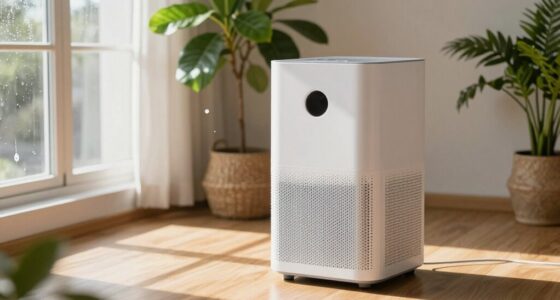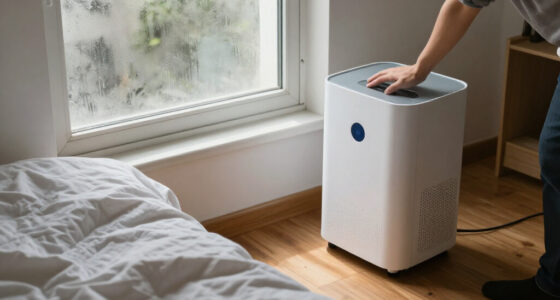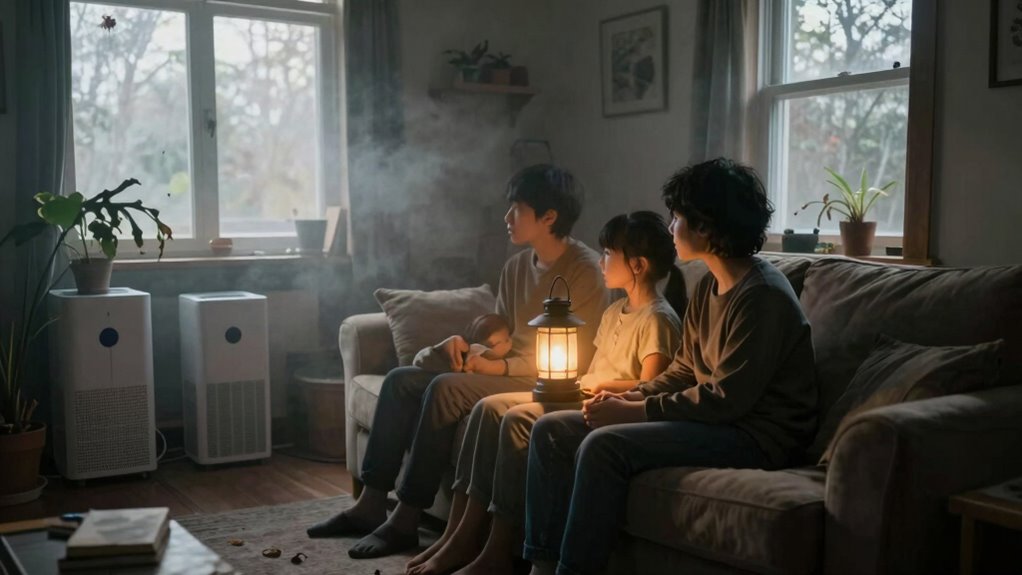

When wildfire smoke turns the air gray, close all windows and doors to keep it out. Seal any gaps to prevent smoke inhalation. Use HEPA air purifiers in occupied rooms and avoid activities that create smoke or pollution indoors. Keep an eye out for any symptoms like coughing or eye irritation, especially in vulnerable individuals. To protect your health and maintain air quality, there are more effective steps you can take during these smoky conditions.

Get cleaning gear delivered free with Prime
- Fast, free delivery on millions of items
- Prime Video, Amazon Music and more included
- Member-only deals all year
Key Takeaways
- Close all windows and doors to prevent smoke from entering your home.
- Use mechanical ventilation to circulate indoor air without bringing in outdoor air.
- Run portable HEPA air cleaners continuously in occupied rooms to filter smoke particles.
- Avoid activities that generate additional pollutants, like cooking or burning candles.
- Monitor indoor air quality with PM2.5 sensors and clean surfaces regularly to remove soot.

What happens when wildfire smoke fills the air? You might notice the sky turning gray, and the air feels heavy with an acrid smell. Inside your home, the smoke can seep through gaps and cracks, markedly increasing indoor PM2.5 levels. In fact, studies show that indoor PM2.5 concentrations can nearly triple during wildfire events. This fine particulate matter poses a serious health risk, penetrating deep into your lungs and even entering your bloodstream. The toxic nature of wildfire PM2.5 can be more harmful than other types of air pollution, raising concerns about respiratory and cardiovascular health. Additionally, the effects of such pollution can be exacerbated by environmental conditions, making it vital to stay informed.
When smoke fills the air, it’s crucial to take immediate actions indoors. Start by closing all windows and exterior doors to limit smoke infiltration. Seal any gaps where smoke could enter using door sweeps or weatherstripping. If you have mechanical ventilation, ensure it recirculates indoor air through filtration; avoid bringing outdoor air inside. Utilizing portable air cleaners with true HEPA filters in occupied rooms can greatly reduce indoor PM2.5. Keep these units running continuously while the smoke persists.
Be mindful of activities that generate additional pollutants. Avoid cooking, especially at high heat, and skip using candles or gas stoves, as these can spike indoor PM2.5 levels. If you notice symptoms like eye irritation or coughing, take them seriously. The short-term effects of smoke exposure can include wheezing and shortness of breath, particularly for vulnerable individuals like children, older adults, and those with preexisting health conditions.
Once the smoke clears, it’s important to assess your indoor environment. Use low-cost PM2.5 sensors to monitor air quality and determine if your measures were effective. If you still smell smoke or see soot, you’ll need to clean thoroughly. Use damp cloths to wipe surfaces and run HEPA-filtered vacuums to avoid re-aerosolizing particles. Replace HVAC filters after heavy smoke events and ensure your system is set up for top-tier filtration.
Preparing for future smoke events is equally crucial. Consider putting together an emergency indoor-air kit with portable HEPA cleaners, extra filters, and a small PM2.5 monitor. By taking these proactive steps, you can protect yourself and your loved ones from the harmful effects of wildfire smoke and improve your indoor air quality whenever the air turns gray.
Products Worth Considering

Samsung 42-Inch Class OLED S90F 4K Smart TV (2025)

Philips Hue Large Smart Light Tube, Black – White and Color Ambiance LED Color-Changing Light – 1 Pack

LEVOIT Vital 100S-P Smart Air Purifier with Washable Pre-Filter
As an affiliate, we earn on qualifying purchases.
Frequently Asked Questions
How Can I Tell if Indoor Air Quality Is Safe?
To tell if your indoor air quality is safe, monitor PM2.5 levels using a low-cost sensor or reference local air quality data. If indoor concentrations are lower than outdoor levels and you don’t smell smoke, you’re likely in a safe zone. Also, check for persistent odors or soot, which can indicate contamination. If air quality indices signal unhealthy conditions, take precautions like sealing windows and using air purifiers to improve safety.
What Are the Symptoms of Smoke Exposure?
You might think you’re fine indoors, but smoke exposure can sneak up on you. If you’re exposed, watch for symptoms like eye irritation, coughing, wheezing, and shortness of breath. You might also experience aggravated asthma or even chest pain if you have underlying conditions. Keep an eye out, especially if you’re in a vulnerable group, as smoke can worsen health issues and lead to more serious complications. Don’t ignore these warning signs!
Can Pets Be Affected by Wildfire Smoke?
Yes, pets can definitely be affected by wildfire smoke. Just like you, they can experience respiratory issues, coughing, and eye irritation. Their bodies are sensitive to fine particles in the air, which can aggravate existing health conditions. Make certain your pets stay indoors during heavy smoke days, keep windows closed, and use air purifiers to help filter the air. If you notice any unusual behavior or symptoms, consult your veterinarian promptly.
How Long Does Smoke Odor Linger After an Event?
Smoke odor can be quite the uninvited guest, lingering for days or even weeks after an event. You’ll notice it especially in enclosed spaces. To speed up its departure, open windows when possible, run air purifiers with HEPA filters, and give surfaces a good wipe-down. Freshening your environment helps, but be patient; the aroma may take time to fully fade away. It’s all about making your space welcoming again!
What Should I Do if I Have a Respiratory Condition?
If you have a respiratory condition, it’s vital to minimize your exposure to smoke. Stay indoors with windows and doors closed, and use a high-efficiency particulate air (HEPA) filter to clean the air. Avoid activities that generate indoor pollution, like cooking or burning candles. Keep your rescue inhaler handy, and monitor your symptoms closely. If you experience worsening breathing issues, seek medical advice promptly to guarantee your safety and well-being.
Conclusion
As you hunker down indoors, trapped by the smoky haze outside, it’s ironic how nature’s beauty can turn into a suffocating shroud. You might find yourself reminiscing about the days when the air was crisp and clear, longing for a simple breath without worry. While you take precautions to stay safe, remember that even in these gray moments, the sun will shine again. So, embrace the stillness and cherish the air you once took for granted.