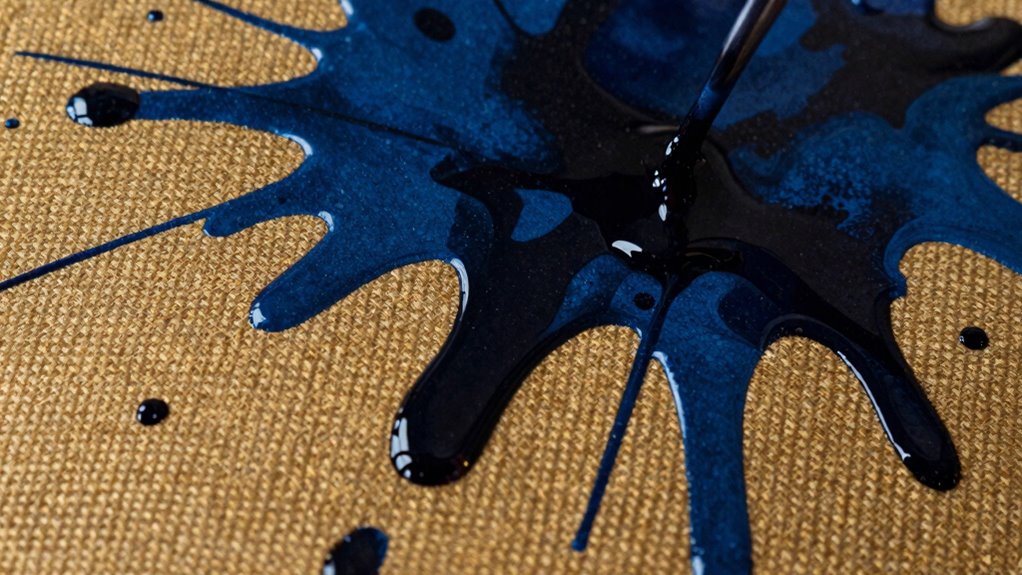

When tackling ink stains on upholstery, always choose the appropriate solvent to prevent spreading. Use alcohols for dye-based inks and nonpolar solvents like acetone for oil-based ones. Test your solvent on a hidden fabric area first. Apply it sparingly and blot gently from the edge toward the center of the stain. Act quickly for the best results, and be patient with repeated applications. Discover more effective tips and techniques to guarantee complete stain removal.
Key Takeaways
- Use the weakest effective solvent for ink type to minimize damage while preventing spreading.
- Always perform a patch test on an inconspicuous area before applying any solvent.
- Apply solvents sparingly and blot the stain, working from the outer edge toward the center.
- Act quickly on fresh stains, using short, repeated applications for better results on dried stains.
- Rinse residual solvent with a diluted soap solution post-treatment to avoid further spreading.

When ink stains mar your upholstery, don’t panic; with the right approach, you can effectively tackle the mess. Start by selecting the right solvent based on the ink type. Alcohols, like isopropyl or rubbing alcohol, work well for dye-based inks, while nonpolar solvents, such as acetone, address oil-based markers. Always opt for the weakest effective solvent first to minimize damage—water mixed with a surfactant can help with water-based inks, but avoid using water alone on solvent-based ink, as it can spread the stain further.
When ink stains your upholstery, choose the right solvent and act quickly for effective removal.
Before diving into the cleaning, remember to perform a patch test on an inconspicuous area of your fabric to check for any adverse reactions. This step is essential; you want to confirm that your upholstery can handle the solvent without bleeding or damage. If the fabric passes the test, you can confidently proceed.
As you apply the solvent, use it sparingly. Blot, don’t rub—the goal is to lift the ink into your blotting material rather than pushing it deeper into the fibers. Work methodically from the outer edge of the stain toward the center to keep the ink contained. It’s imperative to replace or rotate your blotting cloth frequently to prevent re-depositing any extracted ink back into the fabric. Prompt action increases the chances of successful stain removal, so don’t hesitate to start as soon as possible.
Timing is key, too. Fresh stains are easier to remove, so act quickly. For dried or set ink, you may need to use a stronger solvent, but always pause between applications to allow the solvent to do its work effectively. Short, repeated applications will yield better results than one large soaking.
Be cautious about your upholstery’s fabric type. Natural fibers like cotton and linen can handle alcohol well, but be careful not to over-wet them, as this can cause the ink to wick deeper. Synthetic fibers might respond better to isopropyl alcohol, but ensure you’re aware of any special finishes that might react poorly to solvents. Leather and suede require specialized care, so it’s best to consult a professional if you’re unsure.
After treating the stain, rinse any residual solvent gently with a diluted soap solution to prevent future migration. If the stain proves stubborn, don’t hesitate to seek professional cleaning help; too much amateur treatment can worsen the situation. By following these solvent rules, you can effectively handle ink stains without risking further damage to your upholstery.

Amazon Basics Microfiber Cleaning Cloths, Ultra Absorbent, Lint Free, Streak Free, Non-Abrasive, Reusable and Washable, 16" x 12", Blue/White/Yellow, Pack of 24
- Size: 16 x 12 inches
- Pack Size: 24 cloths
- Material: Microfiber
As an affiliate, we earn on qualifying purchases.
Frequently Asked Questions
How Can I Prevent Ink Stains From Happening in the First Place?
To prevent ink stains from happening, you should use protective covers on your upholstery, especially in areas prone to spills. Keep pens and markers stored properly, and opt for ink-free alternatives when possible. Encourage a no-writing rule in high-risk zones. If kids are around, supervise their activities with art supplies. Regularly clean surfaces to remove any potential ink sources, and consider using washable fabrics that can handle minor accidents more easily.
Are There Home Remedies for Removing Ink Stains Effectively?
Yes, there are effective home remedies for removing ink stains. Start by dabbing the stain with rubbing alcohol or hand sanitizer using a cotton ball. You can also try applying a mixture of dish soap and water, letting it sit for a few minutes before blotting. For stubborn stains, use a paste of baking soda and water. Always test these remedies on an inconspicuous area first to verify they won’t damage your fabric.
What Types of Fabrics Are Most Resistant to Ink Stains?
Fabrics like faux leather, polyester, and nylon are particularly persistent against pesky ink stains. Their tightly woven fibers resist absorption, making it tougher for ink to penetrate deeply. Additionally, these materials often come with protective finishes that fend off spills. You’ll find that natural fibers like cotton and linen are more susceptible, soaking up stains quickly. So, if you’re seeking stain-resistant upholstery, consider synthetic options to keep ink incidents at bay!
Can I Use Bleach on Ink Stains in Upholstery?
You shouldn’t use bleach on ink stains in upholstery. Bleach can damage fabric fibers and may lead to discoloration, making the stain worse. Instead, opt for milder cleaning solutions that are safe for your upholstery type. Test any cleaner on a hidden area first to guarantee it won’t harm the fabric. Focus on solvents specifically designed for ink stains to effectively lift the ink without compromising your upholstery’s integrity.
How Long Should I Wait Before Rinsing the Solvent?
You might think rinsing immediately is best, but it’s essential to wait until you see ink transfer stop. Typically, you should let the solvent sit for about 5 to 10 minutes, depending on the stain’s severity. This allows the solvent to effectively break down the ink. After that, rinse lightly with water or a mild detergent solution to remove any remaining residue, ensuring you avoid pushing the ink further into the fabric.

USANOOKS Microfiber Cleaning Cloth Grey - 12 Pcs (12.5"x12.5") - High Performance - 1200 Washes, Ultra Absorbent Microfiber Towel Weave Grime & Liquid for Streak-Free Mirror Shine - Car Washing Cloth
- High Absorbency Microfiber: Locks in 8-10x its weight in liquids
- Durable 2.5mm Thick Design: Resists lint, scratches, and shedding
- Swirl-Free Mirror Shine: Rapid dry layers prevent damage
As an affiliate, we earn on qualifying purchases.
Conclusion
In tackling ink stains on upholstery, remember that quick action is essential. While some might believe that water can help, it actually spreads the ink further. Instead, using solvents like rubbing alcohol or vinegar can effectively lift the stain without worsening the situation. This theory confirms that applying the right method not only saves your upholstery but also enhances your cleaning skills. So, next time ink strikes, trust in these solvent rules to keep your fabric looking its best.
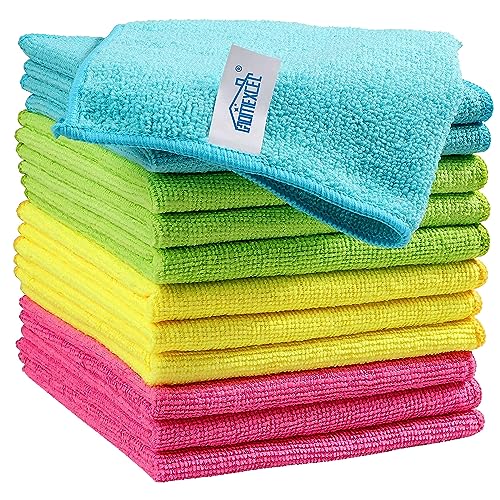
HOMEXCEL 12PK Microfiber Cleaning Cloth, Cleaning Rag for Home, 11.5x11.5in
- Streak-Free Cleaning: Effective on various surfaces with minimal effort
- Lint-Free & Scratch-Safe: Protects delicate finishes from scratches
- Highly Absorbent: Quickly soaks up liquids and grime
As an affiliate, we earn on qualifying purchases.