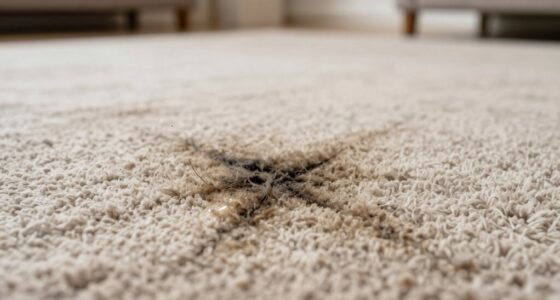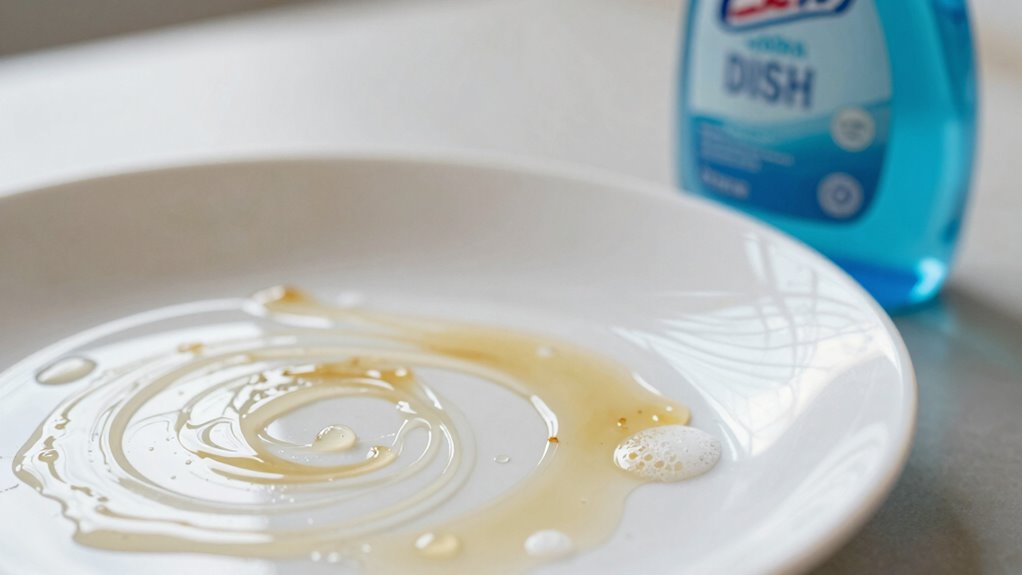

Grease stains are tricky because they’re made up of long hydrocarbon chains that repel water. Dish soap works well since it contains surfactants that break the surface tension between water and grease. The hydrophilic heads of these surfactants pull in water, while their hydrophobic tails bind to grease, making removal easier. However, dish soap struggles with non-grease stains, old stains, or porous surfaces. Want to know more about better cleaning solutions and when they’re needed?

Get cleaning gear delivered free — and shop member deals
- Fast, free delivery on millions of items
- Access to Prime Big Deal Days deals on October 6–7
- Prime Video, Amazon Music and more included
Key Takeaways
- Dish soap contains surfactants that effectively target and lift hydrophobic grease stains by breaking the surface tension between water and grease.
- Grease stains consist of long hydrocarbon chains that repel water, making them difficult to remove without specialized cleaning agents.
- Dish soap is less effective on old stains, porous surfaces, and non-grease stains like ink or dirt due to its specific formulation.
- Thickeners in grease can increase adherence, making it harder for dish soap to penetrate deeply enough to fully lift stubborn stains.
- For tough grease stains, consider advanced cleaning options like grease-cutting soaps and specialized degreasers for improved effectiveness.
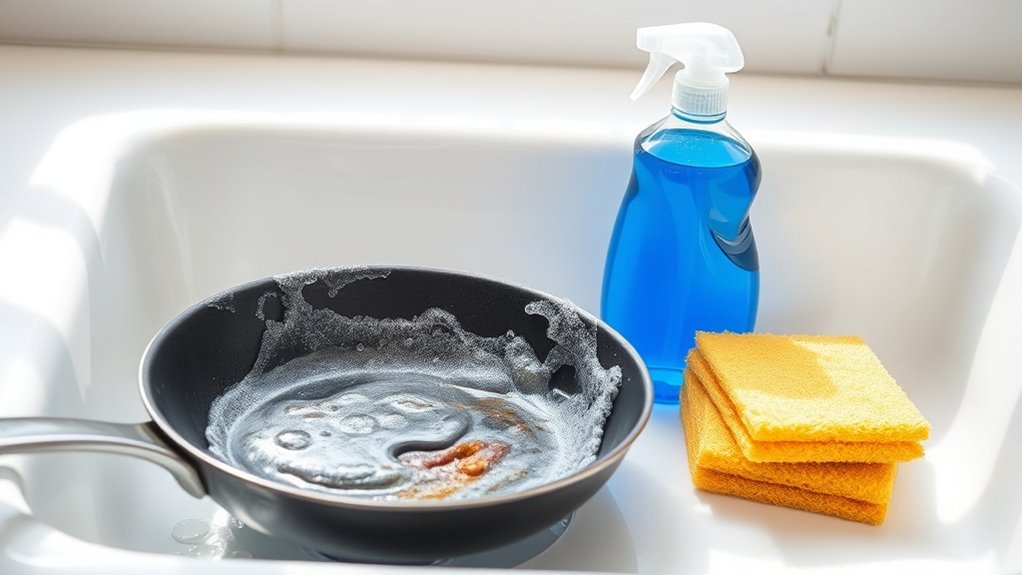
Have you ever wondered why grease stains seem to cling stubbornly to surfaces? The answer lies in the unique composition of grease itself. Grease is primarily made up of 80% to 95% base oil, along with thickeners and additives. The base oil serves as the primary lubricant, while thickeners, often metallic soaps, hold everything together. When grease spills occur, they penetrate surfaces deeply, particularly porous materials like concrete, making removal quite challenging.
The chemistry behind grease stains is fascinating. Grease consists of long, hydrophobic hydrocarbon chains, which repel water. When you try to clean grease with just water, you’ll notice that it simply won’t budge. Water molecules are attracted to each other due to strong hydrogen bonds, making them hesitant to interact with the nonpolar grease. This is why greasy spills often leave behind dark, glossy patches that can age into unsightly brown or black stains.
This is where dish soap comes into play. Dish soap contains surfactants, which are magical compounds that can tackle grease effectively. They’ve got a hydrophilic head that loves water and a hydrophobic tail that surrounds grease molecules. When you apply dish soap to a grease stain, the hydrophilic part draws in water while the hydrophobic tail clings to the grease. This action breaks the surface tension between water and grease, allowing for easier removal. Additionally, certain thickeners used in grease can make removal more difficult, as they help the grease adhere to surfaces more effectively.
However, dish soap has its limitations. It’s specifically designed to work on hydrophobic grease stains, so it won’t be effective against non-grease stains, like those from ink or dirt. If you’ve ever tried to remove a stain that isn’t greasy using soap, you’ve likely been disappointed. Additionally, if the stain is old or the surface is porous, the soap may struggle to penetrate deeply enough to lift the stain completely.
For tougher stains, advanced formulas like grease-cutting soaps can help. These often contain a mix of sodium salt fatty acids and hydrogen peroxide, which enhances their grease-cutting action. You can also consider using specialized degreasers tailored for different surface types, depending on the stain’s severity.
Frequently Asked Questions
Can I Use Dish Soap on All Types of Stains?
No, you can’t use dish soap on all types of stains. It’s effective mainly on grease and oil stains due to its surfactant properties, which help emulsify nonpolar substances. However, it won’t work well on water-based stains like ink, wine, or dirt. For those, you’ll need specific cleaners designed for their chemical composition. Always test a small area first to avoid damage or discoloration, regardless of the stain type.
What Surfaces Are Safe for Dish Soap Application?
Wondering if your kitchen counters can handle dish soap? You’ll be pleased to know that dish soap is safe for most non-porous surfaces like glass, stainless steel, and ceramic. It effectively cuts through grease without causing damage. However, avoid porous surfaces, such as unsealed wood or concrete, as soap may penetrate and stain. Always test a small area first to confirm it won’t harm your surface. Keep your space sparkling clean!
How Do I Prevent Grease Stains From Setting?
To prevent grease stains from setting, act quickly. Blot the stain gently with a paper towel to absorb excess grease, but don’t rub it in. Sprinkle baking soda or cornstarch to absorb moisture, letting it sit for 10-15 minutes. Afterward, brush it off and apply a suitable stain remover or dish soap, allowing it to penetrate for a few minutes before rinsing. Always test on an inconspicuous area first to verify compatibility.
Are There Eco-Friendly Alternatives to Dish Soap for Grease?
Why let grease win when you’ve got eco-friendly alternatives? You can use baking soda mixed with water to create a paste that tackles those stubborn stains. Lemon juice is another great option, cutting through grease with its natural acidity. Don’t forget about white vinegar; it’s fantastic for emulsifying oils. Each of these options is gentle on the planet and effective in your fight against grease, so give them a try!
How Often Should I Clean Surfaces Prone to Grease Stains?
You should clean surfaces prone to grease stains at least once a week to prevent buildup. However, if you notice grease accumulating more quickly, consider cleaning more frequently. Regular maintenance not only keeps your space looking tidy but also makes removing stubborn stains easier. Don’t forget to address any spills immediately, as prompt action can save you time and effort in the long run. Keeping a cleaning schedule can help you stay on track.
Conclusion
In summary, tackling grease stains isn’t just about elbow grease; it’s about understanding the science behind it. Did you know that about 80% of common household stains are removable with dish soap? This versatile cleaner breaks down fats, making it a handy tool in your cleaning arsenal. Just remember, it won’t work for every type of stain, especially those that have set in. So, stay proactive and treat those stains as soon as they happen!
Fall Picks
fall essentials
As an affiliate, we earn on qualifying purchases.