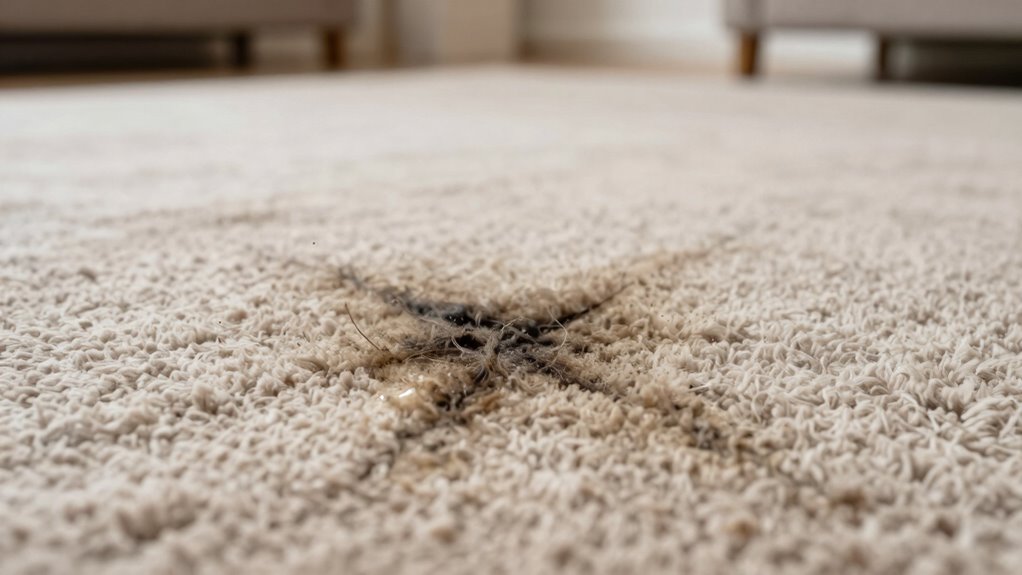

The main reason carpet stains come back is wick-back, which happens when residual moisture or deep stains remain trapped in the fibers after cleaning. Porous fibers like wool or nylon absorb stains easily, and improper cleaning or drying can push moisture deeper, causing stains to reappear over time. To stop wick-back, focus on thorough cleaning, proper drying, and using the right products. Discover more tips to keep your carpet spotless and stain-free longer.

Get cleaning gear delivered free — and shop member deals
- Fast, free delivery on millions of items
- Access to Prime Big Deal Days deals on October 6–7
- Prime Video, Amazon Music and more included
Key Takeaways
- Wick-back occurs when residual moisture trapped in fibers re-migrates stains to the surface over time.
- Over-wetting during cleaning can deepen stain penetration and increase moisture retention, causing wick-back.
- Porous fibers like wool or nylon absorb stains more easily, raising the risk of stain reappearance.
- Proper drying with fans or dehumidifiers prevents residual moisture from causing wick-back.
- Using the right cleaning products and techniques minimizes residues and reduces the likelihood of stain reoccurrence.
What Wick-Back Is and How It Happens
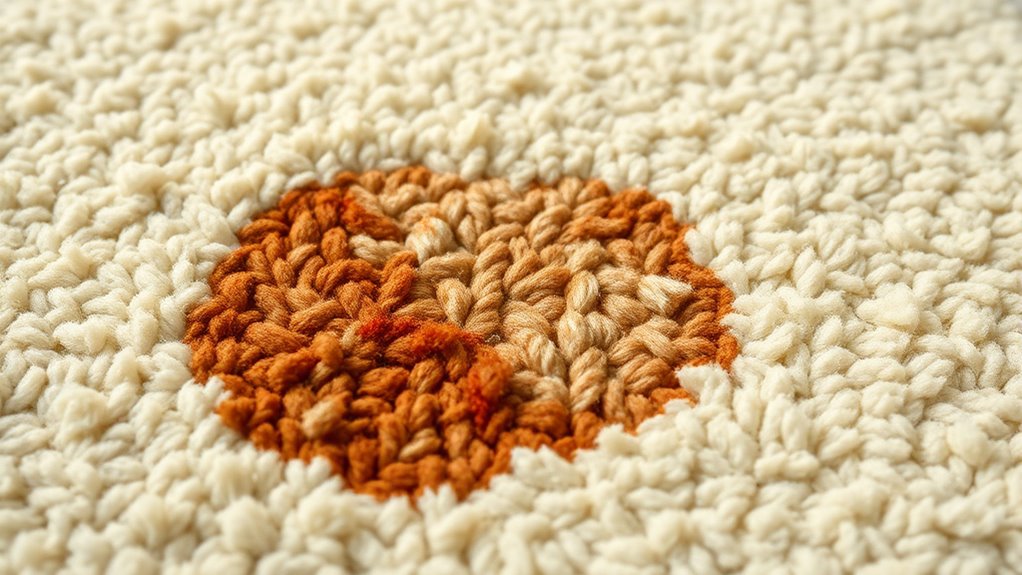
Wick-back occurs when a stain reappears after you’ve thought you’ve cleaned it completely. This happens because of fiber absorption, where the carpet fibers soak up the spilled liquid, carrying the stain deep into the material. When you clean the surface, some of that moisture might be removed, but residual liquid can stay trapped beneath the fibers. Over time, stain migration occurs as this moisture slowly rises back to the surface, bringing the stain with it. This process is especially common with spills that contain dyes or oils, which are prone to wick back up. To prevent wick-back, it’s essential to remove as much of the moisture as possible during cleaning and avoid leaving behind damp fibers that can trigger stain migration. Using high-quality cleaning equipment with high refresh rates can help ensure thorough removal of moisture and reduce the likelihood of wick-back occurring. Additionally, understanding the fiber absorption properties of different carpet materials can guide you in choosing the most effective cleaning methods. Employing proper drying techniques and monitoring residual moisture levels can further prevent re-soiling, especially by managing residual moisture effectively to avoid lingering dampness that promotes wick-back. Incorporating moisture meters can assist in accurately assessing when the carpet has dried sufficiently, helping to prevent re-soiling caused by residual dampness.
The Role of Carpet Fibers in Stain Recurrence

Carpet fibers themselves play a crucial role in how stains can reappear after cleaning. The fiber structure influences how deeply a stain penetrates and how easily it can be released. Some fibers, like wool or nylon, tend to absorb stains more readily due to their porous nature, leading to increased chances of wick-back. Understanding stain absorption is key because deeply embedded stains may not be fully removed during cleaning, causing them to resurface later. The fiber type and structure determine whether a stain is superficial or ingrained. To minimize reappearance, choose carpets with tightly woven fibers, and always consider how the fiber’s properties affect stain retention and release. Proper cleaning methods tailored to fiber type can significantly reduce wick-back and stain recurrence.
Common Mistakes When Cleaning Stains

One common mistake when cleaning stains is using too much water or cleaning solution, which can push the stain deeper into the fibers instead of lifting it out. This hampers effective stain removal and can make the problem worse. Additionally, using improper cleaning tools, like harsh brushes or dirty cloths, can spread the stain or damage the carpet. Always choose gentle, appropriate tools such as soft cloths or microfiber towels for blotting. Avoid scrubbing aggressively, as that can embed the stain further. Also, over-saturating the area with cleaning solutions can cause residue buildup, leading to wick-back. Instead, apply cleaning agents carefully and sparingly, focusing on blotting rather than rubbing. Proper technique and the right tools are essential to prevent common mistakes when tackling stains.
The Impact of Deep-Set Stains on Wick-Back

Deep-set stains can considerably increase the likelihood of wick-back, a frustrating phenomenon where stains reappear after cleaning. When a deep stain penetrates your carpet fibers, it’s more than just visible; it can cause fiber damage that makes complete removal difficult. This damage creates tiny pockets where residual stain material can linger, seeping back to the surface over time. As a result, your carpet may look clean initially but stains can re-emerge later. To prevent this, focus on proper extraction techniques and avoid over-wetting. Recognizing the impact of fiber damage helps you understand why some stains persist. Being aware of deep stains allows you to take proactive steps to minimize wick-back and keeps your carpet looking fresh longer. Understanding the importance of fiber integrity from the start can help maintain the longevity of your carpet and reduce stain recurrence. Additionally, considering the long-term effects of fiber damage can guide you in selecting appropriate cleaning methods to protect your carpet, especially those that incorporate gentle and thorough sound cleaning techniques, which are less likely to cause further harm. Incorporating proper drying methods can also help mitigate residual moisture that contributes to wick-back formation. Using energy-efficient cleaning tools can further enhance the effectiveness of your cleaning process while protecting your carpet fibers.
Effective Cleaning Techniques to Prevent Wick-Back

To prevent wick-back, you need to use the right cleaning solutions that effectively break down stains without leaving residues. Make sure the carpet dries completely before walking on it to avoid trapped moisture that can cause stains to reappear. Additionally, regular maintenance helps keep your carpet clean and reduces the chances of old stains resurfacing. Employing proper drying techniques, such as using fans or dehumidifiers, can also enhance moisture removal and further prevent wick-back. Considering the importance of proper drying techniques, it is crucial to ensure the carpet is thoroughly dried for optimal results.
Use Proper Cleaning Solutions
Using the right cleaning solutions is essential to prevent wick-back and guarantee stains don’t resurface. Choose solutions specifically designed for your carpet type, especially for colorfast fabrics, to avoid fading or damage. Opt for eco-friendly solutions that are safe for your family and the environment while still effectively lifting stains. Always test a small, hidden area before applying any cleaner to verify compatibility. Using improper chemicals can weaken fibers and lead to wick-back. Remember, gentle but effective solutions help remove residues completely, preventing stains from reappearing. Additionally, employing proper maintenance techniques for your carpet can prolong its cleanliness and reduce the likelihood of stains returning. Regular vacuuming, stain treatment, and prompt attention to spills are crucial components of effective carpet care, which help prevent residues that cause wick-back. Proper cleaning techniques are crucial for ensuring residues are fully removed and do not cause wick-back over time. For optimal results, understanding and implementing effective cleaning methods can significantly minimize the chances of recurring stains.
Allow Complete Drying
Ensuring your carpet dries completely after cleaning is crucial to preventing wick-back. During the drying process, moisture control is essential; lingering dampness creates ideal conditions for stains to reappear. To achieve thorough drying, increase airflow by opening windows, turning on fans, or using a dehumidifier. Avoid walking on the carpet until it’s fully dry, as this can introduce additional moisture and disturb the cleaning. Using a wet/dry vacuum to extract excess water helps speed up the drying process and reduces moisture retention. Remember, a well-dried carpet minimizes the risk of residual moisture seeping into fibers, which can cause stains to wick back up. Proper drying techniques prevent moisture entrapment help prevent moisture from becoming trapped and causing further issues. Additionally, understanding indoor air quality can help identify hidden moisture sources that might hinder complete drying.
Regular Carpet Maintenance
Regular carpet maintenance is key to preventing wick-back and keeping your carpets looking their best. Consistent cleaning helps with stain removal and extends your carpet’s longevity. To effectively maintain your carpet, focus on regular vacuuming to remove dirt and debris that can trap stains. Promptly address spills with proper stain removal techniques to prevent deep-set stains. Additionally, schedule professional cleanings periodically to deep clean fibers and remove embedded dirt. This routine not only keeps your carpet fresh but also reduces the chances of stains wick-back after cleaning. Regular maintenance supports preventive care and enhances the overall durability of your carpet. Implementing a maintenance schedule based on your carpet’s specific needs can further prolong its life. Remember, a well-maintained carpet resists stains and preserves its appearance longer, saving you money and effort in the long run. Proper carpet maintenance is essential for preventing wick-back and ensuring your carpet stays looking new.
How to Choose the Right Cleaning Products

Choosing the right cleaning products is essential for effectively removing stains and preventing them from coming back. Start by checking the product’s pH balance; a neutral or slightly alkaline cleaner typically works best for most stains and won’t damage your carpet fibers. Avoid harsh chemicals that can set stains or cause discoloration. Instead, opt for stain removal techniques that are gentle yet effective, such as enzymatic cleaners for organic stains or vinegar solutions for general dirt. Always test a small, hidden area first to ensure compatibility. Using the correct product guarantees thorough cleaning and reduces the risk of wick-back. Selecting appropriate cleaning solutions helps you target stains effectively and keeps your carpet looking fresh longer.
Expert Tips for Long-Lasting Carpet Freshness
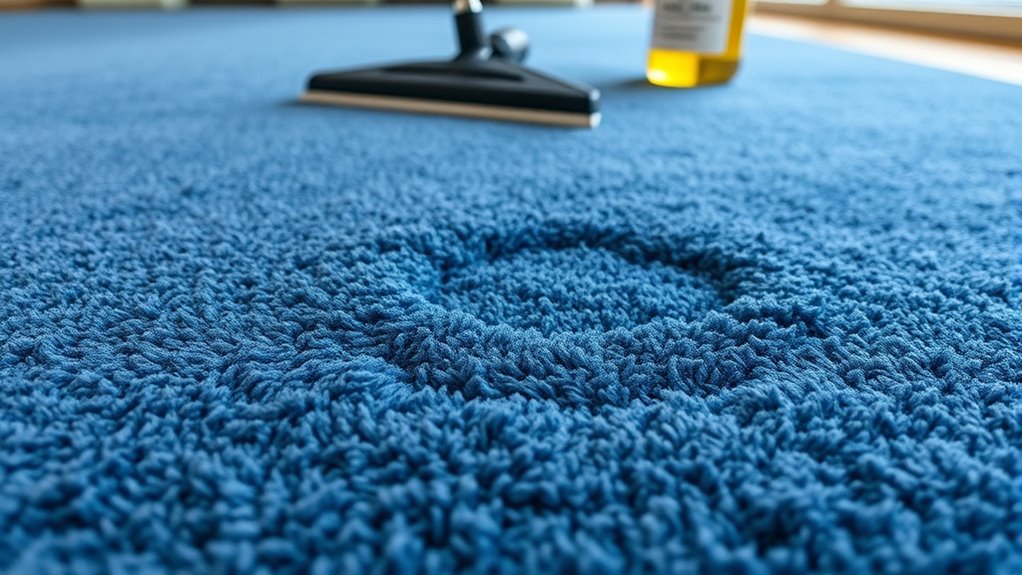
To keep your carpets fresh for longer, focus on proper cleaning techniques and consistent maintenance. Using the right methods prevents dirt from settling deeply and helps your carpet stay vibrant. Regular upkeep is key to maintaining that fresh, just-cleaned feel day after day. For example, understanding the importance of proper maintenance, such as regular vacuuming and prompt stain removal, can significantly extend the life of your carpet.
Proper Cleaning Techniques
Proper cleaning techniques are essential to keep your carpet looking fresh and prevent stains from reappearing. Regularly vacuum your carpet at least twice a week to remove dirt and debris that can trap stains and cause wick-back. When tackling stains, act quickly with blotting rather than rubbing, which pushes the stain deeper. Use a gentle, appropriate cleaning solution to avoid damaging fibers or setting stains. Always test spot treatments on a small, hidden area first. After cleaning, ensure the carpet dries thoroughly to prevent mold and residue buildup. These techniques help with stain prevention and maintain long-lasting freshness.
- Vacuum frequently to minimize dirt buildup
- Blot stains immediately for effective removal
- Use suitable cleaning solutions to protect fibers
Regular Maintenance Practices
Maintaining your carpet’s freshness requires consistent, proactive care beyond just spot cleaning. One key practice is setting a regular vacuum frequency—ideally at least twice a week—to remove dirt and prevent particles from settling deep into the fibers. Proper furniture placement also plays a crucial role; avoid dragging heavy furniture across the carpet, which can cause wear and trap dirt. Use furniture pads to distribute weight evenly and lift pieces when moving them to prevent crushing fibers. Additionally, rotate rugs periodically to ensure even wear and exposure to sunlight. These simple habits help keep your carpet cleaner longer and reduce the chances of stains wick-ing back. Staying disciplined with these maintenance practices is essential for long-lasting freshness and a healthier home environment.
Frequently Asked Questions
Can Certain Carpet Colors Hide Stains Better?
Yes, certain carpet colors can hide stains better. Darker shades and those with rich carpet dye tend to mask stain visibility more effectively, making spills less noticeable. Light-colored carpets often show stains easily, requiring more frequent cleaning. Choosing a carpet with a darker or patterned design can help you keep your space looking fresh longer, even if accidents happen.
Does Humidity Affect Wick-Back Frequency?
Yes, humidity impact and moisture levels can increase wick-back frequency. When the air is humid, excess moisture seeps into your carpet fibers, making it harder for stains and cleaning solutions to fully evaporate. As the moisture fluctuates, it can cause residual stains to reappear over time. To prevent this, control indoor humidity with dehumidifiers and guarantee proper drying after cleaning, reducing the chances of wick-back occurring.
How Often Should Carpets Be Professionally Cleaned?
While you might think weekly vacuuming suffices, professional cleaning depends on your carpet fiber types and how much foot traffic you get. For high-traffic areas, aim for every 6 to 12 months; for low-traffic spaces, every 12 to 18 months works. Regular deep cleaning prevents dirt buildup, prolongs carpet life, and minimizes wick-back issues. Adjust your schedule based on your home’s activity level to keep carpets fresh and clean.
Are Natural Cleaning Solutions More Effective Against Wick-Back?
Natural cleaning solutions can be effective against wick-back, especially when combined with proper drying. DIY remedies like vinegar or baking soda may help, but commercial cleaners often contain specialized enzymes that break down stain residues more thoroughly. While natural options are eco-friendly, they might not always tackle stubborn wick-back as well as commercial cleaners do. For best results, consider using a mix of both, tailored to your carpet’s needs.
Can Pet Urine Stains Cause More Wick-Back Issues?
Yes, pet urine stains can trigger wick-back issues, thanks to pet odor and urine absorption. When you ignore these stains, the moisture seeps deep into the fibers, making the smell linger and the stain reappear. So, instead of pretending your pet’s “little accident” isn’t a big deal, tackle it promptly. That way, you prevent urine from sneaking back up, saving you from endless carpet re-cleaning and frustration.
Conclusion
To keep your carpets looking fresh, avoiding wick-back is key—did you know that over 70% of stains reappear within days if not cleaned properly? By using the right techniques and products, you can prevent this frustrating issue and extend your carpet’s life. Remember, deep cleaning isn’t enough; proper stain removal methods are essential. Stay proactive, choose wisely, and enjoy a cleaner, stain-free home that stays beautiful longer.
Halloween Picks
halloween
As an affiliate, we earn on qualifying purchases.