When cleaning your microfiber couch, the one mistake that can leave it crunchy is skipping the drying process. After using water or solvent-based cleaners, guarantee the fabric dries completely. If not, you risk a stiff, uncomfortable texture. To fluff the fabric, use a soft-bristled brush in circular motions once it’s dry. Proper drying is key to avoiding mold and maintaining softness. Want to keep your couch looking fresh? There’s more helpful advice ahead.
Key Takeaways
- Incomplete drying after cleaning leads to a crunchy texture on microfiber couches.
- Always ensure the couch is fully dry before using it again.
- Use a dry, soft-bristled brush to fluff the fabric after cleaning.
- Regular maintenance and deep cleaning twice a year help preserve fabric texture.
- Avoid oversaturation during cleaning to prevent damage and stiff fabric.
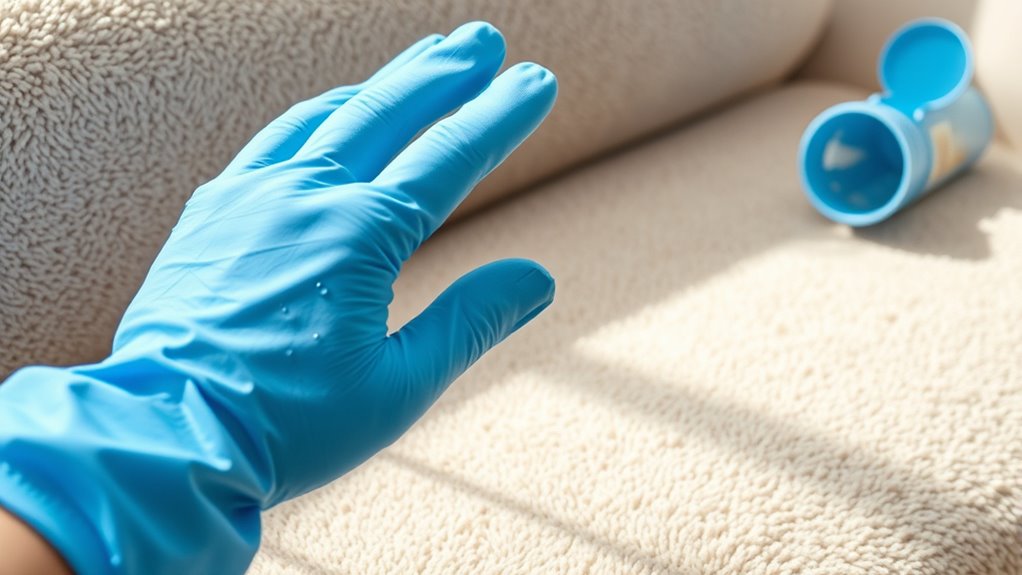
Cleaning a microfiber couch can seem intimidating, but with the right approach, you can keep it looking fresh and inviting. One common mistake that often leaves your couch feeling crunchy involves improper drying and restoration techniques. If you don’t allow your couch to dry completely or if you scrub too vigorously, you risk damaging the fabric’s integrity and texture.
Start by vacuuming your couch thoroughly using an upholstery attachment. Make sure to get into the crevices, as pet hair and crumbs tend to accumulate there. This initial step is vital because it prevents dirt from embedding further into the fabric when you apply any cleaning solution. If your couch has a care code, check it before proceeding. A couch with a W code requires water-based cleaners, while an S code means you should only use solvent-based options. If there’s no tag, it’s generally safe to test a solvent-based cleaner. Understanding cleaning codes is crucial for selecting the appropriate method for your couch type.
Vacuum thoroughly, paying attention to crevices, to prevent dirt from embedding before cleaning your microfiber couch. Check the care code for cleaning options.
For water-based cleaning, mix mild dish soap with distilled water in a bucket. Dampen a clean white cloth with this solution and gently blot the stains. Avoid vigorous rubbing, as this can spread the stain and cause damage. Replace the soapy water regularly to ensure you’re using a clean solution. After cleaning, make sure to wipe the couch with a clean, water-saturated cloth to remove any soap residue.
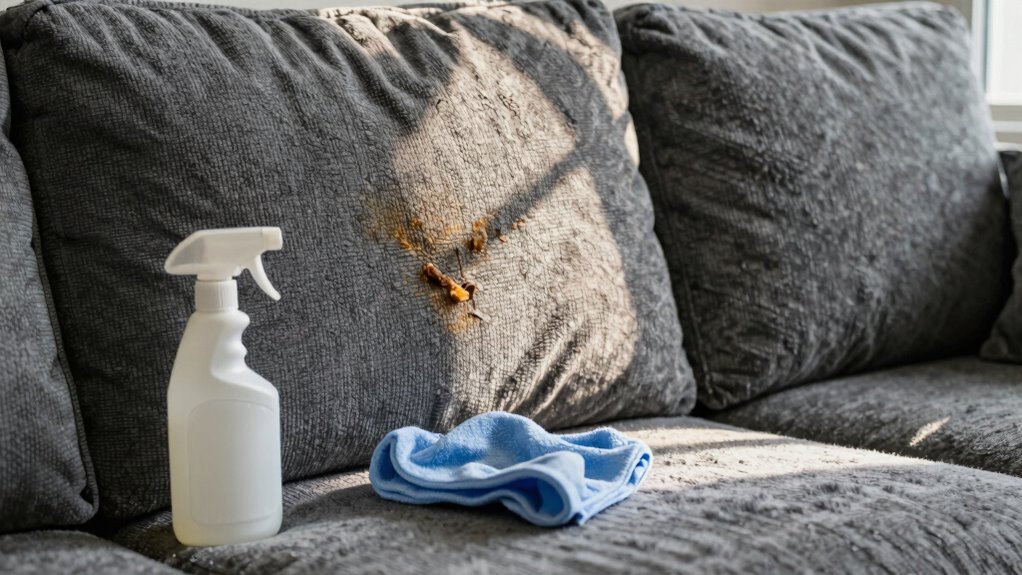
If you’re using a solvent-based cleaner, such as rubbing alcohol, pour it into a spray bottle and lightly spray the stained area. Blot with a clean cloth, being careful not to oversaturate the fabric. As with the water method, allow the area to air dry completely after cleaning. Failing to do so can lead to that undesirable crunchy texture.
Once the couch is dry, it’s important to restore its texture. Use a dry, soft-bristled brush to gently fluff the fabric in circular motions. This step revitalizes the couch and helps lift any remaining dirt. If you skipped proper drying, however, you might find your fabric still feels stiff or crunchy.
To prevent these issues in the future, perform a deep clean twice a year and consider applying a spray-on fabric protector. Remember, adequate drying after cleaning is essential to avoid mold and mildew, which not only smell bad but can also damage your couch. With these tips, you’ll keep your microfiber couch looking and feeling its best.
Frequently Asked Questions
How Often Should I Clean My Microfiber Couch?
You should clean your microfiber couch every six months for ideal maintenance. Regular vacuuming helps remove dirt and crumbs, but deep cleaning is essential to keep the fabric looking fresh. If you have pets or kids, consider cleaning more frequently—perhaps every three to four months. Always test any cleaning solution on an inconspicuous area first to avoid damage, and guarantee the couch dries completely to prevent mold or odors.
Can I Use Bleach on Microfiber Fabric?
When it comes to cleaning microfiber, using bleach is a slippery slope. You shouldn’t use bleach on microfiber fabric, as it can cause discoloration and damage the fibers. Stick to mild dish soap or upholstery cleaners designed for this material to keep it looking sharp. Always test any cleaner on a hidden spot first, and remember, a little precaution goes a long way in preserving your couch’s integrity.
Is It Safe to Machine Wash Microfiber Couch Covers?
Yes, it’s generally safe to machine wash microfiber couch covers, but you should check the care label first. Use a gentle cycle with cold water and a mild detergent. Avoid bleach and fabric softeners, as they can damage the fibers. After washing, let the covers air dry to maintain their shape and texture. If they’re heavily soiled, consider spot cleaning before washing for better results. Always make certain they’re completely dry before putting them back on.
How Do I Remove Stubborn Stains From Microfiber?
To remove stubborn stains from your microfiber couch, start by blotting the area with a clean cloth to soak up any excess liquid. Next, mix mild dish soap with distilled water and apply it to the stain using a soft-bristled brush, scrubbing gently in circular motions. Blot the area with a clean cloth to lift the stain, and rinse with a damp cloth. Allow it to dry completely before brushing to restore texture.
What Fabric Protector Is Best for Microfiber Couches?
Did you know that microfiber can repel up to 99% of stains? For the best fabric protector for your microfiber couch, consider using a spray-on product specifically designed for upholstery. Look for options that offer water and oil repellency. 3M Scotchgard and Guardsman are popular choices that effectively shield against spills. After treating your couch, let it dry completely to guarantee maximum protection and keep it looking pristine for longer.
Conclusion
In summary, keeping your microfiber couch clean doesn’t have to be an intimidating task. Just remember to avoid that one mistake—over-wetting it! If you treat your couch like it’s a prized classic car, with care and the right techniques, you’ll keep it looking fresh and comfy for years to come. So, the next time you tackle a spill, channel your inner 18th-century artisan and treat your couch with the love it deserves!