
When caring for leather, always use pH-balanced cleaners and soft microfiber cloths to avoid scratches. Stay away from household detergents, bleach, and abrasive scrubbers, as they can harm the leather’s natural oils and finish. Be mindful of your specific leather type—whether it’s full-grain, suede, or nubuck—because each requires unique care. Regular conditioning every few months is key to preventing cracks. Stick around to learn specific techniques tailored to your leather’s needs.
Key Takeaways
- Use pH-balanced leather cleaners or mild soaps for regular cleaning to maintain leather’s natural oils and prevent damage.
- Avoid household detergents, bleach, and ammonia as they disrupt the pH balance and harm leather’s proteins and fats.
- For suede and nubuck, use dry cleaning methods such as soft brushes and erasers to prevent damage from liquid cleaners.
- Act quickly on spills by blotting with an absorbent cloth instead of rubbing to prevent stains from setting.
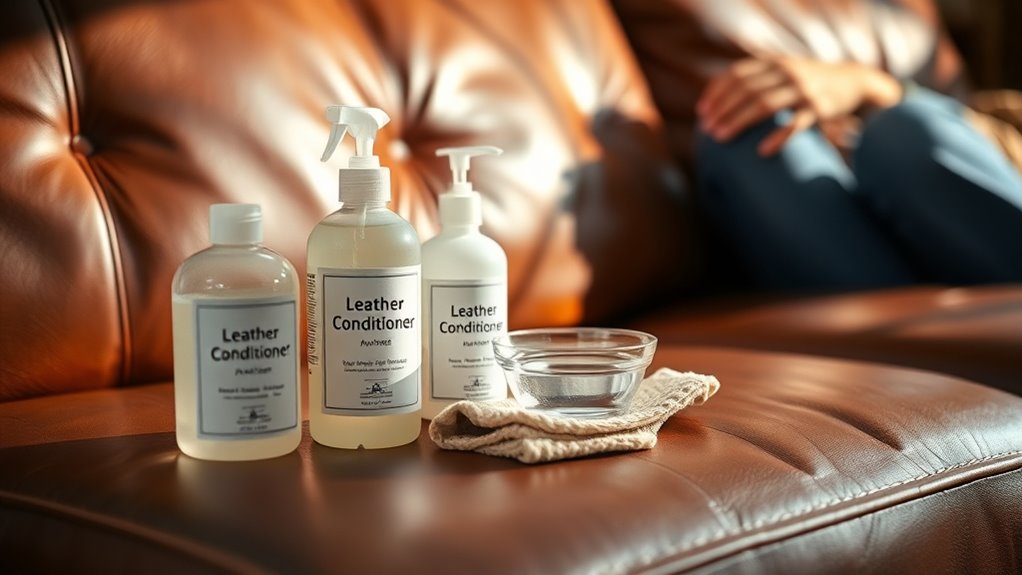
- Regularly condition leather every 3–6 months to restore moisture and prevent cracking, enhancing durability and longevity.
Leather is a luxurious material that adds elegance to furniture, clothing, and accessories, but it requires proper care to maintain its beauty and longevity. Understanding the types of leather you have is essential. Full-grain and top-grain leathers retain natural oils and need gentle, pH-balanced cleaners to prevent damage. Aniline and semi-aniline leathers, which lack heavy coatings, are sensitive to harsh chemicals and need mild, non-alkaline soap or specialized leather cleaners. For suede and nubuck, avoid liquid cleaners entirely; instead, use dry cleaning methods like brushes and erasers to protect the delicate nap. Italian leather craftsmanship is renowned for its quality and durability, making proper care even more important.
Proper care and understanding of your leather type are vital for maintaining its elegance and longevity.
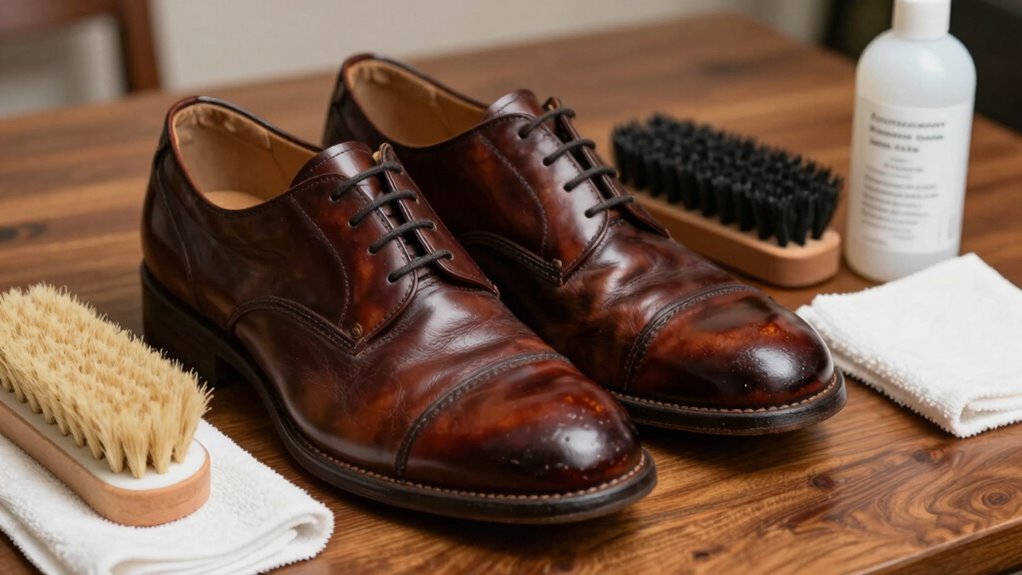
When it comes to cleaning tools, you should stock up on soft microfiber or lint-free cloths for dusting and wiping. These fabrics won’t scratch the leather surface. A soft bristle brush is also vital for removing dirt from suede and nubuck without damaging the fibers. Always use distilled water when mixing cleaning solutions to prevent mineral deposits that could harm your leather. A pH-balanced leather cleaner or mild soap is your best bet for routine cleaning. Proper cleaning helps maintain durability and appearance over time.
For regular maintenance, vacuum your leather items with an upholstery attachment or wipe them down with a dry microfiber cloth to remove abrasive particles. Quick wipes with a slightly damp cloth can eliminate surface grime, but make sure not to soak the leather to avoid water rings. It’s wise to condition your leather every three to six months to restore moisture and prevent cracking, especially for frequently used items.
Be mindful of what you avoid. Household detergents, bleach, and ammonia can disrupt the pH balance of leather and break down its proteins and fats. Solvent-based cleaners like acetone can strip dye and finish, so only use them if your leather is specifically rated for that treatment. Never soak leather or expose it to direct heat sources, as this can lead to shrinkage and stiffness. Also, refrain from using abrasive scrubbing pads, which can ruin the finish.
If you experience spills, act quickly. Blot spills with an absorbent cloth—never rub— to prevent stains from setting. Regularly inspect your leather items for wear and loose stitching to catch issues early. By following these guidelines, you’ll keep your leather looking luxurious and extend its lifespan.

USANOOKS Microfiber Cleaning Cloth Grey - 12 Pcs (12.5"x12.5") - High Performance - 1200 Washes, Ultra Absorbent Microfiber Towel Weave Grime & Liquid for Streak-Free Mirror Shine - Car Washing Cloth
10x GRIP-ROOT WEAVE - TRAP MORE, WORK LESS: Ultra-absorbent microfiber towels for car Grip Root weave works like...
As an affiliate, we earn on qualifying purchases.
Frequently Asked Questions
How Often Should I Clean My Leather Items?
You should clean your leather items every 6 to 12 months, depending on usage and the environment. If you notice dust or stains, take care of them promptly to avoid deeper cleaning later. Regular maintenance like dusting can extend the life of your leather. Always follow up with a conditioner to restore moisture and protect the surface. Remember, a little care goes a long way in keeping your leather looking great!
Can I Use Baby Wipes on Leather?
Absolutely avoid baby wipes on leather! These wipes often contain harsh chemicals and alcohol that can damage the delicate surface, leading to discoloration and drying. Instead, opt for pH-balanced products specifically formulated for leather. Keep your leather looking lovely by using soft cloths and gentle cleaners designed for its unique texture. Regular care can help preserve its natural beauty and durability, ensuring it stays stunning for years to come.
Is It Safe to Use Vinegar for Cleaning Leather?
No, it’s not safe to use vinegar for cleaning leather. Vinegar’s acidity can damage the leather’s surface and strip away natural oils, leading to dryness and cracking. If you’re looking for a cleaner, opt for pH-balanced leather products specifically made for your type of leather. Always test any cleaner on a hidden spot first to make sure it won’t harm the material. Your leather deserves better care to maintain its beauty and longevity.
What Is the Best Way to Store Leather Products?
To store leather products, keep them in a cool, dry place away from direct sunlight and heat sources. Use breathable cotton or linen dust bags, and maintain their shape with padded hangers or stuffing. Avoid plastic, as it can trap moisture. Periodically check for any signs of damage or pests. Finally, consider applying a leather conditioner before storage to help maintain suppleness and prevent cracking during long-term storage.
How Can I Prevent Leather From Cracking?
Just like a well-tended garden thrives, your leather needs nurturing to prevent cracking. To keep it supple, regularly condition it with a pH-balanced leather conditioner, ideally every 6 to 12 months depending on usage. Avoid excessive heat and direct sunlight, as they dry out the material. Also, wipe it clean with a soft cloth to remove dust and debris. These simple steps will help maintain your leather’s beauty and longevity.

10 Pack Microfiber Cleaning Cloths, Large 30" x 16" Absorbent Streak Free Lint Free Washable Reusable Towels for Floor Mop, Kitchen, Car, Windows, Glass, Stainless Steel, Multi-Purpose Rags, Blue
EXTRA LARGE SIZE: Each microfiber cleaning cloth measures a generous 30" x 16", providing more coverage for faster,...
As an affiliate, we earn on qualifying purchases.
Conclusion
Cleaning leather isn’t just about keeping it looking good; it can actually extend the life of your favorite pieces. Did you know that properly maintained leather can last up to 20 years or more? By using the right products and avoiding harmful substances, you can preserve that luxurious feel and appearance. So, take a little time to care for your leather, and it’ll reward you with years of enjoyment. Your investment deserves the best treatment!

Amazon Basics Microfiber Cleaning Cloths, Ultra Absorbent, Lint Free, Streak Free, Non-Abrasive, Reusable and Washable, 16" x 12", Blue/White/Yellow, Pack of 24
Microfiber 16 x 12-inch cleaning cloth (24-pack); ideal for cleaning cars, trucks, boats, and more
As an affiliate, we earn on qualifying purchases.
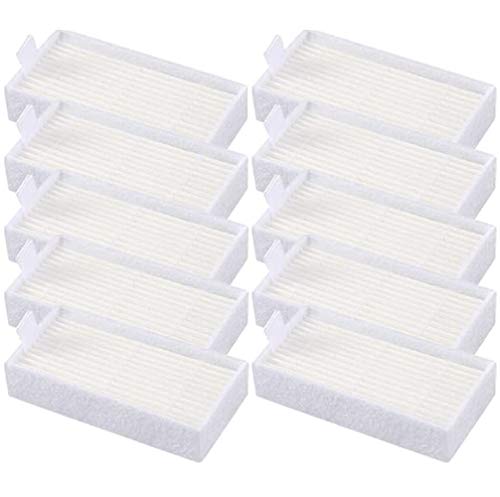
10pcs HEPA Filters Replacement for ILIFE V3s V3s pro V5 V5s V5s Pro V5s Pro 2 V5s Plus Noisz S5 Robotic Vacuum Cleaner ILIFE V3s pro Filters ILIFE Robot Vacuum Filter
Hepa filters for Ilife Vacuum model V3, V3s V3s pro V5 V5s V5s Pro Vacuum Cleaning Robot. Ilife...
As an affiliate, we earn on qualifying purchases.