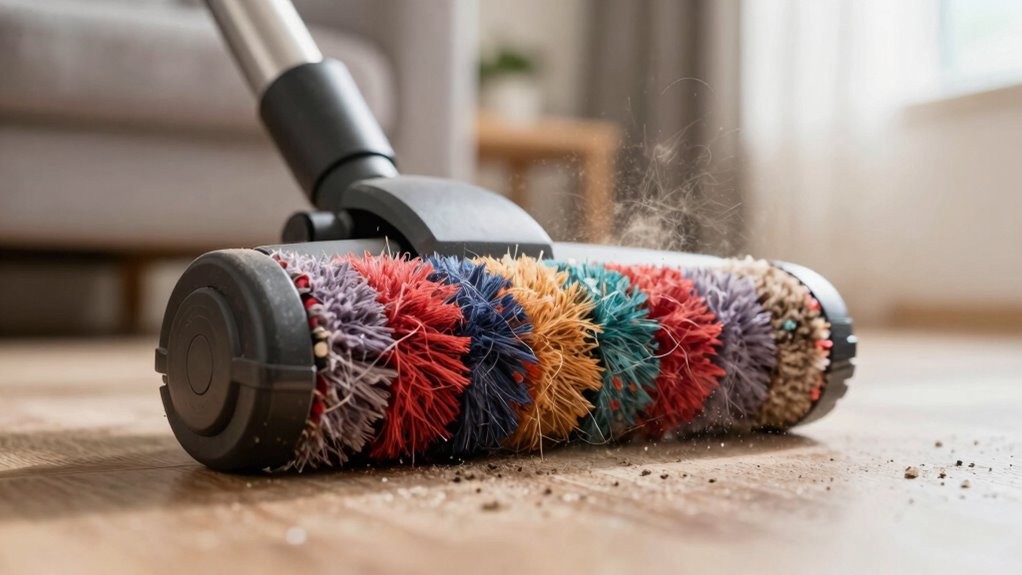

Brush roll vibration can indicate various issues that need your attention. If you hear rattling sounds, it might be due to hair or debris lodged in the brush roll or bearings. Loose components could also cause vibrations. Always check for these problems and clean or replace parts as needed. Persistent symptoms may signal deeper issues like motor or gear problems that could require professional help. Stay tuned to understand more about fixing these vibrations effectively.
Key Takeaways
- Rattling sounds during brush roll operation may indicate lodged debris or hair affecting performance and causing vibrations.
- Persistent grinding noises after cleaning often signal bearing issues that require immediate attention or replacement.
- A burning smell can indicate motor overheating, suggesting critical problems that need professional evaluation.
- Vibration after maintenance tasks like filter changes may point to misalignment, necessitating further inspection and adjustments.
- Regular cleaning and maintenance of components can prevent rattling noises and improve overall vacuum performance.

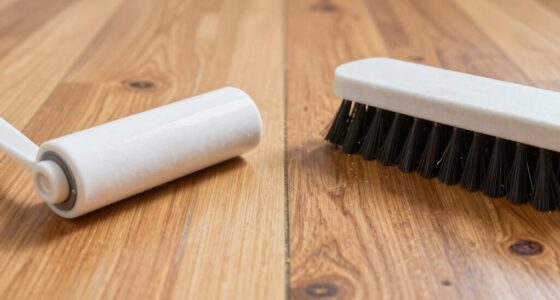
Start diagnosing the issue by removing the roller brush and running the vacuum briefly. This step helps you isolate the noise. If it persists, spin the side brushes to check for clicking or grinding. Inspect the brush roll for any lodged hair or hard objects that could be causing the noise. Don’t forget to guarantee that the end caps and housing are secure; loose connections can lead to vibrations that disrupt operation.
Start diagnosing noise issues by removing the roller brush and checking for lodged debris or loose connections.
Cleaning the brush roll is essential. Pry out the bearings with a screwdriver and clean them with a cloth. Use scissors to carefully cut away any wound hair and string. After cleaning, make sure the bearing spins freely. Accessing the brush roll can be done by laying the vacuum down and removing the bottom plate to inspect the components. Regular maintenance, like cleaning pre and post filters, can notably reduce the chance of rattling noises in the future.
Be on the lookout for warning signs. Persistent grinding after a deep clean usually indicates bearing issues. A burning smell can signal motor overheating, and if you suddenly lose brush roll function, it’s time to take action. Vibration that starts after changing a belt or filter could mean something’s misaligned.
If you suspect bad bearings, replace them to eliminate vibration. Using genuine parts for repairs is also a smart move; non-genuine components can lead to further issues. If you encounter critical symptoms, like grinding noises or reduced cleaning performance, power down and unplug your vacuum immediately. For complex issues, like motor or gear problems, don’t hesitate to reach out to the manufacturer or a professional service. Additionally, maintaining your vacuum’s components can ensure better cleaning performance and prolong its lifespan.

USANOOKS Microfiber Cleaning Cloth Grey - 12 Pcs (12.5"x12.5") - High Performance - 1200 Washes, Ultra Absorbent Microfiber Towel Weave Grime & Liquid for Streak-Free Mirror Shine - Car Washing Cloth
- High Absorbency Microfiber: Locks in 8-10x its weight in liquids
- Durable 2.5mm Thick Design: Resists lint, scratches, and shedding
- Swirl-Free Mirror Shine: Rapid dry layers prevent damage
As an affiliate, we earn on qualifying purchases.
Frequently Asked Questions
How Often Should I Replace My Vacuum’s Brush Roll?
You should consider replacing your vacuum’s brush roll every 6 to 12 months, depending on usage and maintenance. If you notice reduced cleaning efficiency, visible wear, or excessive noise, it’s time for a replacement. Regularly clean the brush roll to extend its life, but don’t ignore signs of damage or wear. Keeping an eye on your brush roll’s condition will help maintain your vacuum’s performance and prevent further issues down the line.
Can Brush Roll Vibration Damage My Vacuum Motor?
Yes, brush roll vibration can damage your vacuum motor. When the brush roll vibrates excessively, it creates additional strain on the motor, leading to overheating and premature wear. If you ignore the rattling sound, you risk a complete motor failure. Regular maintenance, like cleaning the brush roll and checking for debris, helps prevent this issue. Don’t wait until it’s too late—address any unusual sounds promptly to protect your vacuum’s longevity.
What Tools Do I Need for Brush Roll Maintenance?
To keep your brush roll in tip-top shape, you’ll need a few trusty tools: a screwdriver set for those tight screws, scissors or a seam ripper to tackle tangled hair, and a soft cloth for a thorough cleaning. A flashlight helps you spot hidden debris, while a wrench can tighten any loose parts. With these tools in hand, you’re ready to banish rattles and keep your vacuum humming smoothly!
Are There Specific Brands More Prone to Brush Vibration Issues?
Certain brands can be more prone to brush vibration issues due to design, materials, or quality control. Lower-cost models often use less durable components, leading to faster wear and vibration problems. However, even reputable brands can experience these issues if maintenance is neglected. Regularly cleaning your brush roll and inspecting for debris can help mitigate vibration, regardless of the brand. Always follow manufacturer guidelines for peak performance and longevity.
How Can I Prevent Hair From Clogging the Brush Roll?
Think of your vacuum as a hungry beast, keen to gobble up dirt but prone to choking on hair. To prevent hair from clogging the brush roll, regularly inspect and clean it after each use. Use scissors to trim away tangled strands wrapped around the bristles. Additionally, consider using a vacuum with a tangle-free brush design. With these steps, you’ll keep your vacuum running smoothly and extend its life.

Amazon Basics Microfiber Cleaning Cloths, Ultra Absorbent, Lint Free, Streak Free, Non-Abrasive, Reusable and Washable, 16" x 12", Blue/White/Yellow, Pack of 24
- Size: 16 x 12 inches
- Pack Size: 24 cloths
- Material: Microfiber
As an affiliate, we earn on qualifying purchases.
Conclusion
In conclusion, a rattling brush roll signals issues that need your attention. It warns of tangled hair, reminds you to check for debris, and alerts you to worn-out parts. By addressing these vibrations promptly, you can restore your vacuum’s efficiency, prolong its life, and ensure a cleaner home. Keep an ear out for those sounds, keep your brush roll clear, and keep your vacuum running smoothly. Your efforts today lead to a better clean tomorrow.

10 Pack Microfiber Cleaning Cloths, Large 30" x 16" Absorbent Streak Free Lint Free Washable Reusable Towels for Floor Mop, Kitchen, Car, Windows, Glass, Stainless Steel, Multi-Purpose Rags, Blue
- EXTRA LARGE SIZE: Each microfiber cleaning cloth measures...
- STREAK FREE & LINT FREE: These microfiber cloths leave surfaces...
- PREMIUM MATERIAL & HIGHLY ABSORBENT: Made from high quality microfiber...
As an affiliate, we earn on qualifying purchases.
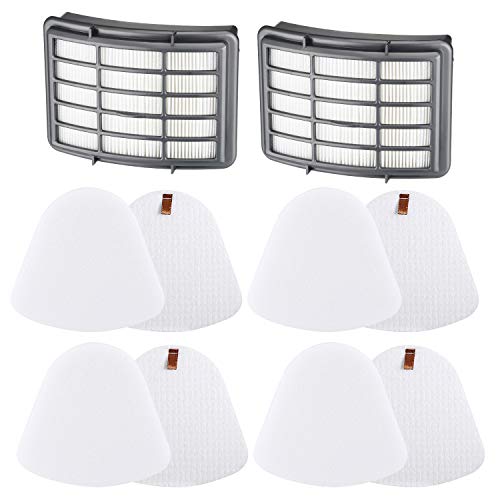
4+2 Pack Filters for Shark Vacuum Navigator Lift Away Filter Replacement Models NV350 NV351 NV352 NV355 NV356E NV360 UV440 UV540 CU500 XFF350 XHF350
- Compatible with Shark Navigator Models: Fits various NV and UV series models
- Valuable Pack Includes: 4 foam, 4 felt, 2 HEPA filters
- High-Efficiency HEPA Filters: Blocks secondary air pollution effectively
As an affiliate, we earn on qualifying purchases.