Dust mites feed mainly on shed skin cells from you and your pets, which accumulate in bedding, carpets, and soft furniture. They thrive in warm, humid environments with high dust levels, hiding in mattresses, curtains, and plush toys. To cut their numbers, you can wash bedding in hot water, lower humidity, and vacuum regularly with HEPA filters. Keep exploring for more tips on how to make your home less inviting for these tiny pests.
Key Takeaways
- Dust mites thrive in warm, humid environments with dust, especially in bedding, carpets, and upholstered furniture.
- They feed primarily on dead skin cells shed by humans and pets found in household dust.
- Regular cleaning, high-temperature washing, and humidity control (below 50%) help eliminate their habitats and food sources.
- Using HEPA filters, allergen-proof bedding, and reducing clutter can significantly decrease dust mite populations.
- Symptoms of infestation include allergies, sneezing, itchy eyes, and respiratory issues, which improve with proper mite control measures.

USANOOKS Microfiber Cleaning Cloth Grey - 12 Pcs (12.5"x12.5") - High Performance - 1200 Washes, Ultra Absorbent Microfiber Towel Weave Grime & Liquid for Streak-Free Mirror Shine - Car Washing Cloth
10x GRIP-ROOT WEAVE - TRAP MORE, WORK LESS: Ultra-absorbent microfiber towels for car Grip Root weave works like...
As an affiliate, we earn on qualifying purchases.
What Do Dust Mites Feed On?

Dust mites feed primarily on dead skin cells shed by humans and pets. These cells are a major component of their diet, making your bedding, pillows, and upholstered furniture ideal allergen sources. Their dust mite diet consists of tiny organic particles that accumulate in household dust. Because they thrive on skin flakes, areas where people and animals rest are hotspots for dust mite activity. They don’t eat mold or dirt directly but thrive in environments rich in organic debris. To reduce their food supply, it’s essential to minimize dust buildup and wash bedding regularly. Additionally, maintaining low humidity levels indoors to inhibit dust mite growth can be highly effective in limiting their proliferation. Using humidifiers and dehumidifiers can help control indoor moisture levels and discourage dust mite activity. Knowing their allergen sources helps you target cleaning efforts effectively, reducing dust mite populations and the allergic reactions they cause. Regular cleaning and moisture control are key to disrupting their microenvironment and keeping these pests at bay. Creating a less hospitable environment by reducing clutter and deep cleaning can further diminish dust mite habitats.

Amazon Basics Microfiber Cleaning Cloths, Ultra Absorbent, Lint Free, Streak Free, Non-Abrasive, Reusable and Washable, 16" x 12", Blue/White/Yellow, Pack of 24
Microfiber 16 x 12-inch cleaning cloth (24-pack); ideal for cleaning cars, trucks, boats, and more
As an affiliate, we earn on qualifying purchases.
Common Places Where Dust Mites Thrive
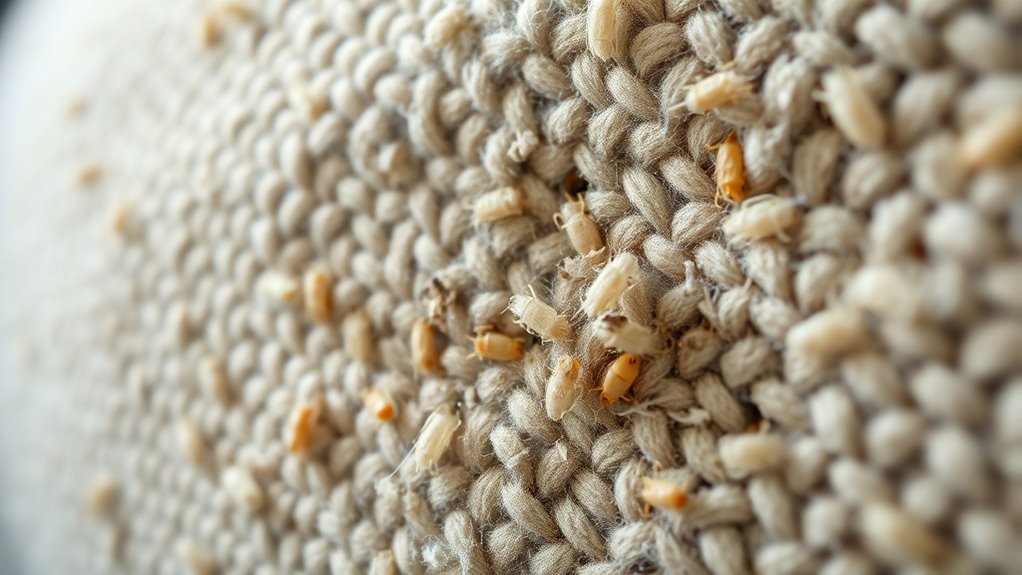
Dust mites thrive in warm, humid environments where they can easily access their main food sources. You’ll often find them hiding in spots with lots of organic material. Here are some common places where they flourish:
Dust mites love warm, humid spots rich in organic material like carpets, stuffed animals, and upholstered furniture.
- Carpet fibers — dust mites love the plush, fibrous material where they can feed and hide.
- Stuffed animals — these soft toys trap dust and skin flakes, providing an ideal habitat.
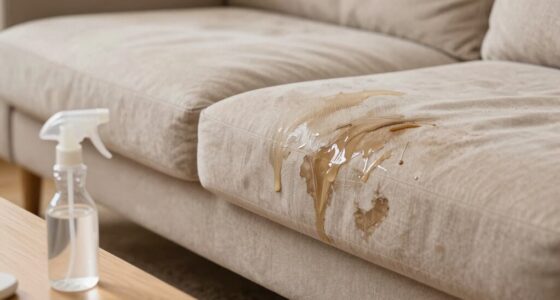
- Upholstered furniture — cushions and fabric surfaces harbor dust mites due to constant contact and dust accumulation.
- Color accuracy in home cinema projectors can impact the overall image quality, making it important to calibrate for optimal viewing.
- Dust mites are also attracted to humid environments, which support their survival and reproduction. Maintaining proper humidity levels can significantly reduce their population indoors. Additionally, regular cleaning and reducing clutter can help eliminate these dust habitats and further control their presence. Creating a less hospitable environment by using dehumidifiers and air purifiers can further deter dust mite proliferation.

10 Pack Microfiber Cleaning Cloths, Large 30" x 16" Absorbent Streak Free Lint Free Washable Reusable Towels for Floor Mop, Kitchen, Car, Windows, Glass, Stainless Steel, Multi-Purpose Rags, Blue
EXTRA LARGE SIZE: Each microfiber cleaning cloth measures a generous 30" x 16", providing more coverage for faster,...
As an affiliate, we earn on qualifying purchases.
Signs That You Have a Dust Mite Problem

If you notice increased allergy symptoms or unexplained respiratory issues, it might be a sign that dust mites are taking over your home. Common indicators include frequent sneezing, itchy eyes, or coughing, especially after waking up. You might also experience nasal congestion or wheezing. To visualize, consider this table:
| Symptom | Possible Cause |
|---|---|
| Frequent sneezing | Dust mite allergies |
| Respiratory issues | Dust mite exposure |
| Itchy eyes | Allergic reaction |
Additionally, understanding Dust Mite Habitats can help you target areas where they are most likely to thrive. Since these pests are often found in home security zones such as bedding, upholstered furniture, and carpets, focusing on these areas can be particularly effective. Dust mites thrive in humid environments, making controlling indoor humidity levels a crucial step in managing their populations. Maintaining optimal indoor air quality through filtration can also significantly reduce dust mite allergens. If these signs persist, it’s likely dust mites are present in your environment, triggering your symptoms. Recognizing these signs is the first step toward managing your indoor air quality and reducing allergen exposure. Regular cleaning and ventilation are also recommended to help mitigate dust mite populations.
Kenmore 81414 400 Series Pet Friendly Lightweight Bagged Canister Vacuum with Extended Telescoping Wand, HEPA, Retractable Cord, and 4 Cleaning Tools-Red
BAGGED CANISTER VACUUM: Designed to clean all areas and surfaces of your entire home, den, kitchen, car or...
As an affiliate, we earn on qualifying purchases.
How to Reduce Dust Mite Populations in Your Home

To effectively reduce dust mite populations in your home, start by maintaining a regular cleaning routine that targets their primary habitats. Vacuum carpets, upholstery, and bedding weekly using a HEPA filter vacuum, and wash bedding in hot water regularly. Consider using air purifier benefits, like HEPA filters, to trap airborne dust mites and allergens. Additionally, incorporate dust mite repellent plants such as English ivy or aloe vera into your space, as they can help improve air quality naturally. Regularly controlling indoor humidity levels can also make your environment less hospitable for dust mites, since humidity control is crucial in managing their proliferation. Connected home technology can also support your efforts by providing real-time air quality monitoring and alerts. Here are three key steps: 1. Vacuum and wash bedding weekly in hot water. 2. Use air purifiers with HEPA filters to reduce airborne mites. 3. Add dust mite repellent plants to your home for natural air cleaning. Implementing air quality improvement strategies can further enhance your efforts to cut down dust mite populations effectively, especially since maintaining optimal indoor conditions can also influence Dri Dri Gelato and other elements of a healthy environment.
Best Practices for Cleaning and Maintenance
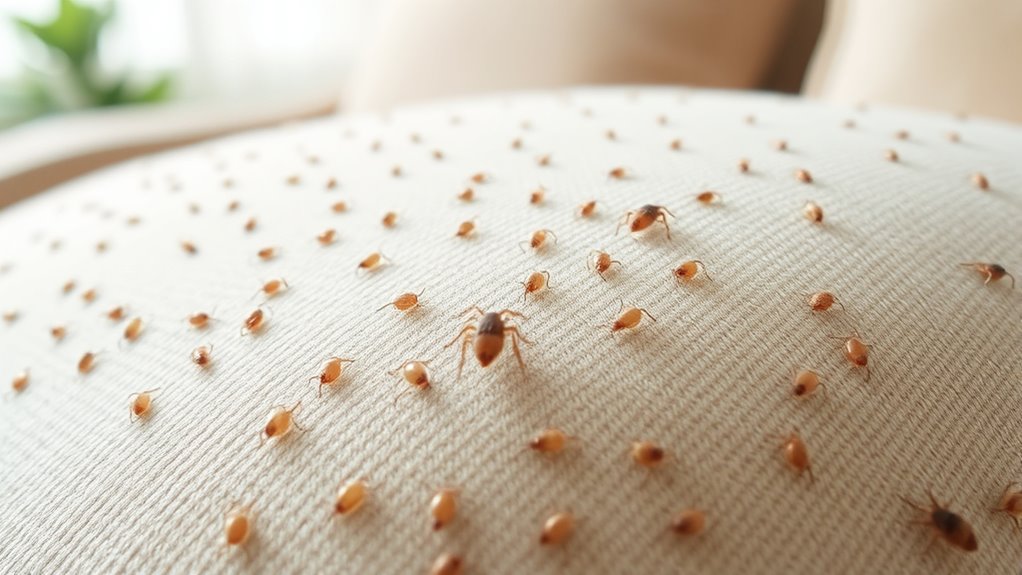
To keep dust mites at bay, you should wash your bedding regularly in hot water. Using high-efficiency filters in your HVAC system helps trap dust and mites effectively. Additionally, reducing clutter and dust in your home makes cleaning easier and limits hiding spots for mites. Opting for vetted cleaning products can further improve your efforts to control dust mite populations. Regularly inspecting and maintaining your home’s ventilation system can also help reduce moisture levels that attract dust mites.
Regular Bedding Washing
Regularly washing your bedding is one of the most effective ways to reduce dust mite populations and maintain a healthier sleeping environment. Use hot water (at least 130°F) to kill dust mites and prevent their buildup. Consider using hypoallergenic bedding, which provides a barrier against mites and allergens. Additionally, incorporate dust mite sprays designed to target and reduce mite populations on your sheets and pillowcases. Using an air purifier can further improve air quality by capturing airborne allergens and dust particles. Proper cleaning techniques help eliminate dust and reduce mite habitats, making your bedroom less inviting for these pests. Implementing sizing and load‑planning tools can help you optimize your cleaning routine and ensure thorough coverage. Here are some best practices:
- Wash all bedding weekly, including sheets, pillowcases, and duvet covers.
- Opt for hypoallergenic bedding and pillow protectors to minimize mite exposure.
- Regularly treat your bedding with dust mite sprays for extra protection against mites that may be hiding.
Consistent cleaning helps create a less hospitable environment for dust mites and promotes better sleep.
Use High-Efficiency Filters
Using high-efficiency filters in your HVAC system is one of the most effective ways to trap dust mites and other allergens before they circulate in your home. These filters improve air purification by capturing tiny particles that standard filters often miss. To maximize their effectiveness, you need to perform regular filter maintenance, replacing or cleaning filters as recommended by the manufacturer. This prevents clogging and maintains proper airflow, ensuring dust mites and allergens are consistently removed from the air. High-efficiency filters, such as HEPA filters, can substantially reduce dust mite populations indoors, making your environment healthier. Remember, consistent filter maintenance not only prolongs the life of your HVAC system but also keeps your indoor air clean and allergen-free.
Minimize Clutter and Dust
Implementing high-efficiency filters helps reduce airborne dust mites, but minimizing clutter and dust around your home further limits their presence. Effective decluttering strategies make cleaning easier and reduce hiding spots for dust. Use storage solutions like bins or shelves to keep unnecessary items off surfaces and floors, preventing dust accumulation. Regularly dust and vacuum, paying attention to hidden areas like under furniture and behind curtains. Wash bedding and soft furnishings weekly in hot water to eliminate mites. Keep humidity levels low, ideally below 50%, since dust mites thrive in humid environments. By maintaining a tidy space, you cut down on dust and create an inhospitable environment for dust mites. Staying consistent with these practices is key to a healthier, dust-mite-free home.
Tips for Creating a Less Hospitable Environment
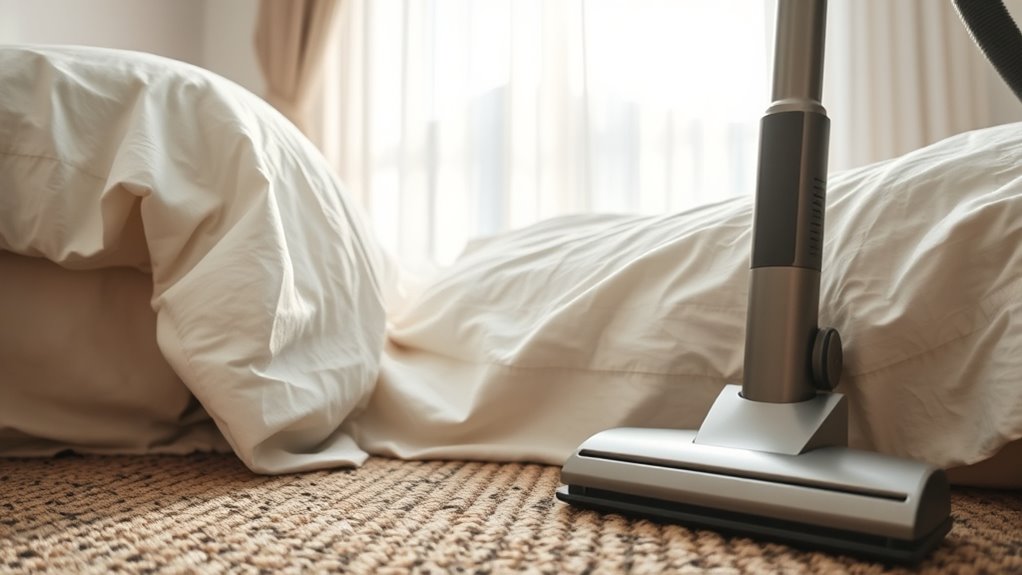
To make your environment less inviting for dust mites, focus on reducing their main habitats—dust, bedding, and upholstered furniture. Proper air purifier placement helps capture airborne allergens and reduces dust accumulation. Position the purifier in bedrooms and living areas for maximum effect. Controlling humidity is equally essential; keep indoor humidity below 50% to hinder dust mite survival and reproduction. Use a dehumidifier or air conditioner to maintain ideal levels. Regularly vacuum with a HEPA filter and wash bedding weekly in hot water to eliminate dust mites and their debris. Avoid clutter and minimize fabric-covered furniture where dust can settle. By combining strategic air purifier placement with humidity control, you considerably reduce dust mite populations and create a healthier, less allergenic environment.
Effective Bedding and Mattress Care
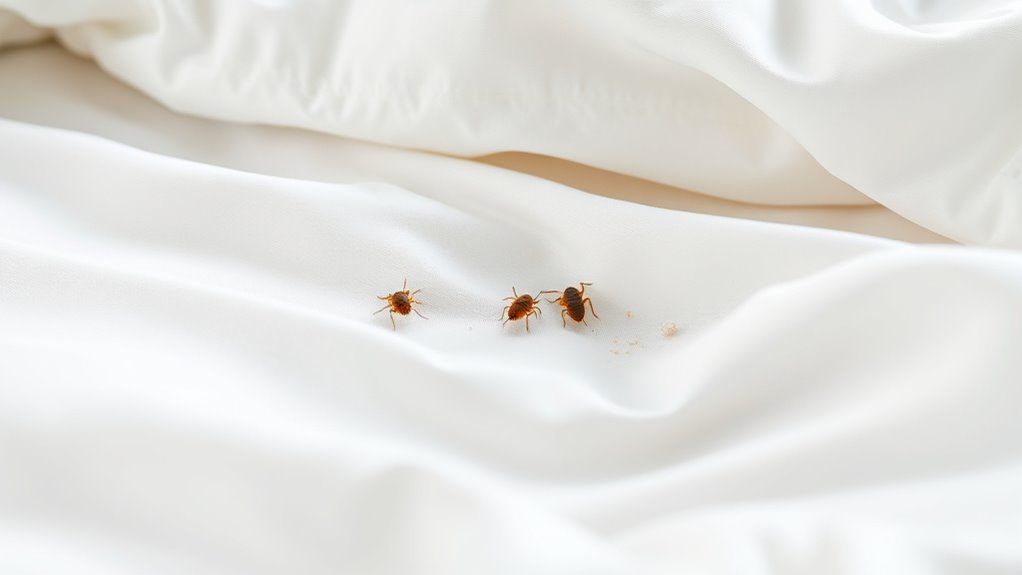
Maintaining clean bedding and a well-protected mattress plays a vital role in reducing dust mite populations. You should invest in hypoallergenic bedding and use mattress protectors to create a barrier against dust mites. Regularly washing your sheets, pillowcases, and blankets in hot water (at least 130°F) helps eliminate mites and their allergens. Additionally, consider these three steps:
- Use a mattress protector specifically designed to block dust mites.
- Replace pillows and bedding every 6-12 months.
- Keep humidity levels below 50% to inhibit mite survival.
Additional Strategies for Allergen Control
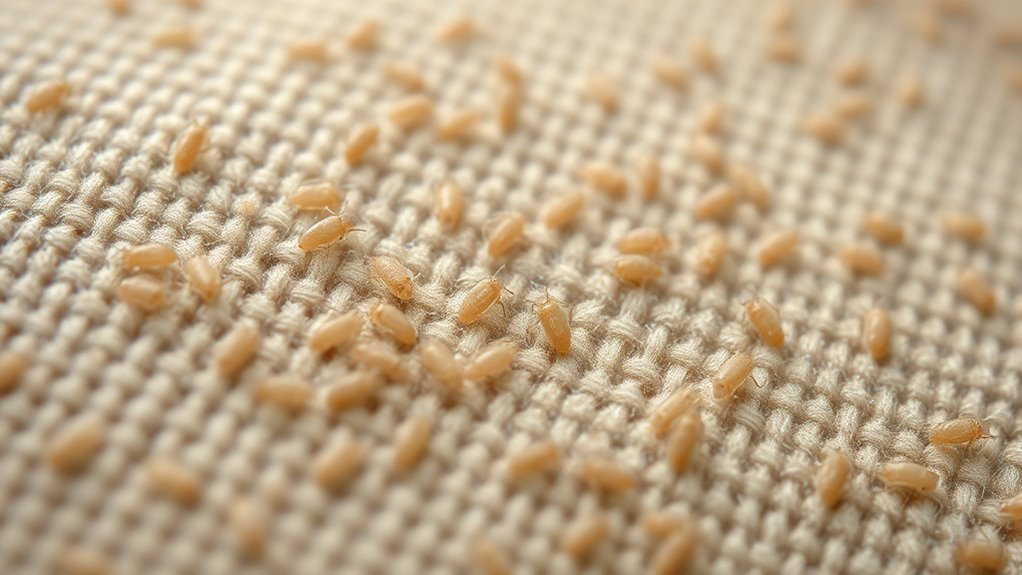
Besides bedding and mattress care, there are additional steps you can take to control dust mites and reduce allergens in your home. Using mite resistant fabrics for curtains, furniture covers, and pillowcases can prevent mite buildup and make cleaning easier. Consider switching to allergen proof storage for clothing, linens, and other fabric items. These airtight containers block mites from settling and reproducing. Regularly vacuum with a HEPA filter to remove dust and mites from carpets and upholstery. Keep humidity levels below 50%, as mites thrive in damp environments. By combining these strategies with proper bedding maintenance, you create an inhospitable environment for dust mites, reducing allergen levels and easing allergy symptoms.
Frequently Asked Questions
How Do Dust Mites Affect Allergy Sufferers Differently?
You might notice that dust mites trigger your allergy symptoms more intensely because your immune response overreacts to their presence. This causes symptoms like sneezing, runny nose, and itchy eyes. Some people are more sensitive than others, experiencing more severe reactions. To reduce these effects, you can control dust mite levels by keeping your environment clean and dry, which helps lessen your allergy symptoms and makes breathing easier.
Are Dust Mites Visible to the Naked Eye?
You might be surprised to learn that dust mites are tiny, often invisible to the naked eye. Their mite size ranges from 0.2 to 0.3 millimeters, making them hard to see without magnification. Visibility factors like lighting and the surface they inhabit can sometimes reveal their presence, but generally, these microscopic creatures blend into the environment. So, unless you have a microscope, you won’t see them with your eyes alone.
Can Pets Contribute to Dust Mite Populations?
Yes, pets can contribute to dust mite populations. Their pet dander provides an additional food source, encouraging mite proliferation in your home. Regularly grooming and bathing your pets reduces dander, which helps lower mite numbers. Additionally, washing bedding and vacuuming frequently can limit mite growth. Keeping humidity levels low also discourages dust mite survival, making your home less inviting for these tiny pests and helping you breathe easier.
What Natural Remedies Help Control Dust Mites?
Remember, an ounce of prevention is worth a pound of cure. You can try DIY sprays and natural repellents like tea tree oil or eucalyptus to help control dust mites. Regularly washing bedding in hot water and vacuuming with a HEPA filter also works wonders. These natural remedies create an inhospitable environment, making it harder for dust mites to thrive and giving you relief without harsh chemicals.
How Long Do Dust Mites Typically Live?
Dust mites typically live around 1 to 2 months, depending on the dust mite lifecycle and factors influencing lifespan like humidity, temperature, and food availability. You can reduce their lifespan by controlling these factors—keeping humidity low, cleaning regularly, and reducing dust buildup. By interrupting their lifecycle, you can effectively cut down their numbers and minimize allergic reactions.
Conclusion
By regularly cleaning and maintaining your home, you can considerably reduce dust mite populations. For example, imagine someone who washes their bedding weekly and keeps humidity low—within a few weeks, their allergy symptoms lessen noticeably. Taking proactive steps like these makes your environment less inviting for dust mites. Remember, consistency is key. With a little effort, you’ll create a healthier, more comfortable space free from these tiny allergens.