
TL;DR
The Lincoln Memorial’s algae growth has drawn attention to the challenges of maintaining large water features. Experts say this incident underscores the need for regular upkeep to prevent ecological issues and preserve historic monuments.
The Lincoln Memorial’s reflecting pool has developed a significant algae problem, prompting immediate maintenance efforts and raising awareness about water feature upkeep at historic sites. This incident underscores the importance of regular maintenance to prevent ecological issues and preserve the monument’s appearance.

Get cleaning gear delivered free with Prime
- Fast, free delivery on millions of items
- Prime Video, Amazon Music and more included
- Member-only deals all year
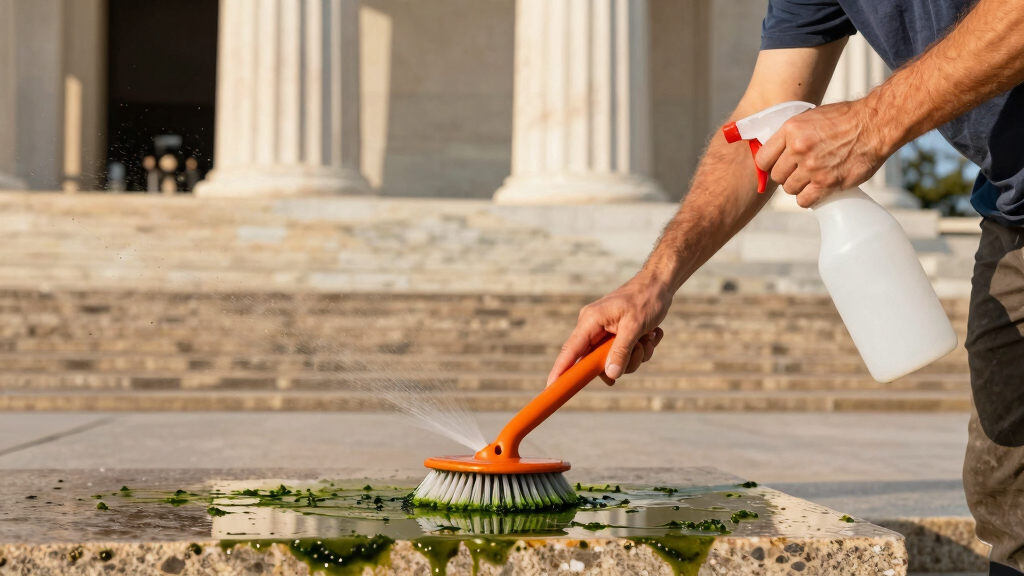
In early 2024, officials discovered extensive algae growth in the Lincoln Memorial’s reflecting pool, a key feature of the national monument. The algae, which appeared as greenish patches on the water surface, prompted swift action from maintenance crews to address the issue. Experts involved in environmental management and water feature maintenance have indicated that such problems often result from inadequate circulation, nutrient buildup, or environmental factors like warm temperatures and sunlight.
According to the National Park Service (NPS), the algae growth was identified during routine inspections and is now being treated with environmentally safe algaecides and increased circulation efforts. The NPS emphasized that the problem is manageable and that the algae issue does not threaten the structural integrity of the memorial itself. This incident has sparked discussions among conservationists about best practices for maintaining large-scale water features in outdoor, high-traffic environments.
Lessons on Water Feature Maintenance at Historic Sites
This algae problem highlights the critical importance of ongoing maintenance for large water features, especially at historic landmarks that attract millions of visitors annually. Proper upkeep not only preserves aesthetic appeal but also prevents ecological issues that can lead to costly repairs or environmental damage. The incident serves as a reminder that even well-maintained sites require regular attention to avoid problems like algae growth, which can diminish visitor experience and threaten the longevity of the feature.
Products Worth Considering

LEVOIT Vital 200S-P Smart Air Purifier for Large Rooms, White

Philips Hue Play Gradient Light Tube, Large, Black

Roborock Qrevo 2 Pro Robot Vacuum and Mop with 20,000 Pa Suction
As an affiliate, we earn on qualifying purchases.
Algae Growth as a Common Water Management Challenge
Algae accumulation in outdoor water features is a common issue faced by parks, gardens, and historic sites. Factors such as sunlight, nutrient levels from organic matter, and water circulation influence algae proliferation. The Lincoln Memorial’s reflecting pool has been a symbol of national heritage since its construction, and maintaining its water quality has always been a priority. Past incidents of algae or debris buildup have prompted periodic cleaning, but recent weather conditions and increased visitor activity may have contributed to the current problem. Experts note that regular maintenance routines, including filtration, circulation, and chemical treatments, are essential to prevent such issues.
The incident at the Lincoln Memorial reflects broader challenges faced by public water features across the country, especially as climate patterns shift toward warmer temperatures that favor algae growth. It also underscores the importance of sustainable and environmentally friendly maintenance practices that balance preservation with ecological health.
Unresolved Questions About Long-Term Water Quality
It remains unclear whether the algae problem is an isolated incident or indicative of broader maintenance deficiencies. The effectiveness of current treatment measures and whether additional measures will be necessary in the future are still being evaluated. Experts caution that changing weather patterns and increased visitor numbers could lead to recurring issues, but specific long-term impacts are not yet known.
Ongoing Monitoring and Maintenance Improvements
The National Park Service plans to increase the frequency of water quality inspections and enhance circulation systems in the reflecting pool. Additional environmentally friendly treatments may be implemented to prevent future algae growth. Further assessments are expected to determine if more comprehensive upgrades are needed to ensure the water feature remains clean and visually appealing. The incident is also prompting a review of maintenance protocols for other outdoor water features at national monuments.
Key Questions
What caused the algae growth at the Lincoln Memorial?
Experts suggest that factors like increased sunlight, nutrient buildup, and insufficient water circulation contributed to the algae proliferation.
Is the algae problem harmful to the monument?
No, the algae growth does not threaten the structural integrity of the Lincoln Memorial. It is primarily an aesthetic and maintenance concern.
How is the algae being treated?
The National Park Service is using environmentally safe algaecides and increasing water circulation to address the issue.
Will this happen again?
It is uncertain; ongoing maintenance improvements aim to prevent recurrence, but changing environmental conditions could pose ongoing challenges.
What does this mean for other historic water features?
This incident underscores the need for regular maintenance across all outdoor water features to prevent ecological issues and ensure preservation.
Source: rss