
TL;DR

Get cleaning gear delivered free with Prime
- Fast, free delivery on millions of items
- Prime Video, Amazon Music and more included
- Member-only deals all year
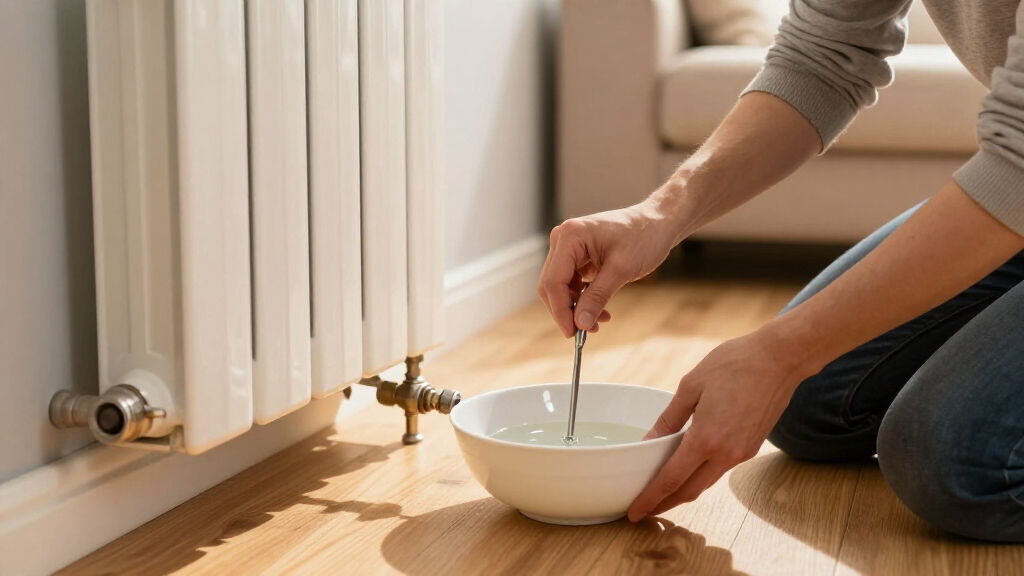
The Ideal Home report says to bleed downstairs radiators first, starting with the one farthest from the boiler, then repeat upstairs. Reversing the order is not expected to damage the heating system, but may mean checking upstairs radiators again; check boiler pressure before restarting the heating.
Bleed downstairs radiators first, then move upstairs, starting each floor with the radiator farthest from the boiler, according to heating experts quoted in an Ideal Home report. The order is intended to make the job more methodical; doing it the other way around is not expected to damage the system, but may mean bleeding or checking some radiators again.
Alex Woods of Victorian Plumbing recommends beginning on the ground floor and working through its radiators before moving upstairs. On each floor, start with the radiator farthest from the boiler. Woods told Ideal Home that the sequence helps move residual air upward through the system as the upstairs radiators are dealt with.
Matthew Powell, founder of WarmZilla, said bleeding upstairs radiators first is a less efficient approach rather than a damaging one. In his account, air released from downstairs radiators afterward can move through the system and collect upstairs again, potentially creating extra work. He advises checking the boiler pressure after bleeding and before turning the heating back on, because the process can lower pressure in a sealed system.
The report says a single radiator can be bled if it is cold at the top while other radiators heat normally. If several radiators gurgle, heat unevenly or have cold tops, Powell advises checking them individually. Afterward, homeowners should restart the heating and see whether the radiators warm evenly. Persistent uneven heating or cold spots at the bottom may point to a different problem, rather than trapped air alone.
Avoiding Repeat Bleeding
The recommended order matters mainly for efficiency, not because the alternative is said to damage the heating system. Working downstairs to upstairs gives homeowners a clear sequence and may reduce the chance of having to revisit radiators after air shifts through the system.
Checking pressure and heat distribution also helps distinguish a routine air-release task from a problem that may need further attention. The report notes that cold radiator tops can indicate trapped air, while cold areas at the bottom may signal sludge or another issue. That distinction matters because bleeding alone may not resolve every cause of poor heating.
As an affiliate, we earn on qualifying purchases.
A Seasonal Heating Check
The Ideal Home article presents radiator bleeding as a pre-winter maintenance check to help identify whether radiators are heating as expected before colder weather. Its advice is based on comments from Alex Woods of Victorian Plumbing, Matthew Powell of WarmZilla and John Klee, a heating technology expert at BestHeating.
The guidance separates symptoms that may be addressed by bleeding from signs that can require more investigation. The source says air may leave a radiator with a cold top, whereas cold spots at the bottom can indicate sludge build-up and may call for a system flush. Klee advises people who are not confident in their skills to contact a qualified professional for that more complicated work.
“It’s recommended to start bleeding your downstairs radiators first, beginning with the radiator furthest from your boiler.”
— Alex Woods, Victorian Plumbing, quoted by Ideal Home
As an affiliate, we earn on qualifying purchases.
When Bleeding Is Not Enough
The source does not provide a technical test for deciding whether every heating layout should follow the same sequence, nor does it specify an appropriate boiler-pressure reading for different systems. Homeowners should check the boiler’s instructions or seek professional advice rather than assume a single pressure target applies to all installations.
Bleeding may not fix radiators that remain unevenly heated. The report says cold bottoms can be a sign of sludge build-up, while valve problems or a need to balance radiators are also possible causes. It does not diagnose any particular system or establish which fault is present in an individual home.
As an affiliate, we earn on qualifying purchases.
Check Pressure and Heat
After bleeding the radiators, check the boiler pressure before switching the heating back on, following the boiler manufacturer’s guidance. Then run the heating and check whether the radiators warm evenly. If several remain cold or develop cold spots at the bottom, the cause may need investigation beyond bleeding.
For work such as a system flush, or if the homeowner is unsure what a radiator’s symptoms indicate, the report advises contacting a qualified heating professional. It does not announce a new rule or official change; the immediate takeaway is a practical sequence for routine radiator maintenance.
As an affiliate, we earn on qualifying purchases.
Key Questions
Should I bleed downstairs or upstairs radiators first?
According to the experts cited by Ideal Home, start downstairs, then work upstairs. On each floor, begin with the radiator farthest from the boiler.
Will bleeding radiators in the wrong order damage the system?
Matthew Powell of WarmZilla said the wrong order is not likely to damage the heating system. It may be less efficient and could mean checking or bleeding some upstairs radiators again.
Do I need to bleed every radiator?
If one radiator is cold at the top while the others heat normally, Powell said it may be enough to bleed that radiator. If several are gurgling, heating unevenly or cold at the top, the report advises checking each one.
What should I check after bleeding radiators?
Check the boiler pressure before restarting the heating, then see whether the radiators warm evenly. The source warns that bleeding can reduce pressure in a sealed system and says cold spots at the bottom may point to a separate issue.
When should I call a heating professional?
Consider professional help if radiators remain unevenly heated, have cold areas at the bottom, or may need a system flush. John Klee of BestHeating said people who are not confident with that more complicated work should contact a qualified professional.
Source: rss
Columbus Day / Indigenous Peoples' Day Picks
long weekend sales
As an affiliate, we earn on qualifying purchases.