TL;DR
A report by Ideal Home says UK-native hedges, particularly mixed plantings that include hawthorn, can offer food and shelter for wildlife while creating shade and corridors between habitats. Experts also describe hedges’ potential to trap some airborne particles, absorb carbon dioxide and help soil retain water; the report does not quantify those effects.
Garden experts cited by Ideal Home recommend mixed native hedging, including hawthorn and hazel, as a way to provide food and shelter for wildlife while adding shade to UK gardens. The report also describes hedges as potential barriers to some air pollution and as a way to support soil water retention, though it gives no measurements for those effects.
Ideal Home’s report focuses on hedging made from plants native to the UK, rather than treating wildlife-friendly features as isolated additions. Environmentalist Nick Mann, founder of Somerset-based Habitat Aid, recommends a well-managed mix of native species. He says hawthorn is a common foundation for such mixes because it grows quickly, flowers in spring and produces red berries, known as haws, in autumn.
Other suggested plants include holly and hazel. The report says holly can provide cover throughout the year, while hazel produces nuts. Mann also names myrobalan for early blossom, dogwood for autumn colour, buckthorn as food for brimstone butterfly caterpillars and honeysuckle as a food plant for hawk moths. The species suited to a particular garden will depend on local conditions and the intended hedge.
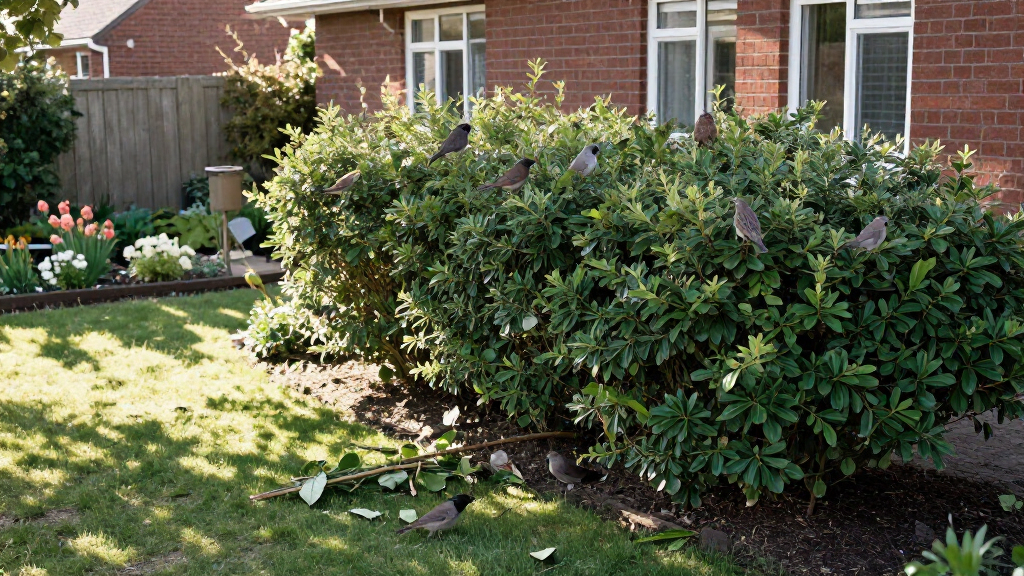
Richard Barker, a horticultural expert and commercial director of LBS Horticulture, says dense, thorny hedges such as hawthorn can offer birds a place to nest that is less exposed to predators. He also points to leaf litter as shelter for insects and small animals through winter, and says hedges can act as windbreaks for insects such as butterflies.
Mann says hedges can create cooler, shaded areas and routes between fragmented habitats. He also says hedges can trap larger airborne particles, absorb carbon dioxide and help reduce flooding by improving soil health and its capacity to hold water. The report does not provide data measuring the size of these effects or comparing native hedges with other garden boundaries.
How Hedges Support Garden Wildlife
A hedge is both a boundary and a potential small, connected habitat. Flowering and fruiting plants can supply seasonal food, while dense growth, thorny branches and fallen leaves can offer shelter and nesting sites. Linking gardens or other green spaces may give animals more protected routes through areas where habitat is fragmented, according to Mann.
The shade described by the experts may also matter during hot weather, when wildlife needs cooler places to shelter. These are potential benefits, not a guarantee that any hedge will support every species: plant selection, hedge condition and surrounding habitat all affect what wildlife can use it.
For people, hedges may serve several functions at once: privacy, wind protection, shade and habitat. Mann also describes possible contributions to air quality and water management. Those claims make native hedging relevant to gardeners considering how a boundary could do more than mark a property line, but the report does not quantify pollution reduction, carbon absorption or flood prevention.
native UK hedging plants for wildlife
As an affiliate, we earn on qualifying purchases.
As an affiliate, we earn on qualifying purchases.
Choosing and Managing Native Species
The report places wildlife-friendly gardening among the garden trends it identifies for 2026, alongside measures such as planting food sources for birds and adding small ponds for insects and frogs. Its central recommendation is to include the garden’s structural features, especially hedges, in those decisions.
Hawthorn is presented as a widely used option, but Mann cautions against using blackthorn in a garden hedge because, he says, it suckers aggressively. He recommends combining other native species in small groups instead. The source does not provide a universal planting plan, so gardeners may need advice suited to their soil, space and local wildlife.
Barker recommends traditional hedge laying to keep a hedge dense near ground level rather than letting it become a line of trees with open gaps below. He says laying is generally done during the dormant season, from October to March, and is suitable only for hedges with several years of growth. He advises trying a small section first and hiring a professional for complex work, limited experience or a long-lasting barrier.
“Hedges of all sorts are proven to reduce air pollution in urban areas. They trap larger particulates, which are then washed away.”
— Nick Mann, environmentalist and founder of Habitat Aid, as quoted by Ideal Home
hedge planting kit for wildlife habitat
As an affiliate, we earn on qualifying purchases.
As an affiliate, we earn on qualifying purchases.
Evidence and Site Conditions
The source presents expert guidance, but does not cite studies, measurements or comparisons showing how much pollution a hedge removes, how much carbon it absorbs or how much it changes flood risk. Those effects will depend on the hedge, its location and local conditions; the report does not quantify them.
It also does not identify one mix that is best for every garden, or offer detailed planting instructions on spacing, soil preparation and aftercare. While native species are described as well suited to UK conditions, that does not establish that every listed plant will thrive at every site. Readers should check local requirements and choose species appropriate to their garden.
As an affiliate, we earn on qualifying purchases.
Planning a Suitable Hedge
The next step for gardeners is to assess the space, soil, desired height and the types of wildlife they hope to support, then select a suitable mix of native species. The report recommends combining plants with different qualities, such as hawthorn for blossom and berries and other species for seasonal food or cover.
Anyone considering traditional hedge laying should work only during the dormant period identified by Barker and begin with a small section if they have the experience to do so. For an old, complex or substantial hedge, the experts recommend seeking advice or hiring a professional. The report does not announce a policy change or a new planting programme; its recommendations are practical guidance for garden decisions.
As an affiliate, we earn on qualifying purchases.
Key Questions
Which native hedging plants does the report recommend?
The report highlights hawthorn, holly and hazel, and also mentions myrobalan, dogwood, buckthorn and honeysuckle for particular seasonal or wildlife benefits. The best choices depend on the garden and the intended hedge.
Why is hawthorn suggested?
Nick Mann says hawthorn grows quickly, flowers in spring and produces red haws in autumn. Richard Barker says its dense, thorny growth can provide cover for nesting birds. These are expert statements in the Ideal Home report, not quantified results.
Can a hedge reduce pollution and flooding?
Mann says hedges can trap larger airborne particles and that their roots can improve soil water retention. The report gives no measurements for pollution removal or flood reduction, so it does not establish how large those effects are for a particular hedge.
When should a hedge be laid?
Barker recommends traditional hedge laying during the dormant season, October to March. He says it should be attempted only on hedges with several years of growth and advises hiring a professional if the work is complex or the gardener lacks experience.
Source: rss