
TL;DR

Get cleaning gear delivered free with Prime
- Fast, free delivery on millions of items
- Prime Video, Amazon Music and more included
- Member-only deals all year
Interior designers interviewed by House Beautiful describe “cushcore” as a move toward plush, inviting furniture and tactile materials, especially generously cushioned sofas. They say the look is about comfort balanced with proportion and practical choices—not simply filling a room with oversized furniture.
Interior designers interviewed by House Beautiful are describing “cushcore” as a fall decor look built around plush seating, tactile fabrics and rooms designed to feel comfortable as well as polished. The report offers styling suggestions, but it does not establish how widely the trend has been adopted or provide data showing that it is taking over homes.
The designers characterize cushcore as a comfortable, layered aesthetic, with an oversized sofa often serving as its focal point. Julia Newman, an interior designer who works between Los Angeles and Minnesota, compares the look to the rounded, generously cushioned furniture popular in the 1990s. She argues that the appeal is not tied to a particular decade: inviting, comfortable rooms, she says, do not go out of style.
Tracy Morris, an interior designer based in McLean, Virginia, says the goal is a room that appears polished but remains easy to use. The sofa matters, but Morris and Newman caution against choosing one so large that it dominates the space. Morris recommends proportion and restraint, with tailored details, smaller tables and a considered furniture layout helping balance a substantial seat.
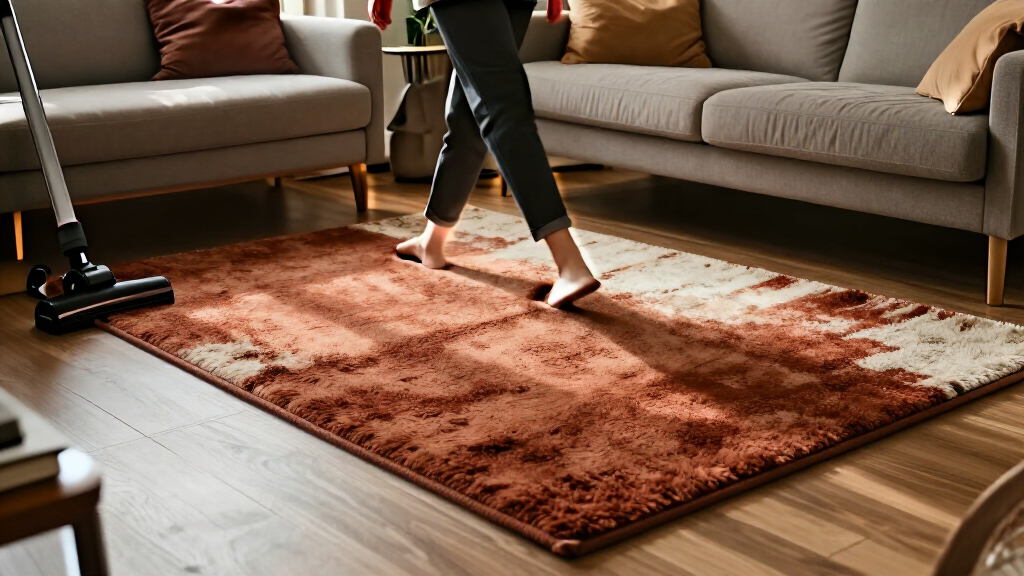
The look does not require buying a new sofa, according to the designers. Tori Young of British multidisciplinary firm HollandGreen suggests building a restrained palette of about three colors and layering materials such as velvet, linen and wool. Warm wood accents can offset the effect of a room with too much upholstery. Other suggested changes include a deep-pile rug, layered lighting and warm-toned 2700K bulbs.
For smaller rooms, the designers suggest using a generously upholstered armchair rather than a full-size sofa. Morris also points to a tufted or upholstered ottoman as a smaller way to bring in the look. For upholstery, she recommends durable, forgiving materials that do not demand constant adjustment, and names washable velvet options from Perennials and Osborne & Little as examples.
Comfort Without Overfilling a Room
The advice frames cushcore as a practical decorating choice as much as a visual style: furniture should invite people to use a room, rather than leave it looking carefully staged but uncomfortable. That distinction may matter to readers weighing a costly sofa purchase or a smaller refresh. The designers’ alternatives—changing lighting, adding a textured rug or choosing one upholstered accent—offer ways to try the look without replacing an entire room of furniture.
The report also tempers the idea implied by “taking over homes.” Its recommendations come from designers quoted by one publication, not a survey of households or sales figures. Readers should treat cushcore as a design label and expert-described preference, not evidence of a measured market-wide shift.
As an affiliate, we earn on qualifying purchases.
From Sleek Seating to Soft Layers
The designers describe cushcore in contrast with recent preferences for sleek, low-slung sofas and midcentury-inspired seating. Newman connects the newer look to the plump furniture associated with 1990s television sets, while distinguishing its current appeal as a broader emphasis on comfort rather than a strict period revival.
Young links the desire for softer, more personal interiors to people seeking comfort and calm at home during uncertain times. That is her interpretation of the mood behind the style, not a finding supported by polling in the report. The practical guidance remains specific: choose furniture in scale with the room, combine tactile fabrics with warm wood, and avoid adding so many colors or patterns that the space feels busy.
“The best version feels luxurious because it’s comfortable, not in spite of it.”
— Tracy Morris, interior designer in McLean, Virginia
As an affiliate, we earn on qualifying purchases.
How Widespread Is Cushcore?
The report does not provide sales figures, survey results or adoption data to show that cushcore is widespread or gaining ground across homes. “Taking over” is the headline’s characterization; the material supports a report on designers’ views and recommendations, not a verified measure of the trend’s reach. It also does not specify how long the style might remain popular or whether demand differs by region, budget or household size.
The suggested fabrics, including washable velvet, can vary in cost, care requirements and availability. Readers should check product specifications and suitability for their own use rather than assume every velvet or upholstered piece is low-maintenance.
As an affiliate, we earn on qualifying purchases.
Testing the Look at Home
The source sets out no scheduled industry milestone or follow-up data. For readers interested in the look, the designers’ guidance points to a gradual approach: assess the room’s scale, introduce one plush focal piece or smaller upholstered accent, and build texture with a restrained color palette. A rug, warm lighting or ottoman can test the style before a larger furniture purchase.
Whether cushcore becomes a lasting trend or remains a seasonal design label is not established by the report. Any firmer assessment would require evidence beyond these designers’ comments, such as consumer surveys, sales information or reporting on how the style is being adopted.
As an affiliate, we earn on qualifying purchases.
Key Questions
What does “cushcore” mean in this report?
It is a designer-described interior style centered on plush seating, tactile materials and a comfortable but polished room. It is a design label, not a formal standard.
Do I need to buy an oversized sofa to try cushcore?
No. The designers suggest a generously upholstered armchair or ottoman as smaller alternatives, and recommend choosing furniture that fits the room rather than filling every corner.
What materials and colors do the designers recommend?
Young suggests combining textures such as velvet, linen and wool and keeping the palette to about three colors. Warm wood accents can balance a room with substantial upholstery.
Is cushcore confirmed to be taking over homes?
No. House Beautiful’s report presents designers’ descriptions and advice but gives no market data or survey results establishing how widely the look has spread.
Source: rss
Columbus Day / Indigenous Peoples' Day Picks
long weekend sales
As an affiliate, we earn on qualifying purchases.