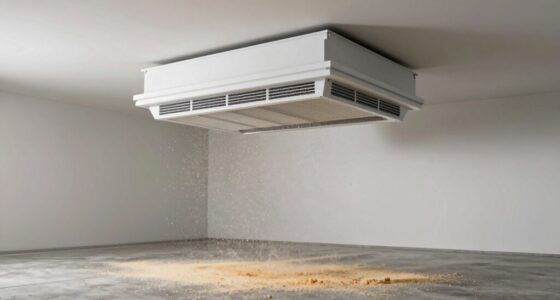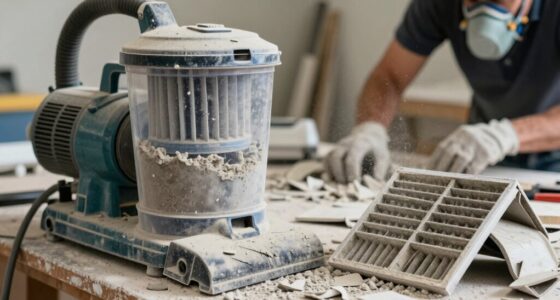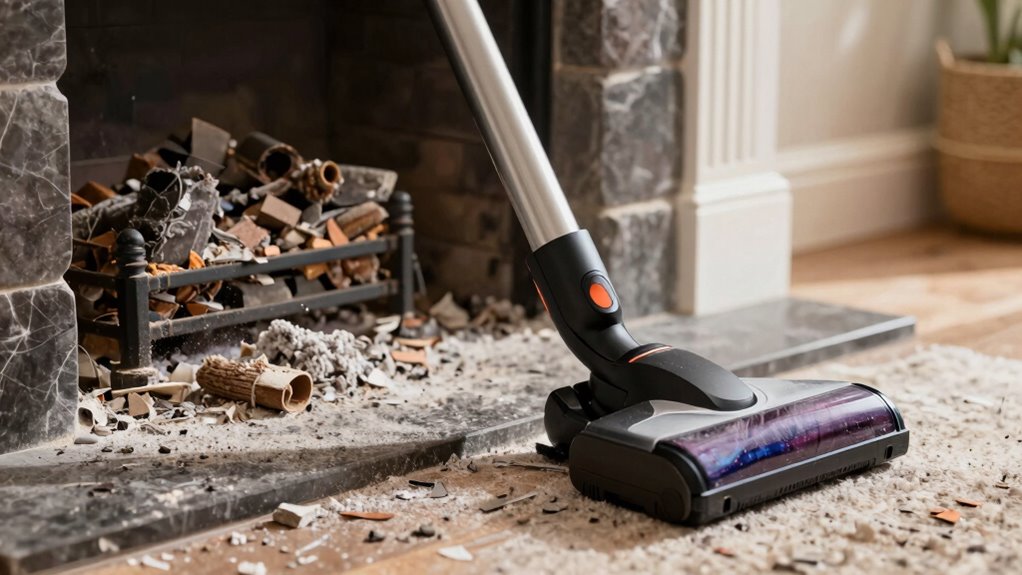

Using a shop vac to clean up fireplace ashes is dangerous because it’s not designed to handle hot or fine ash particles, which can melt parts or ignite inside the vacuum. Residual embers can smolder for days and cause fires if disturbed. Flammable dust poses explosion risks, and poor containment spreads ash particles into the air. If you want to keep your home safe, discover better ways to handle and dispose of ashes carefully.
Key Takeaways
- Shop vacs are not heat-resistant and can melt or catch fire when used on hot or residual embers.
- Fine ash can escape from shop vac filters, creating inhalation risks and spreading combustible dust.
- Residual embers inside shop vacs may smolder, causing fires or damage to the vacuum components.
- Using improper equipment increases the risk of re-ignition from hidden hot spots in ash.
- Proper ash removal requires specialized, heat-resistant tools, not standard shop vacs, for safety and effective cleanup.
The Hidden Dangers of Ash Removal

Have you ever considered the risks involved in removing ash after a fire? Ash disposal might seem straightforward, but it can pose serious dangers if not handled properly. Hot embers can remain smoldering for days, risking accidental ignition if disturbed prematurely. Improperly clearing ash can also release fine particles into the air, threatening your fireplace safety and breathing health. Remember, even after the visible flames are out, hidden heat can ignite nearby combustible materials. Using improper tools or rushing the process increases the risk of burns, fires, or airborne ash inhalation. Always allow ash to cool completely before disposal, and use designated containers to prevent accidental fires. Prioritizing safe ash removal protects your home and ensures your fireplace remains a safe comfort.
Why Shop Vacs Are Not Designed for Ashes
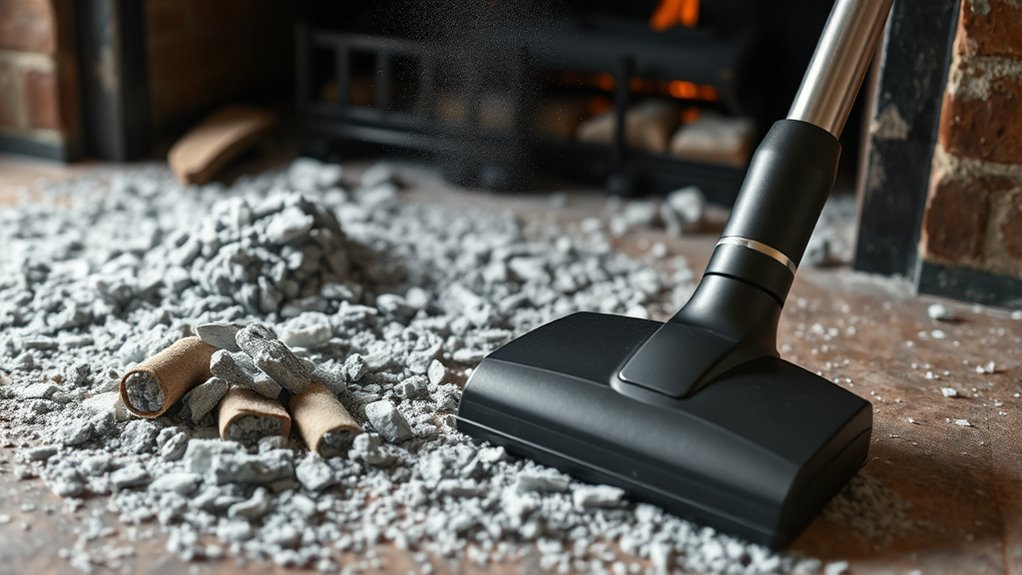
Shop vacs aren’t built to handle hot or fine ash, so they lack heat resistance and can melt or catch fire. They also don’t contain ash properly, risking dust escaping and spreading dangerous particles. Plus, the dust from ashes is flammable, making using a shop vac a serious safety hazard. Understanding home safety can help prevent accidents when dealing with fireplace debris. Additionally, the material composition of shop vacs makes them unsuitable for handling combustible or hot materials, increasing the risk of damage or injury. Since many shop vacs are not designed with fire-resistant features, they should be avoided entirely for ash cleanup. Using the wrong equipment can lead to fire hazards and potential property damage.
Lack Heat Resistance
Since shop vacs are not built to withstand high temperatures, using them to clean up ashes can be dangerous. Their lack of heat resistance means the internal components and materials safety are compromised when exposed to hot ash particles. The plastic components and filters aren’t designed for high heat, increasing the risk of melting or ignition. This can lead to fire hazards or damage to your equipment, making cleanup unsafe. To ensure safety, consider the following points:
- The materials used in shop vacs are not rated for high temperatures, risking deformation or failure.
- Heat can cause ash to smolder inside the vacuum, potentially igniting combustible parts.
- Proper ash removal requires specialized tools with built-in heat resistance to prevent accidents.
- Using the right equipment, such as fireplace ash removers, can significantly reduce safety risks and protect your property.
Ineffective Ash Containment
Because shop vacs aren’t designed to contain fine ash particles effectively, they often fail to prevent messes and hazards during cleanup. Ash containment can be unreliable, allowing tiny particles to escape back into the air or settle elsewhere. This can lead to airborne dust lingering in the environment, increasing health risks. Visualize this:
| Fine Ash Particles | Shop Vac Limitations |
|---|---|
| Easily escape | Not sealed for ash |
| Spread in air | Ineffective filtration |
| Settling on surfaces | Poor ash containment |
| Dust inhalation | Increased health risk |
| Messy cleanup | Inefficient ash disposal |
Using a shop vac for ash cleanup is a poor choice, as it’s not designed to securely contain or dispose of ash safely. Additionally, attempting to use a shop vac can damage the motor or other components due to ash buildup, which compromises the vacuum’s longevity and safety. The presence of fine ash particles can also lead to clogging filters and reduce the overall efficiency of the vacuum over time. Moreover, the proper disposal of ash requires specific procedures to prevent fire hazards and environmental contamination. Failure to follow proper disposal methods can result in fire hazards, especially if hot embers are accidentally vacuumed up.
Flammable Dust Risks
Using a shop vac to clean up ash can be extremely dangerous because ash is highly flammable. The fine particles can ignite if they come into contact with sparks or static electricity, risking a fire hazard during ash disposal. Shop vacs are not designed for combustible dust, which makes them unsafe for this purpose. To guarantee fire safety, avoid using standard vacuum cleaners for ash cleanup. Instead, consider specialized ash vacuums or proper disposal methods. Proper disposal methods are essential to prevent accidents and ensure safe cleanup. In addition, dust collection systems designed for combustible dust can significantly reduce the ignition risks associated with ash cleanup. Static electricity build-up increases ignition risk. Inadequate filtration can cause explosions. Using improper tools compromises fire safety protocols. Free Floating particles can remain airborne longer, increasing risk. It’s also important to recognize that many shop vacs lack the necessary explosion-proof features required for handling combustible dust safely.
Risks of Combustible Dust Explosions
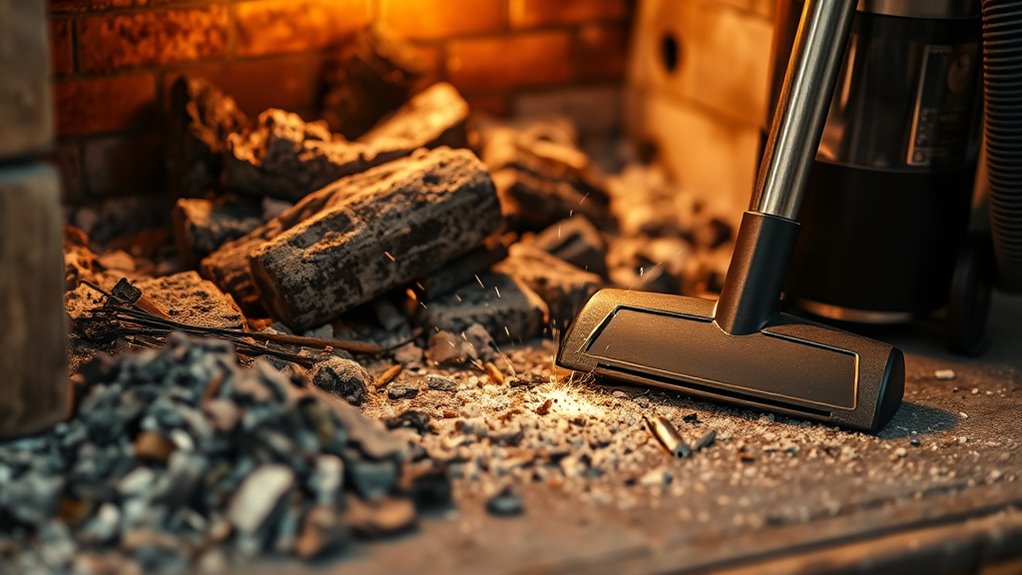
Combustible dust poses a serious risk of explosions if not properly managed. When ash dispersal occurs during cleanup, tiny particles can become airborne, creating a highly combustible environment. Even a small spark or static electricity can ignite these dust clouds, leading to a powerful explosion. Ash discoloration on surfaces indicates that fine particles are spreading beyond visible deposits, increasing the danger. Without proper containment and ventilation, dust can accumulate quickly in confined spaces, escalating the risk. Shop vacs and improper ash disposal methods often disturb settled dust, inadvertently raising the threat of a blast. Staying vigilant and following safety protocols, like using specialized equipment and cleaning methods, helps prevent combustible dust explosions and protects your space from catastrophic damage.
The Fire Hazard of Residual Embers
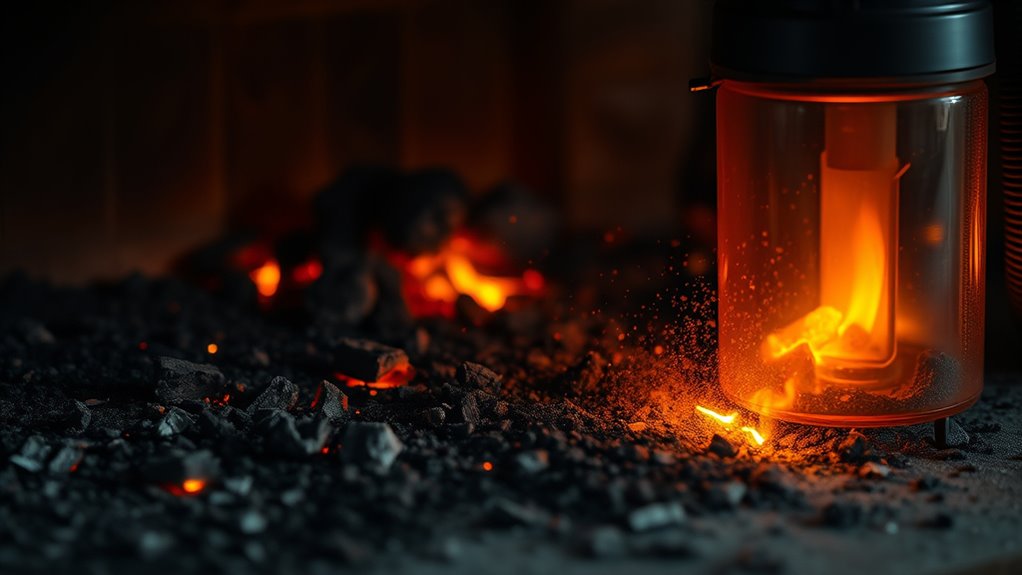
Residual embers can hide in ash piles, making them easy to overlook. These hot spots can stay dangerous for hours or even days after a fire seems out. If you’re not careful, lingering embers could ignite new flames unexpectedly. Regular inspection and understanding of auditory processing skills can help identify areas where safety measures should be improved. Additionally, knowing how to properly assess and maintain whole-house water filtration systems can reduce risks associated with lingering particles and contaminants. Being aware of fire safety protocols is essential for preventing accidental re-ignitions and ensuring a safe environment after burning. Recognizing proper ash disposal techniques can further decrease the risk of residual embers igniting later. Proper disposal methods are crucial for minimizing fire hazards related to leftover embers.
Hidden Hot Spots
Even when a fire appears to be completely out, hidden hot spots can still pose a serious risk. These residual embers can smolder unnoticed, igniting nearby materials if disturbed. To prevent this, you should avoid ash reuse before ensuring it’s fully cooled, as hot pockets may still contain enough heat to reignite. Ash preservation is crucial; store ashes in a non-combustible container away from flammable objects. Be cautious when handling leftover ash, as it can hide small, glowing embers that remain dangerously hot.
- Check for uneven heat distribution in the ash pile
- Use a metal tool to sift through ash and identify hot spots
- Never assume that all embers are extinguished just because the surface looks cold
Embers Linger Longer
Despite appearing extinguished on the surface, embers can linger much longer beneath, creating a hidden danger. Ember retention occurs when small hot spots stay alive in the ash long after the flames are gone. These residual embers can reignite if disturbed or exposed to oxygen, especially during ash cooling. That’s why thorough ash removal is critical; simply sweeping away surface ash might leave dangerous embers behind. Proper ash cooling involves allowing the fire to die completely and waiting hours before cleanup. Never rely solely on visual clues—hot embers can hide beneath the surface. Proper ash cooling is essential for safety, as it reduces the risk of unintended ignition. Additionally, understanding the fire hazard of residual embers can help prevent potential fires. Recognizing the signs of lingering embers can further help in assessing whether it’s safe to handle the ashes. Implementing safe cleanup practices based on these signs can significantly lower the risk of accidental fires. Taking these precautions minimizes the fire hazard posed by lingering embers and ensures your fireplace or stove remains safe after use. Being aware of ash cooling techniques can further enhance safety measures and prevent dangerous re-ignitions.
Proper Methods for Safe Ash Disposal

To guarantee safety when disposing of ash, it’s important to follow proper methods that prevent fire hazards and environmental contamination. First, ensure the ash is completely cool before handling. Using a metal container with a tight-fitting lid is essential for safe ash disposal, as it minimizes the risk of accidental ignition. Never use plastic or combustible containers. When disposing, place the container in a safe outdoor location away from combustible materials. Regularly check local regulations for proper disposal procedures.
- Store ash in a non-combustible container until it’s fully cooled
- Avoid using plastic or paper bags for ash disposal
- Incorporate fire safety by keeping ash containers away from buildings and flammable objects
Choosing the Right Equipment for Ash Cleanup
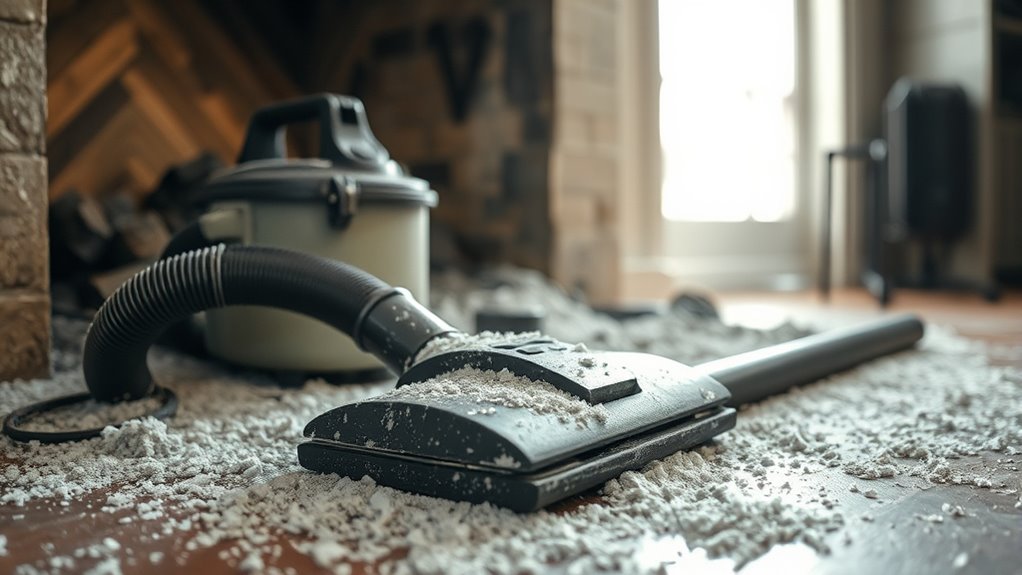
Choosing the right equipment for ash cleanup can make the process safer and more efficient. Start by ensuring your ash vacuum compatibility; not all vacuums are designed to handle fine ash safely. Look for models specifically made for ash removal, which have sealed motors and heat-resistant materials. Fireplace cleaning tools, like ash scoops and brushes, should be sturdy and designed to reach all areas of your fireplace or stove. Avoid using regular shop vacs, as they often lack proper filtration and can become damaged by heat or fine particles. Investing in specialized fireplace cleaning tools and an appropriate ash vacuum minimizes the risk of spreading ash dust and damaging equipment, making cleanup safer and more effective.
Tips for Maintaining a Safe Fireplace Environment

Maintaining a safe fireplace environment starts with regular inspections to identify and address potential hazards. Ensuring proper ash disposal is essential to prevent accidental fires and maintain fireplace safety. Always wait until ashes are completely cool before handling or removing them. Use a metal container with a tight-fitting lid for ash disposal, and store it away from combustible materials. Regularly check your chimney and fireplace for creosote buildup or cracks that could pose risks. Keep combustible items like furniture, curtains, and paper at a safe distance from the fireplace. Additionally, install and test smoke and carbon monoxide detectors regularly to enhance overall safety. By following these steps, you’ll create a safer environment and enjoy your fireplace responsibly.
How to Safely Handle and Store Ashes

Ever wondered how to handle and store ashes safely after your fire has burned out? Proper ash disposal is essential for fireplace safety. Always let ashes cool completely before touching them—this can take at least 24 hours. Use a metal container with a tight-fitting lid to store ashes temporarily, preventing accidental fires. Never store ashes in combustible containers or near flammable materials. When disposing of ashes, check local regulations; some areas require special disposal methods. Keep the container outdoors, away from your home or deck. Avoid using shop vacs for ashes, as they can ignite if hot embers remain. By following these steps, you minimize fire risks and maintain a safe fireplace environment. Proper handling and storage are key to preventing accidents and ensuring safe ash disposal.
Frequently Asked Questions
Can Using a Shop Vac Cause a Fire After Ash Cleanup?
Yes, using a shop vac for ash vacuuming can cause a fire if you don’t follow proper ash disposal safety. Fine ash can ignite if hot embers are present, so always make certain the ashes are completely cooled before vacuuming. Using a specially designed ash vacuum helps prevent fire risks, and proper disposal methods reduce chances of accidental ignition. Always prioritize safety to avoid potential fires after ash cleanup.
What Are the Signs of Residual Embers in Ashes?
You should look for signs of residual embers through thorough ash inspection, such as glowing spots or heat radiating from the ashes. During ember detection, gently move the ashes to see if any hot embers remain hidden beneath cooler surface layers. If you notice any red or orange hints, or if the ashes feel warm, avoid vacuuming and let them cool completely to prevent fire risks.
Is It Safe to Leave Ashes Outdoors Overnight?
Leaving ashes outdoors overnight is like leaving a sleeping dragon unattended—there’s a risk of residual embers reigniting. For safe ash disposal, guarantee ashes are fully cooled before outdoor storage and keep them in a metal container with a tight lid. This prevents accidental fires and maintains outdoor safety. Never dispose of hot ashes directly on the ground or near combustible materials, and always check for residual heat before handling.
How Often Should I Dispose of Fireplace Ashes?
You should dispose of fireplace ashes regularly, ideally after each use or at least once a week if you use your fireplace frequently. Always use proper ash disposal methods, such as placing cooled ashes in a metal container with a tight lid. Avoid using shop vacs for fireplace ash disposal, as they can be dangerous. Proper disposal prevents fire hazards and keeps your space safe and clean.
Are There Any Fire-Resistant Containers for Ash Storage?
Yes, you can find fire-resistant containers for ash storage. These containers are specifically designed to safely hold hot ashes and prevent fires. When choosing ash storage options, look for metal bins made from materials like steel or cast iron, which resist heat and sparks. Using fire-resistant containers keeps your home safe and makes ash cleanup easier, ensuring that hot embers don’t cause accidental fires during disposal.
Conclusion
Always prioritize safety when handling ashes—avoid using shop vacs, ignore leftover embers, and skip improper disposal methods. Choose the right tools, stay vigilant, and follow proper procedures to prevent fire hazards, explosions, and injuries. Maintain your fireplace responsibly, store ashes safely, and stay informed. By respecting these guidelines, you protect your home, your loved ones, and yourself—because safe ash cleanup isn’t just a chore, it’s an essential step in safeguarding your space.