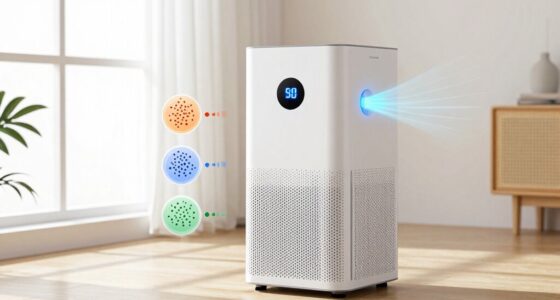
Your home gets dusty fast because unsealed windows and doors let in dirt and allergens, while soft surfaces like carpets and upholstered furniture trap particles. Poor airflow allows dust to settle in corners and cling to surfaces. Clutter, household textiles, and pet dander shed fibers and hair continuously, adding to the dust. If you want to understand more about these common culprits and how to reduce dust, keep exploring.
Key Takeaways
- Gaps around windows and doors allow dust and outdoor particles to enter easily.
- Poor ventilation causes dust to linger and settle quickly inside your home.
- Soft furnishings like carpets and upholstery trap and release dust with use.
- Pet dander, hair, and shedding significantly increase indoor dust levels.
- Cluttered surfaces and textiles create more dust accumulation and are harder to clean.
Unsealed Windows and Doors
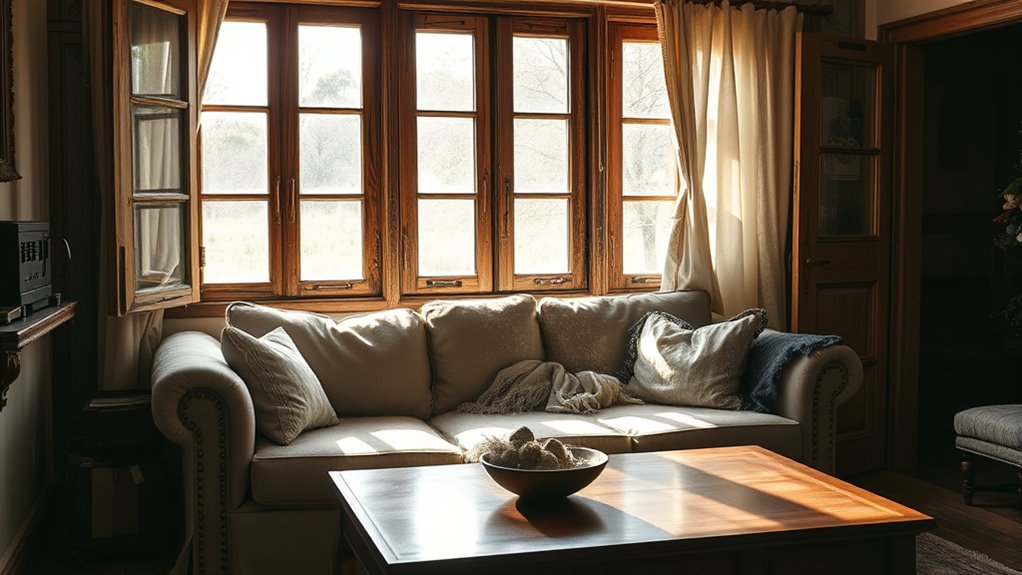
Unsealed windows and doors are common entry points for dust to enter your home. When gaps exist, dust particles easily blow in with the breeze, settling on surfaces. To prevent this, you should apply effective sealing techniques, like weatherstripping and caulking, to close those gaps. Weatherproofing methods not only keep out drafts but also considerably reduce dust infiltration. Regularly inspecting your window and door frames allows you to identify and seal leaks promptly. Proper sealing creates a barrier that minimizes the amount of dust that gets inside, making your cleaning routine easier and your indoor air cleaner. Additionally, understanding the importance of local automation can help you optimize your home’s environment and maintain cleaner air by coordinating ventilation and filtration systems effectively. For example, integrating automated vent controls can help regulate airflow and reduce dust buildup. Don’t overlook these simple, cost-effective steps—they make a big difference in controlling dust levels in your home. Properly maintained air filtration systems can further enhance dust removal and improve indoor air quality. Additionally, understanding the importance of reliable backup power can help ensure your home stays comfortable and functional during unexpected outages. Incorporating home automation systems can further enhance dust control by managing air purification devices automatically.
Carpets and Rugs
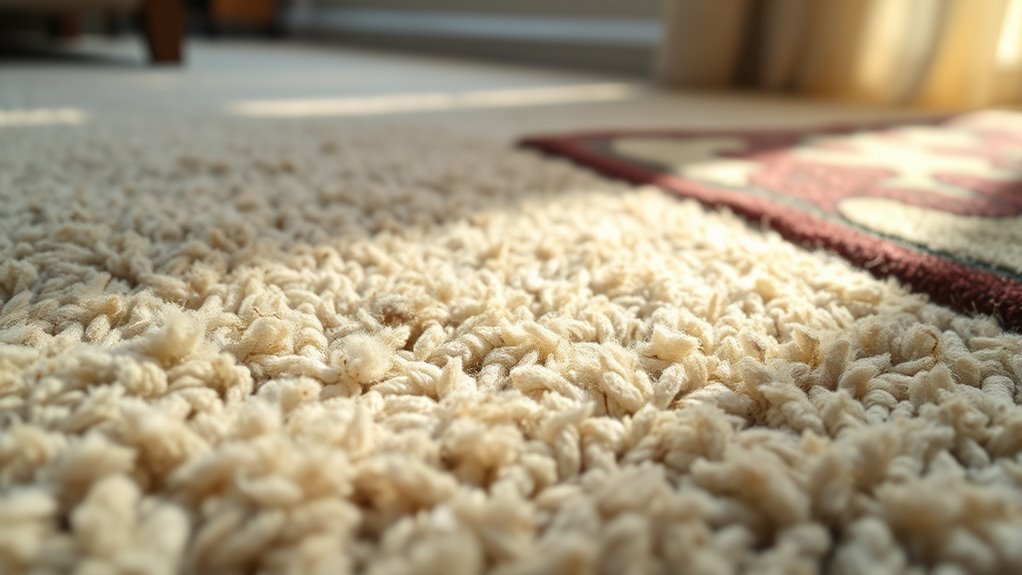
Carpets and rugs are significant sources of dust accumulation inside your home. They act as fiber traps, trapping dirt, dust, and allergens with each step. Over time, fibers shed from the material, adding to the dust buildup. This constant shedding makes carpets a primary contributor to indoor dust levels. Regular vacuuming helps remove surface dust but often isn’t enough to eliminate trapped particles deep within the fibers. Poor maintenance or infrequent cleaning allows dust and allergens to accumulate rapidly, reducing indoor air quality. Choosing carpets made from tightly woven fibers or low-shedding materials can help minimize dust buildup. Additionally, professional deep cleaning periodically can reduce fiber shedding and remove dust trapped within the fibers, keeping your home cleaner and healthier. Implementing proper cleaning techniques and selecting the right materials can further enhance dust control and improve overall indoor air quality.
Upholstered Furniture

Upholstered furniture traps dust easily due to its fabric surfaces, especially in homes with pets or high foot traffic. Regular cleaning and maintenance can help reduce dust buildup and improve air quality. Neglecting these tasks allows dust to accumulate faster, making your furniture a persistent dust source. Incorporating sound therapy techniques can also support better indoor air quality by reducing stress-related behaviors that disturb dust particles. Additionally, choosing dust-resistant fabrics when purchasing new furniture can significantly lessen dust accumulation over time. Being aware of air filtration systems can further enhance your efforts to keep indoor dust levels low. Proper ventilation is also essential in dispersing airborne dust particles and preventing buildup. Using air purifiers with HEPA filters can effectively capture fine dust particles before they settle on surfaces.
Dust Accumulation Factors
Because upholstered furniture often acts as a soft surface that traps dust particles, it can considerably contribute to dust accumulation in your home. It easily collects airborne allergens like pollen, pet dander, and dust mites, which settle into the fabric fibers. These fibers also attract airborne pollutants such as smoke particles and chemical residues, reducing air quality. Over time, dust settles into the upholstery, becoming a persistent source of indoor dust. When you sit or lie on these pieces, dust can become dislodged and resuspended into the air, further spreading allergens and pollutants. This cycle makes upholstered furniture a key factor in maintaining a dusty environment, especially if it isn’t regularly cleaned or vacuumed. Your furniture’s fabric and padding fundamentally act as a reservoir for airborne dust components. Additionally, filtration systems can help reduce the amount of airborne dust that eventually settles into upholstery. Regular cleaning and vacuuming techniques can significantly minimize dust buildup on these surfaces. Implementing air purifiers with HEPA filters can also assist in capturing airborne dust before it settles. Moreover, the fabric type of your upholstery can influence how much dust it retains and how easily it can be cleaned.
Maintenance and Cleaning
Regular maintenance and cleaning are essential for controlling dust buildup on upholstered furniture. By regularly vacuuming your furniture, you remove dust, skin flakes, and pet dander that settle into the fabric. Additionally, maintaining your air filter helps trap airborne dust particles before they settle on surfaces. To keep your furniture dust-free, consider these tips:
- Vacuum weekly with a brush attachment
- Use a fabric-safe upholstery cleaner periodically
- Replace or clean air filters every 1-3 months
- Avoid eating or drinking on furniture to prevent crumbs and spills
- For outdoor or off-road equipment, choosing electric dirt bikes with features like strong suspension and durability can help reduce dirt transfer indoors.
- Proper air filtration is crucial for reducing dust in your home environment.
- Ensuring proper air circulation can also help disperse dust particles more effectively and prevent buildup. Incorporating air quality awareness into your routine can help you identify potential issues early.
- Regularly inspecting and replacing HVAC filters ensures optimal dust removal from your indoor air.
Consistent cleaning reduces dust accumulation and improves indoor air quality. Remember, neglecting air filter maintenance and infrequent vacuuming allow dust to settle deeply, making your furniture a dust magnet. Staying proactive keeps your home cleaner and healthier.
Poor Ventilation and Air Circulation
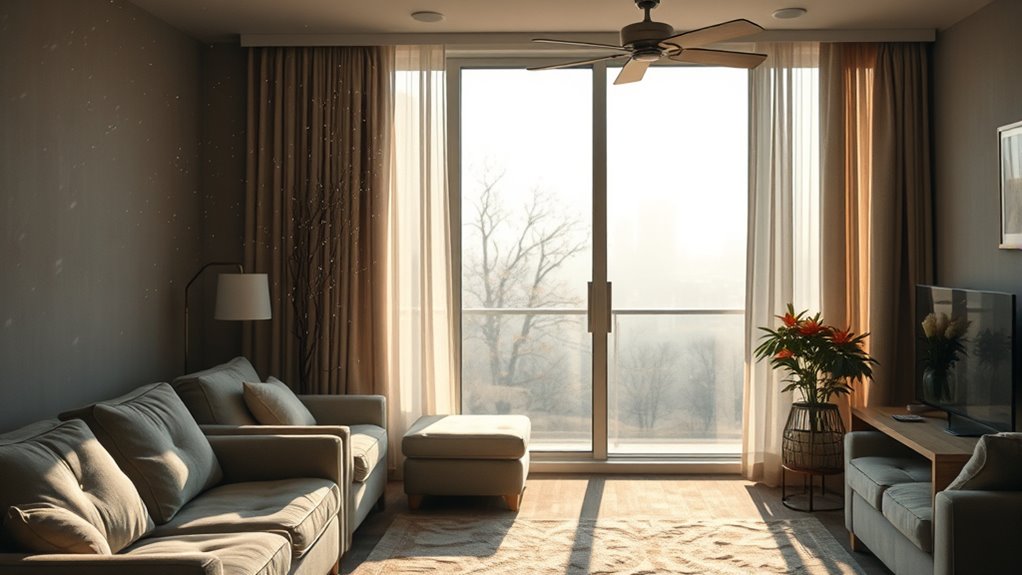
Poor ventilation and inadequate air circulation can substantially contribute to dust buildup in your home. When your home doesn’t exchange air efficiently, dust particles linger longer in the air instead of being expelled outside. Dust can also settle more quickly in areas with poor airflow patterns, such as corners, vents, and on surfaces. Without proper ventilation, indoor pollutants and allergens also accumulate, making dust more noticeable and persistent. Ensuring good air exchange by opening windows, using exhaust fans, or installing ventilation systems helps keep dust levels under control. Improving airflow circulation prevents dust from settling in stagnant areas and promotes a healthier indoor environment. When airflow is optimized, dust doesn’t stay trapped as easily, reducing overall buildup and making cleaning less of a chore. Effective ventilation is key to maintaining a calmer, more organized home environment. Additionally, incorporating smart ventilation systems can further enhance air quality by automatically adjusting airflow based on indoor air quality sensors. Proper air exchange not only reduces dust but also improves overall indoor air quality, creating a more comfortable living space.
Household Clutter and Textiles
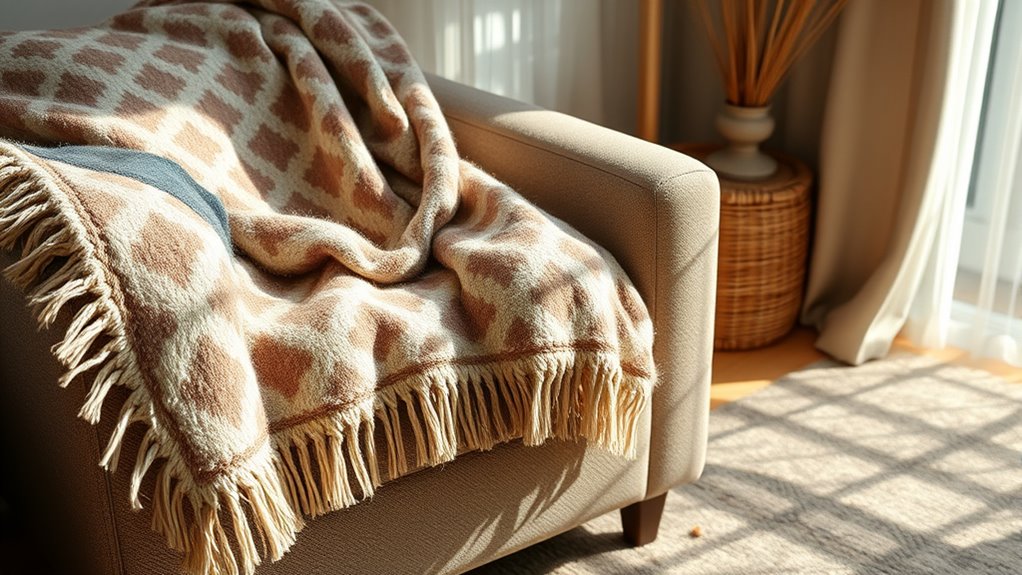
Household clutter and textiles are major contributors to dust accumulation in your home. Cluttered countertops trap dust and make cleaning harder, allowing dust to settle and build up quickly. Textile fibers from curtains, rugs, and upholstery shed constantly, adding to airborne dust particles. When you leave clutter around, it creates more surfaces for dust to settle on and makes cleaning less effective. To reduce dust, keep surfaces clear and minimize textiles that shed fibers. Regularly dust and vacuum areas with textiles, and consider replacing items with low-shedding alternatives. Remember, the more clutter and textiles you have, the faster dust accumulates, affecting your home’s air quality. Keeping these under control is essential for a cleaner, healthier living space.
Pet Dander and Hair

Have you noticed dust settling quickly around your pet’s favorite spots? That’s often due to pet dander and hair. Pet shedding releases airborne allergens that settle into surfaces and linger in the air, making dust more visible and harder to eliminate. These tiny particles cling to furniture, carpets, and curtains, triggering allergies and contributing to a dusty environment. Regular grooming reduces pet shedding, but some dander still becomes airborne and settles around your home. Vacuuming frequently with a HEPA filter and wiping surfaces helps remove pet hair and dander effectively. Keep in mind, even well-groomed pets shed enough to impact indoor dust levels. Understanding how pet dander and hair contribute to dust can help you implement better cleaning habits and reduce airborne allergens.
Dust-Generating Household Items

Many everyday items in your home can actively contribute to dust buildup. Items like fabric curtains, plush toys, and certain furniture release fibers and particles that settle as dust. Air purifiers can help reduce allergen triggers, but they won’t eliminate dust sources. To minimize dust, watch out for:
Many household fabrics and soft items shed fibers that contribute to dust buildup.
- Upholstered furniture and soft furnishings
- Carpets and rugs
- Bedding and pillowcases
- Decorative plush items
These items shed fibers and trap dust, making cleaning more challenging. Regular vacuuming and dusting are essential, especially for these sources. While air purifiers improve air quality, reducing dust-generating household items directly lowers dust accumulation, helping your home stay cleaner longer and reducing allergen triggers.
Frequently Asked Questions
How Does Indoor Humidity Affect Dust Accumulation?
Indoor humidity affects dust accumulation because high humidity levels promote dust mites and mold growth, which contribute to more dust. When you control humidity with a dehumidifier or air conditioner, you reduce these allergens, making your home less dusty. Maintaining ideal humidity levels around 40-50% helps prevent excessive dust buildup and keeps the environment healthier and more comfortable for you.
Can Air Purifiers Significantly Reduce Household Dust Levels?
They say, “An ounce of prevention is worth a pound of cure,” and that’s true for dust. Air purifiers can markedly reduce household dust levels if they have high air purifier efficiency and dust trapping filters. By continuously circulating and filtering indoor air, they catch dust particles before settling on surfaces. Just remember, a good purifier isn’t a magic fix—regular cleaning and maintenance boost its dust-reducing power.
What Role Do Outdoor Pollutants Play in Indoor Dust?
Outdoor pollution considerably impacts indoor dust levels, as it introduces pollutants like vehicle emissions and industrial particles that settle inside your home. Pollen ingress is another major contributor, especially during allergy seasons, adding to the dust accumulation. When doors and windows are open or ventilation systems aren’t filtered properly, these outdoor pollutants easily enter your space, making your home dustier faster. Reducing outdoor pollution entry helps keep indoor dust under control.
How Often Should I Replace HVAC Filters for Optimal Dust Control?
You should replace your HVAC filter every 1 to 3 months for optimal dust control. The filter lifespan depends on factors like your home’s dust levels, pets, and filter type. Regular replacement ensures your system runs efficiently and reduces airborne dust. Check your filters monthly, especially during high-dust periods, and follow the manufacturer’s recommended replacement frequency to maintain clean indoor air and prevent dust buildup.
Are There Specific Cleaning Products That Trap Dust Better?
To trap dust effectively, use cleaning products with electrostatic properties that attract and hold dust and dander removal particles. Look for microfiber cloths or electrostatic dusters designed to capture dust on contact. These products create a static charge that pulls dust and pet dander from surfaces, making cleaning more efficient. Regular use of these products helps maintain a dust-free environment and reduces allergens in your home.
Conclusion
Imagine coming home after a busy day, only to find your surfaces covered in dust again. By understanding the biggest sources—like unsealed windows or pet dander—you can take simple steps to reduce dust buildup. For example, sealing your windows and regularly cleaning carpets can make a real difference. With a few adjustments, you’ll enjoy a cleaner, fresher home where dust doesn’t take over your space so quickly.