When dealing with blood stains, act fast! Rinse the stain under cold water to prevent proteins from binding. If it’s fresh, soak for 30 minutes. Use a bleach-free enzyme detergent for pretreatment, letting it sit for five minutes before washing in cold water. For dried stains, hydrogen peroxide can help, but test it on a hidden area first. Avoid hot water and harmful mixtures. Stick around to discover more tips for removing stubborn stains.
Key Takeaways
- Rinse fresh blood stains under cold water immediately to prevent proteins from binding to fabric fibers.
- Pretreat with a bleach-free enzyme detergent, allowing five minutes of dwell time before washing in cold water.
- For dried stains, use hot water to loosen proteins and consider 3% hydrogen peroxide for fresh stains.
- Avoid using hot water on fresh stains and never mix bleach with ammonia to prevent toxic gas release.
- Always air dry items and check care labels to ensure proper treatment for specific fabrics.

When you find yourself dealing with blood stains, knowing the right approach can make all the difference. Start by immediately rinsing the stain under cold running water. This helps prevent blood proteins from binding to the fabric fibers, increasing your chances of removal. For fresh stains, keep rinsing until the water runs clear. If you can’t rinse right away, soaking the garment in a cold water solution for up to 30 minutes is a good alternative.
Dealing with blood stains? Rinse immediately with cold water to prevent proteins from binding, ensuring easier removal.
Once you’ve rinsed, pretreat the stain with a bleach-free enzyme detergent like Tide Ultra. These detergents target the protein strands in blood, breaking them down to make removal easier. Allow the detergent to sit for about five minutes before washing, as this dwell time maximizes the enzyme’s effectiveness. After that, wash the item in cold water. Remember, never throw blood-stained items into the dryer until you’re sure the stain is gone, as heat can set it permanently. Using Tide Ultra OXI for dried stains can also greatly enhance the cleaning process.
If you’re dealing with dried or set stains, hot water can sometimes help loosen entrenched proteins. However, exercise caution here. You can use 3% hydrogen peroxide for fresh stains; it foams and lifts the stain quickly. For older stains, a stronger 20 volume peroxide may be necessary. Apply it gently and test it on a hidden area first, as it can bleach colors.
Avoid common pitfalls, like using hot water on fresh stains, as this can cook the proteins deeper into the fibers. Don’t mix cleaning agents; combining bleach with ammonia creates toxic gases. Also, steer clear of untested folk remedies, as their effectiveness can be inconsistent and may damage your fabrics.
For best results, work carefully. Blot or brush off any excess blood before rinsing. After rinsing, pretreat with your enzyme detergent or hydrogen peroxide, and wash in cold water. If the stain lingers after the wash, repeat the pretreatment and washing steps instead of drying the garment. It’s important to air dry the item to prevent the stain from setting.
Finally, always check the care labels on your fabrics. Delicate materials may require gentler treatments, while colored garments need special attention to avoid fading. With these strategies, you’ll tackle blood stains effectively and preserve the integrity of your fabrics.

BISSELL Little Green Mini Portable Carpet Cleaner, 4075
EVERY PURCHASE SAVES PETS. Every purchase makes it possible for BISSELL to continue our support of BISSELL Pet...
As an affiliate, we earn on qualifying purchases.
Frequently Asked Questions
Can I Use Bleach on Blood Stains?
You shouldn’t use bleach on blood stains, especially on colored fabrics, as it can cause discoloration and damage. Instead, focus on using cold water and enzyme-based cleaners, which effectively break down blood proteins. If you’re dealing with white fabrics and you’re certain about the material, you might consider diluted bleach, but always test a small area first. Remember, heat can set the stain, so avoid drying until it’s completely gone.
How Do I Treat Blood Stains on Upholstery?
To treat blood stains on upholstery, start by blotting the stain with a clean cloth to absorb excess liquid. Rinse the area with cold water to prevent the stain from setting. Apply an enzyme-based cleaner, letting it sit for the recommended time. Gently blot again, then rinse with cold water. If the stain persists, repeat the process or consider using a specialized upholstery cleaner, but always follow the care instructions for your fabric.
Are There Specific Detergents Best for Blood Stains?
Picture a fresh blood stain marring your favorite shirt, a vivid reminder of a clumsy moment. For tackling such stains, use a detergent specifically formulated with enzymes, as these powerful agents break down blood proteins effectively. Look for products labeled as stain removers or those designed for tough stains. They’ll work wonders if you apply them promptly, giving you the best chance to restore your fabric to its original pristine state.
What if the Blood Stain Is From a Pet?
If the blood stain is from a pet, start by blotting the area with a clean cloth to absorb excess liquid. Rinse the stain with cold water to prevent it from setting. Then, apply an enzymatic cleaner specifically designed for pet stains, allowing it to sit for the recommended time. Wash the fabric in cold water, and avoid using heat until you’re sure the stain is gone.
Can I Machine Wash Items With Blood Stains?
Absolutely, you can machine wash items with blood stains, but there’s a catch—think of it like trying to remove a stubborn sticker from a vintage vinyl record. Start by rinsing the stain with cold water to keep it from setting. Pretreat with an enzyme cleaner before washing, and use cold water for fresh stains. If any stain lingers after washing, avoid the dryer until it’s completely gone to prevent setting.

Biokleen Bac-Out Enzyme Cleaner and Stain & Odor Remover for Pet Stains, Laundry, Diapers, Wine, Carpets, & More, Eco-Friendly, Non-Toxic, Lime Scent, 128 Ounces
STAIN AND ODOR REMOVER: Bac-Out safely works wonders on pet accidents, wine spills on carpets and couches, cloth...
As an affiliate, we earn on qualifying purchases.
Conclusion
When it comes to tackling blood stains, remember that “an ounce of prevention is worth a pound of cure.” By acting quickly and using cold water and enzyme-based cleaners, you can minimize the damage and save your favorite fabrics. Avoid hot water and harsh chemicals, as they can set the stain permanently. So, next time you’re faced with a blood stain, stay calm and follow these steps—it’ll make a world of difference!

Shout Pet Stain Remover, Color-Safe Rug, Upholstery & Carpet Cleaner Solution for Dog & Cat Urine, Feces, Vomit & Mud, Fights Odors & Remarking, Fast-Acting Cleans in 5 Minutes or Less, 24.3oz
FAST-ACTING IN 5 MINUTES OR LESS: Eliminates pet messes in under 5 minutes — no more waiting 15+...
As an affiliate, we earn on qualifying purchases.
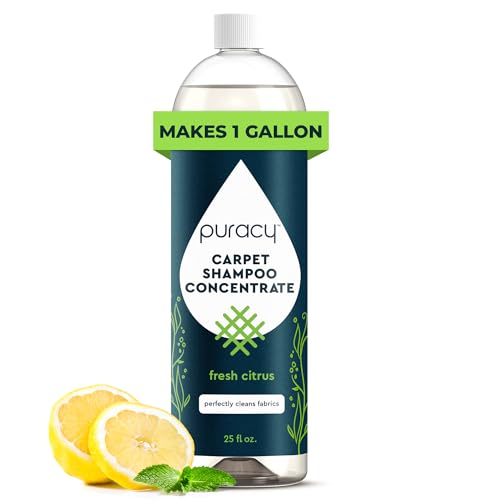
Puracy Carpet Cleaner Solution - Carpet Shampoo, Pet Stain & Odor Remover, Rug & Upholstery Cleaner, 4X Concentrated, Low Foam Shampooer Formula, Fresh Citrus, 25oz
Plant-Based, Low-Foam Formula – This carpet cleaner solution uses plant-based, mineral-derived, and safe synthetic ingredients. Low-foaming and fast-acting,...
As an affiliate, we earn on qualifying purchases.