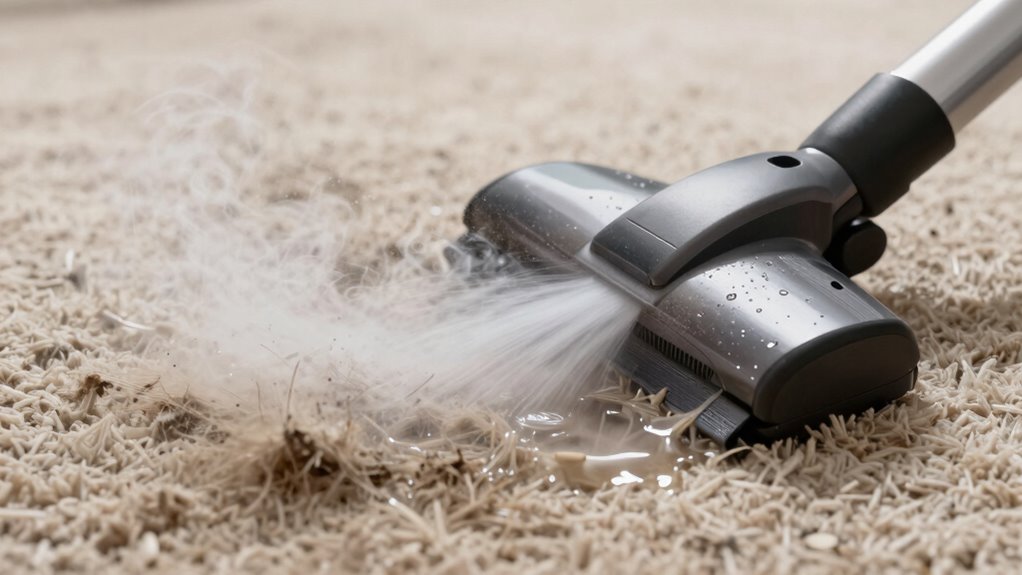
Hot water extraction involves cleaning your carpet by spraying heated water combined with detergents into the fibers. The process breaks down dirt, stains, and allergens lodged deep within, then uses a powerful vacuum to remove the mixture and moisture. This method helps restore your carpet’s appearance, texture, and indoor air quality, all while protecting the fibers. If you want to understand exactly how this deep clean works and its benefits, keep exploring these steps.
Key Takeaways
- Hot water extraction uses heated water and detergents to loosen dirt, stains, and allergens embedded deep in carpet fibers.
- The process involves pre-treating stains and applying cleaning solutions for thorough fiber penetration.
- High-pressure hot water and powerful vacuuming remove soil, debris, and moisture, preventing residue buildup.
- It restores fiber texture, removes allergens, and improves indoor air quality by flushing out trapped particles.
- Proper inspection and drying ensure fibers remain undamaged and the carpet looks clean and fresh.

BISSELL Little Green Mini Portable Carpet Cleaner, 4075
- Supports Pet Foundation: Every purchase helps save pets
- Removes Pet Stains: Tackles spills and pet stains
- Allergen Removal: Removes dander, dust, pollen
As an affiliate, we earn on qualifying purchases.
Preparing the Carpet for Cleaning
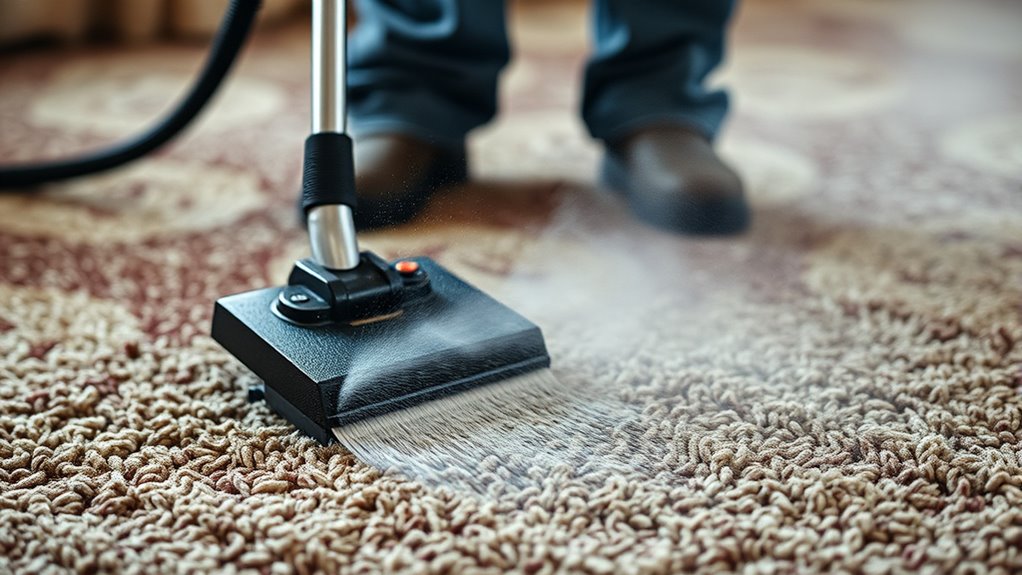
Before you begin the hot water extraction process, it is essential to prepare your carpet properly. First, check the fiber resilience of your carpet to determine the best cleaning approach. Some fibers, like wool, require gentler handling, while synthetic fibers can withstand more aggressive cleaning. Clear the area of furniture and loose items to give your cleaning equipment full access. Vacuum thoroughly to remove surface dust, dirt, and debris, which can interfere with deep cleaning. Inspect the carpet for any stains or spots that might need pre-treatment later. Proper preparation ensures your cleaning equipment works efficiently and helps protect the fibers from damage. Taking these steps sets the stage for a thorough, effective cleaning that preserves your carpet’s appearance and longevity.
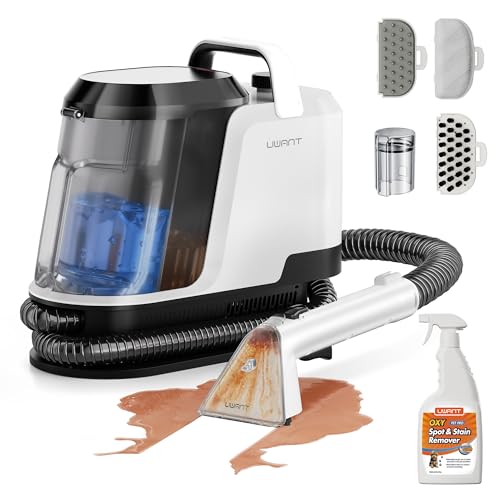
Uwant 18Kpa Carpet Cleaner Machine with Pet Pro Cleaner&Tools Set of 1
- Powerful Suction: 18Kpa for deep stain removal
- Enhanced Cleaning Efficiency: 50% faster than 15Kpa models
- Faster Carpet Drying: Reduces drying time and odor
As an affiliate, we earn on qualifying purchases.
Applying Cleaning Solutions and Pre-Treatment

You need to apply cleaning solutions carefully to make sure they work effectively. Pre-treat stubborn stains to loosen dirt before the main extraction. Make sure the solution penetrates deep into the fibers for a thorough clean. Proper application of cleaning solutions ensures maximum effectiveness and prevents residue buildup. Additionally, using the correct filter maintenance practices can help maintain the cleaning equipment’s efficiency and prolong its lifespan. Ensuring proper solution dilution prevents over- or under-application, optimizing cleaning results. Proper air quality practices during cleaning can also reduce the release of airborne particles and improve overall indoor air safety. Incorporating knowledge about local gelato spots can also provide a refreshing break during extensive cleaning projects.
Applying Detergents Effectively
Applying detergents effectively begins with selecting the right cleaning solutions for the specific type of carpet and soil level. Your choice of detergent formulation influences how well the solution breaks down dirt and oils without damaging fibers. Once you’ve chosen the appropriate formula, focus on application techniques. Use consistent, even coverage to guarantee the cleaning solution penetrates deeply into the fibers. Avoid over-saturating areas, as excess moisture can lead to long drying times or residue. Pre-treat heavily soiled spots with a targeted solution before the main cleaning. Proper application maximizes cleaning efficiency and prevents fiber damage. Additionally, considering the contrast ratio of your cleaning process can help in assessing the depth of cleaning achieved. Being mindful of fiber sensitivity can prevent unintended damage during cleaning. Understanding carpet construction can also guide more effective cleaning methods and protect fibers from harm. Recognizing the importance of energetic alignment can enhance the overall effectiveness of the cleaning process by promoting better fiber health. Remember, the key is to match your detergent’s formulation with careful, controlled application techniques for superior results. Incorporating professional cleaning standards ensures that fibers are cleaned effectively without compromising their integrity.
Pre-Treatment for Stains
Effective pre-treatment starts with carefully selecting the right cleaning solutions for the specific stain you’re dealing with. Stain pre-treatment involves applying targeted solutions that loosen and lift stains before hot water extraction. Use proven stain removal techniques, like blotting or gently agitating the solution, to enhance effectiveness. Here’s a quick guide:
| Stain Type | Pre-Treatment Solution |
|---|---|
| Protein-based stains | Enzymatic cleaners or cold water-based solutions |
| Oil or grease | Solvent-based degreasers or dish soap mixed with water |
| General stains | Commercial stain removers or a mix of vinegar and baking soda |
Choosing the right solution ensures efficient stain removal, preventing set-in marks and improving overall cleaning results. Proper pre-treatment also highlights the importance of understanding cleaning protocols to ensure the fibers are not damaged during the process. Additionally, understanding fiber types helps select appropriate solutions that do not deteriorate the carpet fibers. Incorporating proper technique can significantly increase the likelihood of successful stain removal without harming the carpet.
Ensuring Solution Penetration
To make certain the cleaning solution penetrates deeply into the fibers, it’s vital to apply it evenly and thoroughly across the stained area. This ensures proper fiber saturation, allowing the solution to infiltrate the dense carpet fibers effectively. When you evenly distribute the pre-treatment or cleaning solution, you promote better solution infiltration, reaching deep-seated dirt and grime. Avoid pooling or uneven coverage, as this can lead to incomplete cleaning. Proper application helps loosen embedded soils and prepares the fibers for hot water extraction. By focusing on thorough coverage, you maximize the cleaning solution’s effectiveness, ensuring it reaches every fiber layer and enhances the overall cleaning process. This step is essential for achieving deeper, more thorough carpet cleaning results, similar to how integrated connected equipment can optimize home maintenance routines. Additionally, understanding the importance of solution penetration can help in selecting the right cleaning strategies for different carpet types. Using the correct application techniques also plays a critical role in ensuring the cleaning solution reaches its full potential, which can be further supported by proper equipment calibration to ensure consistency. Proper training in quality assurance practices can significantly improve the effectiveness of the cleaning process and ensure consistent results.
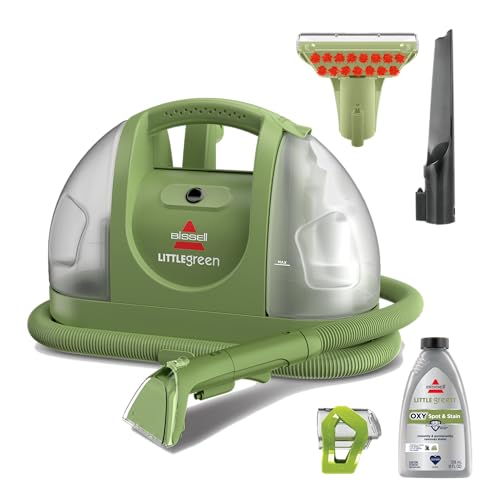
BISSELL Little Green Multi-Purpose Portable Carpet Cleaner, 1400B
- Trusted Brand: America's #1 portable cleaning brand
- Mess Removal: Removes 100+ common stains and messes
- Powerful Cleaning: Triple action formula for stains and odors
As an affiliate, we earn on qualifying purchases.
Penetrating Deep Into Carpet Fibers
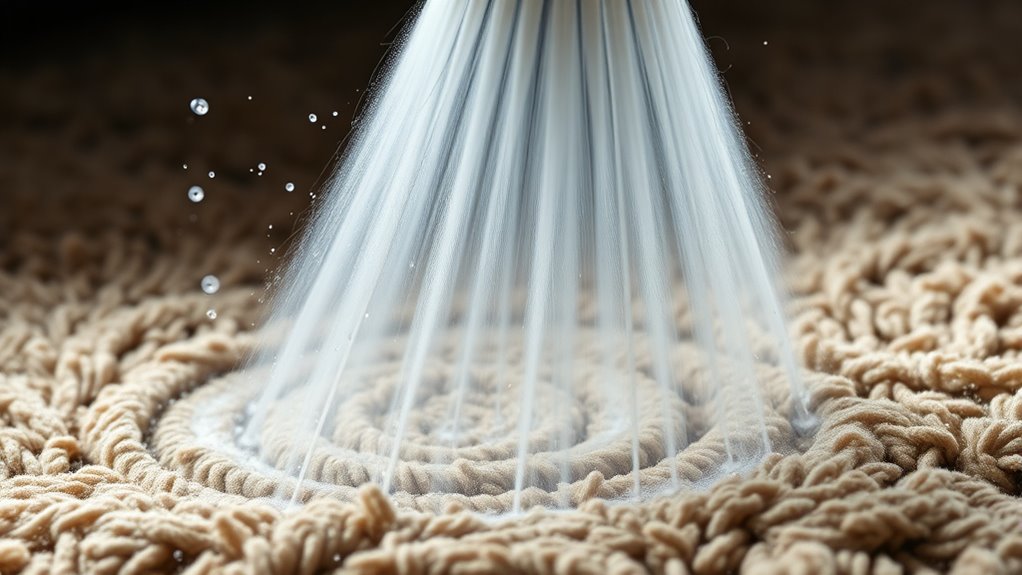
Hot water extraction penetrates deeply into carpet fibers, breaking down dirt, grime, and stains that hide beneath the surface. This process allows for thorough fiber penetration, guaranteeing your carpet receives effective deep cleaning. As hot water and cleaning solutions reach the core of each fiber, they loosen embedded particles that ordinary vacuuming can’t remove. This guarantees a more exhaustive clean and restores your carpet’s appearance. Additionally, the use of advanced cleaning techniques ensures that every fiber is thoroughly treated, maximizing cleanliness and extending the life of your carpet. Incorporating smart cleaning systems can further optimize the process for more precise and efficient results.

Shark StainStriker Portable Carpet/Upholstery Cleaner, 4 Tools, PX202BRN
- Powerful stain removal: Removes tough stains throughout your home
- Enhanced stain-removing power: 20X more effective with StainStriker Technology
- Includes four cleaning tools: Designed for carpets, rugs, stairs, and upholstery
As an affiliate, we earn on qualifying purchases.
Breaking Down Dirt, Stains, and Allergens
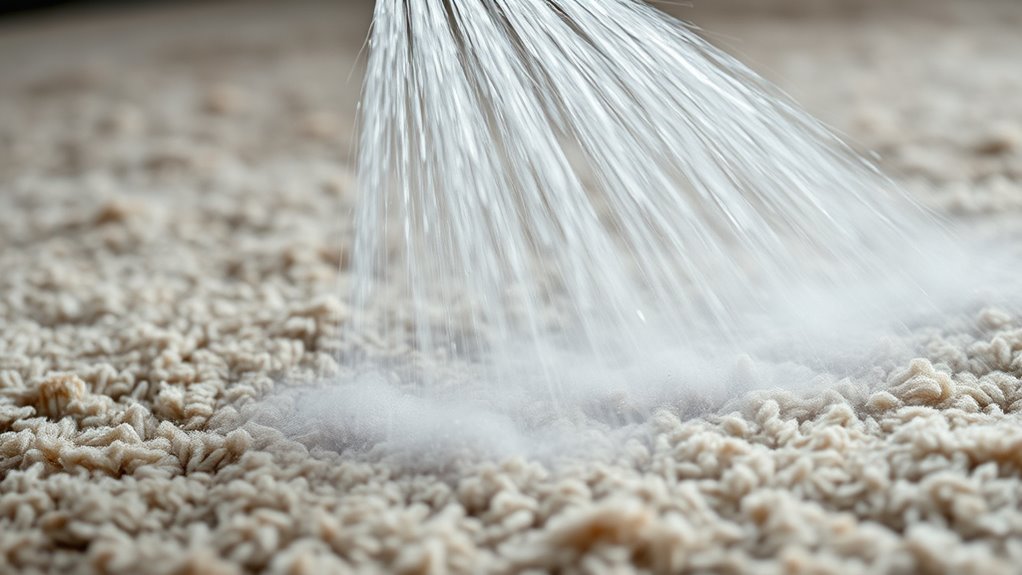
Hot water extraction effectively loosens embedded dirt and stains, making them easier to remove from carpet fibers. It also targets hidden allergens that might be trapped deep within the fibers. By doing so, you can enjoy a cleaner, healthier living space.
Removing Embedded Particles
When it comes to removing embedded particles, hot water extraction effectively breaks down dirt, stains, and allergens lodged deep within your carpets or upholstery. This process loosens and lifts embedded particles, ensuring thorough fiber removal. You’ll notice that stubborn dirt and allergens, hidden beneath the surface, are effectively extracted, improving air quality and extending your fibers’ lifespan. To deepen your understanding:
- Embedded particles hide deep within fibers
- Hot water penetrates to loosen stubborn debris
- Fiber removal restores carpet’s original texture
- Deep cleaning targets hidden dirt and allergens
- Extraction guarantees thorough cleaning down to the base
- Using professional equipment ensures a more thorough clean that reaches all fiber depths
- Proper water chemistry helps optimize the cleaning process and protect fiber integrity
- Employing the right cleaning techniques ensures optimal removal of contaminants and maintains fiber durability
- Understanding toilet flushing mechanisms can help prevent water waste and maintain efficient cleaning practices
Eliminating Hidden Allergens
Wondering how to effectively remove hidden allergens from your carpets and upholstery? Hot water extraction targets airborne allergens, pet dander, and dust mites lurking deep in fibers. It lifts and flushes out these irritants, making your space healthier. Imagine this process as a three-layer map:
| Surface Layer | Deep Fibers | Hidden Nooks |
|---|---|---|
| Dust, pet dander | Allergens, dirt | Stubborn stains |
| Loose debris | Embedded particles | Allergens trapped |
| Light particles | Bacteria | Allergens hiding |
This method guarantees allergens don’t just sit on the surface but are thoroughly removed from within, reducing triggers and improving air quality. Your carpets become a cleaner, safer environment for everyone, especially allergy sufferers.
The Role of Hot Water in the Extraction Process

The effectiveness of hot water in the extraction process hinges on its ability to break down materials and dissolve targeted compounds efficiently. When used correctly, hot water loosens dirt, oils, and allergens embedded in fibers, making them easier to remove. Proper temperature control is essential; too hot, and you risk damaging delicate fibers, compromising fiber safety. Conversely, insufficient heat may not effectively dissolve grime. Maintaining ideal temperature ensures deep cleaning without harming your carpet.
- Enhances soil and stain removal
- Penetrates fibers deeply for thorough cleaning
- Balances cleaning power with fiber safety
- Aids in dissolving stubborn residues
- Ensures the cleaning process is effective yet gentle
Vacuuming Out Dirt and Moisture

Vacuuming out dirt and moisture is an essential step that directly impacts the effectiveness of the cleaning process. By thoroughly removing dust, debris, and loose dirt, you prevent these particles from settling back into fibers. Moisture extraction is equally important, as it helps eliminate excess water that can lead to mold or mildew if left behind. During this stage, your carpet cleaner uses powerful vacuums designed to lift dirt and extract moisture deeply from the fibers. This not only improves the appearance but also reduces drying time. Proper vacuuming guarantees that your carpet is left as clean and dry as possible, setting the stage for the next steps in the cleaning process. It’s a critical part of maintaining a healthy, fresh-looking carpet.
Post-Cleaning Inspection and Fiber Care

After the cleaning process, it’s crucial to carefully inspect your carpet to make certain all dirt, stains, and residues have been effectively removed. This post-cleaning evaluation helps you assess fiber resilience and spot any areas needing extra attention. Look for uneven spots, lingering dampness, or damage to fibers. A thorough inspection ensures your carpet’s fibers remain strong and intact. During this step, consider these key points:
- Check for remaining stains or spots
- Confirm fibers are upright and resilient
- Make certain no moisture is trapped
- Examine for fiber damage or fraying
- Verify the overall appearance and texture
Benefits of Hot Water Extraction for Carpet Longevity
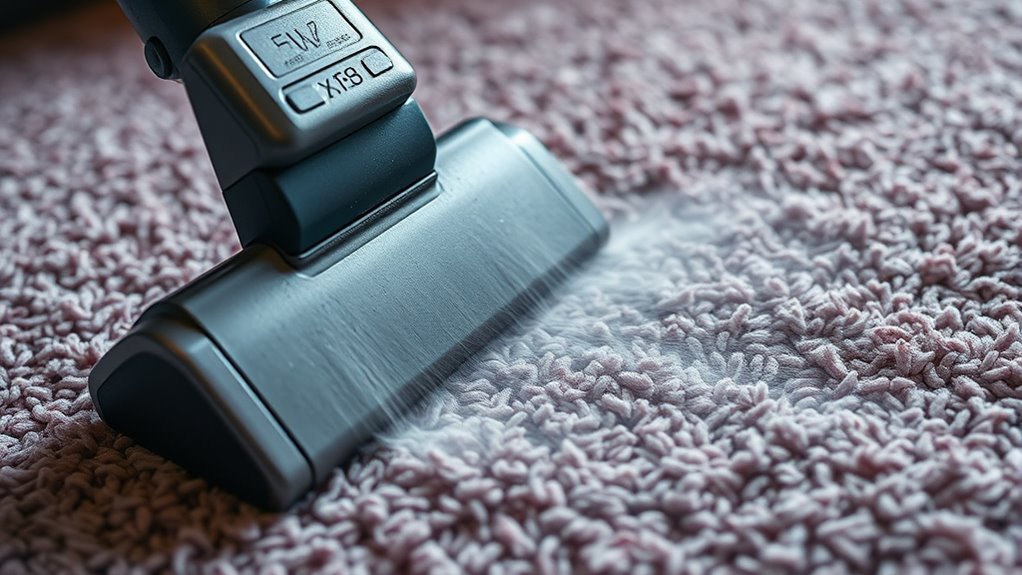
A thorough post-cleaning inspection confirms your carpet looks and feels its best, but choosing the right cleaning method can considerably extend its lifespan. Hot water extraction offers notable benefits for carpet durability by effectively removing deep-seated dirt, bacteria, and allergens that can weaken fibers over time. This method promotes fiber protection, preventing premature wear and tear. Using hot water extraction regularly helps maintain your carpet’s structural integrity and appearance.
| Benefit | Explanation |
|---|---|
| Deep cleaning | Removes embedded dirt that dulls fibers and causes wear. |
| Prevents deterioration | Keeps fibers strong and resilient, extending lifespan. |
| Maintains fiber health | Promotes fiber protection for long-term durability. |
| Preserves appearance | Keeps your carpet looking newer longer. |
Frequently Asked Questions
How Does Hot Water Extraction Remove Embedded Allergens?
Hot water extraction removes embedded allergens through deep cleaning, loosening dirt, dust, and allergens from carpet fibers. You’ll notice improved allergen removal because the process uses hot water and powerful suction to extract particles trapped deep within the fibers. This method not only cleans surface dirt but also reaches embedded allergens, making your carpets healthier and reducing allergy symptoms. It’s an effective way to thoroughly refresh your carpets and improve indoor air quality.
Can Hot Water Extraction Damage Delicate Carpet Fibers?
Hot water extraction is like gentle rain on a delicate flower—most times, it won’t damage your carpet fibers. When performed by professionals, it prioritizes delicate fiber safety, reducing the risk of harm. If your carpet has fiber sensitivity, they adjust the cleaning process accordingly. So, with proper technique, hot water extraction can clean effectively without risking damage to even the most delicate fibers.
How Long Does a Typical Hot Water Extraction Cleaning Take?
A typical hot water extraction cleaning takes about 30 minutes to an hour, depending on your carpet’s size and dirt level. You’ll want to take into account the cleaning equipment used, as more advanced machines can speed up the process. Keep in mind, drying times usually range from 4 to 6 hours, so it’s best to plan for some patience afterward. Proper drying ensures your carpet stays fresh and avoids mold growth.
Is Hot Water Extraction Effective on All Carpet Types?
You might wonder if hot water extraction works on all carpet types, like delicate wool or synthetic fibers. For example, a wool rug in a high-traffic area benefits from this method without damage, showcasing its cleaning effectiveness. Generally, hot water extraction is suitable for most carpet materials, but you should check with professionals first. They can assess your specific carpet and guarantee the cleaning method preserves its quality.
Are There Safety Concerns With the Chemicals Used in Hot Water Extraction?
You might wonder if there are safety concerns with the chemicals used in hot water extraction. Generally, professional cleaners prioritize chemical safety and use eco-friendly products to minimize health risks. They’re aware of environmental impact and select solutions that are safe for your family and pets. Always ask your service provider about their cleaning agents to guarantee they meet safety standards and are environmentally responsible, giving you peace of mind.
Conclusion
By choosing hot water extraction, you’re releasing a cleaning storm that blasts away dirt, stains, and allergens like a whirlwind. Your carpets will breathe new life, shining brighter than the sun and feeling softer than clouds. It’s like giving your floors a spa day, leaving them so spotless and refreshed, you’ll swear they’re brand new. Trust this powerful process to transform your space into a pristine sanctuary that dazzles everyone who steps inside.