
TL;DR

Get cleaning gear delivered free with Prime
- Fast, free delivery on millions of items
- Prime Video, Amazon Music and more included
- Member-only deals all year
An Ideal Home first-person report sets out five ways its writer plans to make a cold hallway more comfortable: reduce draughts, soften a cold floor, review radiator placement, improve insulation and consider extra heat. The writer says the home is more than 100 years old and that results from recently added door seals are not yet known; the suggestions are practical advice, not evidence of measured energy savings.
Ideal Home has published a first-person report on five steps its writer is taking to make a cold entrance hallway more comfortable, drawing on advice from heating and energy specialists. The account describes an older, poorly insulated home and recently fitted door seals, but says it is too early to know whether those repairs have made a measurable difference.
The writer says the house is more than 100 years old, with original windows and doors and limited insulation and draught-proofing. Although newer parts of the home tend to feel warmer, the entrance hallway can become particularly cold when outdoor temperatures fall. The report is a homeowner’s account and set of planned improvements, not a controlled test of heating performance.
The first measure is to find and seal draughts. The writer recently added a letterbox cover, a brush seal beneath the front door, a brass escutcheon and weatherstripping. Martyn Fowler, founder of Elite Renewables, advises checking around door frames, under doors and at letterboxes. Georges Cornah, owner of Warm4Less, also recommends checking understairs cupboards and using a draught excluder where appropriate.
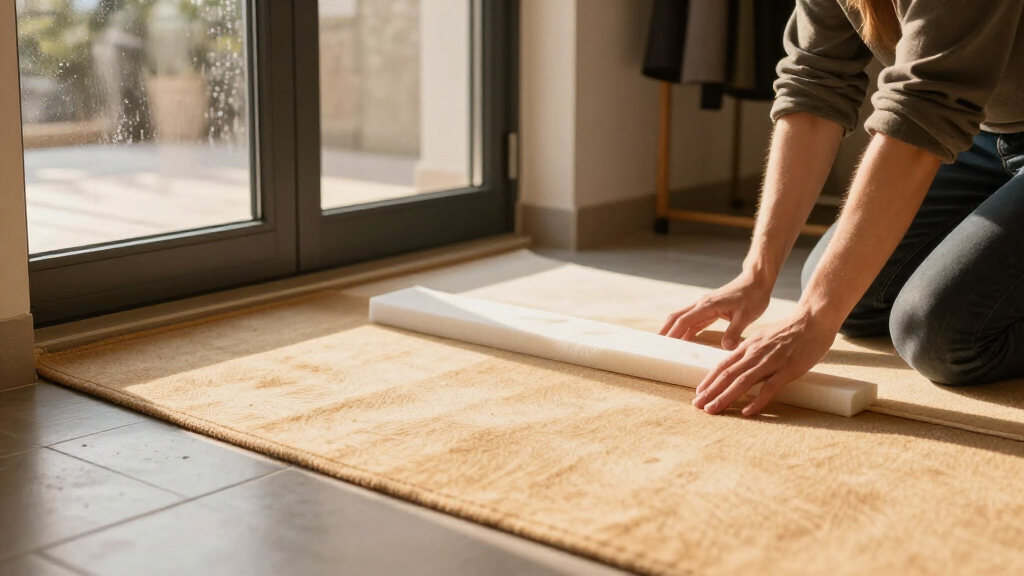
The next ideas address the floor and heating. The writer says the hallway’s slate tiles are durable but feel cold underfoot; Fowler suggests a runner as a lower-disruption option, while Patrick Garner, a Gas Safe engineer at Heatable, says carpet and underlay or insulation beneath the floor may help in some cases. The report also flags a radiator partly obscured by coats, and proposes reviewing heat distribution, improving insulation and considering additional heating. It does not provide a measured outcome for these planned steps.
Small fixes for a colder entrance
A cold hallway can affect comfort as soon as residents enter the home, while draughts and heat loss may also influence how hard a heating system has to work. The report’s practical value is its focus on low-disruption checks first: identifying gaps, moving obstructions away from a heat source and using a runner may be more manageable than replacing flooring or undertaking renovation.
The suggestions are not a guarantee of lower bills or a warmer house. Their effect will depend on the building, the source of the cold and the condition of existing insulation and heating. The article does not report energy-use figures, temperatures before and after, or costs, so it cannot establish the savings from any measure.
As an affiliate, we earn on qualifying purchases.
An older home with a cold hall
The writer describes uneven temperatures across the house: its newer kitchen extension and a bedroom are generally warmer than the entrance hallway. The hall has a slate floor, original front door and a single column radiator, with coats hanging in front of it. Those details help explain why the writer is considering both draught reduction and changes to heat circulation.
The first round of door work was completed only a few weeks before the report. Fowler’s advice on checking door edges and Cornah’s suggestion to inspect understairs storage broaden the search beyond the obvious gap beneath the front door. For the floor, the experts distinguish between a simple surface covering and more extensive work: a runner can change how the floor feels, while underfloor insulation would require a larger project.
“The front door is always the first place I check for draughts.”
— Martyn Fowler, founder of Elite Renewables
As an affiliate, we earn on qualifying purchases.
Results and costs remain unknown
The writer says it is too early to tell whether the recently installed door measures have made a difference. The report gives no temperature readings, energy-bill comparison, installation costs or estimate of how much heat is escaping through the hallway floor or door. It also does not identify which of the proposed measures will be completed first or confirm that any has already improved the space.
The radiator’s placement behind coats is described, but the article does not establish how much that affects heating. Advice on carpets, runners, insulation and additional heat is general and depends on the house. Any work involving heating equipment should be assessed by an appropriately qualified professional; the report does not set out a specific installation plan.
As an affiliate, we earn on qualifying purchases.
Planned repairs before winter
The writer says further measures are being considered before colder weather sets in. A larger hallway remodel is planned for the following year, when floor insulation may be added. In the meantime, the account points to checking for overlooked draughts, making sure the radiator is not blocked by coats and using a runner to reduce the cold feel of the slate.
No follow-up date or performance results are provided. The next useful update would be whether the door seals changed the hallway’s temperature or comfort, which fixes were carried out, and whether the writer recorded any change in heating use or cost.
As an affiliate, we earn on qualifying purchases.
Key Questions
What five measures does the report discuss?
The report discusses sealing draughts, covering or changing the cold floor, reviewing radiator placement and heat circulation, improving insulation, and considering additional heating. Several are presented as plans or options rather than completed work.
Have the door repairs been shown to work?
No measured result is given. The writer says the letterbox cover, door brush seal, escutcheon and weatherstripping were added a few weeks earlier, but that it is too early to tell how much difference they have made.
Can a runner help on a cold tiled or stone floor?
Fowler says a runner can make a hard floor feel warmer without replacing it. That is advice about comfort; the report does not quantify any effect on room temperature or energy use.
Does the report show that these steps will lower heating bills?
No. It provides no bill comparisons, energy-use data or measured heat-loss figures. The effect of each measure will depend on the home and the source of the cold.
Source: rss
Fall Picks
fall essentials
As an affiliate, we earn on qualifying purchases.