
TL;DR

Get cleaning gear delivered free — and shop member deals
- Fast, free delivery on millions of items
- Access to Prime Big Deal Days deals on October 6–7
- Prime Video, Amazon Music and more included
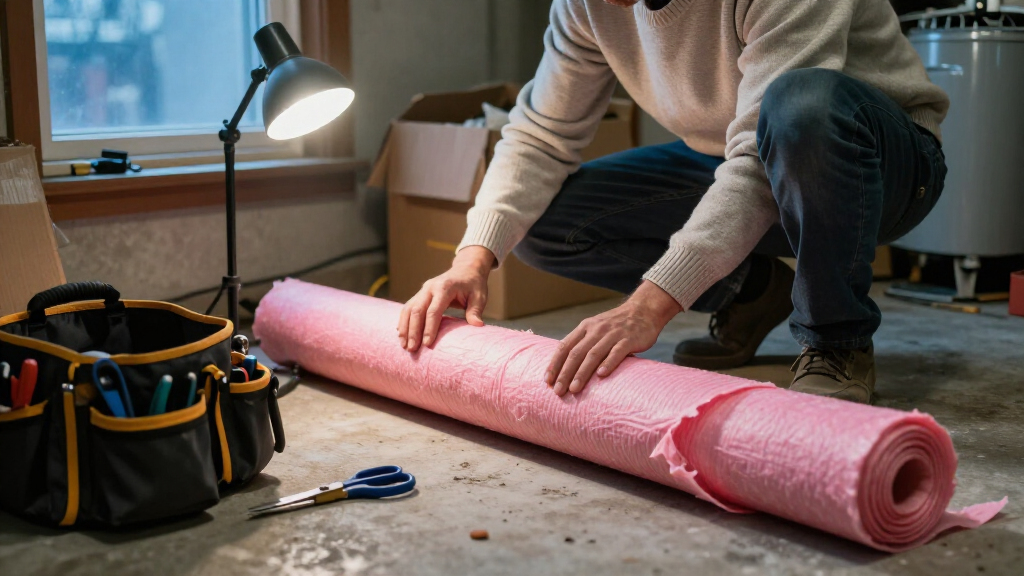
A Family Handyman winterization guide, drawing on advice from four contractors, identifies ten areas homeowners should insulate or seal before cold weather arrives. Priorities include attic floors, exterior walls, door and window seals, and pipes near exterior walls to prevent freezing and rising heating bills.
A fall insulation checklist published by Family Handyman identifies ten areas of the home that contractors say should be insulated or air-sealed before winter arrives, with the attic and roof spaces ranked as the top priority. The guide draws on advice from four industry professionals and frames the work as protection against frozen pipes, overworked HVAC systems and avoidable spikes in winter energy bills.
The ten areas listed are: attic and roof spaces, exterior walls, windows and doors, pipes and plumbing, the basement and crawl space, garage walls and ceilings, HVAC ductwork, and electrical outlets and other small air leaks, along with rim joists and sill plates. Andre Kazimierski of HomeHero Roofing told the publication that air sealing and insulation must work together: “Sealing gaps goes a very long way with improving overall insulation,” but sealing alone does not stop heat transfer through wood, metal and other building materials.
Several recommendations come with specific methods. For attics, Kazimierski recommends hiring a roofer to inspect and seal gaps in aging roofs, adding rigid foam or spray insulation under the roof deck, and insulating the attic floor with fiberglass batt or blown-in insulation. For finished walls, contractor Bob Cardwell of Cardwell HVAC recommends blown-in insulation, and spray foam for sealing gaps. For pipes, he advises foam pipe sleeves in somewhat protected spaces and electric heat cables where temperatures regularly drop below 32 degrees. Ductwork leaks, he says, should be sealed with mastic and UL-listed foil tape, not ordinary duct tape, which dries out.
The experts also flag commonly missed spots. Rubber seals on windows and exterior doors shrink and become brittle over time, allowing heat to escape. Cardwell recommends checking them each fall and installing foam sweeps under exterior doors. He also points to the rim joist, which runs around the entire perimeter of the house, as a frequent entry path for cold air, recommending closed-cell foam there because it performs better than open-cell foam in damp basements.
Why Winterization Timing Affects Heating Bills
The guide’s central argument is economic as much as comfort-related. Winter energy bills routinely rise, and the contractors say poorly insulated homes pay more than necessary because HVAC systems work harder to compensate for lost heat. Frozen pipes are the other major risk: insulating pipes near exterior walls and in unheated spaces such as attics, basements and crawl spaces can prevent costly burst-pipe damage.
The checklist also separates work homeowners can reasonably do themselves — outlet gaskets, caulk, weatherstripping, pipe sleeves — from jobs the article directs to professionals, such as roof inspections and sealing roof gaps. Roof and ductwork work in particular involves access and materials that fall outside typical DIY scope.
Who Supplied the Checklist’s Advice
The recommendations come from a Family Handyman article compiling interviews with four named contractors and specialists: Andre Kazimierski of HomeHero Roofing, Bob Cardwell of Cardwell HVAC, and Cody Purtle of Silver Ridge Roofing, among those cited in the published excerpts. Purtle’s contribution addresses sequencing: because warm air rises, he said, inadequate attic insulation lets a significant amount of heat escape through the roof, which is why he would start there.
One timing caveat appears in the guide itself: Cardwell said the best time to insulate an attic is actually spring, not fall, though fall work still precedes winter. The article presents the checklist as a pre-winter program rather than a one-time fix, with annual fall checks recommended for seals and weatherstripping.
“Sealing gaps goes a very long way with improving overall insulation.”
— Andre Kazimierski, HomeHero Roofing
What the Checklist Doesn’t Quantify
The guide does not provide dollar figures for expected energy savings, nor does it estimate project costs for any of the ten items, so the financial payoff of specific upgrades remains unspecified. Savings claims rest on the contractors’ general reasoning about heat loss rather than cited studies. The advice is also general rather than home-specific — factors such as climate zone, home age and existing insulation levels, which determine how much insulation is enough, are not addressed in the published material. The source excerpt is truncated, so portions of the original article’s FAQ and any further recommendations are not reflected here.
Acting on the Checklist This Fall
For homeowners following the guide, the immediate steps are the fall checks it recommends: inspecting window and door seals, checking weatherstripping, and feeling for escaping air at ductwork seams while the system runs. Roof inspections and attic work should be scheduled with a licensed roofer, per Kazimierski, particularly for older roofs. Plumbing work involving exposed pipes in freezing-prone areas, and any duct sealing beyond foil tape, may warrant a qualified HVAC professional. Readers wanting deeper detail can consult the full Family Handyman checklist online.
Key Questions
What should be insulated first before winter?
According to the contractors cited, the attic and roof come first. Cody Purtle of Silver Ridge Roofing said warm air rises, so inadequate attic insulation lets significant heat escape through the roof.
Do all water pipes need to be insulated for winter?
No. The guide says the priority is pipes near exterior walls and those running through unheated spaces like attics, basements and crawl spaces. Hot water pipes also benefit from insulation to reduce heat loss.
Is fall actually the best time to insulate an attic?
Cardwell said the ideal time is spring, but fall work still provides protection ahead of winter. He recommends checking seals and weatherstripping each fall regardless.
Can I use regular duct tape on HVAC ductwork?
No, according to Cardwell. Ordinary duct tape dries out; he recommends sealing duct joints with mastic and UL-listed foil tape instead.
Which projects require a professional rather than DIY?
The guide recommends hiring a licensed roofer for roof inspections and gap sealing, especially on old roofs. Outlet gaskets, caulk, weatherstripping and pipe sleeves are presented as homeowner-level tasks.
Source: rss
Fall Picks
fall essentials
As an affiliate, we earn on qualifying purchases.