TL;DR
An interior designer employed AI tools to create a new dining room layout for a client. The process showcased AI’s potential in design but also highlighted current limitations. This development signals a possible shift in interior design practices.
An interior designer employed AI technology to redesign a client’s dining room, demonstrating AI’s growing role in personalized interior design solutions. This experiment highlights both the potential and current limitations of AI in creative fields, making it a noteworthy development for industry professionals and homeowners alike.
The designer used an AI-powered design tool to generate multiple layouts and aesthetic options based on the client’s preferences, space constraints, and style goals. The process involved inputting specific parameters into the AI system, which then produced several design proposals.
According to the designer, the AI-generated designs were evaluated for feasibility, aesthetics, and alignment with the client’s desires. The process resulted in a finalized design that incorporated innovative ideas, such as unconventional furniture arrangements and color schemes, which the designer might not have conceived independently.
While the AI-assisted redesign was completed successfully and the client approved the final plan, the designer noted that some outputs required manual adjustments for practicality and safety. The experiment was shared publicly to explore AI’s role as a creative collaborator rather than a replacement for human expertise.
Implications of AI in Interior Design Practices
This experiment illustrates AI’s potential to augment interior design by generating diverse, creative options efficiently. It could reduce time and costs for designers and clients, while also inspiring new aesthetic directions. However, it also underscores current limitations, such as the need for human oversight to ensure practicality and safety. The development signals a possible shift toward integrating AI tools into standard design workflows, which could reshape the industry and influence client expectations.
The Future of Interior Design (The Future of Design)
As an affiliate, we earn on qualifying purchases.
As an affiliate, we earn on qualifying purchases.
AI’s Growing Role in Creative Fields
AI tools have increasingly been adopted in various creative industries, including graphic design, architecture, and fashion. In interior design, AI can assist with space planning, color selection, and style matching. Prior to this, most AI applications in design were used for visualization or automation of repetitive tasks. This case marks one of the first documented instances of AI being used to generate comprehensive interior layouts based on specific client criteria, reflecting broader technological trends and experimentation in the field.“Using AI allowed us to explore options that might not have come up through traditional brainstorming, opening new avenues for creativity.”
— Interior Designer Jane Doe
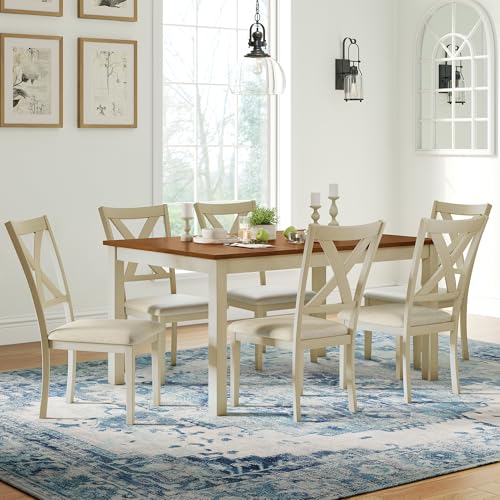
AMERLIFE 7-Piece Farmhouse Dining Table Set for 6, 60" Solid Wood Kitchen Table with 6 Upholstered Chairs, Space-Saving Rustic Dining Set for Dining Room, Kitchen, Small Apartment, Rustic Cream
【Space-Saving Dining Table Set for 6】This dining table set for 6 features a 60" rectangular tabletop and 6…
As an affiliate, we earn on qualifying purchases.
As an affiliate, we earn on qualifying purchases.
Limitations and Challenges of AI-Driven Design
It is not yet clear how widely AI will be adopted in professional interior design or whether clients will prefer AI-generated designs over traditional methods. The long-term impact on industry employment and standards remains uncertain, as does the ability of AI to handle complex safety or building code requirements without human input.
Lazebox Coasters Set of 8 for Drinks, 4 Inch Large Coasters for Coffee Table, Tabletop Protection for Hot & Cold Drinks, Versatile Coasters for Home Decor, Non-Slip & Easy to Clean, Coffee
Perfect Size: Each coaster measures 4", making them suitable for most types of cups, mugs, and glasses. The…
As an affiliate, we earn on qualifying purchases.
As an affiliate, we earn on qualifying purchases.
Next Steps for AI Integration in Interior Design
Designers and AI developers are expected to continue refining these tools, focusing on improving practicality, safety, and user-friendliness. Future developments may include more seamless integration of AI into standard design workflows, increased client-facing AI applications, and broader industry acceptance. Further case studies and industry feedback will shape how AI is incorporated into professional practice over the coming months.
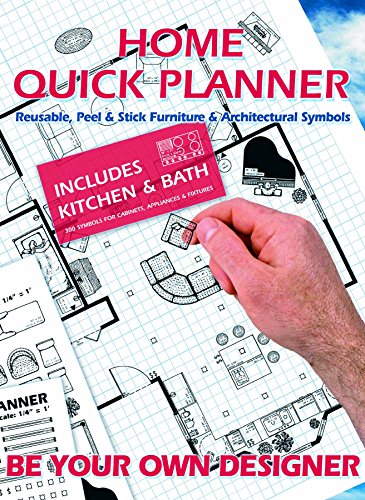
Home Quick Planner: Reusable, Peel & Stick Furniture & Architectural Symbols
Kit for designing your own home layout
As an affiliate, we earn on qualifying purchases.
As an affiliate, we earn on qualifying purchases.
Key Questions
Can AI replace human interior designers?
Currently, AI serves as a tool to assist and inspire designers rather than replace them. Human oversight remains essential for ensuring practicality, safety, and personalized client service.
What are the main benefits of using AI in interior design?
AI can generate diverse design options quickly, reduce costs, and inspire innovative ideas that may not emerge through traditional methods.
Are AI-designed interiors safe and functional?
While AI can suggest aesthetically appealing layouts, human designers must review and adjust for safety, safety codes, and practicality, as AI alone cannot fully account for these factors yet.
Will AI make interior design more affordable?
Potentially, as AI can streamline the design process and reduce labor hours, which may lower costs for clients. However, the extent depends on how widely AI tools are adopted and integrated into practice.
Source: rss