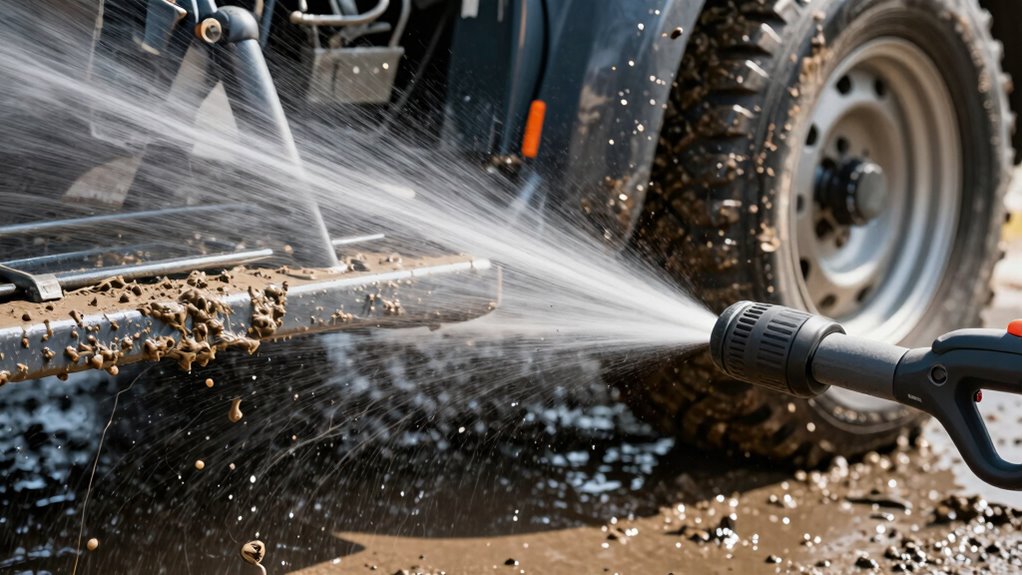
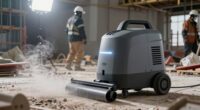
When it comes to cleaning muddy equipment, a powerful and reliable pressure washer is essential. The Westinghouse WPX3000e stands out for its high PSI and versatile nozzle set, making it a top choice for heavy-duty cleanup. For those on a budget, the Cordless Pressure Washer 1450 PSI offers portability and convenience, though it may struggle with very stubborn mud. The main tradeoffs in this category often involve balancing power against ease of maneuverability and cost. Continue reading for a detailed breakdown of the best pressure washers suited for muddy equipment cleanup in 2026.

Get cleaning gear delivered free with Prime
- Fast, free delivery on millions of items
- Prime Video, Amazon Music and more included
- Member-only deals all year
Complete the kit


Key Takeaways
- Powerful units like the Westinghouse WPX3000e excel at tackling thick mud but tend to be heavier and more expensive.
- Electric models with foam cannons significantly improve mud removal efficiency, especially for delicate equipment surfaces.
- Portability is a key advantage of cordless options, but they often lack the raw power needed for very muddy or stubborn grime.
- Durability and build quality matter more for muddy cleanup, where equipment may be rough on the washer itself.
- Choosing the right nozzle set can greatly influence cleaning effectiveness, especially when dealing with varied mud textures.


| pressure washer for muddy equipment cleanup | Hose Length | Weight | Max PSI | Max GPM |
|---|---|---|---|---|
| MZK Lightweight Pressure Washe | 21 ft | 9.9 lbs | — | — |
| Westinghouse ePX3500 Electric | 25 feet | 19 pounds | 2500 | 1.76 |
| DeWalt 3300 PSI Gas Pressure W | 25 ft | — | — | — |
| Cordless Pressure Washer 1450 | 16.4 ft | 2.18 lbs | — | — |
| Westinghouse ePX3100v Electric | 20 feet | 18 pounds | 2100 | 1.76 |
| Westinghouse ePX3050 Electric | 20 ft | — | 2100 | 1.76 |
| Westinghouse WPX3000e Electric | 25 feet | — | 3000 | 1.76 |
| Sun Joe SPX100-GO Electric Pre | 20 ft | 14.33 lbs | — | — |
More Details on Our Top Picks
MZK Lightweight Pressure Washer with Foam Cannon
This lightweight pressure washer excels in ease of maneuverability, thanks to its 9.9 lbs frame and 21-foot hose, making it ideal for quick cleanup jobs around the yard. Its adjustable four-gear nozzle provides versatility for various tasks, but it may fall short on heavy-duty mud removal compared to gas-powered options like the DeWalt DXPW3300-S. The included foam cannon adds convenience for applying detergents, yet the unit’s limited water pressure suggests it’s better suited for lighter outdoor cleaning rather than deep mud removal. Compared to larger models, its portability makes it perfect for quick, less intensive tasks, but it’s not designed for demanding mud-caked equipment.
Pros:- Very lightweight and easy to carry around
- Adjustable nozzle for different spray angles
- Includes a foam cannon for enhanced detergent application
Cons:- Limited water pressure restricts heavy-duty cleaning
- No included detergents or additional accessories
Best for: Homeowners who need a portable tool for light outdoor cleaning and quick mud removal
Not ideal for: Heavy-duty farm equipment or deeply embedded mud, which require higher pressure and more robust power
- Water Flow:up to 2.0 GPM
- Nozzle Settings:0°, 15-25°, 25-60°, 60-120°
- Weight:9.9 lbs
- Hose Length:21 ft
- Power Cord Length:17 ft
Our verdict“This pick is best for casual users needing a portable, lightweight pressure washer for light muddy equipment cleanup.”
Westinghouse ePX3500 Electric Pressure Washer, 2500 Max PSI, 1.76 Max GPM, Anti-Tipping Technology, Onboard Soap Tank, Pro-Style Steel Wand, 5-Nozzle Set
The Westinghouse ePX3500 stands out for tackling stubborn mud and grime with its robust 2500 PSI and 1.76 GPM flow, making it a step up from the lighter MZK model. Its anti-tipping design and lightweight frame facilitate easy handling, but unlike the gas-powered DeWalt DXPW3300-S, it’s limited to electric outlets, reducing its suitability for remote or heavily muddy locations. The included five-nozzle set and onboard soap tank provide versatility for different surfaces, yet the hose length of 25 feet might restrict coverage on larger properties. Compared to smaller, less powerful models, this pressure washer strikes a balance between power and portability, making it suitable for serious muddy equipment cleanup.
Pros:- Powerful 2500 PSI for stubborn mud and dirt
- Anti-tipping technology for stable operation
- Includes versatile 5-nozzle set and onboard soap tank
Cons:- Limited mobility without outdoor outlets
- Hose length may be restrictive for very large areas
Best for: Homeowners with large outdoor areas or farm equipment that require substantial pressure for mud removal
Not ideal for: Urban users with limited outlets or those needing a lightweight, compact unit for quick tasks
- Max PSI:2500
- Max GPM:1.76
- Rated PSI:2000
- Rated GPM:1.2
- Hose Length:25 feet
- Weight:19 pounds
Our verdict“This pressure washer is ideal for users needing serious cleaning power on larger outdoor and muddy equipment areas, but less suited for portability.”
DeWalt 3300 PSI Gas Pressure Washer DXPW3300-S
The DeWalt DXPW3300-S delivers a commanding 3300 PSI at 2.4 GPM, making it the most powerful option on this list for tackling severely muddy equipment. Its welded steel frame and 208cc engine provide durability and extended use, outperforming electric models like the Westinghouse ePX3500 in raw power. However, as a gas unit, it requires more maintenance, assembly, and fuel management, which might be a drawback for those seeking quick, low-effort cleanup. The 25-foot high-pressure hose and pneumatic tires enhance mobility, but regional restrictions and the need for proper setup could limit immediate usability. This unit excels where maximum pressure is necessary, but it’s overkill for casual or infrequent cleaning tasks.
Pros:- Unmatched pressure of 3300 PSI for deep mud removal
- Durable welded steel construction
- Includes quick-connect nozzles and pneumatic tires
Cons:- Requires fuel, maintenance, and assembly
- Less portable and more complex to operate
Best for: Professionals or serious users handling heavily mud-embedded farm or construction equipment
Not ideal for: Homeowners or casual users looking for lightweight, convenient solutions due to its size and maintenance needs
- Pressure:3300 PSI
- Flow Rate:2.4 GPM
- Engine:DeWalt 208cc
- Hose Length:25 ft
- Frame Material:Welded steel
- Tire Size:10-inch pneumatic
Our verdict“This pressure washer is perfect for those needing maximum power for deeply muddy equipment but is too heavy and involved for casual use.”
Cordless Pressure Washer 1450 PSI with 6-in-1 Nozzle, 2 Batteries & Charger
This cordless pressure washer offers 1450 PSI and 3.0 GPM, making it suitable for light to moderate muddy equipment, especially when portability and quick setup are priorities. Its dual 4.0Ah batteries provide around 30 minutes of continuous use, which may be enough for small jobs but can fall short for extensive muddy equipment cleanup. The 6-in-1 nozzle adds versatility, but the lack of a long hose limits reach, especially compared to the 20-foot hose of the Westinghouse ePX3100v. Compared with electric models, its cordless convenience is a major plus, yet the relatively lower pressure constrains its effectiveness on heavily mud-covered machinery.
Pros:- Cordless design for maximum portability
- Includes a versatile 6-in-1 nozzle
- Lightweight and easy to store
Cons:- Limited battery life for large or muddy jobs
- Hose length and pressure may restrict deep mud cleaning
Best for: Gardeners or hobby farmers needing portable cleaning power without the hassle of cords or fuel
Not ideal for: Heavy-duty or large-scale muddy equipment, where higher pressure and longer runtime are required
- Maximum Pressure:1450 PSI
- Flow Rate:3.0 GPM
- Battery Capacity:2 x 4.0Ah
- Hose Length:16.4 ft
- Weight:2.18 lbs
Our verdict“This unit suits users seeking a quick, portable solution for light muddy equipment, but it may need additional batteries or power for bigger tasks.”
Westinghouse ePX3100v Electric Pressure Washer, 2100 Max PSI, 1.76 Max GPM, Detachable Foam Cannon, Steel Wand, 3-Nozzle Set
The Westinghouse ePX3100v combines a lightweight design with reliable power, offering up to 2100 PSI and 1.76 GPM, making it suitable for moderate muddy equipment. Its detachable foam cannon simplifies detergent application, and the steel wand adds durability over plastic alternatives. While the 3-nozzle set provides basic versatility, it may not cover all cleaning needs, especially for very stubborn mud. Compared to the larger Westinghouse ePX3500, it’s more portable and easier to store, but with slightly less pressure, it’s less effective on heavily mud-covered machinery. This model makes sense for users who prioritize ease of use and moderate power in a compact form.
Pros:- Lightweight and portable
- Includes a detachable foam cannon
- Steel wand offers durability
Cons:- Limited to 3 nozzles, restricting versatility
- Maximum pressure may be insufficient for the heaviest mud
Best for: Home users needing a portable, easy-to-store solution for regular muddy equipment cleaning
Not ideal for: Heavy-duty industrial use or very muddy, deeply embedded grime surfaces that demand higher PSI
- Max PSI:2100
- Max GPM:1.76
- Rated PSI:1800
- Rated GPM:1.2
- Hose Length:20 feet
- Weight:18 pounds
Our verdict“This electric pressure washer is ideal for users who want a compact, versatile device for moderate muddy equipment, not the heaviest-duty jobs.”
Westinghouse ePX3050 Electric Pressure Washer, 2100 PSI, 1.76 GPM, Foam Cannon, Turbo Nozzle
This model stands out for providing a solid balance of power and portability, making it suitable for cleaning muddy equipment around the yard and farm. Its 2100 PSI and 1.76 GPM ensure effective removal of stubborn dirt and mud, comparable to the higher-powered Westinghouse WPX3000e, but with less weight and bulk. The inclusion of a foam cannon boosts cleaning efficiency for muddy gear, while its compact design and durable construction make it easier to handle. However, being electric limits its mobility compared to gas-powered units, and the 20-foot hose might restrict reach in larger areas. Overall, this pick makes the most sense for homeowners or small farm operators needing reliable performance without the fuss of fuel.
Pros:- Balanced power with 2100 PSI and 1.76 GPM for effective muddy equipment cleanup
- Includes foam cannon and multiple quick-connect nozzles for diverse tasks
- Compact, portable, and durable for easy storage and transport
Cons:- Limited mobility due to electric power source
- Hose length may be restrictive for large or distant equipment
Best for: Homeowners or small farm operators needing reliable, versatile cleaning for muddy tools and equipment
Not ideal for: Large-scale commercial farms or construction crews requiring extended reach and higher power, due to limited hose length and electric dependency
- Max PSI:2100
- Max GPM:1.76
- Rated PSI:1800
- Rated GPM:1.2
- Power:AC 120V
- Hose Length:20 ft
- Wheels:5-inch never flat
- Cord Length:35 ft
Our verdict“This pressure washer suits homeowners and small farm users seeking a reliable, versatile tool for muddy equipment cleanup without the bulk of gas models.”
Westinghouse WPX3000e Electric Pressure Washer, 3000 PSI, 1.76 GPM, 5 Nozzle Set
This pressure washer delivers significantly higher power at 3000 PSI and 1.76 GPM, making it ideal for tackling heavily muddy equipment, especially compared to the more modest Sun Joe SPX100-GO. Its durable steel frame and large 10-inch never-flat wheels facilitate easier movement over uneven terrain, a key advantage on farms or construction sites. The inclusion of a five-nozzle set and onboard soap tank enhances versatility for various muddy and greasy cleaning jobs. However, the unit’s weight and size can be cumbersome for smaller users or those needing quick, lightweight solutions. Its reliance on electric power limits mobility compared to gas units for remote locations. This model is best suited for users who need maximum cleaning power and don’t mind the extra heft.
Pros:- High cleaning power with 3000 PSI and 1.76 GPM for tough muddy gear
- Heavy-duty steel frame and large wheels for easier transport over rough terrain
- Includes versatile nozzle set and onboard soap tank for thorough cleaning
Cons:- Heavy and potentially cumbersome for casual or infrequent use
- Limited portability compared to smaller electric models
Best for: Commercial users or large property owners needing aggressive muddy equipment cleanup with minimal fuss
Not ideal for: Homeowners with limited storage space or those who require lightweight, easy-to-move equipment, due to its weight and size
- Max PSI:3000
- Max GPM:1.76
- Rated PSI:2600
- Rated GPM:1.1
- Soap Tank Capacity:.45 gallons
- Hose Length:25 feet
- Power:AC 120V
- Wheels:10-inch never-flat
Our verdict“This pressure washer is designed for demanding muddy equipment cleanup where power and durability outweigh portability concerns.”
Sun Joe SPX100-GO Electric Pressure Washer, 13-Amp, 4 Nozzles, Foam Cannon
This model makes a compelling choice for users who prioritize mobility and quick setup, with a 13-amp motor capable of handling moderate muddy equipment. Its four quick-connect nozzles and onboard foam cannon provide versatility, but it doesn’t match the raw power of the Westinghouse models, especially on heavily mud-caked gear. Its lightweight design at just over 14 pounds and portable wheels make it easy to carry or store, ideal for small farms or hobbyists who need to clean muddy tools without dealing with bulky equipment. The absence of adjustable pressure settings limits fine control, which could be a drawback for very stubborn mud. For those with medium-duty needs or limited storage, this model offers reliable performance in a manageable package.
Pros:- Lightweight and portable with wheels, easy to handle
- Effective 13-amp motor for general muddy equipment cleanup
- Includes four nozzles and foam cannon for versatility
Cons:- Limited power for heavily muddy or stubborn gear
- No adjustable pressure controls, limiting fine-tuning
Best for: Small farm owners or hobbyists needing a portable solution for moderately muddy equipment
Not ideal for: Heavy-duty farm or construction sites with heavily muddy or large equipment, due to lower power and pressure
- Motor Power:13 Amp
- Nozzles:4 (0°, 15°, 25°, 40°)
- Foam Cannon Capacity:13.53 oz
- Hose Length:20 ft
- Power Cord Length:35 ft
- Weight:14.33 lbs
- Warranty:2 years
Our verdict“This pressure washer suits users who need a portable, easy-to-use device for moderate muddy equipment cleaning without the bulk of larger models.”

How We Picked
These pressure washers were evaluated based on their performance in muddy conditions, ease of use, build quality, and value. Power output, measured in PSI and GPM, was a primary factor because heavy mud requires significant pressure and flow. Usability features like onboard soap tanks, foam cannons, and nozzle versatility were also considered, as they directly impact cleaning efficiency. We prioritized models that balance power with maneuverability and durability, ensuring they can handle tough, muddy jobs without excessive hassle or cost. The ranking reflects a combination of raw cleaning performance, user-friendly features, and overall reliability for muddy equipment cleanup.Factors to Consider When Choosing Pressure Washer For Muddy Equipment Cleanup
Selecting the right pressure washer for muddy equipment involves understanding key features that influence cleaning performance and ease of use. Not all units are created equal; some excel at heavy-duty tasks but may be cumbersome, while others prioritize portability at the expense of power. Considering your specific cleaning needs, budget, and storage options will help narrow down your choices. The following factors are critical to making an informed decision beyond mere specifications.Power and Pressure Output
The most important aspect is how much pressure and flow a pressure washer can deliver. For muddy equipment, look for units with at least 2,500 PSI and 2 GPM to effectively remove thick mud and grime. Higher PSI means more cleaning force, but excessive pressure can damage delicate parts. Balance power with the type of equipment you’re cleaning; heavier machinery benefits from stronger units, while lighter items might require less force to avoid damage.
Nozzle Versatility and Attachments
Having a variety of nozzles, such as turbo or soap nozzles, allows you to adapt to different levels of mud and dirt buildup. Foam cannons, in particular, help lift stubborn mud by applying soap before pressure rinsing. Investing in a model with multiple nozzle options can increase cleaning efficiency and prevent damage from overly aggressive sprays. Always check if the nozzles are easy to switch and durable enough for repeated use.
Portability and Ease of Use
Heavy-duty pressure washers often come with wheels and ergonomic handles, but weight can still be a concern. Cordless models excel in portability, especially for outdoor or remote jobs where power outlets are limited. Consider the length of hoses and power cords, as these affect how freely you can maneuver around large or uneven equipment. Ease of setup and operation is also vital for quick, effective cleanup without frustration.
Build Quality and Durability
Muddy environments demand rugged construction; units with metal pumps and corrosion-resistant components tend to last longer. Cheap plastic parts may crack or warp under heavy use, leading to costly repairs. Look for brands known for reliability and consider models with protective features like anti-tipping technology or reinforced hoses. Though these may cost more upfront, they save money and effort over time.
Value and Price Considerations
While high power and durability are desirable, it’s important to match features with your budget. More expensive units often include advanced features like larger onboard soap tanks or more nozzle options, which can enhance cleaning but may not be necessary for casual use. Conversely, budget models might struggle with stubborn mud but are suitable for lighter jobs. Prioritize features that directly impact your cleaning needs to get the best value.
Frequently Asked Questions
Can I use a regular pressure washer for muddy equipment?
Regular pressure washers can handle some muddy cleanup, but their effectiveness depends on power output. For thick mud, units with higher PSI (above 2,500) and GPM are better suited. Using a lower-powered washer may require multiple passes or additional scrubbing, which increases time and effort. For best results, choose a model designed for heavy-duty cleaning with sufficient pressure and attachments like foam cannons or turbo nozzles.
Is a gas or electric pressure washer better for muddy equipment?
Gas pressure washers typically provide more power, making them ideal for very muddy or large equipment. However, they tend to be heavier, noisier, and require more maintenance. Electric models are lighter, quieter, and easier to operate, but may lack the raw force needed for stubborn mud. If your cleanup involves frequent heavy-duty jobs, a gas unit may be worth the extra investment; for occasional use, electric models often suffice.
How important is nozzle selection for muddy cleaning?
Nozzle choice significantly impacts cleaning effectiveness. Wide-angle nozzles are better for rinsing loose mud, while turbo or rotating nozzles deliver concentrated force for stubborn grime. Foam cannons are essential for applying soap effectively, especially on thick mud. Switching nozzles easily and having a variety of options can make your cleanup faster and more thorough, reducing the need for multiple passes.
Should I prioritize higher PSI or higher GPM for muddy equipment?
Both PSI and GPM are important, but for muddy equipment, higher GPM (flow rate) often makes a bigger difference because it delivers more water volume to wash away debris. A high PSI is essential for breaking up stubborn mud, but without enough flow, the cleaning action is limited. A balanced combination—around 2,500 PSI and at least 2 GPM—is typically most effective for heavy mud removal.
How do I maintain a pressure washer for heavy-duty muddy cleanup?
Proper maintenance ensures your pressure washer remains effective over time. Regularly check and replace worn nozzles, clean filters, and inspect hoses for cracks or leaks. Flushing out the pump after use and storing it in a dry place helps prevent corrosion. Using the correct cleaning detergents and avoiding over-pressurizing delicate parts also prolongs the life of your unit, especially when frequently dealing with mud and grit.