TL;DR

Get cleaning gear delivered free — and shop member deals
- Fast, free delivery on millions of items
- Access to Prime Big Deal Days deals on October 6–7
- Prime Video, Amazon Music and more included
Cordless stick vacuum cleaners are lightweight, battery-powered cleaners built for quick, flexible everyday jobs, and some can handle routine whole-home cleaning. Compare real runtime with the powered floor head, pickup on your own floor types, battery replacement options, bin size, and maintenance costs before choosing one.
A cordless stick vacuum can turn a trail of crumbs under the breakfast table into a two-minute cleanup—without dragging a cord across the kitchen. That grab-and-go convenience is the reason many people reach for one every day, and it matters more than it sounds: when cleanup takes seconds to start, you do it immediately, so mess never accumulates into a weekend project.
These cleaners do have limits, and they follow from the design: battery runtime changes with the setting because higher suction drains cells faster, small bins fill quickly because the whole machine must stay light, and carpet can ask more of a vacuum than bare floors do because fibers trap debris that hard surfaces leave sitting on top. Understanding those tradeoffs is the key to buying well. Here’s how cordless stick vacuum cleaners work, where they fit best, and what to check before you buy.
Treat maximum runtime as a best-case figure; look for tests with the powered floor head and cleaning mode you expect to use.
Compare pickup on your actual surfaces, especially if your home has deep carpet or rugs that can scatter debris.
Check whether the battery, filters, and brush roll are replaceable and available before you buy.
Choose useful tools and dock features based on your cleaning routine, not the number of accessories in the box.
Empty the bin and maintain the brush roll and filters as the manual directs to support consistent pickup.
What a Cordless Stick Vacuum Can Do Around Your Home
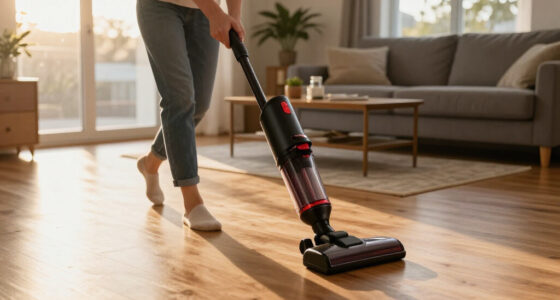
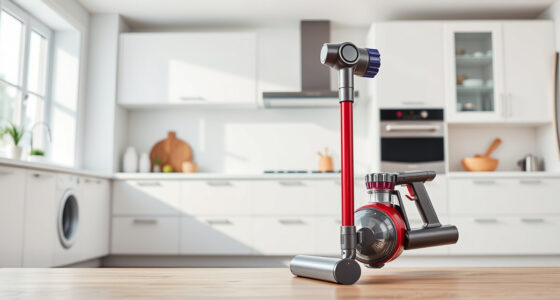
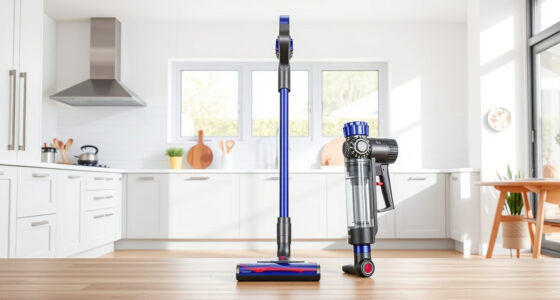
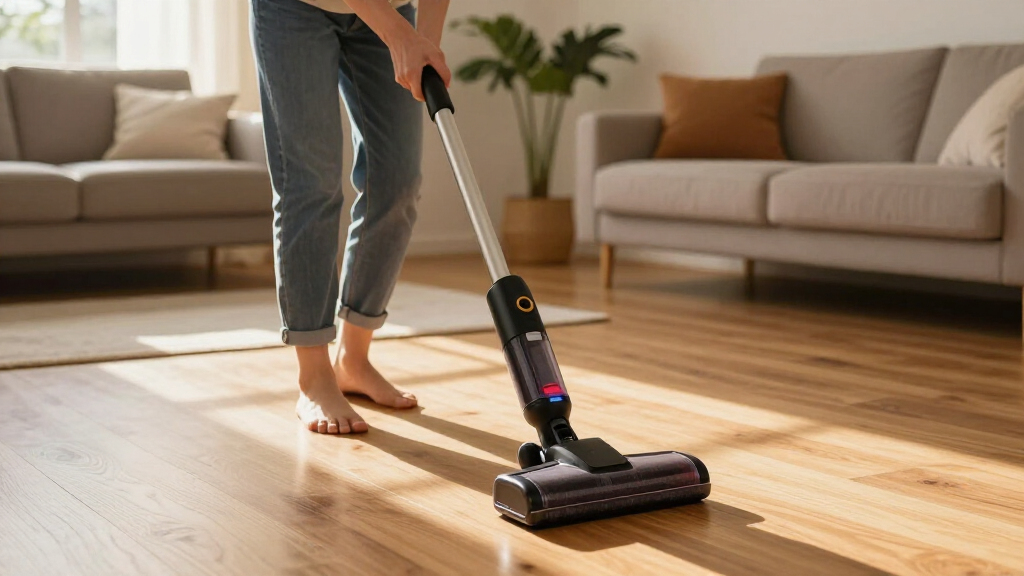
A cordless stick vacuum is a battery-powered cleaner with a long handle, motorized floor head, and usually a removable dust bin. Many models convert into handheld cleaners for stairs, upholstery, cars, and small spills. That flexibility is the point: instead of owning separate tools for each job, one machine covers a range of everyday messes, which saves both money and storage space.
Most models use a rechargeable lithium-ion battery and collect dirt in a bagless bin, though designs vary. The simplest way to think about them is as powered cleaners with a long handle and no wall outlet tether. Every design choice here has a reason and a cost: the battery means freedom of movement but finite runtime, the bagless bin means no consumable bags but exposes you to a puff of dust when emptying, and the lightweight body means easy handling but a smaller motor and bin than a full-size upright. In other words, a stick vacuum is not a smaller version of a corded vacuum—it’s a different tool built around speed and convenience.
For example, if cereal scatters beneath a high chair, a stick vacuum is usually easier to grab than a full-size upright. Its convenience is a little like keeping a flashlight by the door: you are more likely to use it when the job takes seconds to start. That behavioral effect—cleaning more often because it’s easier—is arguably the biggest benefit a stick vacuum offers, because frequent light cleaning reduces the need for deep cleaning.
Where Cordless Stick Vacuums Save You Time
Cordless stick vacuums save time when the job is small, frequent, or awkward to reach with a larger machine. The time savings come from two places: the seconds you don’t spend unwinding and replugging a cord, and the minutes you don’t spend hauling a heavy machine out of a closet for a job that lasts thirty seconds. For frequent small jobs, those savings compound; for one long weekly session, they barely matter. That distinction should shape what you buy.
Picture a rainy Tuesday: a dog tracks grit onto the hallway mat, and muddy paw marks spread across the tile. A stick vacuum can pick up the dry grit right away; you can then wipe the damp marks without bringing out a heavy cleaner. Note the division of labor, though—a stick vacuum handles dry debris well, but it is not a wet cleaner, so semi-damp messes still need a cloth or mop.
- Fast pickups: crumbs, pet hair, and tracked-in dirt—jobs where setup time would otherwise exceed cleaning time.
- Small-space storage: wall mounts or compact docks suit closets and apartment corners, which matters if a full-size vacuum simply has nowhere to live.
- Flexible cleaning: a handheld mode and useful tools reach upholstery, stairs, and tight gaps, replacing a separate handheld vacuum for many households.
Those benefits matter most when you clean often in short bursts. If you want one machine to deep-clean a large home in a single session, the math changes: you’ll need to check whether its battery, bin, and carpet performance can keep up, because a vacuum that quits at half the house or needs emptying every room defeats its own convenience.
Why the Runtime Number on the Box Can Mislead
Cordless stick vacuum cleaners run for different lengths of time depending on power mode, battery condition, and attachment. A maximum runtime figure often describes a low-power setting, sometimes without the motorized floor head, so it may not represent a normal cleaning session. The reason is physics and marketing at once: the powered floor head adds a second motor drawing current, and higher suction speeds air through the system at the cost of faster discharge. Manufacturers quote the most favorable configuration, which is legal but rarely matches real use.
Imagine your living room has a low-pile rug that needs stronger suction than the wood floor beside it. Cleaning both with the powered head and high suction may use the battery much faster than a headline number suggests—sometimes cutting runtime by half or more. The implication is practical: a vacuum advertised at 60 minutes might deliver only 20 to 30 in the mode you actually use, which determines whether you finish your home in one pass or need a recharge break. That’s also why a removable battery matters more than it seems; a second charged battery effectively doubles your usable cleaning time without waiting on a wall outlet.
Some newer models offer automatic power adjustment, floor sensors, or displays that show battery status and cleaning information. Those features can make operation easier, but they don’t prove that a vacuum picks up well in your home. According to the supplied product facts, claimed suction and added displays are market trends; actual results still depend on floor type, debris, and the vacuum’s design. A display can even work against you if it encourages high-power cleaning that drains the battery before you finish.
Shop by usable runtime: look for independent tests with the powered floor head attached and a setting that resembles how you clean. That number—not the one on the box—tells you how much of your home one charge will actually cover.
How to Choose a Model That Fits Your Floors
- List your main surfaces. Your floor types determine the demands you’ll place on the vacuum, so start there. Check independent reviews for hard-floor pickup and carpet cleaning on floors like yours. A brush roll can scatter large debris on some hard floors—annoying but fixable with a technique change—while deep carpet may demand more power, which shortens runtime and can make the machine harder to push. If your home mixes both, prioritize a model tested well on each.
- Check practical runtime. Look for tests with a powered head and the cleaning mode you expect to use, then compare that number to the minutes your home actually takes to clean. For a two-story home, ask whether the battery is removable and whether a second one is sold; a swappable battery is cheaper than buying a second vacuum or accepting a mid-clean recharge.
- Handle the machine, if you can. Consider the full vacuum’s weight and balance, especially if you will clean stairs or overhead shelves. Weight matters in two ways: a heavier machine tires you across a whole-home session, and poor balance strains your wrist even when the total weight is modest. A vacuum that feels manageable on the floor can tire your arm when you lift it toward cobwebs, because holding it overhead multiplies the effort.
- Inspect bin and filter care. A bigger bin means fewer pauses in a home with pets, and each pause costs more than it seems because it breaks your cleaning rhythm. Check whether the filtration applies to the complete, sealed system—a filter is only as good as the leaks around it—and follow the manual on cleaning or replacing filters, since clogged filters choke airflow and quietly degrade suction over weeks.
- Price the parts and tools. Check costs and availability for batteries, filters, and brush rolls, because a cheap vacuum with expensive or discontinued parts becomes a poor deal over its life. Batteries are the biggest long-term cost, since lithium-ion cells fade with age and may need replacement in a few years. Choose attachments for real jobs—like a motorized upholstery tool for pet hair—rather than counting everything in the box; unused accessories are just clutter you paid for.
For instance, someone in a small flat with mostly wood floors may value a light body and soft floor head more than a second battery, because short sessions on hard surfaces rarely drain a charge. A family with a shedding dog and thick rugs faces the opposite priorities: carpet tests, a tangle-resistant brush, and replaceable parts come first, because those are the stresses that will define daily use.
What Cordless Vacuums Trade for Convenience
Cordless stick vacuums trade unlimited corded cleaning time for easier handling and quick access. Every convenience has a matching cost, and knowing them upfront prevents disappointment. Their smaller bins can mean frequent emptying—slowing long sessions and releasing a puff of dust each time—and battery capacity fades with age, so a vacuum that cleans your whole home today may only cover half of it in three years. Hair can still wrap around brush rolls, even when a model advertises an anti-tangle design; those designs reduce wrapping, not eliminate it, and wrapped hair forces the motor to work harder, accelerating wear.
Surface matters, too. Many models handle hard floors and low- or medium-pile carpet well, but thick carpet can need more suction and make the vacuum harder to push, because the brush roll sinks into deep pile and the machine fights friction with every stroke. The deeper implication: if your home has deep-pile rugs in every room, a stick vacuum may spend much of its battery fighting your floors, delivering weak pickup and short runtime at once. In that case, compare independent tests and seriously consider whether a corded or full-size vacuum better suits long sessions—the cord is a small price for unlimited runtime and a full-size motor.
Maintenance is not optional; it’s what preserves your investment. Blocked airflow and tangled brushes degrade pickup gradually, so you may not notice the decline until the vacuum stops cleaning effectively. Keep airflow and pickup in good shape: empty the bin, clear wrapped hair, check for blockages, and clean filters as the manual directs. Some filters can be rinsed; others must stay dry—washing a dry-only filter can destroy it. Let a washable filter dry completely before reinstalling it, because trapped moisture inside the vacuum encourages mold and can damage the motor.
When Extra Features Are Worth the Added Cost
Extra features are worth paying for when they solve a problem you have every week. The test is frequency multiplied by annoyance: a feature that saves you two minutes daily earns its cost quickly, while one that impresses in a demo but never gets used is pure markup. A removable battery can help if you need more cleaning time, because it converts a runtime limit into a cost you can buy your way past. A dock that stores tools can suit a tight closet, saving you from scattered attachments that go missing. A self-emptying station may reduce how often you handle dust, which matters most for allergy sufferers who react to the dust cloud at the bin.
These additions also bring tradeoffs, and the purchase price is only the first of them. A more elaborate dock takes up floor or wall space you may not have, and a station that uses disposable bags adds an ongoing cost that grows over years of ownership—convenience billed monthly, in effect. High-efficiency or HEPA filtration claims deserve a closer look: a HEPA label on one filter means little if air leaks around the bin or the system isn’t sealed, because unfiltered air escapes where the dust does. Check how the full system is sealed, how the bin empties, and which filters need replacing.
Say you share a home with a long-haired cat and clean the sofa every evening. An effective motorized upholstery tool may earn its cost in reduced frustration alone, while a screen showing particle counts might not change your routine—you’d clean the sofa either way. Buy for the mess you actually have, then check whether the batteries and parts will still be available when you need them, because a feature-rich vacuum from a brand that discontinues its parts becomes expensive landfill.
Answers to the Cordless Vacuum Questions You’ll Ask Most
Whether a cordless stick vacuum can clean your whole home depends on your home’s size, floors, debris, and the vacuum’s tested runtime. The reasoning is a chain: home size sets the minutes you need, floor type sets the power mode you’ll use, and power mode sets the runtime you’ll get. Smaller homes with mostly hard flooring sit at the easy end of that chain; thick carpet, heavy shedding, and long cleaning sessions each add a link that pushes toward more battery or a larger machine.
Are they good for pet hair? They can be, especially with an effective motorized brush that pulls hair from carpet fibers and a tool for upholstery. The tradeoff is maintenance: pet hair wraps around brush rolls more than any other debris, so expect to clear the brush regularly even on models marketed for pets. Do they need bags? Most use a bagless bin, which saves consumable costs but means contact with dust when emptying—an important consideration for allergy sufferers. Some docking stations collect dust in a disposable bag, moving the cost from bags-in-the-vacuum to bags-in-the-dock.
Can you leave one charging? Follow the maker’s guidance; many are designed to sit on their dock with charge-management circuitry, but battery-care instructions differ, and habitually keeping a battery at full charge can shorten its lifespan on some models. Are they suitable for allergies? Filtration depends on the sealed vacuum system and careful bin emptying, not just a filter label—a poor seal lets fine particles escape around the filter, and a dusty emptying routine can undo hours of HEPA-grade capture.
Does a higher price mean a better vacuum? Not for every home. Price tends to buy runtime, filtration quality, and convenience features, but pickup on your floors is what determines daily satisfaction. A simpler model with good pickup on your floors, a replaceable battery, and accessible filters may serve you better than a pricier one with features you won’t use—especially since replaceable parts extend a cheaper vacuum’s life past the point where a sealed, premium model with a dead battery becomes scrap.
Frequently Asked Questions
How long does a cordless stick vacuum run on one charge?
Runtime depends on the model, battery condition, power setting, and attachment. Maximum figures often reflect low power and may not include a powered floor head, so check tests that measure cleaning with the head attached.
Can a cordless stick vacuum clean a whole house?
Some models can handle routine cleaning across a whole home, especially in smaller spaces with mostly hard floors. Large homes, thick carpets, and heavy debris may call for a model with longer practical runtime, a swappable battery, or a full-size vacuum.
Do cordless stick vacuums work on carpet?
Many work well on low- and medium-pile carpet, but performance varies by model. Deep-pile carpet can take more power and may make some vacuums harder to push, so seek independent tests on similar carpet.
How often should I clean the filter and brush roll?
Follow the manual for your model. Clear hair and fibers from the brush roll as needed, and clean filters as directed; washable filters must dry fully before you reinstall them.
Conclusion
Choose a cordless stick vacuum by matching tested pickup, usable runtime, and maintenance to your floors and daily mess. If it can handle the rooms you clean most without tiring your arm or emptying every few minutes, it will be ready when the next trail of crumbs appears.
Fall Picks
fall essentials
As an affiliate, we earn on qualifying purchases.