
TL;DR

Get cleaning gear delivered free with Prime
- Fast, free delivery on millions of items
- Prime Video, Amazon Music and more included
- Member-only deals all year
House Beautiful published a six-point checklist for renters to use during apartment tours, aimed at catching practical problems before signing a lease. The checks cover outlets, floor level, overhead lighting, window direction, door and window function, and possible signs of water damage; the source does not report new rental-market data or a policy change.
House Beautiful has published a six-point apartment-viewing checklist for renters, urging them to test fixtures and look for potential maintenance problems before signing a lease. The advice focuses on details that can be easy to miss during a daytime tour, including outlet placement, floor level, lighting, window direction, door and window operation, and signs of water damage.
The checklist is framed around the gap between seeing an apartment during a tour and living in it. The report’s author says renters may notice inconvenient features only after moving in, when changing the setup can be difficult or costly. It recommends looking beyond staging and checking ceilings, walls, fixtures and other parts of the unit directly.
For electrical convenience, the report advises counting outlets in each room and noting whether they are near likely locations for desks, lamps and appliances. It also recommends checking for overhead lighting by operating switches. The author says a room may rely on lamps if ceiling fixtures or the necessary wiring are absent. These checks do not establish whether an apartment meets electrical codes; renters with safety concerns can ask the property manager or a qualified professional for clarification.
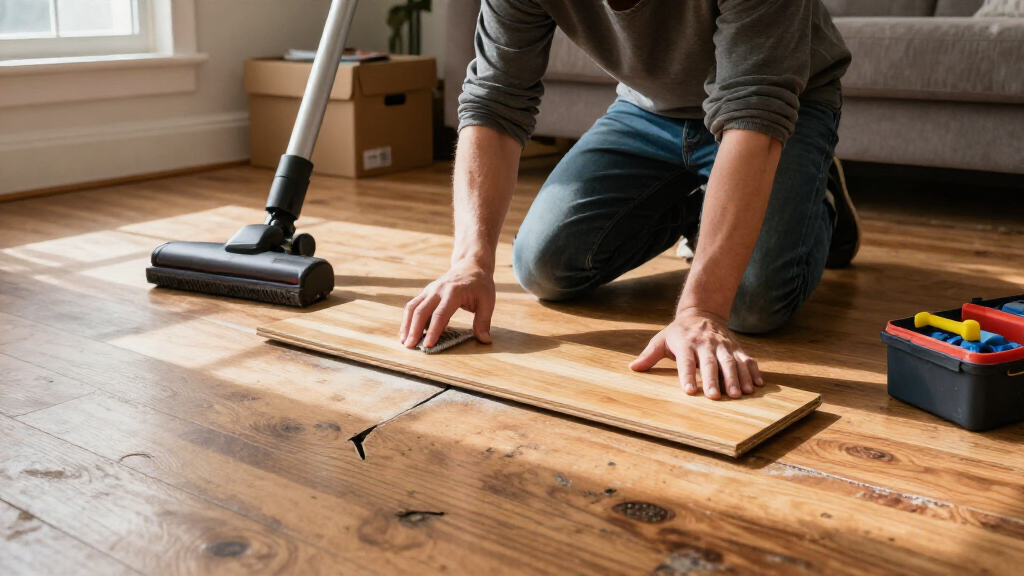
Other suggested checks include using a level or observing how a marble rolls across the floor, identifying which direction windows face, and opening, closing and locking doors and windows. The report also advises looking for bubbling, cracked or peeling paint around ceilings, vents, windows and upper corners, which it says may be associated with past or unresolved water problems. It recommends documenting defects and asking whether repairs will be made before move-in.
Small Defects Can Affect Daily Living
These inspections matter because a lease commits a renter to a home whose everyday usability may not be apparent during a short viewing. Insufficient outlets, missing overhead lights or a door that will not latch can affect how a room is used, while poorly sealing exterior openings may create drafts or raise security concerns.
Checking for possible water damage can also prompt questions before a renter takes possession. Paint changes alone do not prove a leak or structural damage, and the report does not provide a technical assessment method. Still, recording what is visible and requesting written clarification about repairs can help establish what the renter noticed before moving in.
The checklist is practical guidance, not a substitute for a professional inspection or a review of the lease and local tenant protections. Its value is in helping renters identify issues to discuss before they sign, rather than assuming every concern can be fixed later.
As an affiliate, we earn on qualifying purchases.
A Checklist for Apartment Tours
The House Beautiful report describes a recurring post-move experience as “renter’s regret”: after the summer moving rush, tenants may become more aware of drawbacks they missed during an initial tour. The source presents this as the author’s characterization and personal experience, not as a measured seasonal trend or a finding based on rental data.
Its six checks are straightforward observations a prospective renter can make during a viewing: count and locate outlets; check whether floors appear level; test switches and confirm ceiling lights; note window orientation; test doors and windows; and look for paint that is bubbling, cracked or peeling. The report’s discussion of sunlight, electricity costs and plant care is general guidance; actual temperatures, utility bills and light levels depend on the unit and its surroundings.
““The main thing is to always look up during your apartment viewing.””
— House Beautiful report
As an affiliate, we earn on qualifying purchases.
What a Tour Cannot Confirm
The report does not provide data showing how common these problems are, establish that renters face a seasonal rise in post-move complaints, or assess any specific apartment. Its suggestions are based partly on the author’s experiences and are not a substitute for a building inspection.
A visual check cannot determine the cause or severity of bubbling paint, a sloped floor, or a draft. Window orientation alone cannot predict a specific utility bill, and a quick test does not establish that locks, wiring or other components meet applicable standards. The source also does not state whether landlords must complete requested repairs before a lease begins; that can depend on the lease and local rules.
water damage inspection flashlight
As an affiliate, we earn on qualifying purchases.
As an affiliate, we earn on qualifying purchases.
Questions to Resolve Before Signing
Renters who find a problem can photograph it, describe it in writing and ask the property manager whether repairs will be completed before move-in. They can request that agreed work and the condition of the unit be documented, then review the lease and any move-in inspection process before signing. If a concern involves electrical safety, water intrusion or another potentially serious building issue, the report’s visual checklist should not replace advice from a qualified professional or relevant local authorities.
The source does not announce a follow-up investigation, new regulation or deadline. The next step for an individual renter is to resolve questions about the specific unit and any promised repairs before committing to the lease.
As an affiliate, we earn on qualifying purchases.
Key Questions
What six things does the apartment checklist recommend checking?
It recommends checking outlet number and placement, floor level, overhead lighting, window direction, door and window operation, and signs of bubbling or cracked paint.
Does bubbling paint prove that an apartment has a leak?
No. The report says bubbling, cracked or peeling paint can be a sign of water problems, but a visual observation alone does not establish the cause or confirm active damage. Ask the property manager about it and seek a qualified assessment if needed.
What should renters do if a door or window does not work properly?
The report advises documenting the fault, including with photographs, and asking whether it will be repaired before move-in. Renters can also request that the concern and any repair agreement be recorded in writing.
Does the report establish that renters experience more problems after summer?
No. “Renter’s regret” is the report author’s description of a familiar experience. The supplied material includes no rental-market data establishing a seasonal increase in complaints or defects.
Source: rss
Halloween Picks
halloween
As an affiliate, we earn on qualifying purchases.