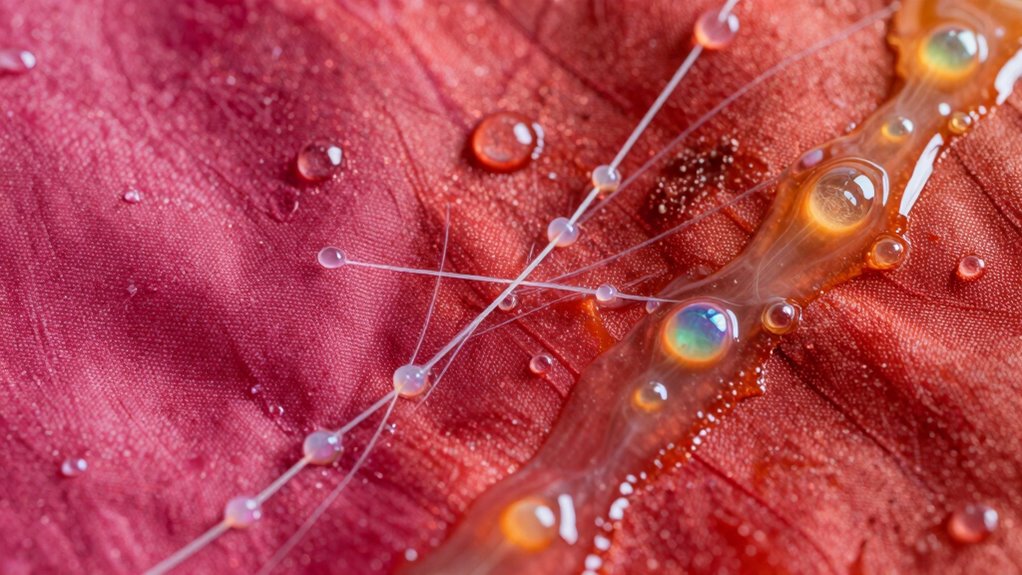

Enzymes target organic stains like proteins and fats, breaking chemical bonds to make them easier to remove. Surfactants reduce water’s surface tension, surround dirt and oils, and lift them away through foaming action. Solvents dissolve stubborn residues such as grease, paint, or adhesives by breaking down their chemical structure. Each plays a key role in cleaning, and understanding how they work can help you choose the right approach for different messes—there’s more to discover if you keep exploring.
Key Takeaways
- Enzymes break down organic stains like proteins and fats, making them easier to remove.
- Surfactants reduce water surface tension, lift dirt and oils, and create foam to facilitate cleaning.
- Solvents dissolve stubborn residues such as grease, paint, or adhesives that resist water-based cleaning.
- Together, these agents target different stain types, often working in synergy for more effective cleaning.
- Choosing the right component depends on stain type, material, and environmental considerations.
What Are Enzymes and How Do They Work?

Have you ever wondered how enzymes help break down tough stains? These biological molecules are specialized protein catalysts, meaning they speed up chemical reactions without being consumed. Each enzyme has enzyme specificity, so it targets only certain types of stains or molecules. For example, some enzymes break down proteins, while others target fats or carbohydrates. When you use a cleaning product with enzymes, they latch onto their specific stain molecules, breaking chemical bonds to make them easier to remove. Because they’re highly specific, enzymes work efficiently on particular stains, often at lower temperatures and with less scrubbing. This enzyme specificity makes enzymes powerful allies in cleaning, especially for organic stains, ensuring effective removal without damaging fabrics or surfaces. Additionally, enzymes are often used in conjunction with surfactants to improve overall cleaning performance. Understanding how biological catalysts function can also help in developing more eco-friendly and effective cleaning solutions. Recognizing the role of oxidation-reduction reactions can further enhance the effectiveness of enzyme-based cleaners.
The Role of Surfactants in Cleaning Efficiency
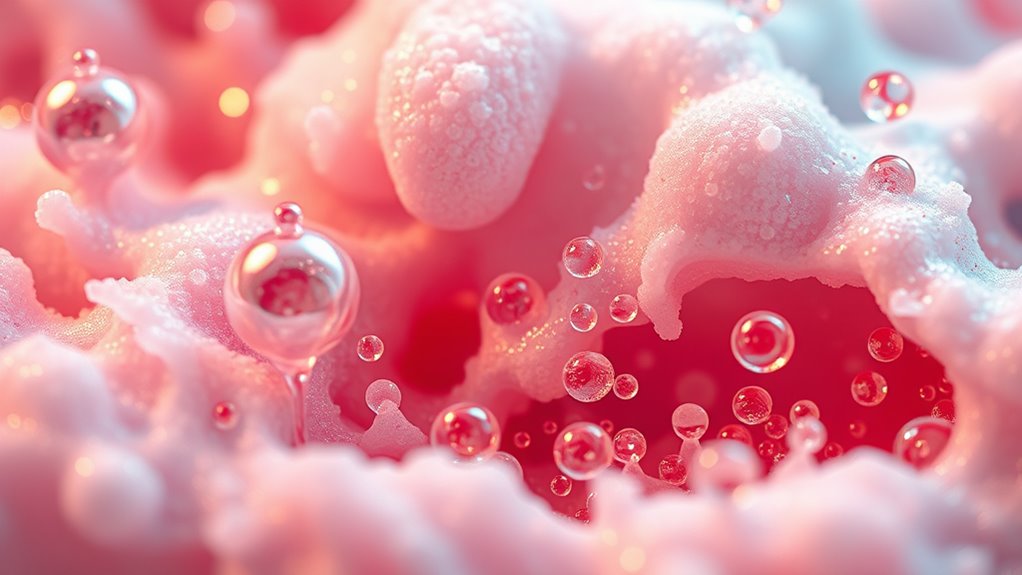
Surfactants play an essential role in cleaning by reducing the surface tension between water and dirt, allowing them to be removed more easily. They surround oily and greasy particles, breaking them down into smaller droplets that water can wash away. Many surfactants offer biodegradability benefits, meaning they break down naturally in the environment, reducing pollution. This helps minimize their environmental impact, making them a more eco-friendly choice for cleaning. Effective surfactants improve cleaning efficiency while supporting sustainability goals. Additionally, European cloud innovation promotes the development of environmentally friendly cleaning technologies that leverage sustainable surfactant solutions. However, not all surfactants are equally biodegradable, so choosing those with environmentally friendly properties is important. By understanding their role, you can select cleaning products that are both effective and gentler on the planet.
How Solvents Help Break Down Tough Stains

Solvents are essential in tackling tough stains that resist removal by water and surfactants alone. They work by dissolving substances through chemical reactions, breaking down oils, greases, and adhesives. This process enhances stain penetration, allowing cleaning agents to access and loosen embedded particles more effectively. Here’s a quick comparison:
| Property | Effect on Stains |
|---|---|
| Chemical Reactions | Breaks chemical bonds in stubborn stains |
| Stain Penetration | Allows deeper access to embedded dirt |
| Solvent Power | Dissolves difficult materials |
Additionally, understanding the contrast ratio of a projector can significantly improve your home cinema experience by ensuring images have deep blacks and bright whites.
Comparing the Strengths of Enzymes, Surfactants, and Solvents
Enzymes, surfactants, and solvents each bring unique strengths to the cleaning process, making them effective against different types of stains. Enzymes excel at breaking down organic matter like proteins and fats, offering targeted cleaning. Surfactants are great at lifting and removing dirt and oils from surfaces, creating foaming action. Solvents dissolve stubborn residues such as grease or paint. When comparing their strengths, consider these points: Enzymes are biodegradable and gentle, but may have limited effectiveness on inorganic stains. Surfactants are versatile and efficient but can raise biodegradability concerns and impact aquatic environments. Solvents are powerful against tough residues but often have higher environmental impact and safety risks. Additionally, understanding cleaning agent compatibility can help prevent damage to surfaces and ensure optimal cleaning performance.
Choosing the Right Cleaning Ingredient for Different Tasks
Choosing the right cleaning ingredient depends on the specific task at hand. For eco-friendly cleaning, look for ingredients that are biodegradable and non-toxic, reducing environmental impact. Consider surfactants for greasy surfaces or stubborn stains, but choose mild options that support pH balancing to prevent damage. Enzymes excel at breaking down organic matter like food or biological stains, making them ideal for laundry or carpets. Solvents can dissolve stubborn residues but may require careful handling to maintain safety and eco-friendliness. Always match the cleaning agent’s strength to the task—using too harsh a product can damage surfaces and upset pH balance, while too mild might be ineffective. By selecting ingredients suited to each job, you ensure effective cleaning that’s safe for the environment. To make informed choices, understanding the safe installation practices associated with cleaning products is essential.
Frequently Asked Questions
Are Natural or Synthetic Enzymes More Effective for Cleaning?
Synthetic enzymes tend to be more effective for cleaning because they’re designed for higher enzyme efficiency, offering consistent performance across various conditions. Natural enzymes work well too, especially in eco-friendly products, but may be less stable or slower. Your choice depends on your cleaning needs—if you want maximum efficiency and reliability, synthetic enzymes usually outperform natural ones. However, natural enzymes are a gentler, biodegradable alternative.
Can Surfactants Cause Skin Irritation or Environmental Harm?
Surfactants can cause skin irritation if you have skin sensitivity or experience prolonged chemical exposure. They may strip natural oils, leading to dryness or redness. Environmentally, some surfactants break down slowly and can harm aquatic life if washed into waterways. To protect yourself and the environment, opt for eco-friendly options, wear gloves during cleaning, and avoid overexposure to reduce potential skin irritation and ecological impact.
How Do Solvents Affect Fabric Durability Over Time?
Solvents can weaken your fabrics over time by causing fiber degradation and solvent oxidation. As you repeatedly wash with strong solvents, the fibers become brittle and lose their strength, leading to tearing or thinning. The oxidation process further breaks down the fabric’s molecular structure, reducing durability. To extend your fabric’s lifespan, avoid excessive solvent use and opt for milder cleaning methods, helping your clothes stay intact longer.
Are There Eco-Friendly Alternatives to Traditional Cleaning Agents?
You can select eco-friendly alternatives like cleaning products made with plant-based ingredients and packaged in biodegradable packaging. These options reduce environmental impact while still effectively cleaning your home. Look for labels that highlight biodegradable packaging and natural ingredients, avoiding harsh chemicals. By choosing these alternatives, you help protect the planet and ensure safer, sustainable cleaning practices for your household.
What Safety Precautions Should Be Taken When Handling Strong Cleaning Chemicals?
When handling strong cleaning chemicals, you should always wear protective gear like gloves, goggles, and masks to prevent skin and eye irritation. Make certain of good ventilation by opening windows or using fans, which helps disperse fumes and reduce inhalation risks. Follow the manufacturer’s instructions carefully, and store chemicals securely away from children and pets. Taking these precautions minimizes health hazards and keeps you safe during cleaning tasks.
Conclusion
Remember, when it comes to cleaning, knowing what’s doing the work makes all the difference. Enzymes target organic stains, surfactants lift dirt and grease, and solvents break down stubborn residues. Using the right ingredient for the job saves time and effort. As they say, “A stitch in time saves nine”—so choose wisely, and your cleaning will be quicker and more effective. Keep these tools in mind, and your surfaces will shine like new!