
Ammonia cleaners are great for tackling tough grime, especially on glass, ovens, and kitchen equipment. Their fast evaporation helps prevent streaks, making surfaces shine. However, be careful; their strong fumes can irritate your eyes and lungs. Never mix ammonia with bleach, as it creates toxic gas. Always make certain of proper ventilation and consider testing on delicate fabrics first. If you’re curious about more tips and precautions for safe use, there’s plenty more to discover.
Key Takeaways
- Ammonia cleaners excel in removing grime from glass, mirrors, and kitchen equipment, ensuring streak-free shine.
- They effectively break down tough grease and carbon, making them ideal for heavy-duty cleaning tasks.
- Use ammonia in well-ventilated areas to minimize fume inhalation risks and potential respiratory irritation.
- Never mix ammonia with bleach or acids to avoid dangerous chemical reactions, like toxic chloramine gas release.
- Caution is needed on delicate fabrics and certain surfaces, as ammonia’s alkaline nature can cause damage.

Ammonia Cleaners
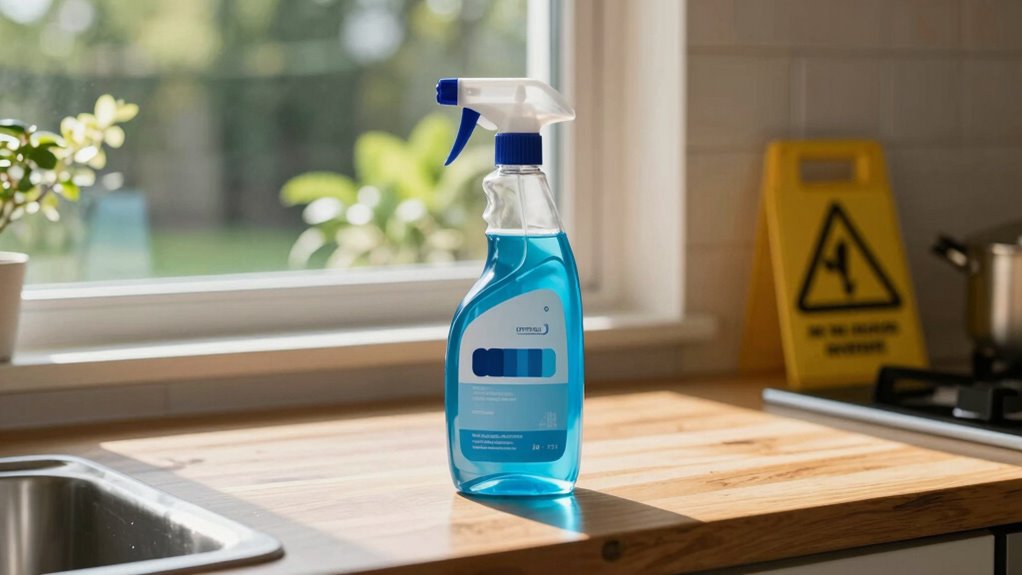
When you need a powerful cleaning solution, ammonia cleaners stand out for their effectiveness across various surfaces. You’ll find these cleaners excel at removing fingerprints, grime, and oil residue from glass, mirrors, and windows. Their rapid evaporation means you won’t have to deal with streaks, providing crystal-clear results that make your windows and mirrors shine. Mix one cup of ammonia with a gallon of water for an efficient cleaning solution that works wonders in commercial buildings, restaurants, and hotels.
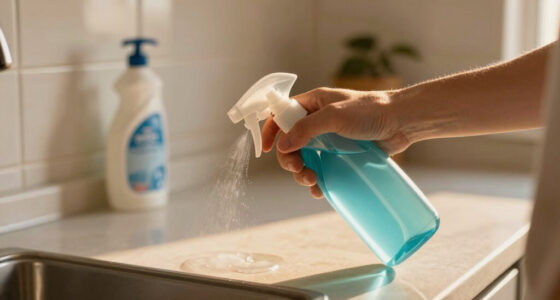
Ammonia cleaners excel at removing grime and streaks from glass surfaces, delivering sparkling results with ease.
In kitchens, ammonia cleaners shine again, especially when it comes to tackling baked-on grease and grime. You’ll appreciate how easily they break down stubborn dirt and carbon on oven racks and grills, minimizing the need for strenuous scrubbing. For effective use, soak oven racks in warm water mixed with half a cup of ammonia for about 15 minutes. If you’re working in a commercial kitchen or a restaurant, this powerful cleaner becomes an essential tool for maintaining equipment and ensuring cleanliness. Ammonia’s highly alkaline properties make it particularly effective in breaking down tough grease.
Ammonia’s versatility extends into stain removal, particularly for protein-based stains like blood and sweat. You can lift these tough stains from carpets and upholstery using a mixture of one cup of ammonia in half a gallon of warm water. Just remember to test a small, hidden area first, especially on delicate fabrics like silk and wool. While ammonia can restore dingy whites when combined with detergent, avoid mixing it with bleach to prevent hazardous reactions.
However, while ammonia cleaners are powerful, they come with risks. Ammonia produces strong fumes that can irritate your eyes, skin, and respiratory system. Always confirm proper ventilation when using these cleaners. Never mix ammonia with bleach or acids, as this can release toxic chloramine gas, which poses severe health risks. If you’re working in industrial settings, protective gear is essential to minimize exposure.

BISSELL Little Green Mini Portable Carpet Cleaner, 4075
- Supports Pet Foundation: Every purchase helps save pets
- Removes Pet Stains: Tackles spills and pet stains
- Allergen Removal: Removes dander, dust, pollen
As an affiliate, we earn on qualifying purchases.
Frequently Asked Questions
Can Ammonia Cleaners Be Used on All Surfaces?
No, ammonia cleaners can’t be used on all surfaces. They’re great for glass, tile, and some metals, but they can damage wood, certain plastics, and delicate fabrics. Always test a small area first to avoid any issues. If you’re cleaning surfaces like countertops or upholstery, consider alternatives that are safer for those materials. Be cautious to make sure your cleaning process doesn’t harm the surfaces you’re working on.
What Safety Gear Is Recommended When Using Ammonia Cleaners?
Using ammonia cleaners is like steering a stormy sea; safety gear is essential. You should wear gloves to protect your skin, goggles to shield your eyes, and a mask to avoid inhaling fumes. Ventilating the area is vital, too, so open windows or use fans. By equipping yourself properly, you minimize risks and can clean effectively while keeping your health in check. Remember, safety first guarantees a smoother cleaning experience!
How Should Ammonia Cleaners Be Stored Safely?
Store ammonia cleaners in a cool, well-ventilated area, away from direct sunlight and heat sources. Keep them in their original containers, tightly sealed, and out of reach of children and pets. Avoid storing ammonia near bleach or acidic substances to prevent dangerous reactions. Use labeled cabinets or shelves for organization and safety. Always check expiration dates and dispose of any expired products properly to guarantee a safe environment.
Are There Eco-Friendly Alternatives to Ammonia Cleaners?
Absolutely, there are eco-friendly alternatives to ammonia cleaners. Think of nature’s gentle touch—vinegar and baking soda work wonders, cutting through grime without harsh chemicals. You can mix vinegar with water for a streak-free shine on glass, or sprinkle baking soda on surfaces to scrub away stubborn stains. Essential oils can also add a fresh scent while boosting cleaning power. Embrace these green options, and you’ll keep your home spotless and the planet happy.
Can Ammonia Cleaners Remove Tough Odors Effectively?
Yes, ammonia cleaners can effectively remove tough odors. When you use ammonia, its strong properties break down odor-causing compounds, leaving your surfaces smelling fresh. For best results, mix ammonia with water and apply it to the affected area. Always guarantee proper ventilation while you’re cleaning, and avoid mixing ammonia with other cleaners to prevent harmful fumes. With careful use, you’ll notice a significant improvement in the odors lingering in your space.
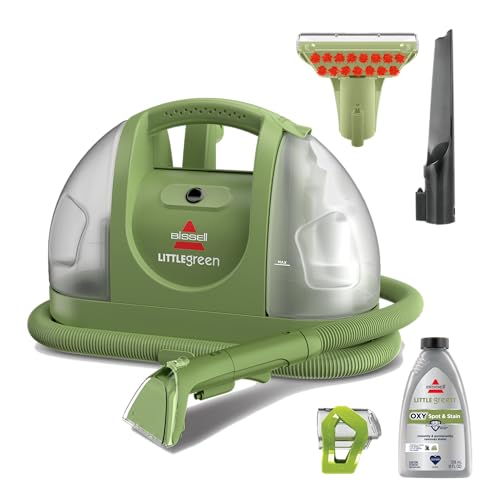
BISSELL Little Green Multi-Purpose Portable Carpet Cleaner, 1400B
- Trusted Brand: America's #1 portable cleaning brand
- Mess Removal: Removes 100+ common stains and messes
- Powerful Cleaning: Triple action formula for stains and odors
As an affiliate, we earn on qualifying purchases.
Conclusion
In the world of cleaning, ammonia is a double-edged sword. It sparkles like a diamond, cutting through grime with ease, yet it can also cast a shadow of danger if misused. Just as a flame can warm your home or burn it down, ammonia’s power lies in your hands. Use it wisely, and it becomes a trusted ally; neglect its potential risks, and it transforms into a lurking threat. Choose your approach, and let clarity reign in your space.
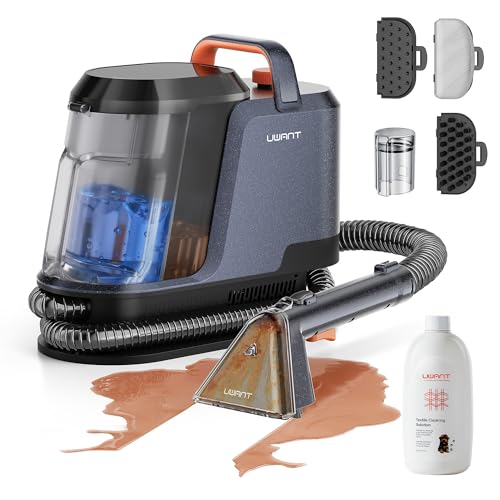
Uwant Carpet Cleaner Machine 18Kpa Portable Carpet Cleaner for Cars Couch, 2in1 Water Tank Upholstery Cleaner, Spot Cleaner with Cleaning Tools Set of 1
- High Suction Power: 18Kpa for deep stain removal
- Efficient Cleaning: 50% faster cleaning with upgraded suction
- Dual Water Tanks: Separate clean and waste water tanks
As an affiliate, we earn on qualifying purchases.

Hoover CleanSlate Plus Portable Carpet + Upholstery Spot Cleaner Machine
- Portable Carpet Cleaner: Quickly removes spills and stains
- Versatile Cleaning Tools: Includes WidePath and TightSpot tools
- Easy Maintenance: Hose rinse for simple cleaning
As an affiliate, we earn on qualifying purchases.