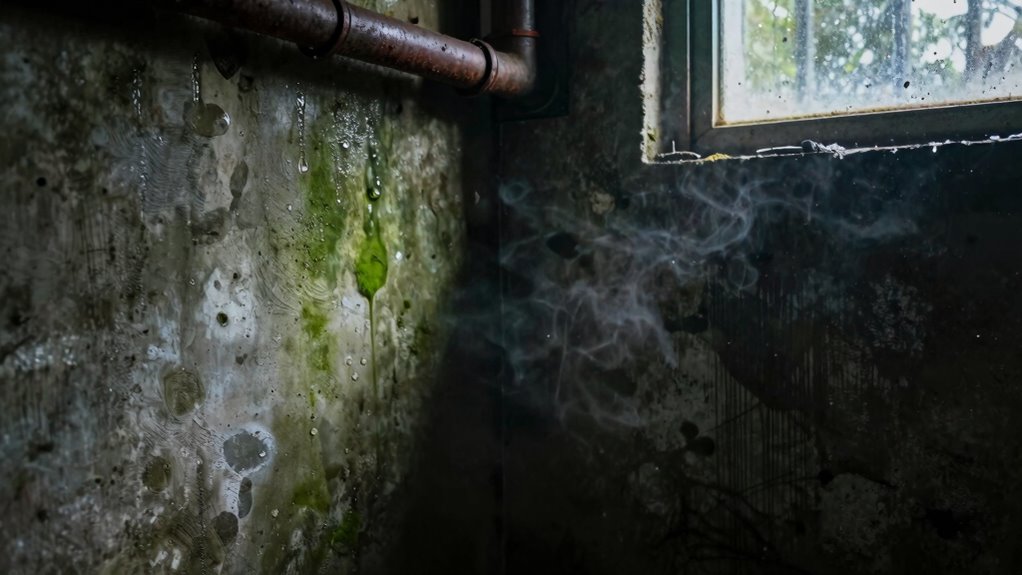

Basements smell musty mainly due to moisture, mold, and dust. High humidity leads to condensation and mold growth, while dust accumulates on surfaces, trapping moisture and odors. Poor ventilation keeps stale air stagnant, worsening the smell. Hidden moisture sources like leaks and seepage contribute, too. Your best bet is to maintain a humidity level between 30-50%, keep things clean, and address any water issues quickly. There’s more to discover about preventing these smells effectively.

Get cleaning gear delivered free with Prime
- Fast, free delivery on millions of items
- Prime Video, Amazon Music and more included
- Member-only deals all year
Key Takeaways
- Musty smells in basements often result from high humidity levels, leading to condensation and mold growth on surfaces.
- Mold thrives in damp environments, making moisture control essential for odor prevention and air quality improvement.
- Dust accumulation on surfaces can absorb moisture, contributing to unpleasant odors and fostering mold growth.
- Plumbing issues, such as cracked pipes or clogged drains, can release sewer gases that mimic musty odors.
- Regular cleaning, dehumidification, and proper ventilation are crucial strategies to mitigate musty smells in basements.

When you step into a basement and notice a musty smell, it’s often a sign of underlying moisture issues that need your attention. High humidity levels above 50% can lead to condensation on cool walls and floors, creating an environment where mold thrives. Mold spores, which can circulate through your HVAC system, produce the characteristic musty odors you’re smelling. If the basement lacks proper ventilation, stale air traps these odors, making them even more noticeable. Additionally, maintaining proper water chemistry is vital to prevent the growth of mold and mildew in your home.
A musty smell in your basement often signals moisture issues, high humidity, and potential mold growth that require immediate attention.
Hidden sources of moisture can contribute greatly to that musty smell. Water may seep through foundation cracks, clogged gutters, or from underground moisture. If you’ve experienced flooding or leaks from plumbing, this excess moisture creates a breeding ground for bacteria and fungi. Remember, even if you can’t see visible mold, it can still be lurking behind walls or under flooring, causing persistent odors.
Dust accumulation also plays a role in musty smells. Dust gathers on rugs, boxes, and floors, absorbing moisture and fostering conditions for mold growth. Cardboard boxes can take on humidity, amplifying odors when they become damp. Keeping your basement clean and free of dust is essential to minimize musty odors. Instead of stacking items directly on the floor, utilize shelving to reduce moisture retention. Additionally, excess humidity and moisture buildup in the basement can exacerbate the musty smell, making it crucial to address these conditions promptly.
Sewage leaks can sometimes mimic musty odors. Cracked pipes can release sewer gas, while clogged drains may trap gases that contribute to unpleasant smells. Make sure to check for any plumbing issues, as they can greatly worsen the odor problem. If you notice distinct sewage smells, it’s essential to investigate further rather than merely masking the odors.
To combat these musty smells effectively, maintain your basement’s relative humidity between 30-50%. Use dehumidifiers and ensure proper airflow by utilizing exhaust fans or opening windows. Regularly inspect for leaks and maintain your HVAC system with monthly filter replacements. Cleaning moldy surfaces with appropriate solutions can help mitigate odors as well.
Frequently Asked Questions
How Can I Prevent Musty Odors in My Basement?
To prevent musty odors in your basement, keep humidity levels between 30-50%. Use dehumidifiers, guarantee proper ventilation, and regularly clean your HVAC system. Seal any cracks in the foundation and fix leaks promptly to stop water intrusion. Store items off the floor and avoid using cardboard. Regularly inspect for mold growth and clean surfaces with appropriate cleaners. By maintaining a dry, clean environment, you’ll considerably reduce those unpleasant smells.
What Are the Health Effects of Mold Exposure?
Mold exposure can be a silent threat, lurking unnoticed yet impacting your health. You might experience allergies, respiratory irritations, or even more severe reactions over time. While some people might just feel a bit congested, others could face serious health issues. Protecting yourself means staying vigilant; addressing mold promptly can safeguard your well-being. By monitoring your environment and maintaining cleanliness, you’re not just reducing odors—you’re also prioritizing your health.
Can Air Fresheners Eliminate Musty Smells?
Air fresheners can’t truly eliminate musty smells in your basement. They merely mask the odors instead of addressing the underlying causes, like mold or moisture. To get rid of that musty scent, you need to identify and resolve the source, whether it’s a leak, high humidity, or accumulated dust. Once you tackle those issues, you can use fresheners as a temporary solution, but they won’t solve the problem permanently.
How Often Should I Check My Basement for Moisture?
Think of your basement as a sponge, constantly absorbing moisture. You should check it for moisture at least once a month, especially during humid seasons or after heavy rain. Keep an eye out for damp spots, condensation, or any musty odors. If you detect problems, address them quickly to prevent mold growth and structural issues. Regular inspections help maintain a healthy environment and keep your basement dry and fresh.
What Are the Signs of Hidden Mold Growth?
You’ll notice signs of hidden mold growth through persistent musty odors, discoloration on walls or ceilings, and increased humidity levels. If you see water stains or experience frequent allergy symptoms like sneezing or coughing, these could indicate mold presence. Check areas behind appliances, under sinks, or within walls, as mold can thrive in hidden spaces. Using a hygrometer can help you monitor humidity, keeping it below 50% to prevent mold growth.
Conclusion
In summary, a musty basement can feel like a hidden secret, lurking beneath your home, waiting to be uncovered. By tackling moisture, mold, and dust, you can banish that unpleasant smell and reclaim your space. Don’t let these issues fester; take action to create a fresh, inviting environment. Remember, a clean basement isn’t just about eliminating odors—it’s about cultivating a healthy home for you and your loved ones to thrive in.
Fall Picks
fall essentials
As an affiliate, we earn on qualifying purchases.