TL;DR

Get cleaning gear delivered free with Prime
- Fast, free delivery on millions of items
- Prime Video, Amazon Music and more included
- Member-only deals all year
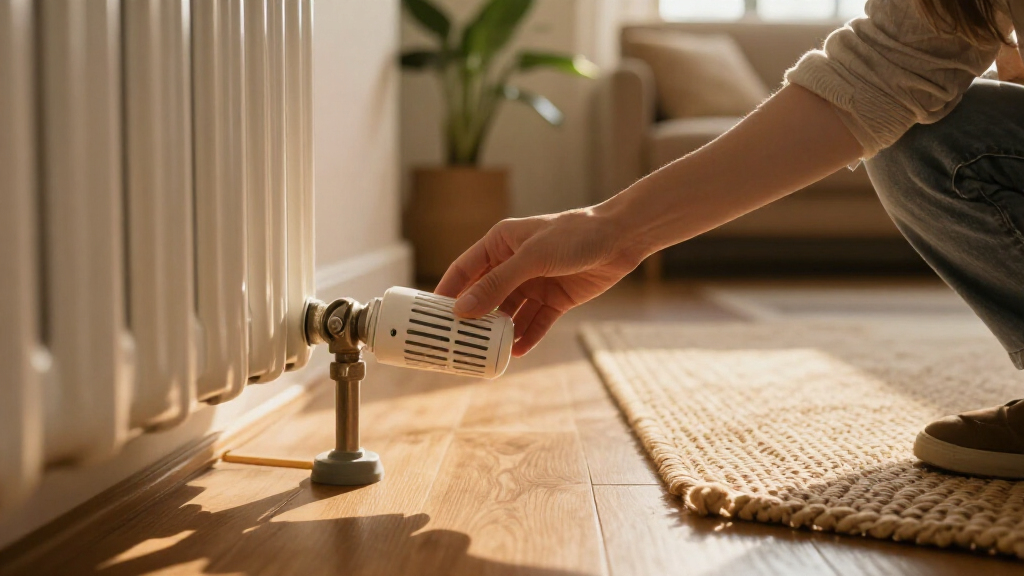
An Ideal Home report says household radiator problems can stem from maintenance and setup, including dust, trapped air, blocked heat flow and unbalanced radiators. Experts quoted by the publication recommend cleaning and bleeding as routine checks, while persistent uneven heating may need further investigation.
Ideal Home has reported that radiator performance problems may result from dust, trapped air, obstructed heat flow or uneven water distribution, rather than a single fault. The advice, based on comments from home-heating and appliance experts, gives households checks to make before relying on central heating, while stressing that some persistent problems may need further attention.
Dust buildup inside radiator fins can impede performance, according to Martin Garbutt, head of technical governance at home-services platform Ding, who told Ideal Home that dust may reduce efficiency by up to 10%. That figure is an expert estimate reported by the publication; the article does not provide a test method or say it applies to every radiator. Garbutt recommends switching off the radiator and letting it cool before removing dust with a vacuum nozzle or hairdryer. A damp towel can catch debris, and the exterior can be wiped with a microfiber cloth.
Trapped air is another possible cause of poor heating. Ian Palmer-Smith, an appliance repair expert at Domestic & General, told Ideal Home that a radiator that is cold at the top and hot at the bottom may have air preventing hot water from circulating. Gurgling or banging sounds can also be signs, he said, and recommended bleeding radiators at least once a year as standard maintenance. Households should follow the instructions for their heating system and use care around hot water.
Blocked radiators and uneven heat can also affect comfort. Garbutt advised against placing large furniture in front of radiators, saying it can restrict heat circulation. If some radiators remain cooler after bleeding and valve settings have been checked, Ant Langston, a heating and bathroom expert at HeatandPlumb.com, said a system-balancing issue may be involved. He described the lockshield valve, opposite the thermostatic valve, as one adjustment that can help distribute heat more evenly. The report does not provide a universal setting for that valve.
Small Issues Can Affect Room Comfort
Radiators that do not heat rooms evenly can leave households uncomfortable and prompt people to raise the thermostat or run heating for longer. The report points to practical checks that may identify preventable causes, such as dust or furniture blocking a radiator, before people assume the appliance itself has failed.
That does not mean every cold room can be fixed with cleaning or bleeding. The article’s writer describes living in a draughty, poorly insulated older house, illustrating that radiator performance is only one part of home warmth. Heating distribution, insulation, draughts and the condition of the system can all contribute, and the source offers no cost or energy-savings figures for the suggested steps.
Products Worth Considering

Dyson Cyclone V10 Origin Cordless Vacuum

Dreame L50 Ultra Robot Vacuum and Mop

Sonos Era 100 SL Compact Microphone-Free Speaker, Black
As an affiliate, we earn on qualifying purchases.
The Checks Before Heating Season
The Ideal Home report is framed around preparing a home’s central heating for cooler weather. Its writer says the house often feels cold despite the heating running, and asks experts whether household habits or radiator faults might be contributing. The resulting advice focuses on cleaning, bleeding, clear airflow and heat distribution, rather than reporting a new product, regulation or technical study.
The article also refers to thermostatic radiator valves and a wireless thermostat, but the supplied source text ends before completing its discussion of thermostat use. It therefore does not establish what settings the writer had used, or offer a full explanation of how to configure a thermostat. The specific recommendations available are expert comments attributed to Garbutt, Palmer-Smith and Langston.
“If your radiator feels cold at the top and hot at the bottom, this means there is trapped air inside of it that is preventing hot water from circulating.”
— Ian Palmer-Smith, appliance repair expert at Domestic & General, quoted by Ideal Home
When Routine Checks Are Not Enough
The cause of any particular home’s heating problem cannot be determined from the article alone. It does not say how common each issue is, quantify the likely savings from the maintenance steps, or confirm that cleaning or bleeding will resolve persistent cold rooms. The reported efficiency estimate for dust is attributed to Garbutt and is not accompanied by supporting measurements.
The source also does not complete its discussion of thermostat settings, and it provides no detailed procedure for adjusting lockshield valves. If radiators remain cold, make unusual noises or heat unevenly after basic checks, the fault may involve the wider heating system. The report does not diagnose those cases or specify a repair.
Check the System Before Cold Weather
For households following the report’s advice, the immediate steps are to switch radiators off and let them cool before cleaning, check for furniture or other obstructions, and look for the stated signs of trapped air. Bleeding should be done according to the heating system’s instructions. If the problem persists, or a homeowner is unsure about valve adjustments, a qualified heating professional can inspect the system rather than relying on a general setting.
No follow-up testing or repair announcement is included in the source material. The report’s thermostat section is incomplete in the supplied text, so further guidance on that topic cannot be confirmed here.
Key Questions
What can make a radiator heat poorly?
Dust, trapped air, blocked airflow and uneven water distribution are among the possible causes described by experts in the Ideal Home report. A cold room can also reflect draughts or poor insulation, so these checks do not identify every cause.
How can I tell if a radiator may need bleeding?
Palmer-Smith told Ideal Home that a radiator cold at the top but hot at the bottom, or one making gurgling or banging noises, may have trapped air. The report recommends annual bleeding as standard maintenance, but homeowners should follow their system’s instructions.
Can dust really reduce radiator efficiency by 10%?
Garbutt told Ideal Home dust may reduce efficiency by up to 10%. The article does not provide a test method or explain how broadly that estimate applies, so it should be treated as an attributed expert figure, not a measured result for every home.
What should I do if some radiators remain cooler?
After checking for trapped air and reviewing valve settings, Langston said an uneven-flow or balancing issue could be involved. The report does not give a universal lockshield-valve setting. If uneven heating continues, seek advice from a qualified heating professional.
Source: idealhome.co.uk